Islands of Ireland: There's 5,000 years of wild history to be found on Fota Island
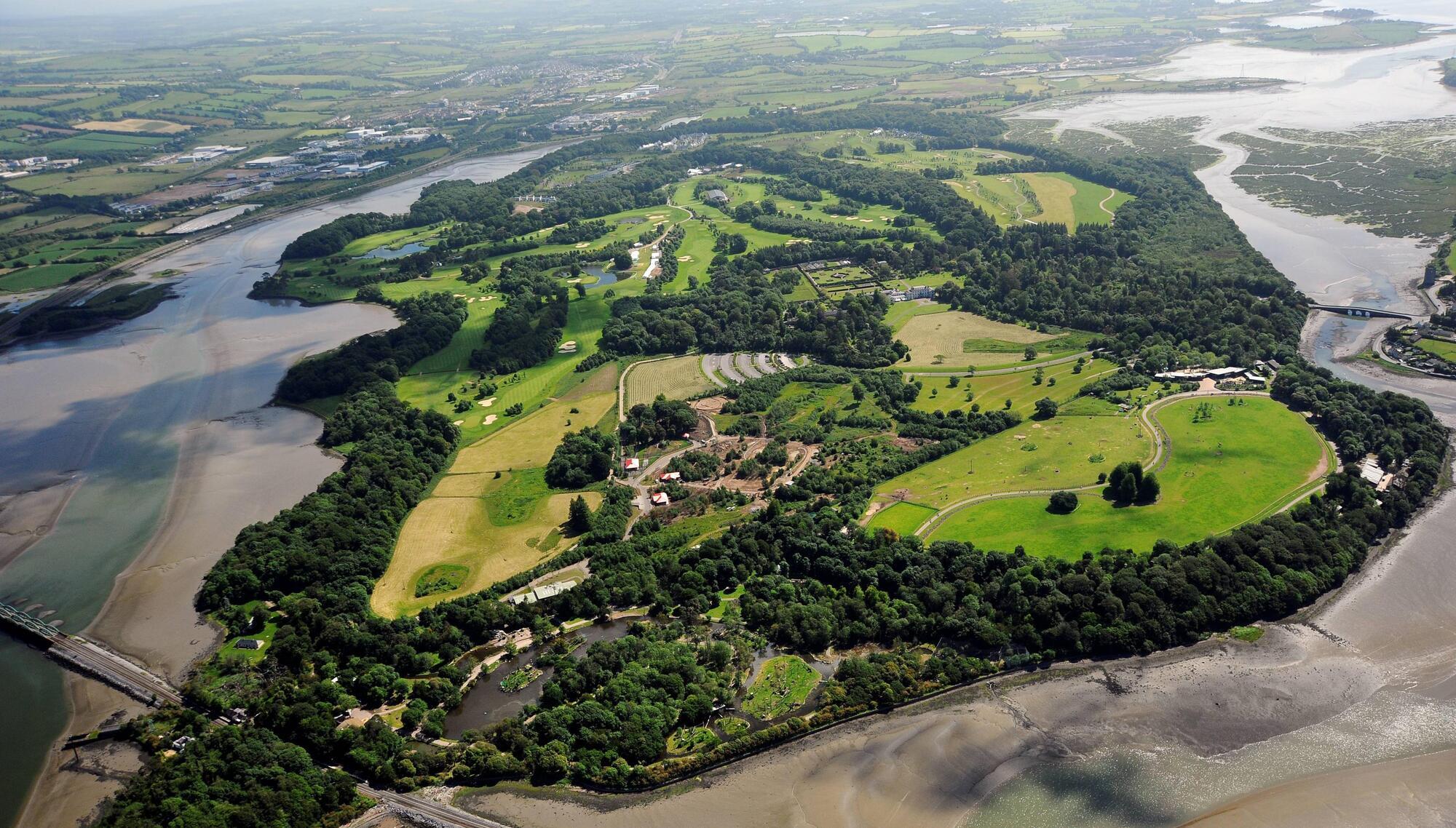
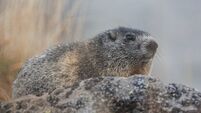
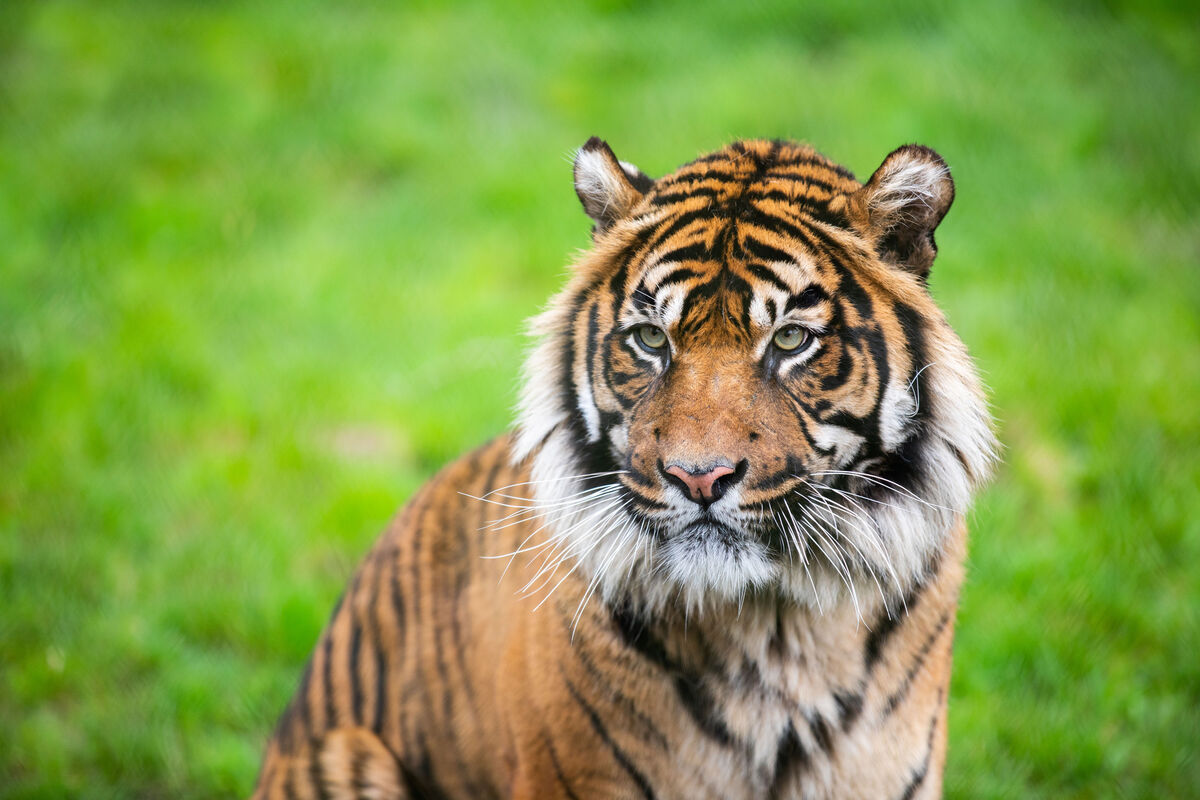
The famous Fota Wildlife Park on Fota Island which opened in 1983. Photo: Denis Scannell
With its macaws, eucalyptus trees, golf course with echoes of organised nature, and nearby decommissioned chemical plant, Fota Island in Cork Harbour could be a blueprint for a JG Ballard novel. No dystopia here though, as all are merely functions of various interests over the centuries.
The earliest record of man’s presence on this Co. Cork once-island (and hence its presence here) shows evidence of a community of people living there about 5,000 years ago. There are several fulacht fia (cooking pits) on the western end of the island and towards the centre there are outlines of a structure resembling a Bronze Age mortuary house.
The Vikings were active in the area, including upriver at Cork, and left their name at Haulbowline and possibly Fota Island or Foaty, the suffix of which references the Norse word for ‘island’. The veracity of this link is in question though, as 17th and 18th-century names include Fotie, ffolie, Feóidhte. It was not until the mid-19th-century that ‘Foaty’ became established. logainm.ie suggests a derivation from ‘foidh’ meaning ‘wood; is more plausible. Much later, there is also archaeological evidence of medieval walls and utensils including jugs indicating a very long-established human presence on this very wooded island.
The environs of the island saw a classic tale of the haves and have-nots over the years. While lavish estates decorated the coastline, some of the local population were arraigned for stealing osiers, raiding oysterbeds, were shot for smuggling, or were involved in attempts to overthrow British rule, as seen in the Fenian attack at the nearby Martello tower in 1868.
The island was joined on its southern side to Great Island by Belvelly Bridge which was constructed from 1800 to 1805. Duchás.ie records a memory of people passing to Fota from the mainland via stepping stones. “If they wanted a horse to cross they should take advantage of a time when it was low-tide when the animal could safely cross in places.”
The eastern link was made following the construction of an embankment in the early 19th century in the vicinity of Barryscourt Castle, which also joined on Weir Island, and then the construction of the Slatty Bridge.
The standout feature of the island is, of course, Fota House and arboretum. It was constructed in the 1760s and extended in the 1820s under the direction of architect Richard Morrison. It was again enlarged to its current size and regarded as the finest Regency mansion in Ireland.
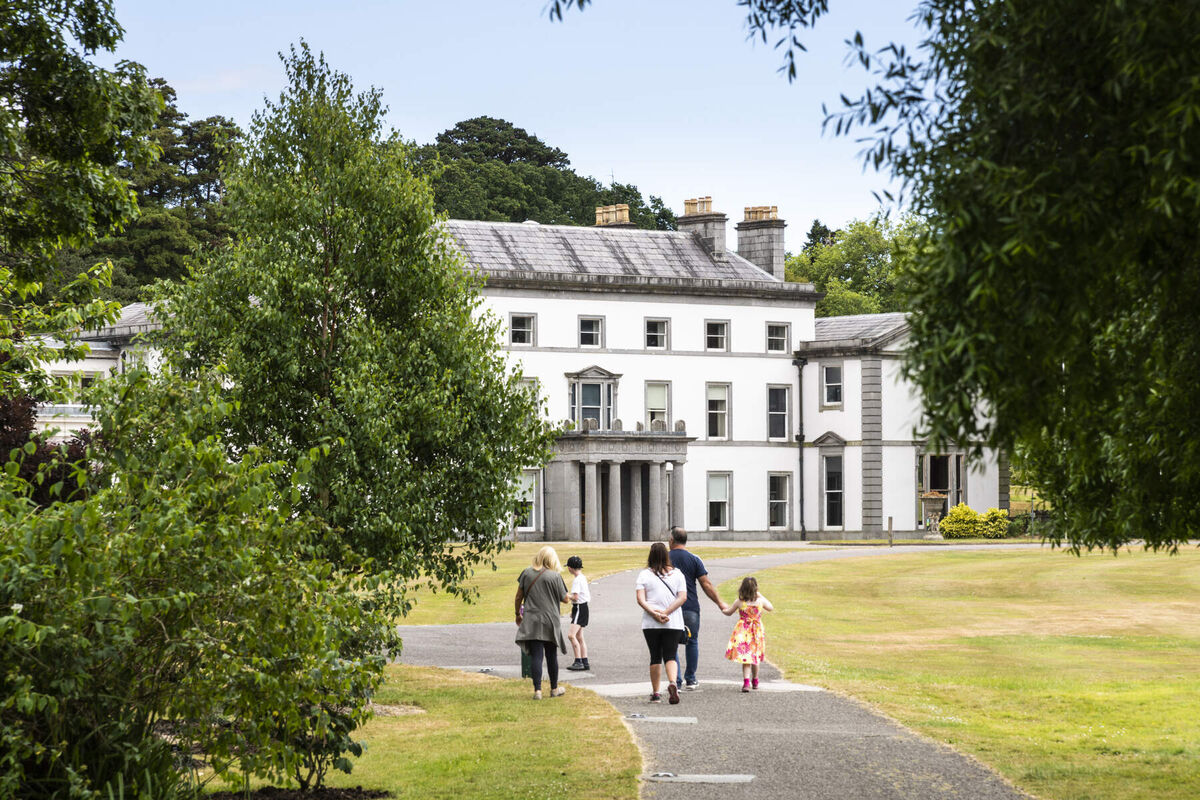
The building was the seat of the Smith Barry family whose number included the MEP Arthur Smith Barry. On the death of the last of the Smith Barrys (whose lineage was traced from the Norman de Barrys) Dorothy Elizabeth Bell, ownership of the house passed to UCC and it is now managed by the Irish Heritage Trust. It houses an important gallery of landscape paintings including works by William Ashford, Robert Carver, Jonathan Fisher and Thomas Roberts.
The entrance to the estate bears the motto of the Norman de Barrys ‘boutez en avant’ and is an old French battle cry meaning ‘push and advance’. It had been employed by a branch of the family at their castle in the north Cork village of Buttevant, from which that name is derived.
Another major item of note on this fascinating island-in-name is the folly that is seen on the western tip. It dates from the 1820s and was intended as a hunting lodge for the Smith Barrys and their guests and continued the tradition of such lodges on the island as the main house had started off life as such a whim.
And let’s not forget the railway track which was built in 1862 by the Cork and Youghal Railway and which skirts the island. At the same time as the private Fota station was built to serve the Smith Barrys the company also built stations serving Tivoli, Dunkettle, Little Island, Queenstown Junction (Glounthaune), Carrigaloe, Wheelers Dock (Rushbrooke), and Cobh.
The internationally renowned wildlife park is the other major attraction on the island which opened in 1983 and which attracts hundreds of thousands of visitors annually.
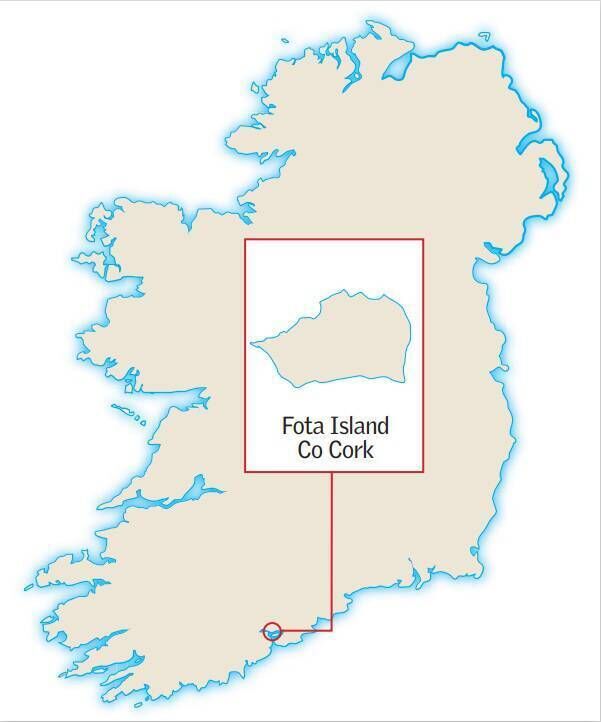
- On the N25 about 10km east of Cork City.
- fotahouse.com; www.fotawildlife.ie; www.buildingsofireland.ie; maps.archaeology.ie/historicenvironment
- With thanks to railway historian Pat Walsh

CONNECT WITH US TODAY



Be the first to know the latest news and updates