Richard Collins: The practice of capturing songbirds
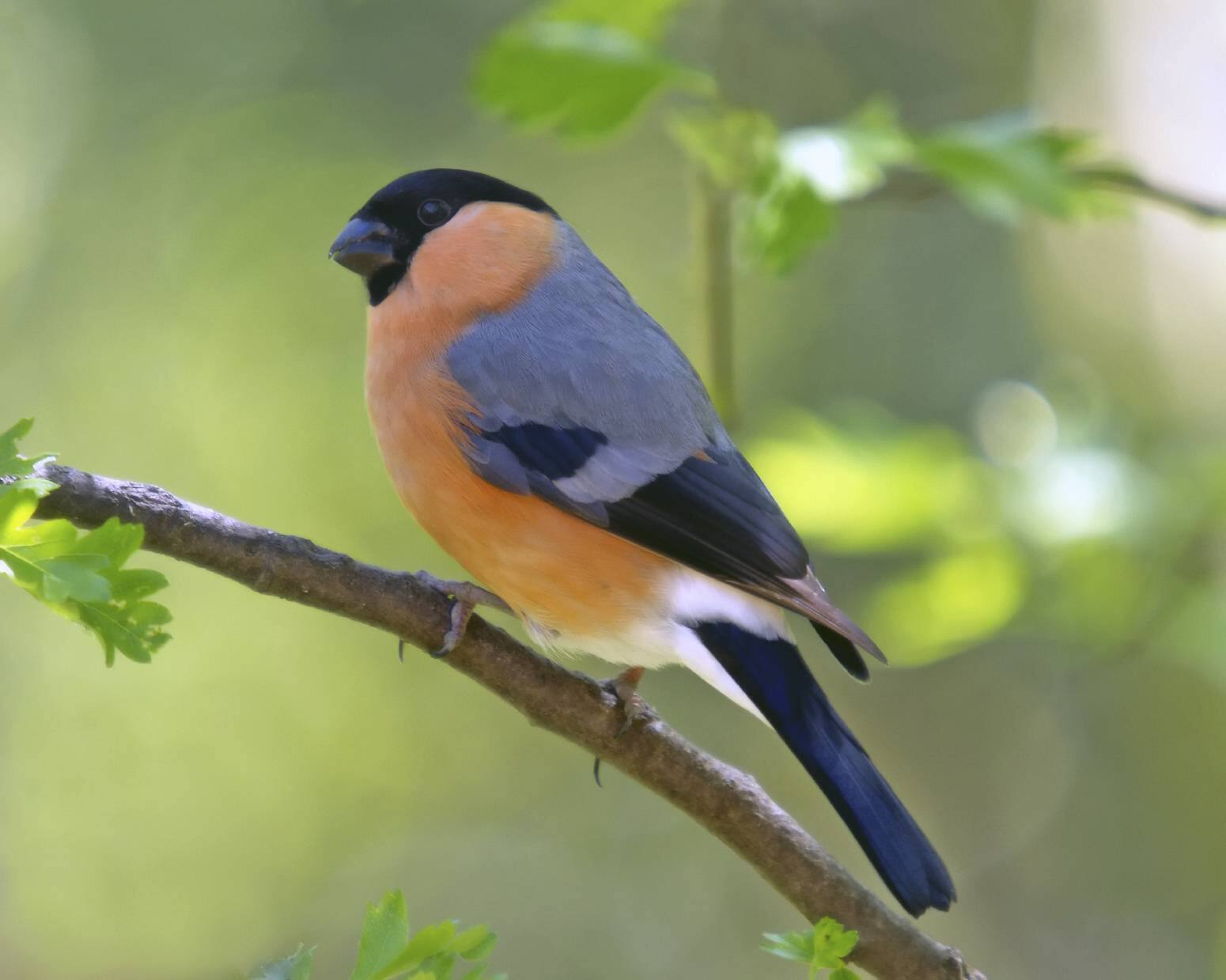
Trapping songbirds was common in Ireland until it was outlawed under the 1976 Wildlife Act
Richard Collins: The practice of capturing songbirds

Both Queen Victoria and Tsar Nicholas II had
singing bullfinches.

I visited rural Vietnam some years ago. The countryside north of Hanoi was so intensively farmed that there were very few birds. But occasionally birdsong could be heard. Closer inspection revealed its source; tiny cages attached to the sides of the little farm dwellings which dotted the landscape. People missed hearing the singing so much, they resorted to capturing and imprisoning singers.

Vietnamese farmers are not alone in adopting extreme measures. Foresters in the Vogelsberg region of Germany often took young bullfinches from their nests and hand-rear them. Tunes were played repeatedly on flutes and whistles until the captive chicks learned to mimic them.

An individual bird could master up to three melodies. Teaching took months to bear fruit but choirs of nestlings could be taught together, some songsters eventually giving perfect renditions of favourite tunes. When offered for sale, good singers fetched such high prices that only the great and the good could afford to buy them. Both Queen Victoria and Tsar Nicholas II had singing bullfinches.

Richard Collins: 'People missed hearing the singing so much, they resorted to capturing and imprisoning singers.'

Trapping songbirds was common in Ireland until it was outlawed under the 1976 Wildlife Act. It still goes on under the radar. Rangers of the National Park and Wildlife Service seized dozens of captured redpolls linnets and finches on an estate in north county Dublin in 2006. The owner was fined €800. Jim Moore, an inspector with the wildlife service, told the press at the time that ‘there is a serious amount of trapping in Ireland involving all sorts of illegal or unapproved cages nets and traps’.

In 2010 two men, found in possession of more than 30 wild birds in Carlow, were fined €500 each.

Avian feiseanna ceoil, at which birds sing competitively in front of judges, have become increasingly popular elsewhere in the world. In a recent paper Benjamin Mirin and Holder Klinck, of Cornell University, review their history. They list 19 countries, mostly in South East Asia, where contests are held. Up to 36 songbird species are entered in these challenges, with considerable sums of money being offered as prizes to winning owners.

It’s an ancient practice. The Sumerians, the reviewers note, had a word (subura) for ‘bird cage’, 4,000 years ago. The folklore and myths of Eastern cultures frequently refer to pet birds and their singing abilities.

Jerry Dennis in A History of Captive Birds noted that Alexander the Great sent singing parakeets back to Greece during his campaign in India in 325BC. Pliny blamed one Marcus Strabo for the practice “of imprisoning within bars living creatures to which Nature has assigned the open sky”.

As songbird numbers decline worldwide, Mirin and Klinck fear that trapping birds for the pet trade has conservation implications. They are mindful, however, of the complexity of the problem: “Bird singing contests are deeply ingrained in many cultures around the world and, where they put pressure on wild populations, conservationists must recognise that such practices are of great cultural economic and social value to those who participate.”

  • Benjamin Mirin & Holder Klinck. Bird singing contests: looking back on thirty years of research on a global conservation concern. Global Energy and Conservation. 2021.
x

More in this section

Revoiced

Newsletter

Had a busy week? Sign up for some of the best reads from the week gone by. Selected just for you.

Cookie Policy Privacy Policy Brand Safety FAQ Help Contact Us Terms and Conditions

© Examiner Echo Group Limited