Deathbed dreams: What end-of-life visions can teach us about life
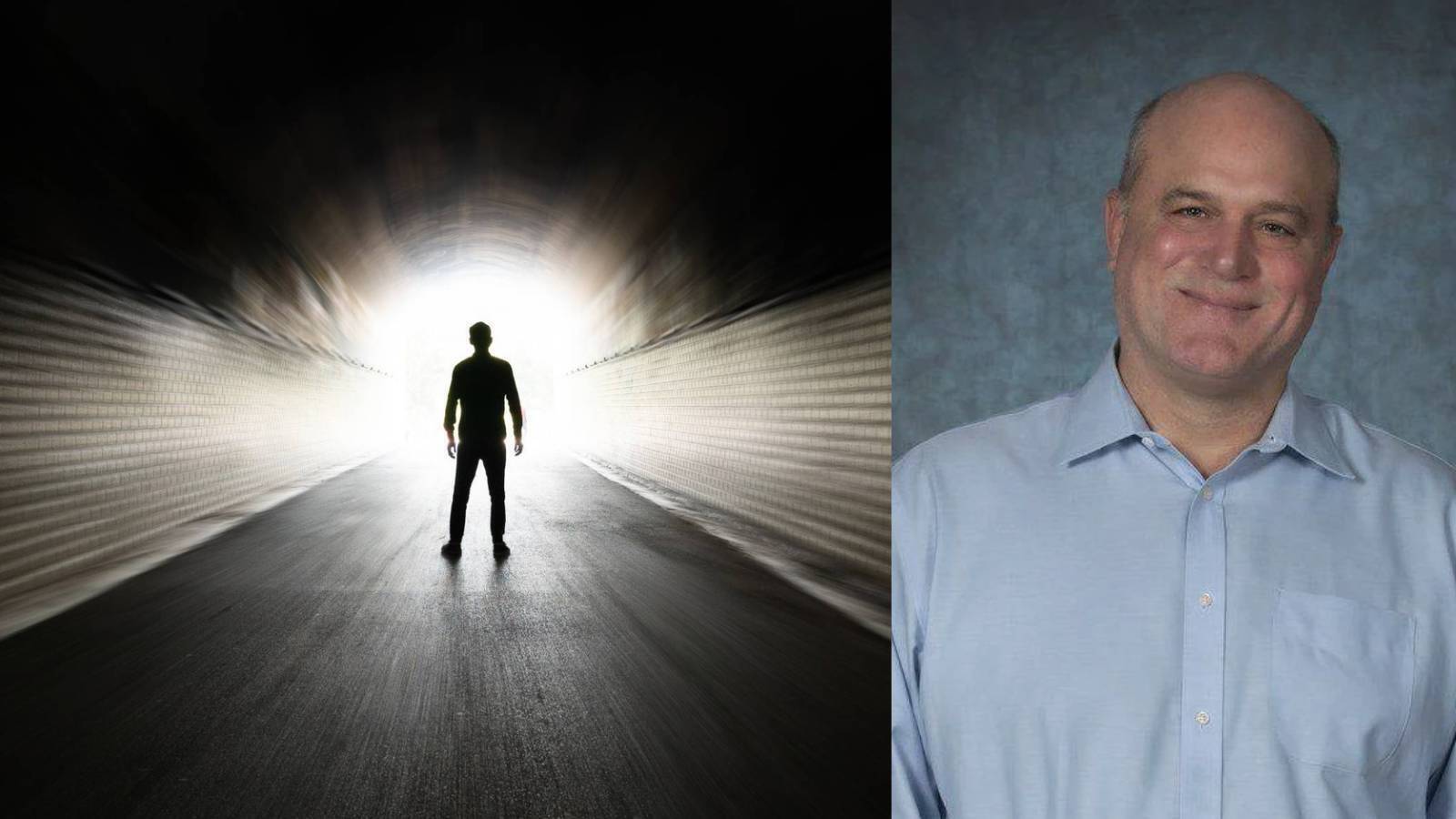
Hospice doctor Chris Kerr believes patients are often ‘visited’ by loved ones before they die
Dr Chris Kerr was 12 when he saw his dying father having a vision.
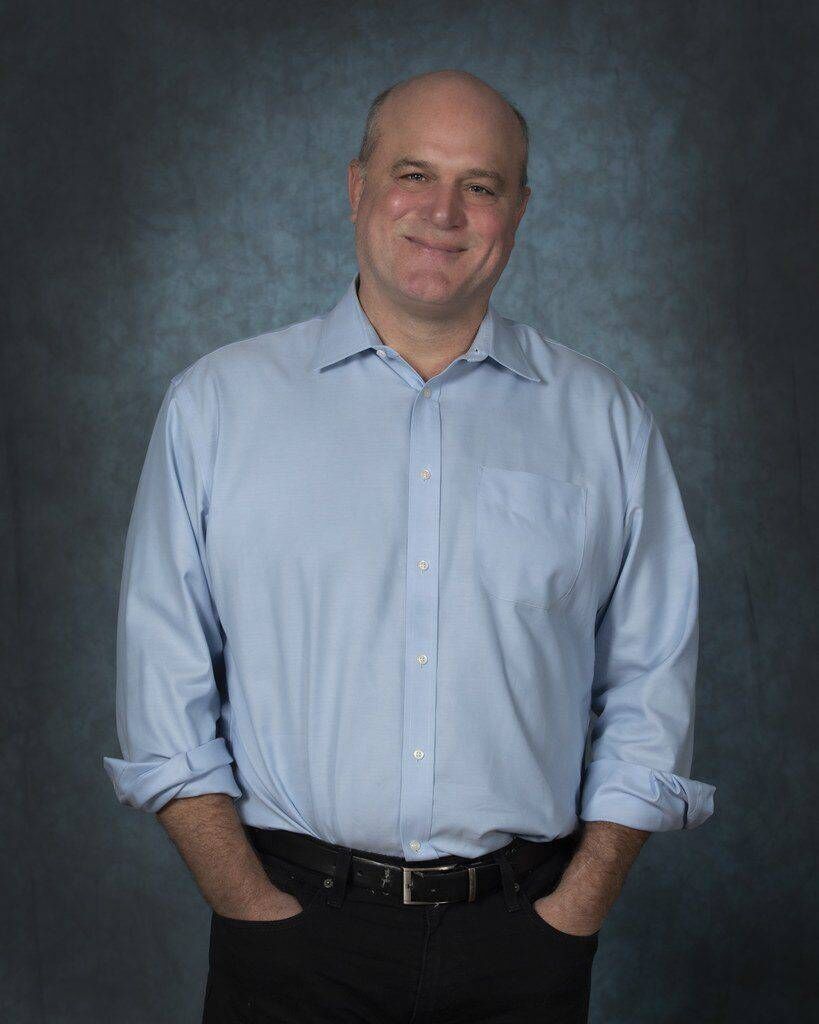
Dr Chris Kerr was 12 when he saw his dying father having a vision.

Dr Chris Kerr was 12 when he first witnessed someone having an end-of-life vision. It was his father.

In 1974, his father was dying of cancer at 42. Kerr recalls standing at the bedside. His father, who was also a doctor, reached out and played with the buttons on his shirt and told him he needed to hurry up, as they had to catch a plane to go on a fishing trip together, something they had done before.

It would be the last time he saw his father.

Kerr, who has worked in Hospice and Palliative Care Buffalo, New York, for 27 years, never planned to work in end-of-life care. In 1999, he was working in cardiology when he noticed an ad for ‘moonlighting’ at the hospice.

Up to that point, he believed little or nothing could be done for end-of-life patients, but after joining the hospice, he soon realised there was “an enormous amount to do”.

“Being present is doing, “ he says. “Bringing dignity to somebody, communicating what to expect to reduce fears, is doing. I found it so fundamentally rewarding and I felt so invigorated. Yes, we’re dealing with dying, but it’s also life-affirming and enriching.”

He made what he calls “the most purposeful change in his life” and began working full-time at the hospice.

Dr Chris Kerr was 12 when he saw hisdying father having a vision.

Although he was surrounded by death every day, he found the hospice was filled with life. He quickly recognised that the act of dying was “life-affirming”.

These revelations unfolded after he became aware of end-of-life visions. He recalls the first time someone told him about them — a nurse at the hospice.

Kerr says: “There was one patient where I had wanted to do intervention, like IVs and antibiotics, and the nurse I spoke to about that said to me, ‘No, he’s dying, he’s seen his mom’.”

Hospice care is nurse-led, and nurses are often the “most proximate to the bedside and the giving of care”. That nearness and care-giving mean nurses will often have a greater awareness of what a patient is experiencing. “They are the best translators of a patient’s experiences.”

End-of-life dreams and visions have been spoken about in every culture and throughout time, says Kerr, but as death has become more of a medical or institutionalised event, “the human story of end of life is further from us”.

These visions are not a new phenomenon. “We’re just shining a light on something that’s always been known,” Kerr says.

Unlike medication-induced hallucinations or dreams, end-of-life dreams or visions (ELDVs) have distinctive characteristics. “They’re overwhelmingly vivid, comforting, and they’re organised thematically around certain things, like seeing deceased loved ones or embarking on a trip or a journey,” says Kerr.

During the time he’s been studying this phenomenon, he has interviewed more than 1,000 patients on video.

One of them, Paul, began seeing visions of his deceased wife in the weeks before his death. He describes her in clear detail, including the colour of her dress, which was always “a beautiful light blue” in his visions.

In the video, Paul says his wife didn’t speak often in the visions, but when she did, it was to tell him that she was fine, and everything was OK. His face lights up as he recounts the visions.

Florence, whom Kerr interviewed five days before her death, recalls being with her deceased husband and daughter “just sitting at the kitchen table, talking and laughing, like a regular Sunday dinner”.

When Kerr asked her how it made her feel, she said, “It made me feel like the last 12 years [since her husband died] never existed. It was like we were always together and never separated.”

Seeing her deceased loved ones, she said, helped her to not to fear dying.

Kerr also spoke with Sierra, a woman in her 20s with a young child and an upcoming wedding. In the hospice, Sierra found it difficult to accept her terminal diagnosis, but then her deceased grandfather came to her in a dream. He told her he was proud of her, that he would see her soon and that it was ok to let go. her soon.

For Paul, Florence, and Sierra, the visions were as real to them as speaking with Kerr.

A love that never dies

Kerr’s passion for his work is evident. As we talk over Zoom about the changing culture of dying and how people approach dying, he jumps up and grabs a few relevant books, including The Way We Die Now, by Irish gastroenterologist Seamus O’Mahony, and Ira Byock’s The Four Things That Matter Most.

It is estimated that 50%-60% of conscious dying patients experience ELDVs. Most commonly, the dying patients describe seeing deceased family and friends, and these visions can occur months, weeks, days, or hours before death

Kerr says these visions are not “like looking at a photograph”, they’re interactive experiences with specific people. “Those tend to be the people in their lives who were the sources of unconditional love.”

He has spent the last decade speaking with patients at the hospice about their visions, and one of the most striking things he’s noticed is the absence of fear.

“It’s less about the dreams or the visions themselves, but the matter-of-factness, the acuity and awareness, and the peace these people seem to find was not what we expected.”

There also appears to be a timeline to these visions, with their frequency increasing as the person approaches the end of life.

There’s a predictive value to the visions. And the closer a person gets to death, the more likely they are to see a deceased loved one. People don’t die in parts; they die in totality and in the context of their lives.

“And it makes immense sense that the closer you get to the end of life, the more reflective you are not of everyday concerns, but of what it meant to have lived and mattered. We tend to focus on our greatest accomplishments, which are our relationships,” says Kerr.

Reassuring message

Although Kerr’s work over the past 10 years was aimed at a medical audience, his research has struck a chord with people and media all over the US. The Washington Post, USA Today, and NPR have featured Kerr, and he appeared on the Oprah podcast in August.

What the strong media response shows us, says Kerr, is that we have “this innate need to feel these experiences at a more human level, and I think that’s what this work has done”.

He says he’s not particularly spiritual and is careful not to over-interpret what he has seen with the patients in the hospice in Buffalo. “We’re just so committed to honouring the words of the patients and their experiences, rather than extrapolating into the afterlife.”

The best parts of living — love and our relationships — are right there in the hospice rooms.

Of the over 1,000 interviews he and his team have carried out, the visions where patients see their deceased loved ones bring them the most comfort.

“Love endures,” says Kerr. “And these visions show us that those who have loved us, who have shaped who we are, are never really gone. There’s something elemental in love that survives our perspective of time and distance.

“Whether it suggests there’s a continuation of consciousness or not, I don’t know, but it reveals that what we think is finality in the physical form may not be in the spiritual form, and there’s a currency of love that weaves itself between living and dead, and even generations.”

More in this section

Lifestyle

Newsletter

Eat better, live well and stay inspired with the Irish Examiner’s food, health, entertainment, travel and lifestyle coverage. Delivered to your inbox every Friday morning.

Cookie Policy Privacy Policy Brand Safety FAQ Help Contact Us Terms and Conditions

© Examiner Echo Group Limited