'Men don't cry': Tackling mental health on the building sites

A new campaign aims to raise awareness of mental health among tradespeople. Jonathan deBurca Butler speaks to one former apprentice who reached out for help, and to Richie Sadlier, the soccer pundit involved in the campaign
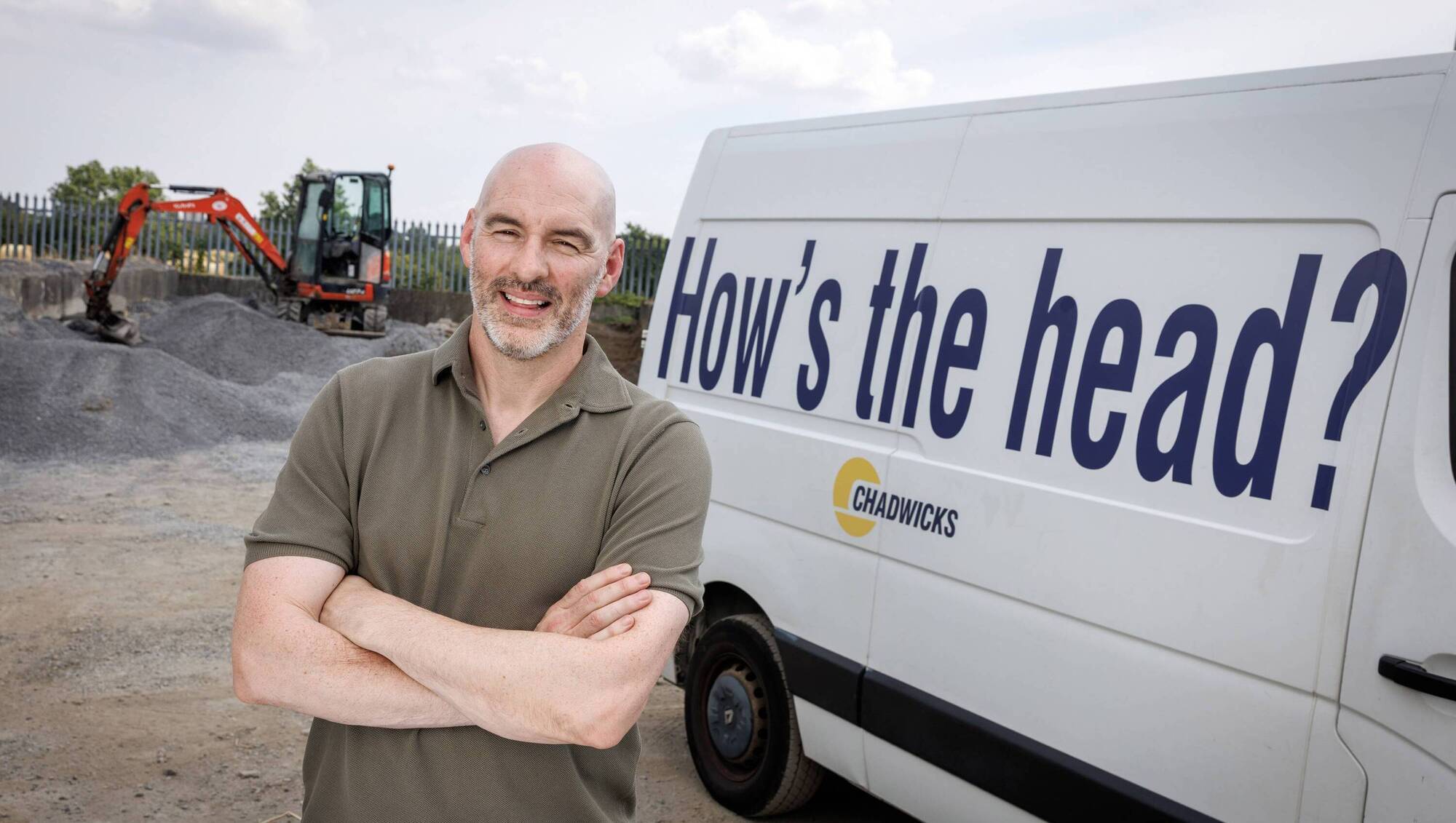
Richie Sadlier promoting the How's the Head? campaign, aimed at raising awareness of mental health among tradespeople and those in the broader construction industry

Richie Sadlier promoting the How's the Head? campaign, aimed at raising awareness of mental health among tradespeople and those in the broader construction industry

For former Republic of Ireland soccer international, Richie Sadlier, football and construction have much in common. Both have traditionally been male-dominated professions where machismo has been encouraged, and where talking about your deepest emotions has been frowned upon.

“A lot of the cultural elements in this business, whether to talk or not to talk and what the costs of talking are, are similar to the world of professional football that I was in,” says the 47-year-old. “So I’m really drawn to conversations about the obstacles we need to overcome and why they are there in the first place.”

With that in mind, Sadlier has teamed up with builders’ providers Chadwick’s to promote How’s the Head?, a campaign aimed at raising awareness of mental health among tradespeople and those in the broader construction industry.

Sadlier has been through his own tough times. As a young professional at Millwall, he found it hard to express himself off the pitch, often using alcohol as a mental crutch. He quit drinking in 2011 and has spoken frequently about feeling low and lost post-football. Rather than dwelling on those feelings and doing nothing about them, Sadlier went into therapy and learned they were “all normal, healthy emotional reactions to what [he] went through”. Instead of turning those emotions into an enemy, he leaned into them and trained to become a psychotherapist.

“I’m now in a lovely place in my life where I go to AA meetings where I can talk openly,” he says. “I have a great wife and friends I can talk to.”

Sadlier says a campaign like How’s the Head? would have been most welcome when he was playing football and could have at least “nudged [him] into focussing a little more on how to improve [his] mindset”.

“What How’s the Head? does really well is normalise mental health,” says the RTÉ pundit. “A conversation about your mental health doesn’t have to be me telling you the heaviest stuff I’m going through or my deepest thoughts. ‘How’s the head?’ is a breezy phrase we all use and it’s about having a conversation.”

Results from Chadwick’s survey released to support the campaign lend weight to that idea. Of the tradespeople surveyed, 81% agreed a quick chat with someone during the day has a positive impact, and 83% agreed staying connected with friends and family was important for their overall wellbeing. However, given almost half of the respondents said they spend at least four hours of a typical working day alone, making that connection can sometimes be tricky.

“I’m very fortunate that I have a long list of people I can call for a cup of tea,” says Sadlier. “Not everyone has that. So getting the message out to those lads that there are real benefits to taking action is really important.”

Taking that action proved to be life-changing for electrician Jonny Fitzpatrick. The 28-year-old from Co Down eagerly began his apprenticeship straight out of school, but within months he began to notice he wasn’t making the same progress as others.

Electrician Jonny Fitzpatrick: "I’m still on medication and also go to counselling and it’s the best thing I’ve ever done"

“The others were flying it,” he says. “So it got into my head that maybe I wasn’t good enough. Self-doubt began to creep in but I didn’t want to talk about it. I soldiered on, but it began to snowball and it got to the point where I was looking in the mirror and telling the person on the other side that I hated them.”

One sleepless night turned into months of insomnia as negative thoughts raced through his mind and kept him awake.

“Then, of course, all the doubts I had became reality because I wasn’t sleeping. The boss started seeing it and asking me what was wrong, and me being a man, I brushed it off and said nothing. I began to ring in sick, telling them I had a cold or a flu, anything to avoid telling them what was going on.”

Fitzpatrick’s only relief from insomnia came when he put a pillow over his head and cried himself to sleep. One night his mother heard him. They spoke and eventually agreed he would write a letter to his boss.

“I ended up with a full three pages and felt good after that,” Fitzpatrick says. “But for three months, I couldn’t hand that man that letter.

“One day I lost it on site. I broke down and locked myself in the toilets crying. I drove up to my boss’s house that evening expecting to get a bollocking from him. I handed him the three bits of paper, and while he was reading them, I just stared at the ground for what felt like an eternity. The last thing I expected was to look back up and see him crying his eyes out. That was the first time I opened up to anybody in construction.”

As it turned out, his boss’s wife was a GP and she managed to find him an appointment to see a mental health specialist the very next day.

“I was eventually put on my first course of tablets for depression and anxiety aged 19,” says Fitzpatrick. “I’ve been dealing with it ever since. I’m still on medication to this day and I also go to counselling and it’s the best thing I’ve ever done.”

Fitzpatrick has been helped in his journey by Lighthouse, a UK-based charity that also operates in Ireland and has, for 70 years, offered free emotional, physical and financial support for construction workers and their families.


“The industry I’m in is very male-dominated, and there’s a stigma around mental health,” says Jonny. “Men don’t cry. I never had a role model in my life that did.

“I never saw sadness, and so you had this idea that it wasn’t normal. But it is normal.

“Lighthouse have been brilliant. I’m going through counselling with them at the moment and I have a monthly debrief with them to see if there’s anything else I need.”

Jonny also advocates on their behalf, acting as an ambassador and speaking at workshops where he encourages other men in the industry to talk or seek help. He now looks back at the 18-year-old apprentice he once was and begs him not to be so hard on himself.

“Everyone is going on their own journey; you’re not going to know everything straight away,” he says. “So ask as many questions as you can and if you’re ever in doubt, don’t have self-doubt.

“And if you are struggling, ask for help. It will be the hardest thing you ever do, but the best thing you ever do. If I hadn’t asked for help, I wouldn’t be talking to you now.”

x

More in this section

Lifestyle

Newsletter

Eat better, live well and stay inspired with the Irish Examiner’s food, health, entertainment, travel and lifestyle coverage. Delivered to your inbox every Friday morning.

Cookie Policy Privacy Policy Brand Safety FAQ Help Contact Us Terms and Conditions

© Examiner Echo Group Limited