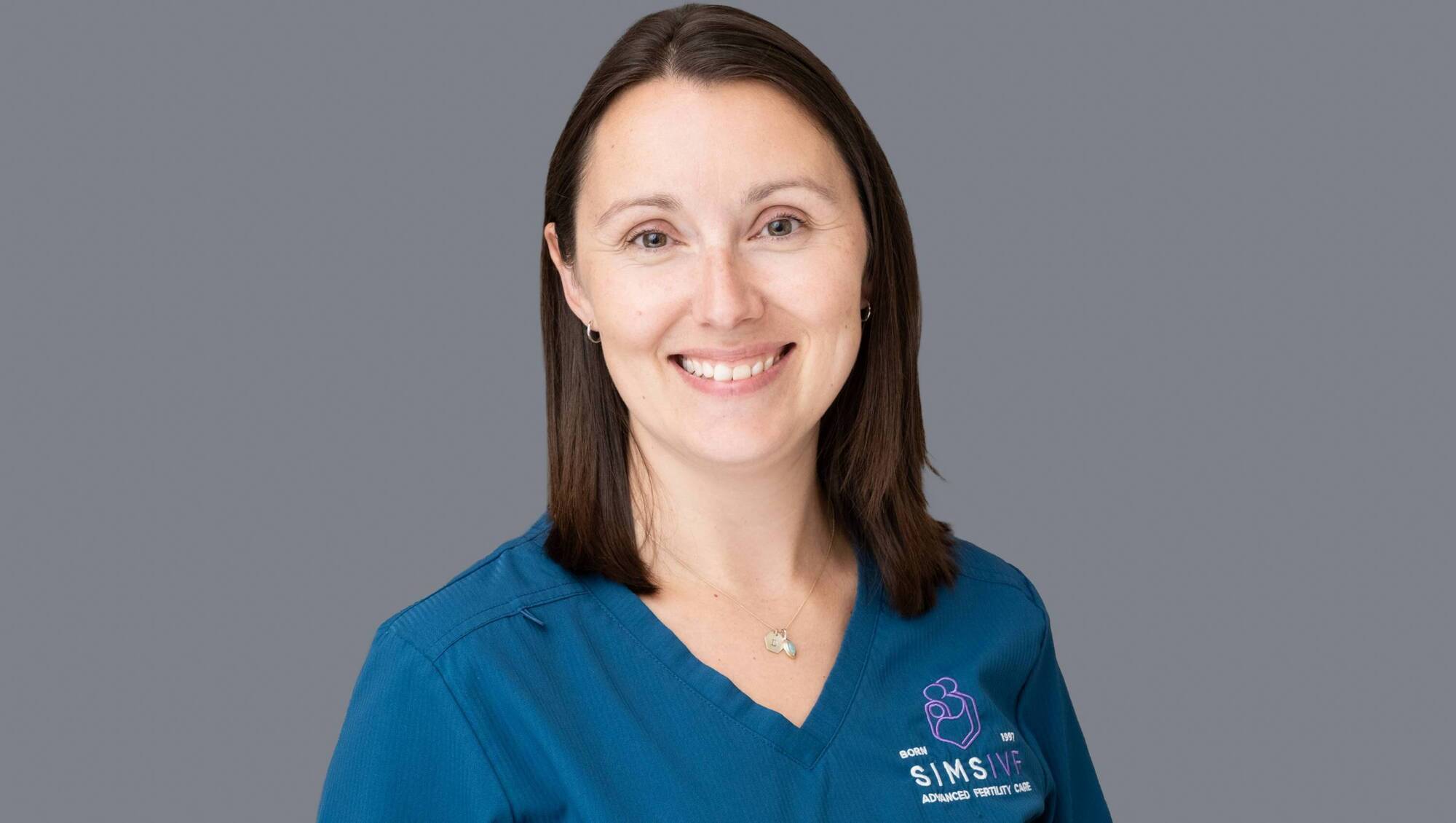
Working Life: Patients send us photos of the babies born after treatment — that is very rewarding
Sarah Pace, laboratory manager and senior clinical embryologist, SIMS IVF Cork Clinic.
“During my final year studying biochemistry at a British university, I completed a research project on sperm and sperm motility, and it introduced me to the world of reproductive medicine. It inspired me to do a doctorate focused on female reproduction, specifically examining how maternal age affects chromosome division in eggs.
“After completing my PhD, my first job was in a fertility clinic in Leeds where I began training as an embryologist — the person who helps create and manage embryos during fertility treatment and is also responsible for selecting the best ones to transfer for pregnancy or freezing. After gaining experience in several British clinics, I moved to Dublin, where I helped set up a fertility clinic called Repromed.
“I later joined Sims Fertility Clinic in Clonskeagh, where I worked as laboratory manager for six years, while also completing a BSc in quality management. My combined expertise in embryology and quality management led to my appointment as group quality manager across a number of Sims IVF clinics, with a strong focus on clinical standards, safety, and continuous improvement.
“However, my real passion is embryology, so when the lab manager role in Cork came up, I successfully applied for it. One of the most rewarding parts of my role is when patients send in photographs and videos of the babies born following treatment at our clinic.
“Some patients stay with you. I remember an oncology patient in Dublin who had to make last-minute arrangements to freeze sperm after he was diagnosed with cancer. Thankfully, he recovered and returned with his partner for treatment. After several unsuccessful cycles, they eventually had a baby. They brought him in to meet us, and it was incredibly special to see that journey come full circle.
“In the 20 years since I started in the field, one of the most significant developments I’ve seen has been preimplantation genetic testing. PGT is a lab test used during IVF to screen embryos for certain genetic or chromosomal conditions before transfer into the uterus. It helps doctors select embryos with the best chance of developing into a healthy pregnancy.
“I can really empathise with patients who come to us because I have experienced IVF treatment myself and understand the emotional challenges, uncertainty, and waiting that often accompany the journey to parenthood.”