Riverdance yourself fit: Why Irish dancing is gaining popularity for its health benefits
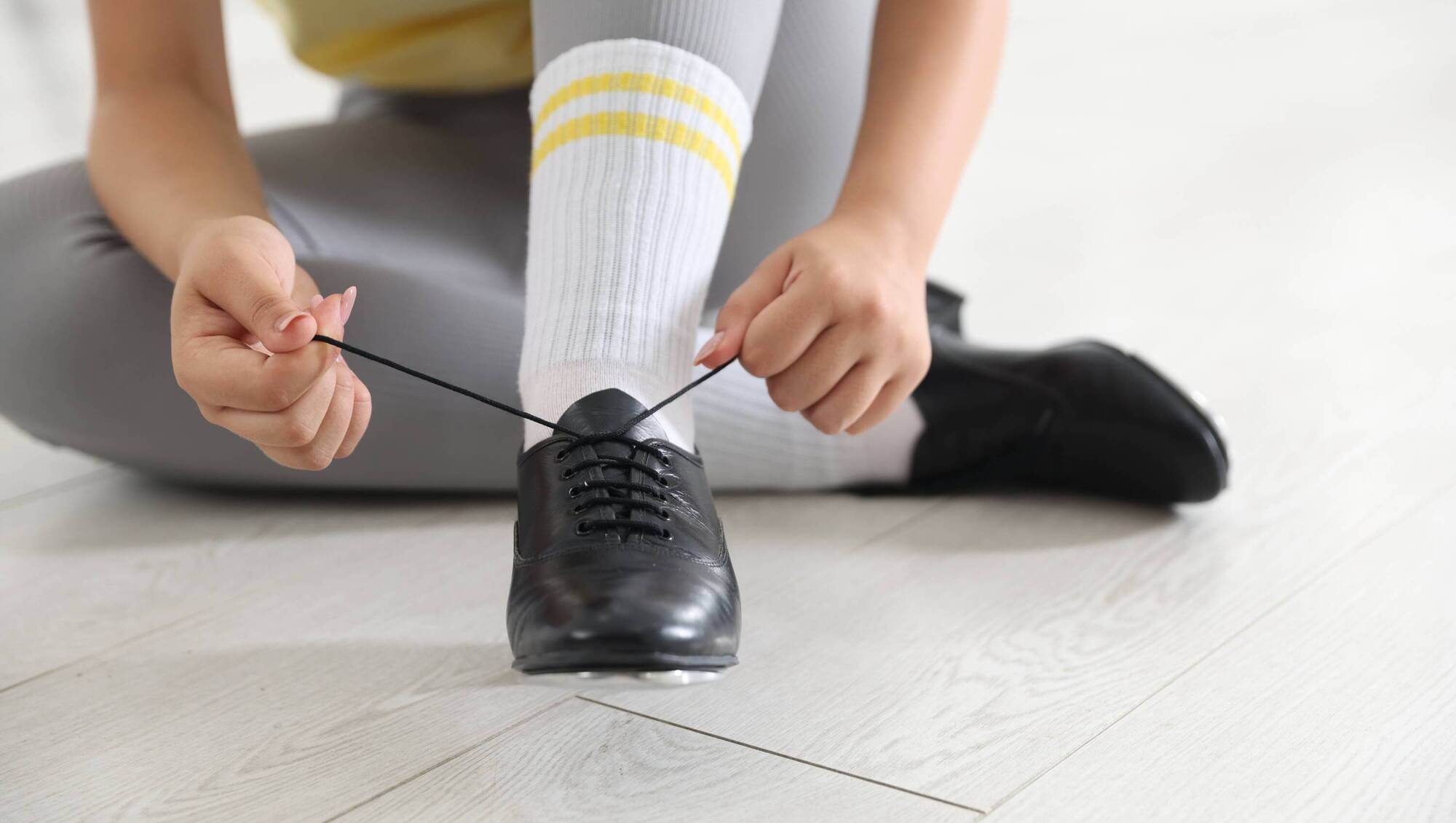
Tara Maher has found herself back in dance classes in her late 20s. Picture: iStock
The first time I heard “hAon, dó, trí” it was barked across a school hall when I was in junior infants. Back then, I viewed it as another educational formality like reading and homework.
Fast forward to my late 20s, and since the start of the year, I’ve found myself back at Irish dancing lessons. Ironically, Tuesdays are my favourite night of the week.
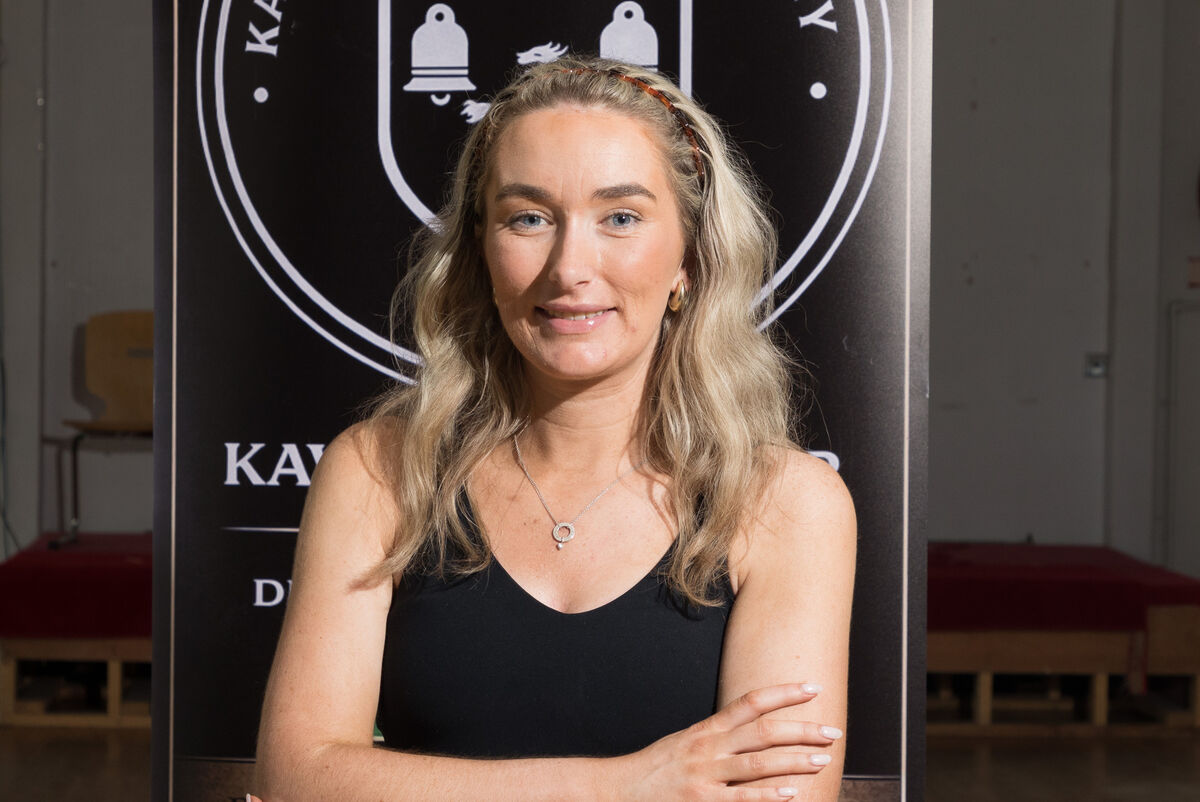
In my teens, Irish dancing became an art I enjoyed from a distance. I would watch Riverdance, in awe of how tall they stood, and how strong their legs looked, yet when the music began, their feet moved so delicately. This fascination led to a reverie about performing on stage in my very own batter shoes in a custom glittery dress and a red lip, but I never had the courage to actually start.
It’s common for teenage girls to call it a day on their favourite sports and pastimes. By 16, friends who’d danced for years were hanging up their hard shoes, the Leaving Cert was looming, and there was an unspoken rule that starting something new at that age was out of the question.
In recent years, Ireland has seen a loud resurgence in adult engagement with traditional culture, from the language and music to dance. Influencer Molly-Mae Hague was spotted learning a jig on her Amazon Prime docuseries, sparking an increase across Britain practically overnight.
The heightened interest in Irish culture has gone hand in hand with our newfound need for movement. Running clubs have become the most visible symbol of our desire to move, but adult Irish dancing is also beginning to enjoy its own quiet renaissance.
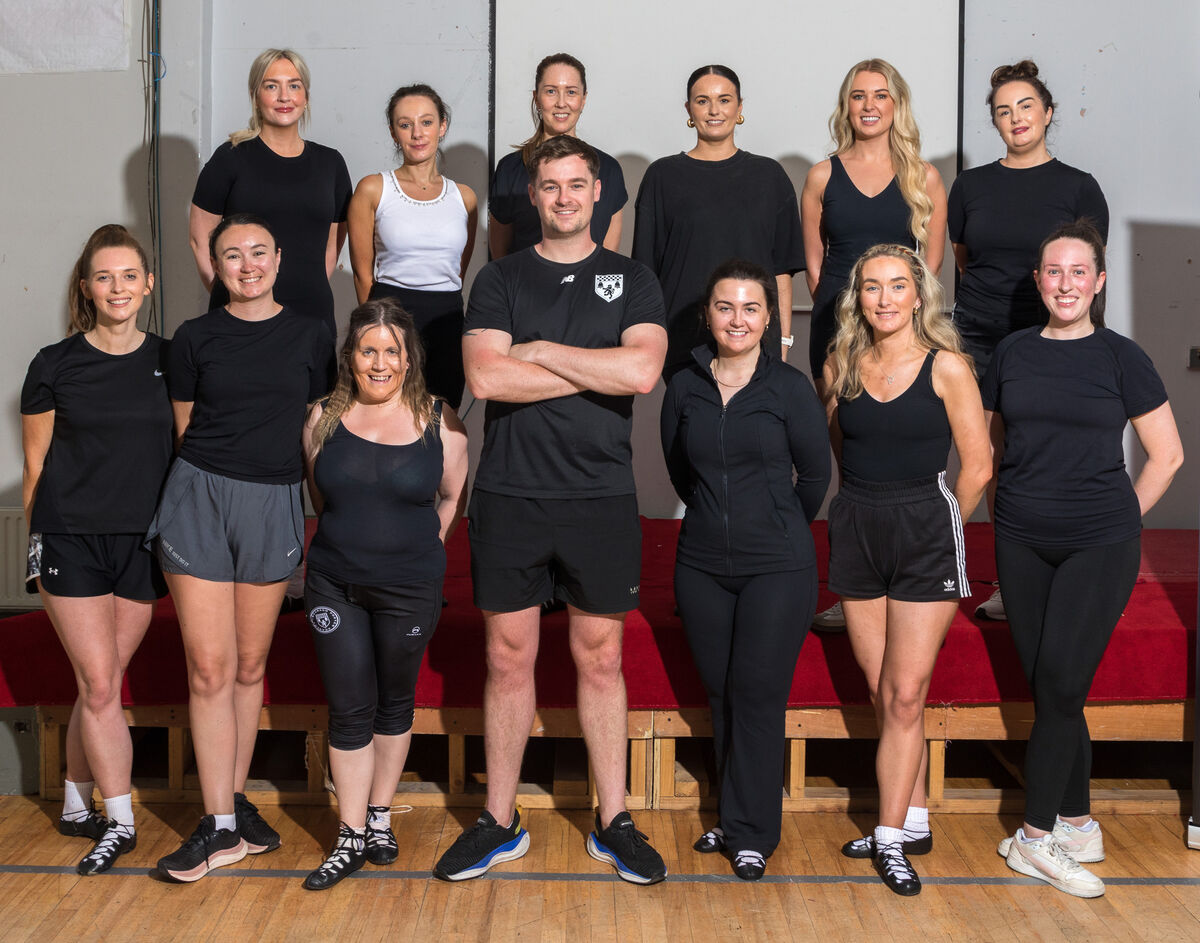
Kiely reached out to Dillon Redmond, who had recently passed his TCRG exams, qualifying him as an Irish dance teacher. He had just launched the Kavanagh Porter Academy of Irish Dance in Cork, where he teaches children. Adult classes had been on his radar eventually but a message from Kiely accelerated the plan.
“She was really adamant on getting something going, so I said, ‘ Why not?’,” says Redmond. “She did all the heavy lifting on social media, and I sourced a location, found a time, and set up a booking system.”
I always thought enjoyment in sport had to be earned through success. I’d captained soccer teams, won trophies, chased medals. Starting dance classes meant accepting I’d be a beginner again, and I worried my precious ego couldn’t handle that.
I almost didn’t go to that first class. Familiar feelings of self-doubt began. What if I’m terrible? What if I don’t make any friends? But I pushed myself and went anyway. I was one of 35 women who showed up, and I wasn’t the only one to go on my own.
From talking to others in the class, I learned that most of us initially worried about struggling to learn the steps. But, truth be told, we’ve all been too busy watching our own feet to notice anyone else’s mistakes. Within a few months, we’ve graduated from the beginner jig to the early stages of the St Patrick’s Day reel. Progress like that, in week one, seemed completely out of reach.
“Dancing is huge for fitness and mobility,” Redmond says. “But it’s also huge for mental wellbeing, getting out, socialising, doing something for yourself. You see adults coming every week, absolutely loving it, keeping fit, and making friends. They’re flying it, and some of them only started in January.”
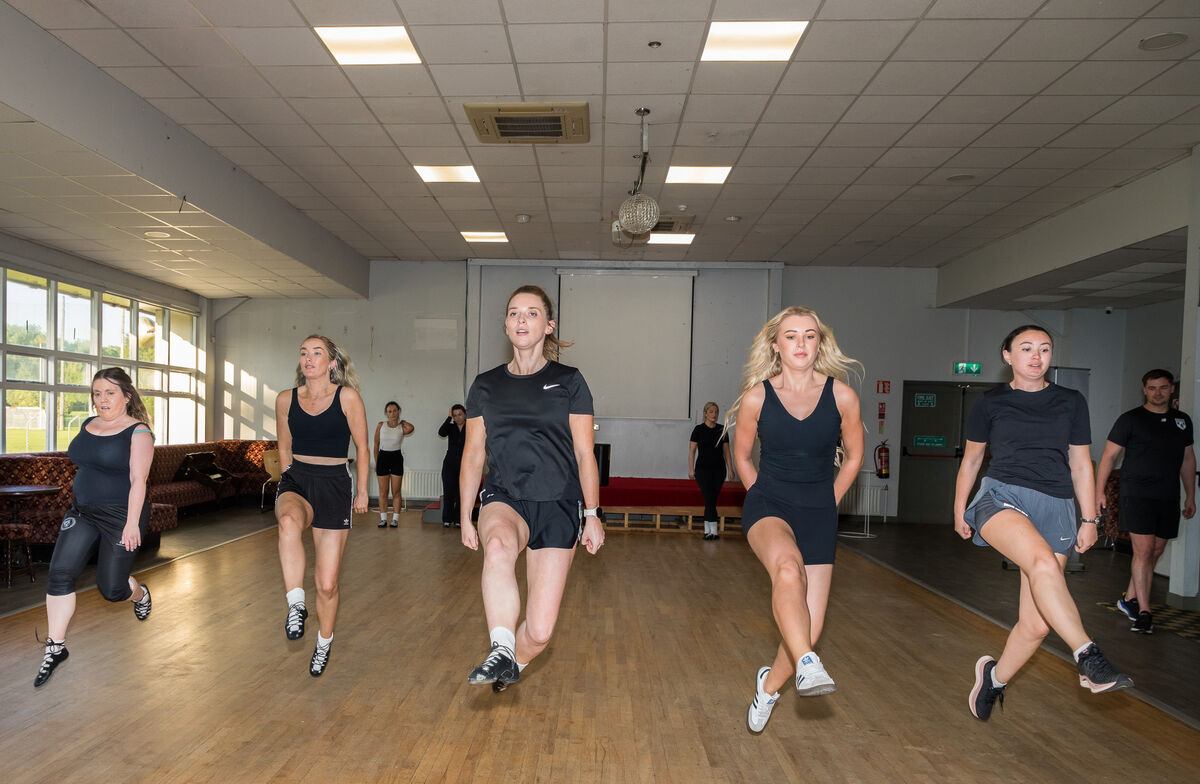
Picking up such a rambunctious activity like Irish dancing as you get older means the fear of injury is never too far away. Decorated Irish dancer and physiotherapist Áine Finnan is one of the women who regularly attends the adult dance classes in Ballincollig.
“The most common injuries are to the ankle and foot,” she says. “Unlike ballet, Irish dancers land on an extended knee and pointed toe, which increases the force those joints have to absorb.”
Sprains, shin splints, and stress fractures are the most common injuries to watch for. Building strength progressively from the core down, warming up properly, cooling down, and respecting your body’s signals early on are pivotal to avoiding serious injury.
The long-term benefits, she adds, are highly valuable. Irish dancing builds cardiovascular stamina and improves proprioception and reaction time. It is particularly effective at building bone density, especially important for women post-menopause and for defending against osteopenia and osteoporosis.
I am now nearly six months in, and I can say without hesitation that starting was the best decision I’ve made in years. I’m fitter, more confident, and I have yet to leave a class without a smile on my face. Perfection has never been a priority for the class, and we laugh as much in the hour as we dance.
My enjoyment is no longer defined by medals, but by hop-two-threes and the women I would never have met if I had let the fear win before the first class in January.
There’s something uniquely rewarding about learning together as adults. We have been equally lost, equally determined, and equally delighted when a step finally clicks.
The dream of standing on a feis stage wearing a custom glittery dress is still there, just not as prominent in my mind. I know now that the real prize was never a medal or a trophy. It was the proof that it’s never too late to begin, that growth doesn’t require perfection, just effort.
Importantly, some of the most unexpected joys are found when you walk into a room full of strangers and just start dancing.
CONNECT WITH US TODAY



Be the first to know the latest news and updates