The nutrition and exercise tips to live well with Parkinson's
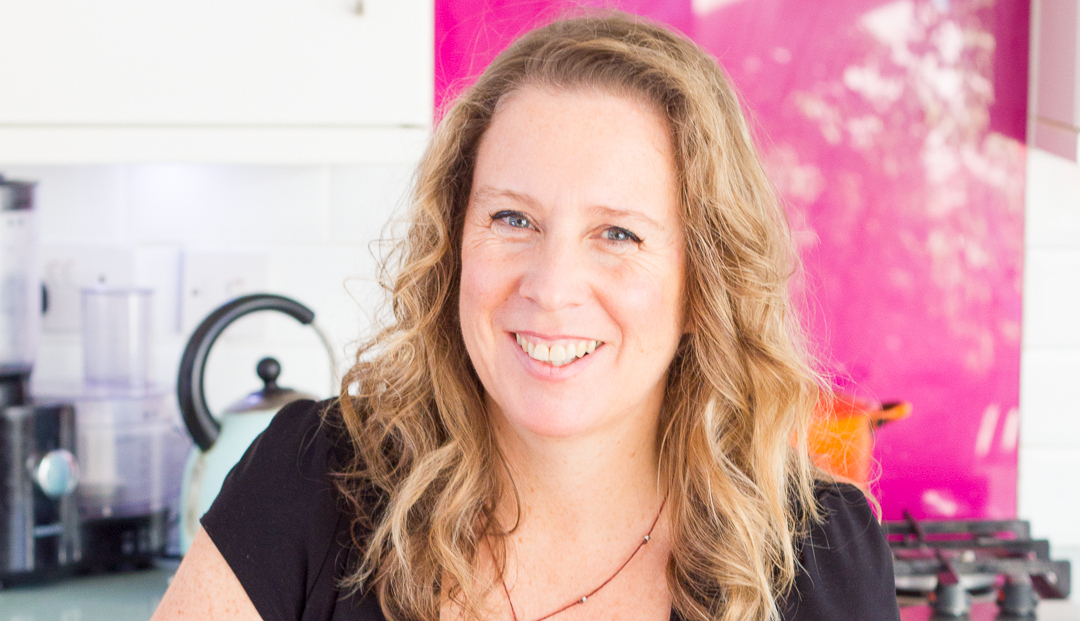
Qi Gong teacher and shiatsu practitioner Joanne Faulkner. Picture: Patrick Bridgeman
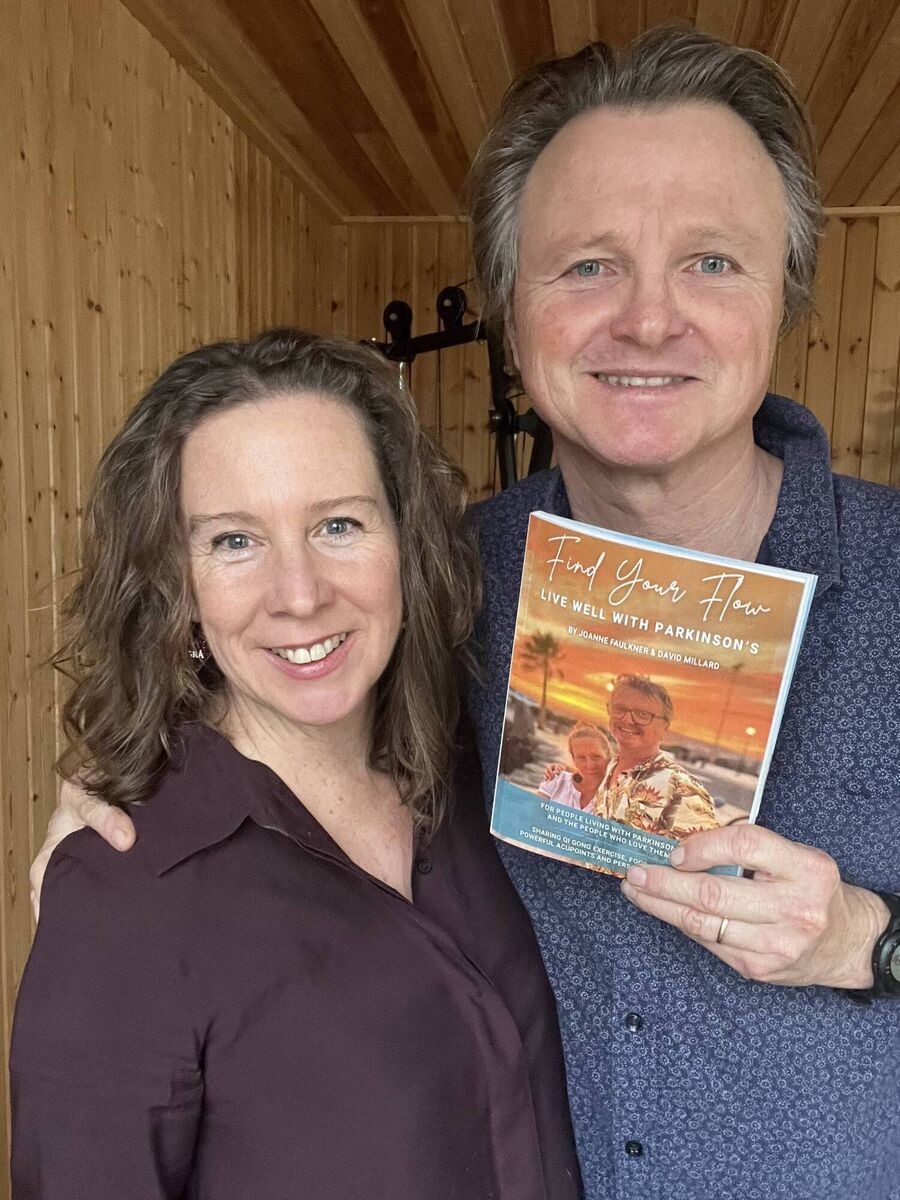
is the third self-published book from Dublin-based Qi Gong teacher and shiatsu practitioner, Joanne Faulkner. Both of her previous cookbooks — Shiatsu & the Art of Conscious Cooking and Good Food: Better Sex — include a mixture of recipes, traditional Chinese medicine, and acupressure points for health and wellbeing. While her latest book includes all of these, it has the subtitle Live Well with Parkinson’s and Faulkner wasn’t writing alone, but with her husband, David Millard.
“Davy was my inspiration,” says Faulkner on a morning call with Feelgood. Millard, who is also on the line for our conversation, was diagnosed with Parkinson’s in 2016, when he was 47.
A progressive neurological condition, Parkinson’s is a movement disorder with motor symptoms (tremor, slowness of movement, and impaired balance) and non-motor, secondary symptoms (anxiety, bladder and bowel problems, fatigue, and sleep difficulties). Not everybody experiences the same type or intensity of symptoms, but there are treatments and medication.
Faulkner and Millard point out at the start of that the recipes and recommendations are not a substitute for professional medical healthcare, but a complement, and that the information in their book “should not be considered medical advice”.
For Millard, who retired from his job as a regional development officer at Bord Iascaigh Mhara last year, life with Parkinson’s is a balancing act, but, as he says, “It is a life sentence, not a death sentence.”
Faulkner adds that her husband “lives really well,” because they address secondary symptoms, such as balance, slowness, insomnia and constipation.
The right food is essential to nourish and balance the body. Faulkner says: “Davy takes medication six times a day and if your gut is not in good shape, if your digestion is not in good shape, the medicine does not work as well.
Faulkner includes simple recipes for fresh, nourishing salads, bone broth (a good source of glycine, a vital amino acid that works as a neurotransmitter and has an impact on motor skills), olive tapenade (made from probiotic fermented olives), and lettuce tea, an infusion that may have a soporific effect and help with insomnia.
“Things to avoid are refined sugars and refined carbs, especially the refined sugars, as they cause inflammation in the body and stagnation around the joints and problems with the joints,” says Faulkner.
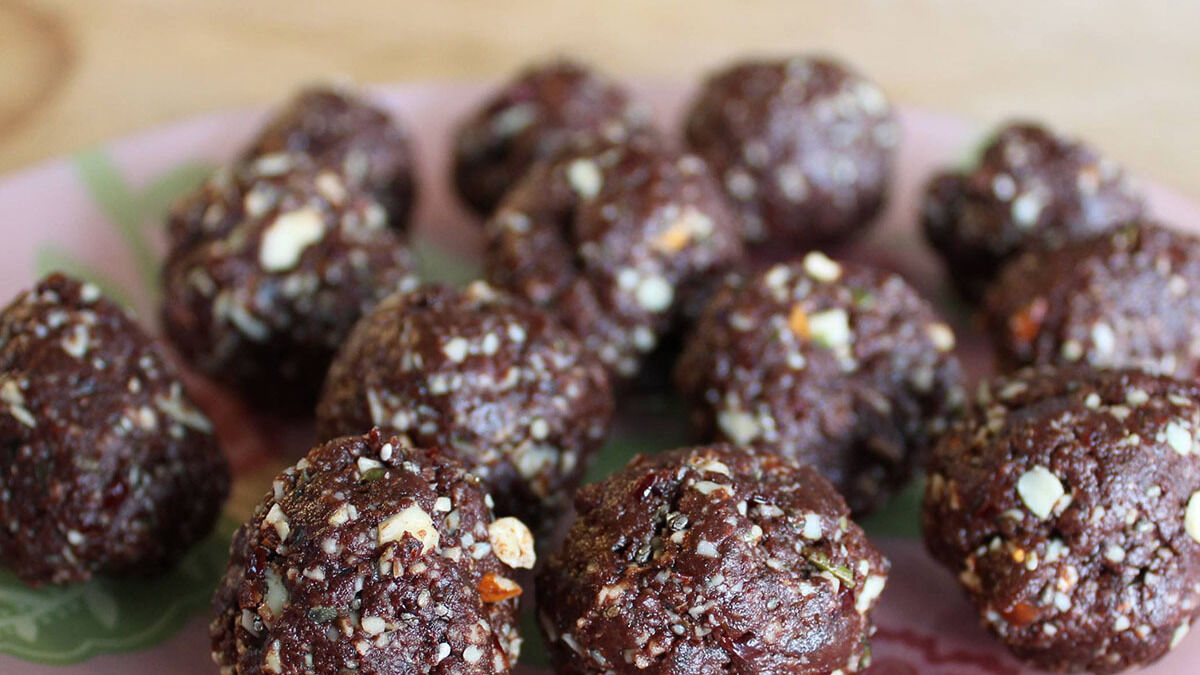
“These days, there are quite a lot of sugar-free alternatives. In the book, I’ve got a recipe for [raw chocolate seed bombs] and you can get lots of different versions of those in the supermarket.”
Eating late at night must be avoided, she says, “because the liver is the big detox organ and it needs a break. And the other thing is no alcohol.”
“It’s a big one,” says Millard, slightly mournfully, “because I do like my booze. I don’t really drink any more, although I did have a couple of glasses at the book launch. But I try to avoid it as much as possible.”
In , Millard describes how alcohol was slowing him down, “like wading through thick mud until I was completely stuck… Cutting back has helped me stay lighter, clearer, and more in control of my steps.”
Other chapters in the book focus on gentle exercise, acupressure, and community. As a Shiatsu practitioner, Faulkner trained in Qi Gong — a traditional Chinese practice of gentle exercise, breathing, and meditation — and it has been part of her life for the last 35 years.
It is also part of Millard’s day: He is involved in Chi Flow with Jo, the online Qi Gong class that she runs for a community of 400 people, 100 of whom attend it live from 8.20am every weekday.
Faulkner could see how Qi Gong helped Millard’s mobility, balance, and flexibility. “We just thought that we can address the other secondary conditions,” says Faulkner.
“Some of those would be the physical ones, obviously, of balance, constipation, and urinary tract infections.”
Insomnia is “a big one,” she adds. Millard once had to be hospitalised as a result of not sleeping. “We started to address this with Qi Gong. I said, ‘Look, why not do some Qi Gong with me? Why not try this?’”
Almost 10 years later, the ancient Chinese practice is a part of Millard’s daily routine. Along with the morning class, “I still do my practice every night,” he says. “I do a few Qi Gong moves before I get into bed [to help me sleep] and it works.”
Using Faulkner’s expertise and Millard’s lived experience of Parkinson’s, the couple wrote together to help others in a similar situation.
“It’s a good mix of us,” says Faulkner, who describes them as “a big yin-yang couple. Davy is very calm and patient, and I’m much more kind of yang, fiery, incredibly driven. And that’s a good mix.”
For anyone who has been newly diagnosed or has a Parkinson’s diagnosis, Millard offers some simple advice. “Eat more vegetables. Just go to the supermarket and buy some strange vegetables and put them in your diet. More olive oil. More fish.”
“It is that Mediterranean-style diet, with plenty of good oils,” adds Faulkner.
Both Millard and Faulkner emphasise the importance of community, in person and online. “So often, when you’re diagnosed, you can kind of hide yourself away and you don’t want to be seen, but reach out to the Parkinson’s organisations and join a community like Parkinson’s Ireland,” she says. “Don’t feel alone.”
Raw Chocolate Seed Bombs
These no refined sugar snacks, are super easy to make and full of power protein for low energy days.
Preparation Time
35 minsTotal Time
35 minsCourse
DessertIngredients
2 tablespoons ground pumpkin seeds
1 tablespoon cranberries or raisins soaked in apple or orange juice
1 tablespoon dates
1 tablespoon whole almonds
2 teaspoon chia seeds
5 tablespoons ground almonds
2 tablespoons raw cacao powder
1 tablespoon maple syrup (or alternative)
½ teaspoon vanilla extract
2 tsp coconut oil
Method
Blitz the pumpkin seeds, cranberries, dates and whole almonds in a food processor for a few seconds.
Leave the almonds with a little bit of bite. Then add the chia, almonds, cacao, maple syrup, vanilla extract and coconut oil.
Blend again until combined to a paste but still chunky.
Wet your hands, then scoop out a teaspoon of the mixture and roll it into a ball between your palms.
Place the balls in the fridge for about 30 minutes until they are firm and set.
From Find Your Flow: Live Well With Parkinson’s by Joanne Faulkner and David Millard.
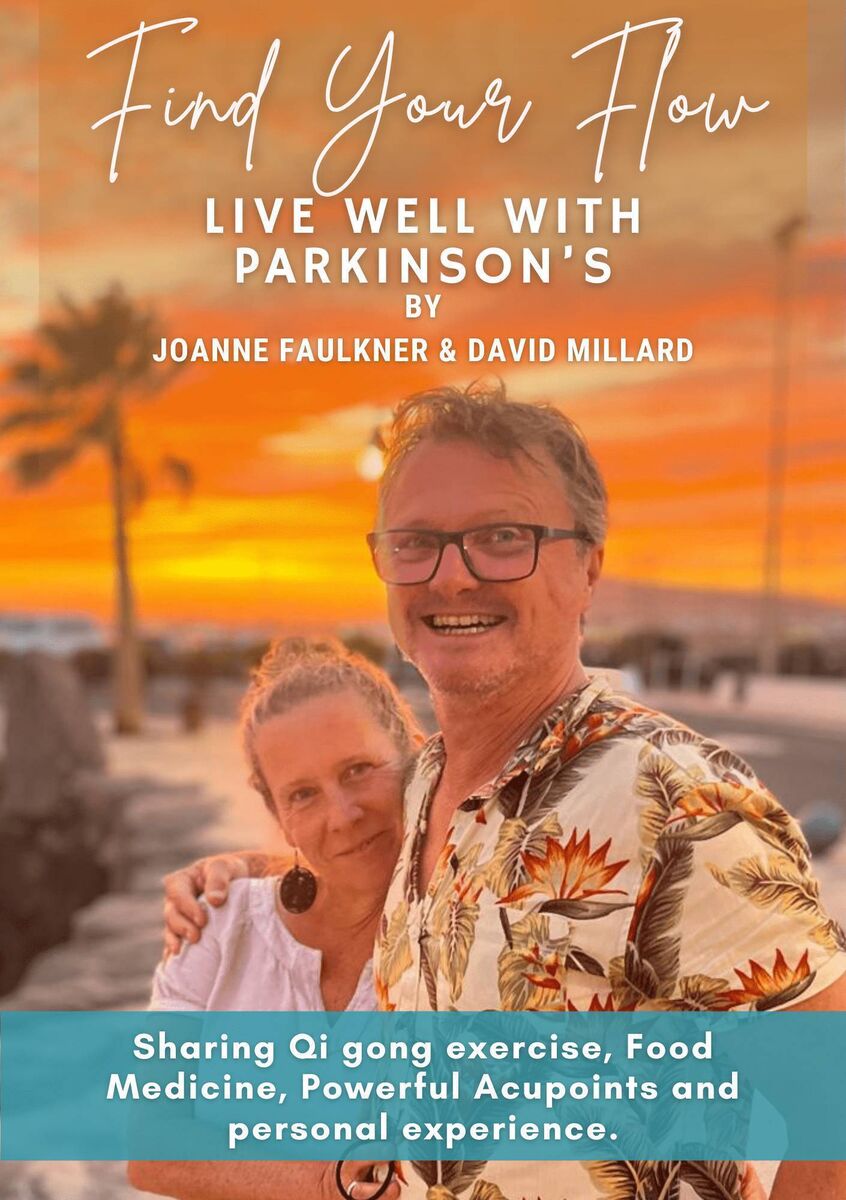
- ‘Find Your Flow: Live Well With Parkinson’s’, by Joanne Faulkner and David Millard (€15.99, plus p&p), is available at joannefaulkner.ie


CONNECT WITH US TODAY



Be the first to know the latest news and updates