Is 'microdosing' weight-loss drugs safe? Here's what the experts say
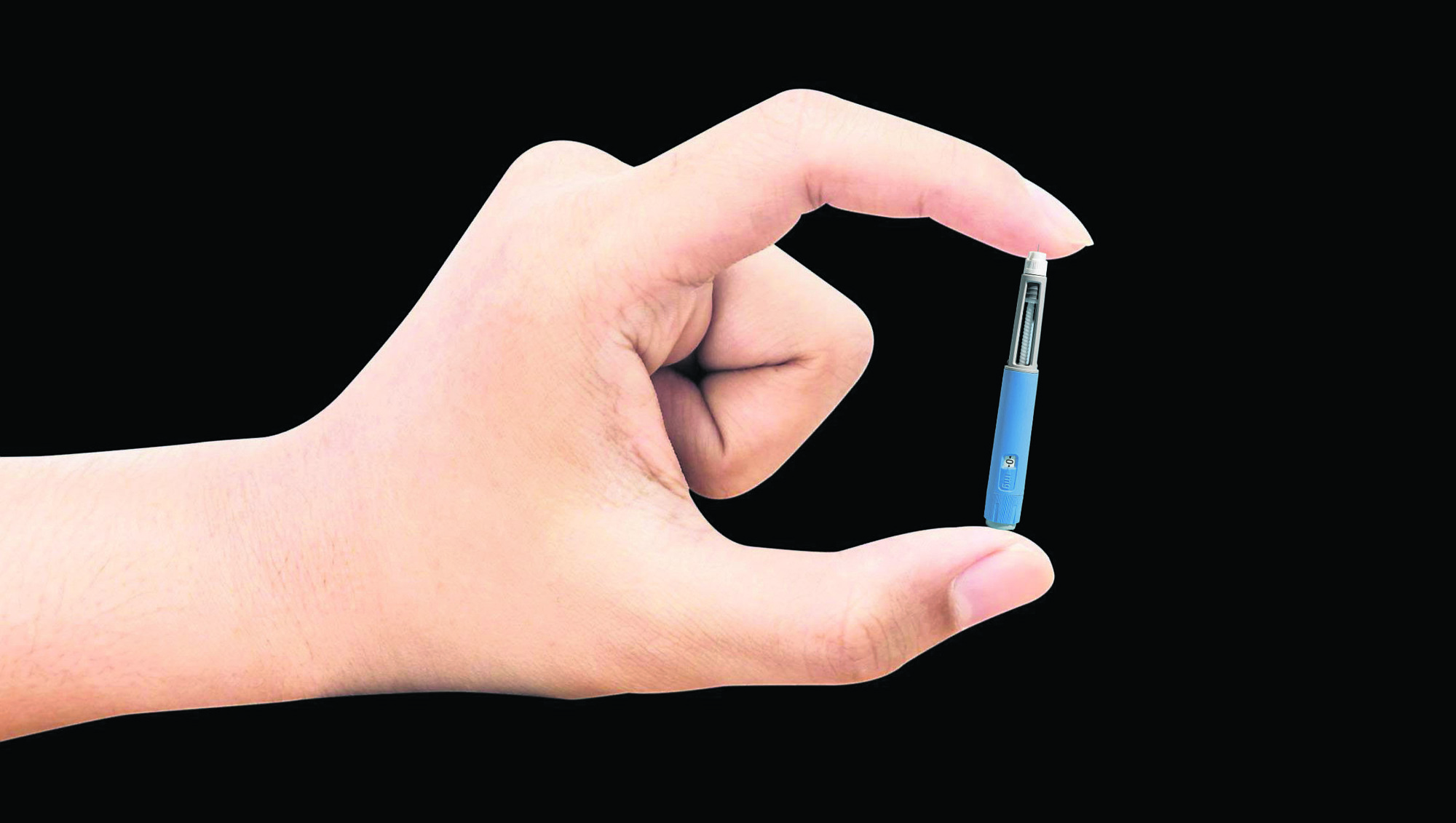
Anna* (54) has been microdosing a GLP-1 for two years. She has shed 18% of her weight and her body mass index has shifted from the ‘overweight’ to the ‘healthy weight’ category.
“I was carrying a lot of extra weight for my frame and nothing I tried shifted it,” she says. “I went to a personal trainer twice a week for two years, improved my diet, got in plenty of daily steps, but the number on the scales just kept creeping up. My joints were stiff and painful sometimes and, to be perfectly honest, the way I looked was really affecting my mental health.
“I started on a 0.25mg dose of semaglutide in January 2024 and lost weight from that very first dose. I’d come across microdosing on a podcast, so my plan was to stay on that starting dose for as long as possible. It worked and I continued to lose around 1lbs to 2lbs a week until the end of last year, when the weight loss levelled off. I’ve had no side effects whatsoever, and I’m happily in maintenance now. I did increase the dose over time, but only to 0.5mg, so cost hasn’t been an issue (around €570 per year). Microdosing has been a gamechanger for me.”
Microdosing of GLP-1s can be traced to the US circa 2023, when an explosion in demand for the drug caused shortages. That, along with the prohibitive cost, encouraged users to ‘count clicks’ on the pre-loaded pens, enabling them to administer lower, customised doses of the medication than would be prescribed.
What began as a dose-stretching strategy quickly morphed into a zeitgeisty trend, and if you search the hashtag on TikTok or Instagram today, you’ll find countless posts on microdosing GLP-1s. It’s touted as a way to lose weight, quieten food noise, lessen autoimmune symptoms, improve sleep, eliminate cravings, and sharpen mental clarity — and it’s no longer niche.
A recent US survey of 60,000 people taking injectable GLP-1 medication found that one in seven were microdosing. The most common reasons were cost, weight maintenance, and increased tolerance of side effects. Worryingly, the research also found that one-third of people were making dosing decisions themselves, with no guidance from a provider.
“Microdosing is not a medical term,” says Dr Mick Crotty, the GP lead for obesity with the Irish College of GPs. “It’s more of an Instagram, social-media term, and depending on where you look, it has different connotations.”
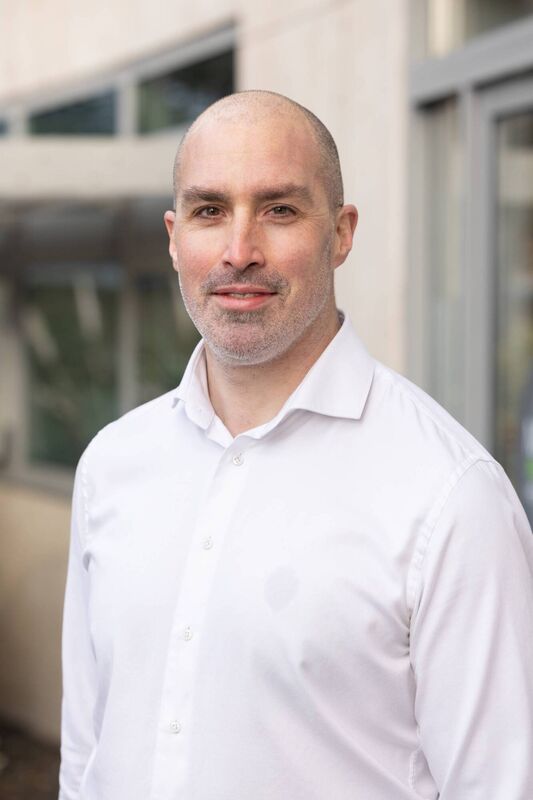
Microdosing is “using smaller doses than have been recommended, or different dosing schedules to what have been published by the pharmaceutical industry, as the licensed dose,” says consultant endocrinologist and specialist in obesity, Professor Donal O’Shea.
A microdosing of sorts has long been used in clinical practice. While the protocol for injectable weight-loss medications specifies consistent increases in dose, many obesity specialists eschew this in favour of treatment that’s tailored to the individual.
“I’ll have people coming to me talking about microdosing medications,” says Crotty. “I microdose medication with everybody, but I just don’t call it that, because it’s not a medical term. We start with a low dose and we use the lowest possible dose to get the response that somebody requires.”
That response is individual and is not necessarily weight loss. “Response can be weight change, it can be change in waist circumference or body composition (the ratio of fat mass to lean mass),” Crotty says. “It can be change in metabolic health, physical function, food noise, psychological health, and wellbeing.”
The term ‘micro-dose’ is a misnomer, for Crotty. “We don’t micro-dose antibiotics, we don’t micro-dose statins, we don’t micro-dose anti-hypertensive medications. We give low doses and the lowest possible dose, and that’s what we should be doing with GLP-1 and obesity-management medications.”
Some people get very sick on the starting dose of a GLP-1 (which varies depending on the brand), and a reduced dose or starting on a lower dose can help some of that cohort tolerate the medication better, says O’Shea. “We don’t necessarily dose-escalate to the licensed dose if the patient is responding [effectively],” he says. “I think, as we get more experience with these drugs, we will realise that, for some people, different dosing, different doses, and different dosing schedules are appropriate. But for the majority, we’ll continue using the drug at the dose and dosing schedule that has been shown to be effective.”
Anna got her prescription through an online provider and was required to submit information about her weight, height, and age, along with a full-length photo in fitted clothing. She says: “I didn’t lie about any information, but I can see how somebody could do so relatively easily. I think the fact that I’ve got significant results at such a low dose shows how powerful these drugs are, and taking them without medical supervision probably isn’t wise.”
“That said, I have no regrets. From day one, the outcome I wanted was to get back to a normal weight, be healthy and happy, and I’ve achieved that. My joint pain is gone on this drug, and my headspace is no longer taken up with self-loathing and feeling rubbish. I eat plenty of protein, lots of veg, and strength-train three times a week, but women my age should be doing that anyway.”
The microdosing trend and the fact that these drugs are easy to access online by people who may not meet the clinical guidelines for obesity medication have muddied the waters around the use of GLP-1s.
“These are obesity treatments,” says O’Shea, “not weight-loss drugs.”

Obesity care is focused on health, Crotty says. “It’s focused on wellbeing. It’s somebody living with obesity. It’s not about size or weight, it’s about impairment of health versus the cultural desire to be lean and thin, which is not health-focused. [Diet culture] is focused on aesthetics and size. And the challenge is these two things can overlap.”
A scroll through the comments under social-media posts on microdosing suggests a large proportion of perimenopausal and menopausal women are doing it to lose belly fat. Crotty says: “These are medications to treat obesity, but they’ve never been proven to be safe or effective for prevention of weight gain specifically for, let’s say, visceral adiposity [deep fat surrounding organs] in somebody who doesn’t have obesity. There isn’t good scientific evidence to show that they’re safe or effective in that space.”
Online chatter has conflated microdosing with being harmless — suggesting “it’s a little dose, or it’s not like taking a medication at all”, Crotty says. Yet, microdosing remains an unproven use of a potent prescription drug, with little evidence on safety or effectiveness.
With microdosing, “you could be talking about homeopathic doses”, O’Shea says, and “tiny doses of something are unlikely to do harm, but you just don’t know if you’re accruing the benefit or not, because the drugs haven’t been studied at those doses. I think there needs to be a lot of work done in the space of: When people have achieved the weight loss and levelled off [or] plateaued, will a lower dose work?”
It might. O’Shea cites a recent study that “you could take the drug every fortnight once you had lost weight, and that kept the weight off”.
Both Crotty and O’Shea acknowledge that the cost of obesity medications is a huge factor for people. Cost depends on the brand, prescribed dose, and pharmacy, but an internet search suggests €250–€350 per month is a ballpark average.
“There’s a tablet used in type 2 diabetes called metformin, and that’s very good at stopping weight gain,” O’Shea says. “I’d love to see a study done where people lose weight with the expensive [GLP-1] drugs, and then, when they’ve reached a target or they’ve lost the 20% that these [drugs] will give, they switch to metformin, which is cheap as chips.”
Correct information and the care a medical practitioner provides are vital components of obesity treatment. Anyone who is self-prescribing a GLP-1 is not getting that support and may encounter unforeseen consequences. Crotty has seen people in his clinic who have sourced the medication themselves and have had more side effects than they should, because they have adhered to “rigid protocols” and been unaware that ‘low and slow’ is optimum.
Many people are also unaware that while on a GLP-1, they need to be on contraception, need to avoid pregnancy, and need to stop taking the drug for a while before becoming pregnant, as it takes time to clear from a person’s system.
Also, Crotty says, “they don’t know that this is a medication they will need to take long term, and that if they take it short term and then stop it, they may end up at the same weight, but with the deterioration in body composition”, meaning while their overall weight may have reduced, their lean body mass, or muscle, has reduced disproportionately to their fat mass.
“If people don’t have that information going into it, then they can’t make an informed decision,” Crotty says. “Again, it is a conversation about why [GLP-1s] can be an effective and safe treatment, but people do need support and guidance.”
The bottom line? While anecdotal evidence suggests a clear demand for micro-dosing and that some people are getting results, there’s no clinical evidence that it is effective or safe.
“We wouldn’t go online and order chemotherapy to treat cancer,” Crotty says. “But because of the trauma and history of diet culture and people doing every miserable, restricted diet that’s out there, I suppose people are seeing [GLP-1s] in the same kind of light, that they’re a short-term intervention to lose weight. But these [medications] aren’t weight-loss injections or skinny jabs. These are treatments for obesity for long-term health.”
- *Name has been changed

CONNECT WITH US TODAY



Be the first to know the latest news and updates