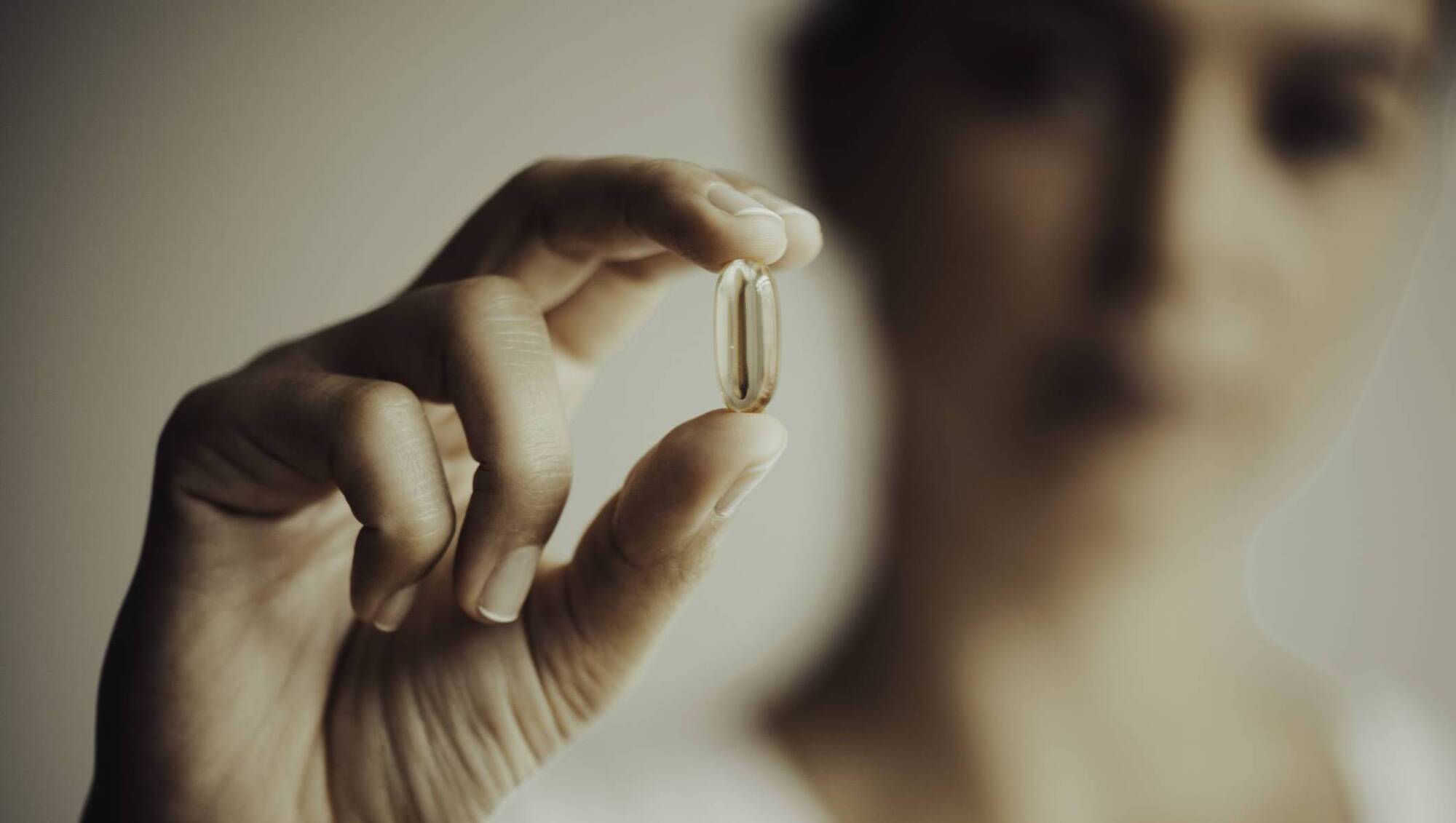
Anti-aging supplements to help keep time on your side
Lower levels of nutrients are associated with advancing frailty, muscle atrophy, and reduced physical function. Picture: iStock
: Our main source of vitamin D is sunlight, but given there’s not much of that in Ireland during the winter, and our skin’s ability to synthesise vitamin D tends to drop as we get older, the risk of deficiency is real.
The TILDA team says vitamin D is essential for bone metabolism, muscle strength, and mood. It is also essential for immune function.
In Mulligan’s new study, 34% of participants had low vitamin-D levels, and only 5% were taking vitamin-D supplements. Last year, a study involving 900 people aged 50 and over in the American Journal of Clinical Nutrition (AJCN) suggested a daily 50mcg (or 2,000 IUs) supplement of vitamin D3 taken for four years seemed to slow one of the biological mechanisms associated with ageing. Compared to a placebo, the vitamin D pill helped slow the shrinkage of telomeres — the protective caps at the ends of chromosomes — which tend to shorten as we age.
: The HSE says everyone in Ireland needs to take a vitamin-D supplement, with those aged over 13 advised to take 15mcg at least between Halloween and St Patrick’s Day, if not all year round. High-strength supplements contain up to 100mcg, so if you take one, check that you are not also getting vitamin D from other sources, such as fortified foods and multivitamins.
: Fruit and vegetables are the best sources, but a supplement can bridge the gap if you are not getting your five a day.
Vitamin C supports immune function and also helps the body to produce collagen for the healing and maintenance of healthy skin and blood vessels. It is also important for maintaining muscle health, as researchers showed in a study of 13,000 middle-aged and older men and women in . People with the highest levels of vitamin C in their diet or blood had the greatest estimated muscle mass, compared to those with the lowest levels. The vitamin helps protect cells and tissues from harmful free radicals that would otherwise accelerate muscle breakdown.
: The HSE says that adults aged 19-64 need 40mg of vitamin C per day, ideally from food. Many supplements contain higher doses. Vitamin C is water-soluble, meaning excess levels are excreted in urine, but the HSE suggests sticking to under 1,000mg a day, as too much can cause stomach pain and diarrhoea.

: Omega-3 fatty acids are the ‘good’” fats in seeds, nuts, and oily fish. They play a role in heart health, brain, and immune function. Last year, scientists at the University of Zurich asked healthy older adults to take a 1g omega-3 supplement, either with or without vitamin D and, for some, alongside a strength-training regimen, while others received a placebo. Three years later, those who had taken only the omega-3 pills had aged three months less than those who had taken a placebo. But evidence is mixed, and the paper in the AJCN found that a 1g daily capsule of omega-3 fatty acids had no clear effect on preventing telomere shortening, another sign of biological ageing.
: Studies looking at the possible anti-ageing effects of omega-3 supplementation have used dosages of 1g daily.
: Collagen is the body’s structural protein, the scaffolding that glues together tissues like bones, tendons, ligaments, cartilage, and skin. As we age, natural collagen production slows and supplements derived from animal sources, such as beef or marine collagen from fish, are said to bolster dwindling supplies and protect ageing joints.
: Most trials use doses of 2.5-10g daily of collagen. Taking collagen with 30-50g of vitamin C seems to enhance the effects.
: Creatine is a compound produced naturally in the body that is also present in red meat and seafood. It plays an important role in cell regulation and in the regeneration of adenosine triphosphate (ATP), the compound that provides cells with the energy they need to function.
Studies, including one in the journal , have shown that combining creatine intake with resistance training delivers positive results for older adults who want to offset age-related muscle loss or sarcopenia. It is also gaining a reputation as a cognitive aid for midlifers, although the European Food and Safety Authority (EFSA) rejected claims that creatine may improve cognition.
: Safe doses of creatine are considered to be in the 3-5g daily range.
: A vitamin needed for healthy blood and nerve function, B12 also helps break down homocysteine, a protein linked to an increased risk of heart disease and stroke.
You will find it in animal products, such as meat, fish, dairy, and eggs, and in some fortified foods, such as cereals and plant milks, but there are no natural plant-based sources. Our body’s ability to store B12 is limited and, since absorption of the vitamin drops with age, deficiency is a risk.
The TILDA team says vitamin B12 is important for several cellular processes throughout the body, including DNA repair and energy metabolism as we get older.
: Adults aged 19-64 need 1.5mcg of B12 a day, according to the HSE. Taking up to 2mg a day of vitamin B12 is unlikely to cause harm, but more than that could be harmful, the HSE says.