'It can be a cause of deep discontent': Understanding the reality of hair loss among men
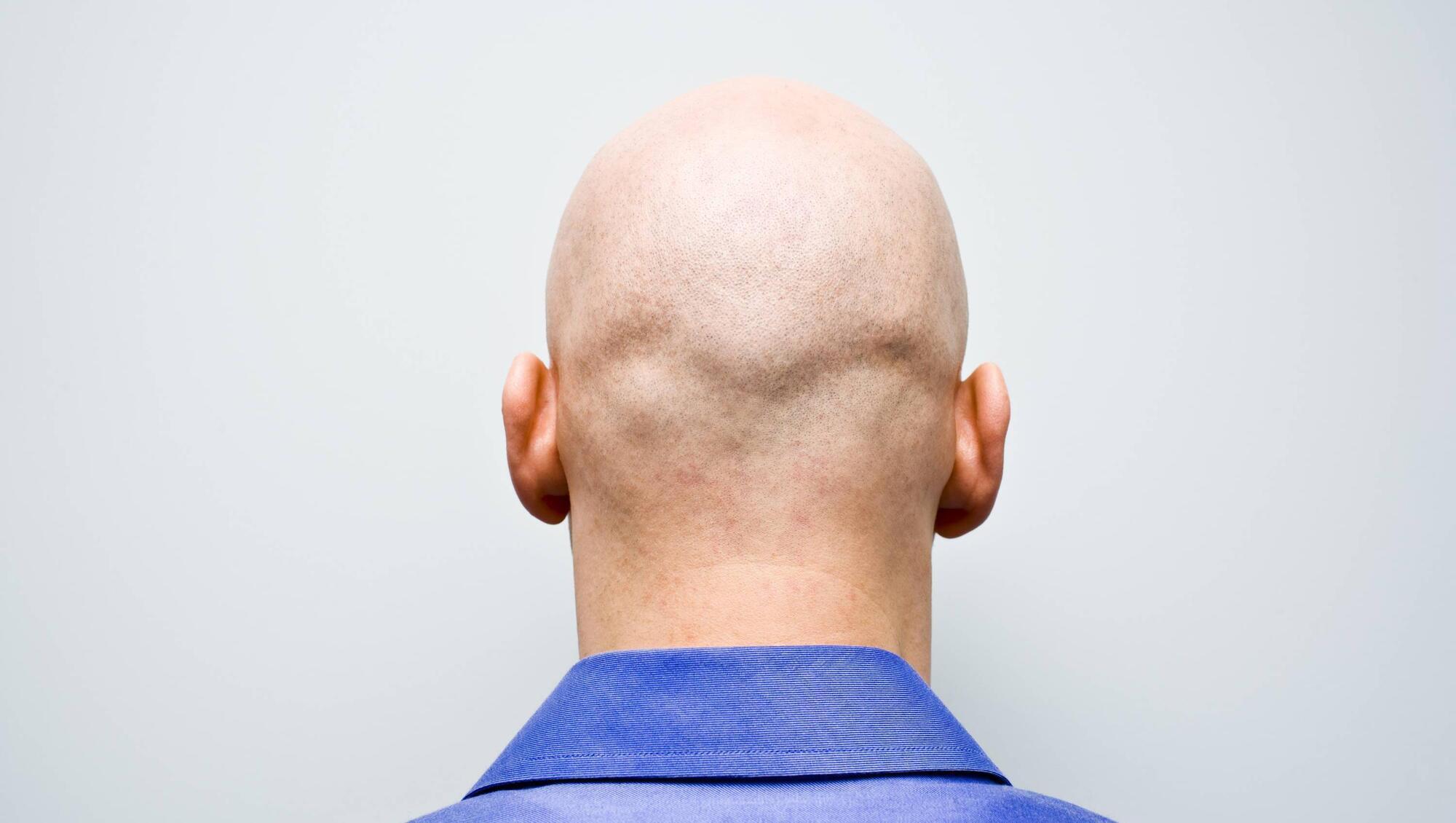
45% of men will begin to experience hair loss by the time they are 50, with one in three likely to start losing hair by the age of 35.
Hair forms an important part of our identity. It can be a sign of health and youth and is more than just a reflection of what we see in the mirror. It can act as an extension of ourselves, allowing us to express ourselves.
For men in particular, haircuts have almost become an art form in the past decade, and if you were to walk into a barbershop on any given day in Ireland, you would likely hear a range of terms from skin fades and mullets to burst fades and buzz cuts.
It is no surprise then that hair loss can have a negative psychosocial effect on men. A 2005 survey of 729 men between the ages of 18 and 45 who reported hair loss showed that 70% believed hair was an important feature of self-image and 62% agreed that hair loss could affect self-esteem. Concerns of becoming older, fear of becoming bald, along with negative effects on social life and feelings of depression were given as reasons for a dip in self-esteem.
The stark reality is that 45% of men will begin to experience hair loss by the time they are 50, with one in three likely to start losing hair by the age of 35. The most common cause of hair loss in men is androgenetic alopecia (also known as male pattern baldness), a genetic and hormonal condition driven by sensitivity to dihydrotestosterone (DHT).
DHT binds to androgenic receptors, causing the hair follicle to shrink and shortening the anagen or ‘growth’ phase of the hair cycle. This mainly affects the hair on the top of the head — the hair on the sides and back is usually resistant.
While androgenetic alopecia affects both men and women, it is more common in men because they produce more testosterone. Around 10% of this testosterone is converted to DHT daily, which is the main driver of male pattern baldness. It can also begin earlier in men, sometimes as early as puberty.
High-profile cases of men affected by hair loss who opted for a hair transplant include actor James Nesbitt, who described it as a “life-changing” experience, RTÉ presenter Dáithí Ó Sé, and former soccer player Wayne Rooney. Others, like Dwayne ‘The Rock’ Johnson, adopted his signature bald look after dealing with hair texture issues in his early 20s.

Chartered psychologist Peadar Maxwell says, “Any change that chips away at youthfulness can be difficult to accept.” However, he adds that nowadays, being bald is not what it used to be.
In the past 20-plus years, shaving it all off as it falls out has been more than acceptable and even trendy. That’s a healthy expression of confidence.”
Dr Maurice Collins, founder and medical director at Hair Restoration Blackrock in Dublin, says usually when men begin to lose their hair, they normally “have a horseshoe of hair around the back and sides”.
He believes in a holistic approach and says he does not recommend a hair transplant to everyone who comes for a consultation.
“It can be a cause of deep discontent for young men when they start losing their hair, and I try to coach these men to see what would best suit them in terms of treatment. You need to project what their hair would look like in 20 or 30 years, and see what it might look like then.”
His advice is simple: “I sometimes tell them to book a flight abroad, shave their head before they go and then see how they feel after they come back with a tan. Sometimes that works for them.”
Hair transplants can be expensive, but Collins believes they are an investment in yourself and your wellbeing, if that is the route you wish to take. “To do it costly is to do it right,” he says. “Sometimes young men go off to Turkey and return looking like the Lego man with a straight hairline after a botched surgery, and there is nothing we can do for them.”
Collins says two out of five men who visit his clinic are eligible for hair transplants.
“It’s not the first port of call, and if I do not think it’s appropriate for the patient, I won’t do it,” he says. “I feel now younger generations are more open about losing their hair, and the more conversations we have about it, the more reassured people are that they don’t have to go to extremes.”
So what about the men who have experienced early hair loss in their 20s and who decided to embrace going bald, instead of opting for hair transplants?
Karl Harvey (31), a civil servant living in Dublin, says it was quite stressful when he noticed a bald spot at the top of his head at the age of 21. With a history of hair loss in his family, he knew it was coming, but did not expect it to begin at such an early age.
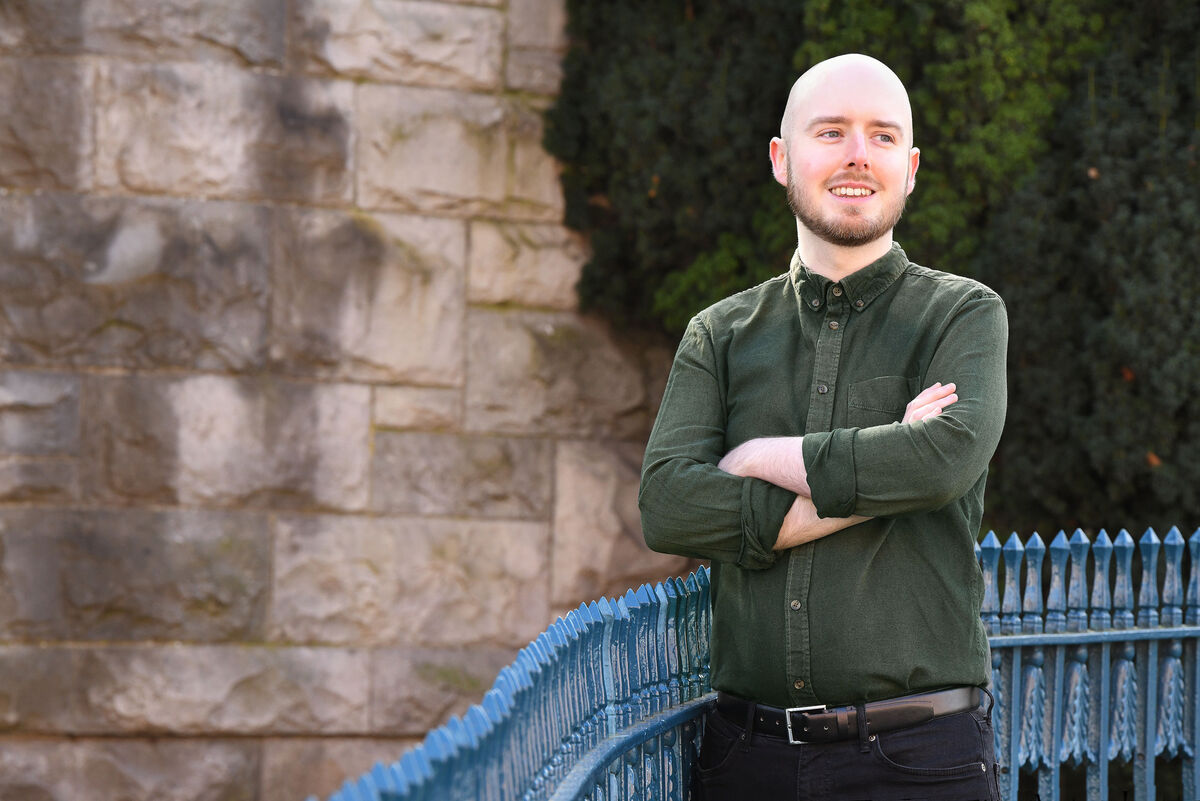
“Because I had long hair, I kept it long, and I was styling it in a specific way. That helped cover it up. I did that for around five or six years until it got to the point where I was 27 and there was no covering it up anymore,” he says.
“I was paranoid about it, because other people could see the top of my head more than I could. I reached the point where I had to bite the bullet and shave it off so that I wouldn’t be hiding it anymore.”
Before taking that step, his hair loss had been affecting his self-confidence. Because his hair was thinning, it would become greasy very quickly and he felt he had to wash it more regularly.
“If it was greasy, then it didn’t have as much volume and the gaps were a lot more noticeable,” he explains. “And even throughout the day, I had to have specific products in it so that it would sit correctly.
“Every hour at least, I would check if it was sitting right, and if it wasn’t, my day would be ruined. It wasn’t until after I shaved my head that I realised how constantly my hair was on my mind. I always loved having hair and I was worried about what others were thinking or whether I looked bad to other people.
“When I brought up the fact that I wanted to shave my head, people tried to tell me not to because I might regret it. But since doing it, I have only ever been complimented on it, and it is one of the best decisions I have ever made.”
Tiernán Ó hAlmhain (30), who lives in Dublin and works in the tech industry, began noticing that his hairline was receding “very aggressively” when he was 20 years old. He spent a period of time in denial about the situation but when his hairline kept receding, he had to accept it for practical reasons.
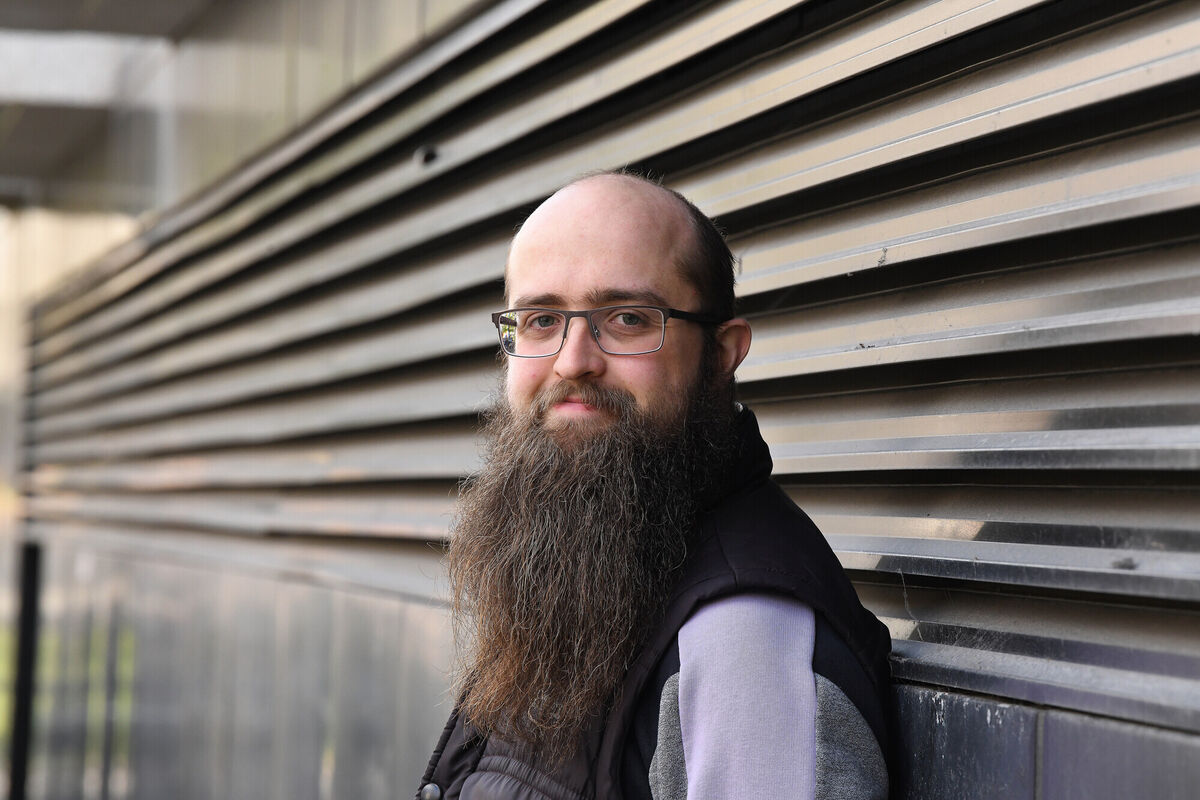
“There was a time when it was a sore subject. I was denying that it was happening, and then I became annoyed every time it was brought up,” he said.
“There is a nefarious character in German pop culture who has a very high haircut and corners on the side, and for a while it began to look like that, which became a bit of an in-joke with my family that stopped being funny after a while.
“People don’t usually comment on these things directly, but any time that it has come up, it has been fairly unpleasant.”
He says he mellowed after he grew out his beard, because it helped him accept the hair loss.
“I joke now that my hair just slipped down to my face, but really the hair loss doesn’t affect me that much now that I have gotten older.
“It’s also helped that I get compliments on my beard from time to time, which has helped build back up my confidence.”
Ó hAlmhain has never considered getting a hair transplant, stating that he “wouldn’t be interested in it”.
“It seems to me like a particularly vain thing to do, and it wouldn’t be my style,” he says.
“If there is a history of hair loss, it is coming from my father’s side of the family. My brother has lost a lot of hair, and he recently made the decision to shave it all off, something I have considered too. But because I roller-skate and wear helmets, I do enjoy still having hair at the back of my head, so I haven’t taken that final step just yet.”
Managing and preventing hair loss doesn't always need surgical intervention.
Trichologist Mark O’Sullivan, who manages the Hair Clinic in Cork and Waterford, says that hair loss can be tackled by ensuring iron levels are good as well as eating foods rich in protein, zinc and vitamins B7 (Biotin) and B12.
“Vitamins A, D and E can help hair loss. Saw Palmetto can also help because it is a natural DHT blocker, but people should consult a GP first if considering taking it,” he says.
“Minoxidil is a topical solution available in the pharmacy without a prescription and it can act as a vasodilator to increase blood flow to the hair to strengthen hair. Finasteride can be very effective too and both have been FDA-approved for many years.”
Finasteride is a prescription medication and costs between €20 and €30 for a four- to six-month supply, while minoxidil is available without a prescription and costs around €70 for a three-month supply.
O’Sullivan says that the most successful non-surgical medical treatments include low-level laser therapy, which was FDA-approved over 15 years ago.
“It’s a pain-free treatment that stimulates and repairs hair follicles. It stops excessive hair loss, reduces inflammation and boosts circulation, which in turn lengthens the growth phase and thickens hair.”

CONNECT WITH US TODAY



Be the first to know the latest news and updates