Health warning signs midlife men should never ignore

Middle-aged males often dismiss health red flags until it’s too late, even though a trip to the GP can prevent risky symptoms from developing into serious problems
Health warning signs midlife men should never ignore

Persistent daytime fatigue could indicate obstructive sleep apnoea, which affects around 10% of the Irish population and is much more common in men. Picture: iStock

For the typical middle-aged man, a visit to the doctor is one of life’s great inconveniences, something that has long been a source of vexation to the country’s medical specialists.

“Sadly, a lot of patients come to see me because a friend drops dead,” says Robert Kelly, a consultant cardiologist and lifestyle medicine physician at Beacon Hospital, Dublin. “That’s the trigger for them to go, ‘Oh, my gosh, maybe I need to get myself checked out?’

“I would say that about 70% of men firmly believe there’s nothing wrong with them until something happens.”

Instead, as Kelly has often found, many men ignore or find excuses for key health warning signs which can appear in midlife.

Chest pain

"...The important thing is that you take it seriously, rather than push it away, because very sadly, a lot of people who dismiss these things, some of them will drop dead". Picture: iStock

Particularly concerning are symptoms directly relating to the risk of heart disease, which continues to rank as the leading cause of death for men and women in Ireland, responsible for nearly 9,000 deaths per year, according to the Irish Heart Foundation.

Perhaps the most pressing example of this is chest pain. “Lots of people get chest pains from indigestion, or perhaps if you’ve played sport or done some heavy lifting,” says Kelly. “But the important thing is that you take it seriously, rather than push it away, because very sadly, a lot of people who dismiss these things, some of them will drop dead.”

Bray-based GP Emmett Byrne says it’s particularly important to take chest pain seriously if you’re experiencing pressure-like pains on the left side of your body, radiating up into the shoulder. “That would be seen as being suspiciously like a cardiac issue,” says Byrne. “You need to get that checked out.”

Feeling tired all the time

Other cardiac red flags can be subtler, such as persistent daytime fatigue. Kelly says this could indicate obstructive sleep apnoea, a condition in which breathing stops and starts dozens or hundreds of times during sleep, affecting around 10% of the Irish population and is much more common in men.

Obstructive sleep apnoea increases the risk of heart disease and a range of chronic conditions because the repeated drops in oxygen levels trigger a stress response which elevates blood pressure, heart rate, and inflammation.

According to Kelly, it’s a key example of the wider link between impaired sleep quality and a greater risk of cardiovascular disease.

“The magic question is, ‘Do you wake up feeling refreshed after a night’s sleep?’” he says. “If you don’t, there’s something wrong with your sleep, and what people don’t realise is that poor sleep is a big risk factor for having heart attacks.”

Ongoing erectile dysfunction

According to Byrne, one of the main reasons men can be reluctant to see a GP is due to the embarrassing nature of some of the symptoms they might be experiencing. But in the case of midlife erectile dysfunction, he says it’s particularly important to get checked out because, while difficulties in achieving an erection can be psychological, they may also reflect underlying circulation problems, which directly relate to heart health.

“Some 15% of men with erectile dysfunction will have a heart attack seven years later,” says Byrne. “So it’s important as an early indicator of vascular disease.”

Sudden decline in eyesight

“Getting your eyesight checked in midlife can actually help identify something like high blood pressure" Picture: iStock

Kelly recommends that all men over 40 get regular eye checks, as a sudden decline in certain aspects of vision can reflect underlying issues in the small blood vessels that run through the eye, which may be connected to heart health.
“Getting your eyesight checked in midlife can actually help identify something like high blood pressure,” he says.

Appearance of skin tags

Most of us are familiar with the warning messages from skin specialists telling us to keep an eye out for new moles, especially if they’re bleeding, discoloured, or an irregular shape.

But for middle-aged men, a less well-known red flag is the appearance of skin tags that can appear on the neck, armpits, and around the groin area. While one or two isn’t a particular worry and can reflect the natural ageing process, having multiple skin tags can actually represent uncontrolled blood sugar levels and represent an early warning sign for type 2 diabetes, especially if accompanied by dark, velvety patches on the neck — a medical condition known as acanthosis nigricans, which is a common sign of insulin resistance.

“If you’ve got multiple skin tags, that can be associated with metabolic disease,” says Byrne, adding they should be checked by a doctor.

Cancer warning signs

In Ireland, Byrne says 90% of all cancers in middle-aged men are either prostate, lung, bowel, or melanoma. While lung cancer presents notoriously late, and tends to be characterised by symptoms such as a persistent cough and unexplained weight loss, early signs of bowel cancer include rectal bleeding. While oncologists say that men will often ignore this and put it down to having a big meal or having piles, rectal bleeding is particularly concerning when blood in the toilet is either bright red or resembles dark tar, with the latter reflecting bleeding from higher up in the intestines.

For prostate cancer, the most well-known warning sign is blood in the urine, but Byrne says that a weak or interrupted urinary stream, difficulty starting to urinate, and excessively frequent urination are also signs that you should see a GP.

It is also important to note that most of the time, these symptoms do not reflect the presence of cancer, but an age-related swelling of the prostate known as benign prostatic hyperplasia, a highly treatable condition.

Significant mood change

Middle age can also be a time when many of us become grumpier and moodier, reflecting the combined challenges of work, raising children, and caring for elderly parents. However, Kelly says that if you find yourself becoming chronically irritable, this in itself is a warning sign for your health, as it tends to reflect chronic stress. This manifests in the body through elevated levels of the stress hormone cortisol, which can have a profoundly damaging effect on the heart and other organs over time.

“It’s something you may not recognise yourself,” he says. “Your family or your spouse might notice it, or people at work might notice it, but it’s important to take time out to deal with that because chronic stress actually increases risk of heart attack by the order of 30%.”

Decrease in mobility

By the time we reach old age, one of the key indicators of wellbeing is how physically active and mobile you are. Picture: iStock

By the time we reach old age, one of the key indicators of wellbeing is how physically active and mobile you are. Byrne points out that loss of mobility often begins with musculoskeletal problems that start in middle age.

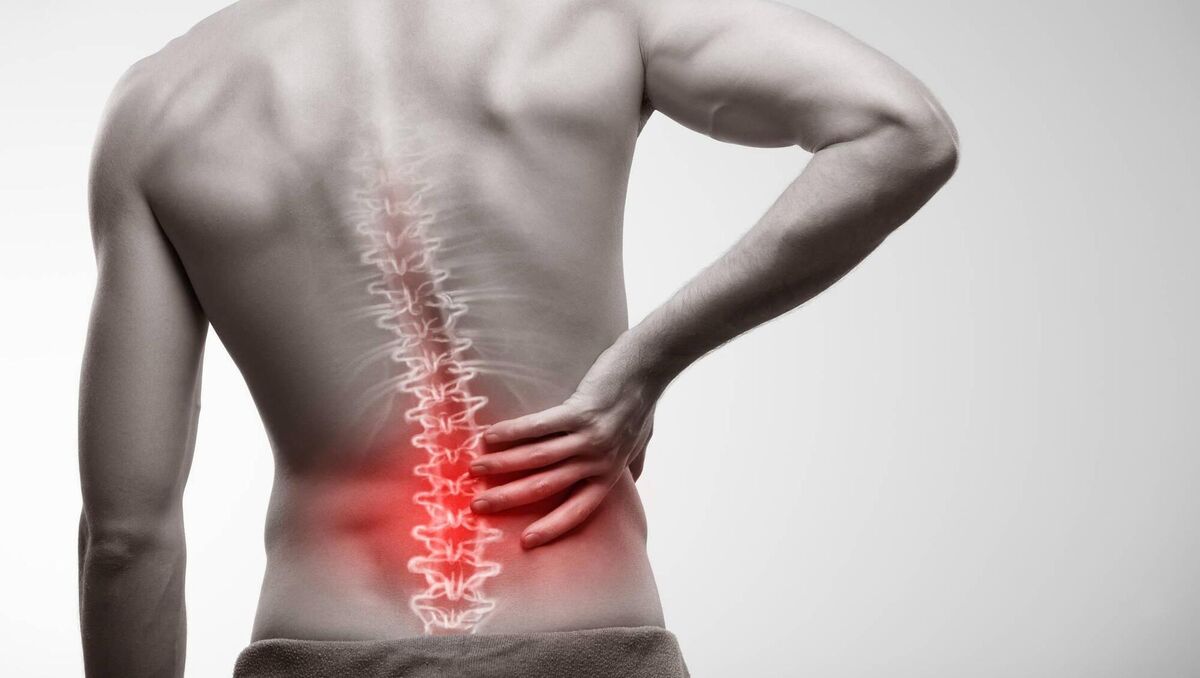
For example, if you’re experiencing back problems that affect your gait, your ability to bend down and tie your shoelaces, or even how easy it is to put on your shoes and socks, that can be an early sign of degeneration in the spine or loss of flexibility in your joints. To address it, Byrne says, one of the best things you can do is to sit less and move more.

“Poor posture is one of the main causes of back problems,” he says, adding that we need to watch how we sit in a chair and if we’re sitting for too long.


“As a rule, you should get up every hour, because that resets circulation and is better for your back. So even if you’re watching a film for two hours at home, get up halfway through and make sure you move.”

As with all midlife warning signs, it might seem like an inconvenience now, but it can save you from years of discomfort and ill health in the future.

x

More in this section

Lifestyle

Newsletter

The best food, health, entertainment and lifestyle content from the Irish Examiner, direct to your inbox.

Cookie Policy Privacy Policy Brand Safety FAQ Help Contact Us Terms and Conditions

© Examiner Echo Group Limited