'I have no regrets. I loved my mam so much': Niamh Drohan on losing her mother to bowel cancer
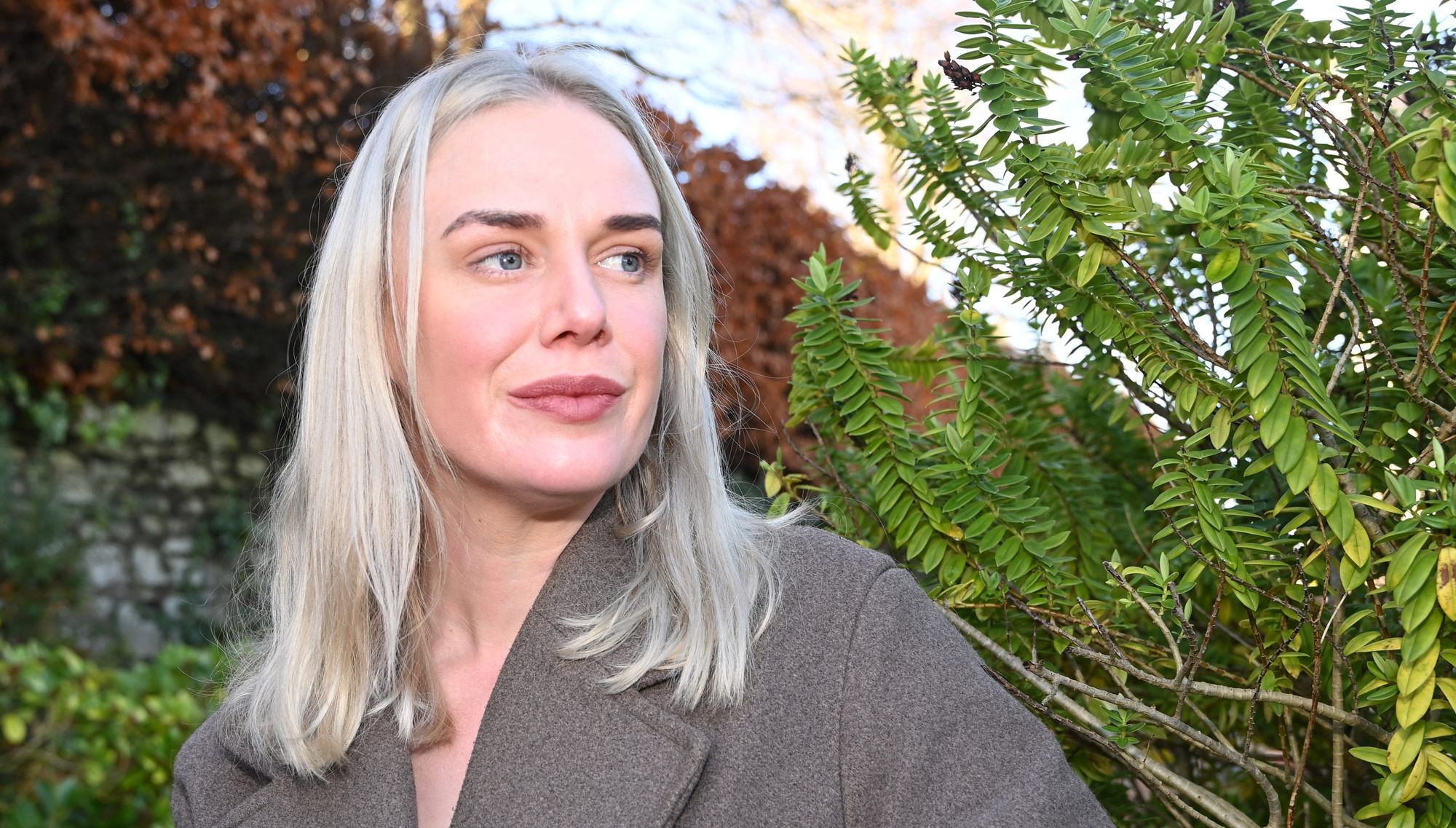
Niamh Drohan: 'I feel incredibly lucky and blessed to have experienced her love.' Picture: Eddie O'Hare
The day that changed the trajectory of my life — July 12, 2024. Mam had been sick for 18 months — she’d been diagnosed with bowel cancer.
Mam was fiercely protective, a maternal and private person. She never liked a fuss. When she told us the diagnosis, she told everybody the prognosis was good — it wasn’t, but we didn’t find out until after her death.
Nobody loves you like your mam. She put everyone before herself, so it’s no surprise she kept the extent of her illness from us.
While she was sick, I travelled regularly on weekends from Cork to Dungarvan to see her. I’m so grateful I got to be home with her. I phoned her every day at 11am — she was such a part of my life and routine.

On the days before July 12, she had taken a turn. She was saying funny things, like asking had I my homework done, as though I were a child. I was laughing and saying it back to her, she’d roll her eyes, say ‘what am I like?’ — and then slip into it again. She was on a serious amount of painkillers and I presumed it was because of those.
On July 12, the palliative care team had been in earlier, and my sister, Saoirse, a nurse, was helping the various carers. Mam used to call the palliative care the pain team. I’d say, ‘is that not palliative care Mam?’ And she’d say, ‘No, the pain team, palliative care is what they’re under’ — not wanting me to lose my marbles.
It’s amazing when I look back. All the signs were so clear. She’d been deteriorating before my eyes since Christmas. It was a concept I didn’t want to contemplate, to imagine a life without her, and yet when I look back, it was so blindingly obvious. It’s amazing how your brain can deceive you; it would have been too traumatic for me to process.
When I arrived that day, Mam was in bed in the sitting room. My sister and my aunt Kathleen nodded at me to go to the kitchen, they sat me down at the table. They said the cancer had spread extensively. It was in her spine now. Before that day, I’d refused to let the idea of her death enter my head. Now… the crushing reality that I didn’t want to face.
The palliative team had initially been saying she had just a couple of weeks left — in the space of a day, the weeks turned into days. She passed away on July 21.
She had suffered in silence for so long — I get such a pain in my heart, the agony she must have been going through, and she kept it all to herself.
Those days sitting with her, that whole period, was life-changing when it came to grief and losing someone so important. She was my anchor in life. Nothing you ever do in life will prepare you for losing a person like that.

Learning to live with a very significant loss in life is a uniquely, deeply personal thing.
When I look back on the three months that followed, it was almost not denial, but shock. Those months are foggy — I can’t remember things, I think I was stunned really.
I was extremely fortunate to have the support I had from my immediate family, from work colleagues.
After the initial shock, when reality kicked in, I found it incredibly difficult. I lost myself. I felt like all the good parts of me were gone, things I loved. I felt very ambivalent about everything. I’d feel very sorry for myself, wallow, and give in to it.
But I realised Mam absolutely wouldn’t want me to do this. She’d want me to keep living, make her proud. Getting back to myself and to things I love, to make her as proud of me as I am to be her daughter, to show the strength and determination she showed — it’s still a work in progress. It still requires huge effort to be positive, to want to live a happy life.
We need a lot more conversation about grief — and about bowel cancer. My nanny Mary passed away from it at 63, Mam was 55 — bowel cancer has impacted our family very significantly.
I would say Mam wasn’t proactive about her health, even with Nanny’s experience, because it’s embarrassing for women — a difficult conversation to have, to talk about colostomy bags and so on. There’s definitely a stigma. BreastCheck and CervicalCheck have been hugely successful. There’s a lot of conversation about them, so the stigma isn’t there.
We need more conversation about bowel screening — for people to think, ‘Oh, I should probably do that’.
I have a lot of Mam’s ways. So does my sister. I inherited a love of books, of reading and writing from her. She was a massive, avid reader. She read everything I wrote — I lost my longest-standing editor.
One thing I can say: I have no regrets. I loved her so much — and I feel incredibly lucky and blessed to have experienced her love.
Visit www2.hse.ie.