'Give it a go': Former patients share their experiences of cancer screening

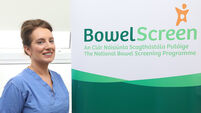
Mary Kennedy, who received treatment for early-stage bowel cancer following her diagnosis through the HSE’s bowel screening programme, is a patient representative. Picture: Moya Nolan.
Most people have some awareness of the programmes operated by the HSE’s National Screening Service (NSS) — BreastCheck, CervicalCheck, Diabetic RetinaScreen and BowelScreen — but what is less known is the Patient and Public Partnership (PPP), a panel of citizens who voluntarily give their time and expertise to ensure that the needs of people who are being screened are met and that the experience is patient-led — which was not the case several years ago.

Unless you’re in the system, you can’t do anything about it. It’s better to be involved, so that you can give some sort of input. I think it has to make a difference.
- Changes in bowel habits — diarrhoea, runny bowel movements, constipation, needing to poo more or less often than usual.
- Blood in your poo, which may look red or black.
- Abdominal issues — cramps, general abdominal pain, bloating that doesn’t go away.
- Weight loss when you’re not trying to lose weight.
- Tiredness and lack of energy when you’ve had enough rest.
- Any unusual change you know isn’t right for you.
- If you experience one or more of these symptoms, you should make an appointment to see your GP.
- For information on bowel cancer screening and using home test kits, click here.

CONNECT WITH US TODAY



Be the first to know the latest news and updates