Intermittent fasting: be careful of eating by the clock
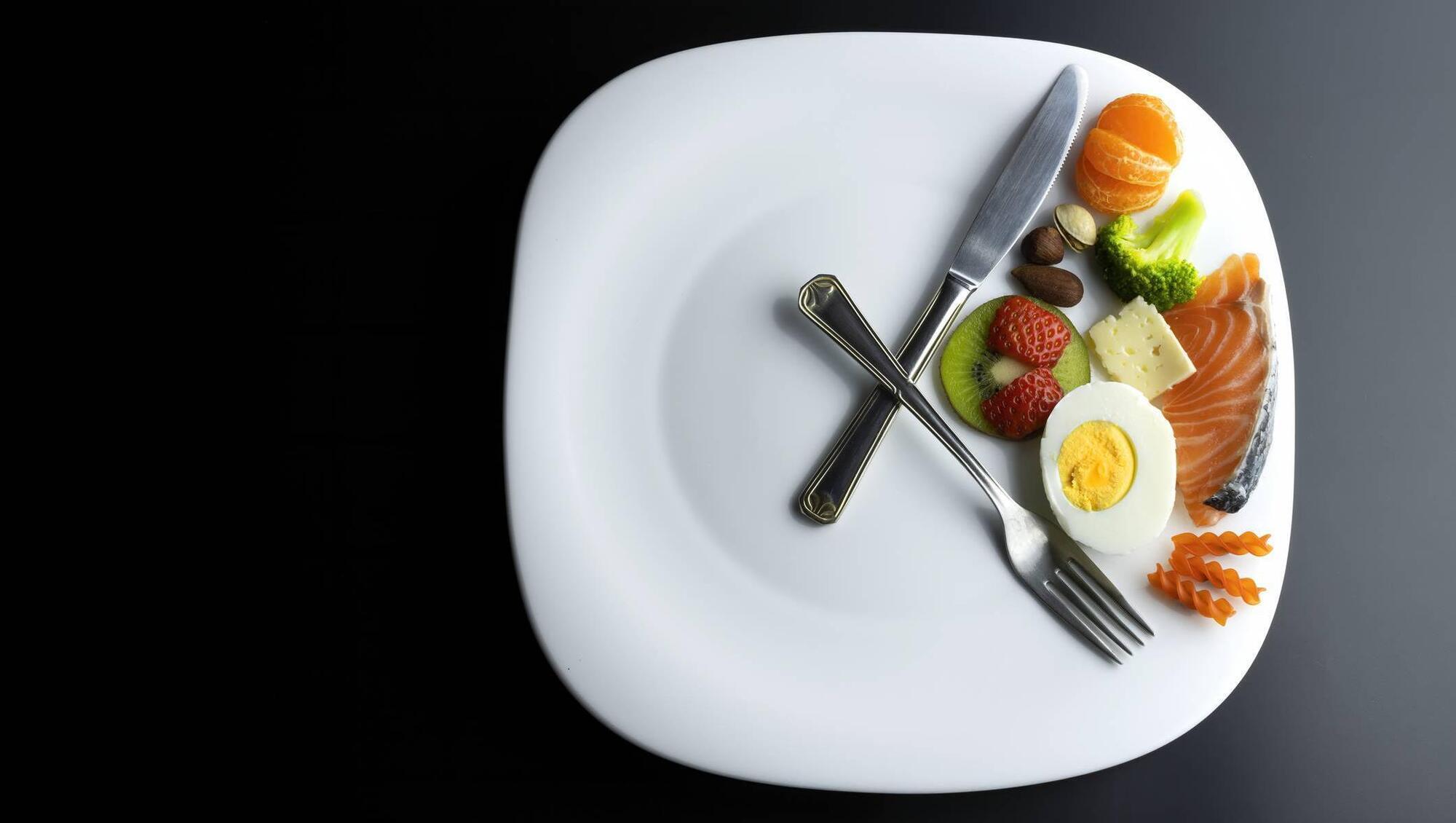
Pic: iStock

AMERICAN actress Jennifer Aniston does it for 16 hours every day. British Prime Minister Rishi Sunak does it for 36 hours every week. And if the chatter I’m hearing from friends and family reflects overall trends, a growing number of people are trying it in Ireland.
I’m referring to intermittent fasting, which focuses not on what we eat but when.
Intermittent fasting was first brought to our attention by a BBC documentary Eat, Fast, Live Longer. Broadcast in 2012, it focused on the 5:2 diet, which argued that restricting our calories on two days a week and eating normally on the other five led to significant health benefits and was a failsafe way to lose weight.
The diet caught on quickly with the public, bolstered by celebrities like TV chef Hugh Fearnley-Whittingstall, who regaled us with stories of how following this eating plan resulted in successful weight loss.
In the intervening years, the 5:2 diet has waned in popularity and been replaced by another form of intermittent fasting known as time-restricted eating (TRE) or the 16:8 plan.
“This is when you eat all your food within eight hours of the day and fast for the other 16,” says Orla Walsh, a registered dietitian and physiologist.
Say you have your first bite at 8am. This means the last morsel should have passed your lips by 4pm. Outside of those hours, you should only consume water, black tea or coffee.
According to research, eating this way results in weight loss. In April of this year, an umbrella review of existing research published in The Lancet Medical Journal found that intermittent fasting was associated with a reduction in waist circumference and fat mass.
This finding came as no surprise to Dr Brendan Egan, an associate professor in sport and exercise physiology at DCU. He was involved in a study of male runners in which half followed the 16:8 plan for eight weeks. By the end of the eight weeks, those who had followed the plan had lost an average of 1.1kg of their body weight.
The study’s findings convinced Egan that intermittent fasting is an effective weight loss tool.
“There are several ways of going about reducing body weight and this is one of the easiest,” he says. “Instead of calorie counting, reducing portion sizes or cutting back on certain foods, you simply narrow the amount of time you spend eating in any given day.”
Besides being straightforward, Egan believes that intermittent fasting works because it leads to people eating less food overall and cutting out bad eating habits in the process.
“Eating less is the key to losing weight and there’s generally a reduction in calorie intake when you shorten the so-called feeding window,” he says. “Also, by not eating during the evening, people usually end up consuming less junk food and alcohol, both of which are highly calorific.”

Different needs of different people
Time-restricted eating differs dramatically from how many of us eat these days. According to a 2019 Minitel report, 58% of Irish adults have two to three snacks per day in addition to their three-square meals. A 2018 Bord Bia report found that those snacks are generally laden with calories. Crisps were the snack of choice for 22% of people, biscuits for 19% and chocolate for another 16%.
There is an argument that instead of constant grazing, our bodies are primed to go without food for long stretches of time. We evolved to spend hours or even days living off low to non-existent rations while we waited to catch an animal or find edible plants to sustain us. Shouldn’t this still be the optimum way for us to eat?
Rachel Crossan, a registered dietitian who works for the HSE at the National Centre for Obesity, says when we consume food at regular intervals, our body breaks down the carbohydrates into simple blood sugar molecules that it uses for energy, storing any leftover blood sugar molecules in the liver as glycogen.
“When we fast and don’t have that regular access to food, our body uses those glycogen stores as ‘back-up energy’,” she says. “When those stores are depleted, the body adapts and begins to use stores of fat and muscle to power us.”
This process ultimately leads to weight loss, but Walsh warns that it’s not suitable for everyone.
“What works for one individual won’t necessarily work for another,” she says. “For example, toddlers have tiny bellies and need to eat little and often. Older people can have tiny appetites, which means they too need to eat frequently. If you suffer from migraines, you might benefit from eating often but if you’ve been diagnosed with fatty liver, gaps between meals may be preferable. One size never fits all.”
Motivation to lose weight may explain why intermittent fasting caught on so quickly. However, the reputed health benefits may be an even more compelling reason to switch to eating within a specific timeframe.
The Lancet umbrella review also found that intermittent fasting reduced levels of LDL (‘bad’) cholesterol, fasting insulin, and systolic blood pressure, suggesting it could protect heart health and help prevent diabetes.
Another review published in the New England Journal of Medicine in 2019, found that it had broad-spectrum benefits for conditions such as obesity, cardiovascular disease, some cancers and neurological disorders.
Studies have also linked intermittent fasting to improvements in anxiety disorders, better working memory, an enhanced gut microbiome, reduced tissue damage following surgery and lower inflammation levels, which has implications for the treatment of conditions like arthritis and other chronic diseases.
However, significant caveats need to be considered. One is that many of the relevant studies have been carried out on animals, especially rodents.
“Human metabolism is totally different from rodent metabolism,” says Egan. “This means that we can’t directly translate the findings from animal studies to humans.”
Crossan points out that the health improvements seen in such studies could also be caused not by intermittent fasting but by the weight loss that results from it.
“All of the promises, such as lower cholesterol and reducing inflammation, could be due to the positive effects that weight loss can have on overall functioning,” she says.

The effect on women’s bodies
The case for intermittent fasting isn’t clear-cut. Even though former host of BBC’s Woman’s Hour Emma Barnett has spoken out about using time-restricted eating to manage her endometriosis symptoms, and a growing number of menopausal women praise its effects on weight management and energy levels, it may have detrimental effects.
“A woman’s body works differently to a man’s, and unfortunately, most of the studies have been done on men,” says Walsh. “You have to be very careful when putting a female body into calorie deficit as losing muscle or bone tissue is a big problem because it’s tricky to regain. Plus, women can have strong hormonal reactions to stress.”
Crossan explains that this is because fasting can cause the body to release the stress hormone cortisol.
“Cortisol can influence inflammation in the body and preliminary studies on rats have shown that over the long-term, this can affect the levels of the female hormones oestrogen and progesterone,” she says.
There are other potential drawbacks to intermittent fasting. “It can cause us to feel irritable and tired, which isn’t likely to encourage us to be physically active,” says Crossan. “Whereas when we spread our meals throughout the day, we’re more likely to have steady levels of energy, which may lead to us being more active overall.”
Crossan worries that intermittent fasting could result in nutritional deficiencies. “By eating in a time-restricted way, we may have to put more effort and thought into what we eat to ensure we meet our nutritional requirements,” she says.
“Some people will find this difficult and instead of improving their health, they may end up doing the opposite and becoming undernourished.”
It could also lead to binge eating. “Going without food for a long time can cause us to eat large amounts of food outside of the fasting period,” says Crossan. “And when we’re very hungry, we often opt for foods that are high in sugar and fats.”
Walsh adds that any sort of restricted eating could be triggering for anyone with a history of eating disorders or disordered eating.
“They should avoid intermittent fasting,” she says. “So should people who are living with diabetes, pregnant and breastfeeding women, anyone younger than 20 or older than 60, and anyone who has osteopenia or who cannot afford to lose muscle or bone tissue. In fact, there are more people who should avoid it than should try it.”
If you aren’t in the at-risk category and want to experiment with intermittent fasting to help you maintain a healthy weight and improve your health, it could be for you.
“Intermittent fasting helps some people stick to a calorie deficit,” says Walsh. “As long as you eat a well-balanced diet that contains all of the required nutrients and you find this way of eating easy to do, it could help you achieve long-term health results.”
Beginner’s guide to intermittent fasting
You’ve heard the buzz about the 5:2 diet, the 16:8 plan and the various health benefits they promise and now you want to try it yourself. Registered dietitian Rachel Crossan shares some tips to help you do so safely.
1. Talk to a medical professional before you start. You may have a medical condition or be at a stage of life that makes fasting unsuitable.
2. Pick your approach. Will you follow the 5:2 diet, fast on alternate days or try the 16:8 plan? Remember that longer periods without food are not necessarily better and may have adverse health effects.
3. Start slow. If you’re going to try the 16:8 plan, ease yourself into it by trying to fast for 10 hours first and increasing your fast gradually over time as tolerated.
4. Consider cutting out late-night eating to make things easier. You’ll have completed a 10-hour fast if you don’t consume calories after 9pm until you sit down to breakfast at 7am the following day.
5. You can gradually increase your fasting period by eating your last morsel of food earlier or by eating a later breakfast. Choose the option that best complements your lifestyle.
6. Make sure you stay hydrated. Six to eight glasses of water a day is recommended.
7. Eat balanced meals when you do eat. Include a healthy and diverse range of foods, such as those in the Mediterranean diet.
8. Avoid extreme physical activity while fasting.
9. Pay attention to how your body is feeling. If you start experiencing unusual anxiety, headaches, nausea or any other symptoms, stop the fast and speak to your doctor.
10. Intermittent fasting may suit some individuals’ lifestyles but won’t suit everyone.
If you feel unwell, are always hungry, find that you overcompensate and binge outside of fasting periods, or find that your eating habits are negatively impacting your life in any way, stop.
Read More

Subscribe to access all of the Irish Examiner.
Try unlimited access from only €1.50 a week
Already a subscriber? Sign in
CONNECT WITH US TODAY
Be the first to know the latest news and updates

Celebrating 25 years of health and wellbeing