Put your best foot forward as you age
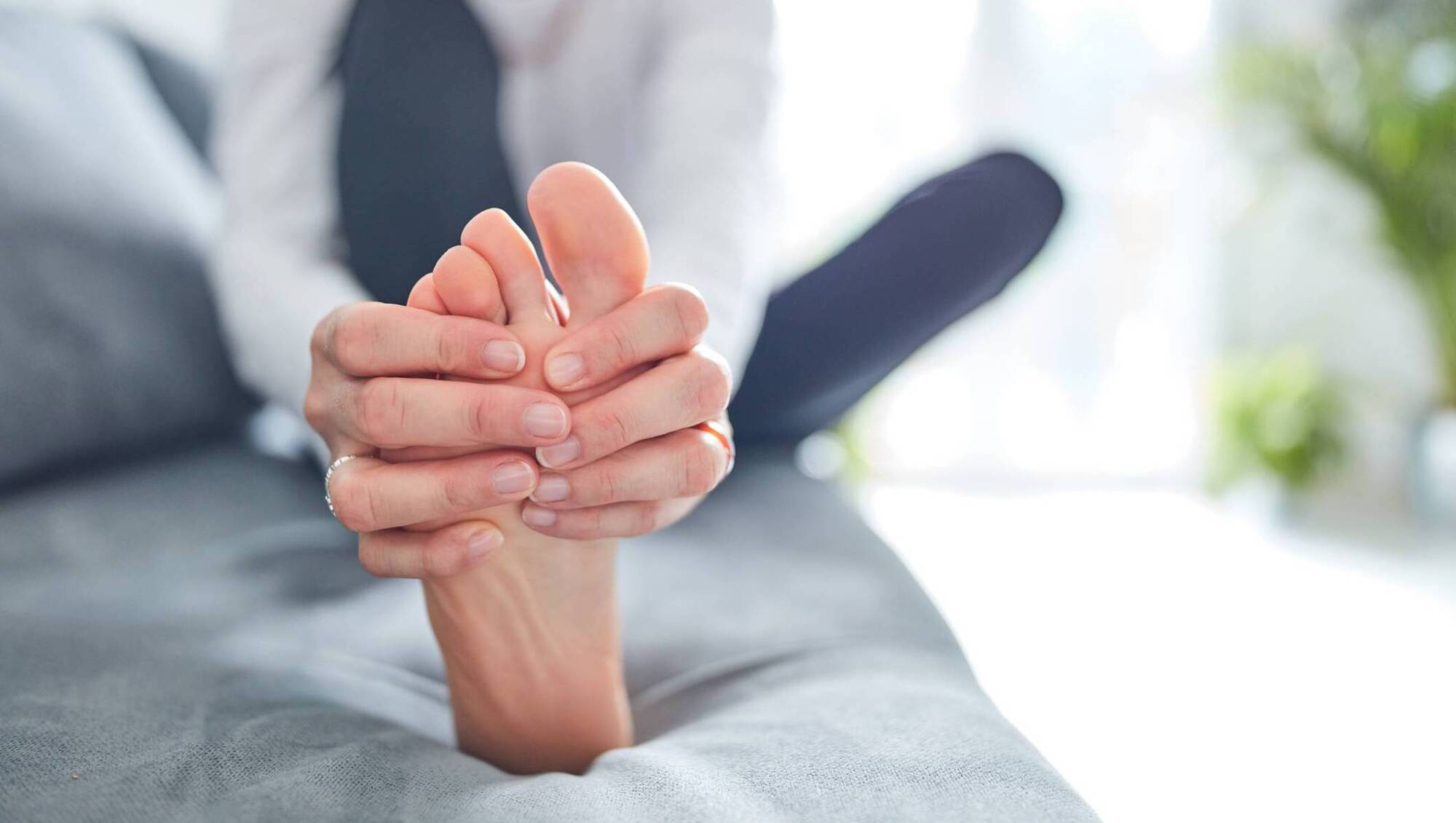
As we age, our feet undergo several often-overlooked changes that can affect comfort and mobility. Picture: iStock
As we age, our feet undergo several often-overlooked changes that can affect comfort and mobility.
Over time, shifts in strength, flexibility, cushioning, and even foot shape can alter the way our feet cope with impact and movement. That raises an important question: do our feet actually need more support as we get older?
We spoke to podiatrist Dr Helen Branthwaite to find out how feet evolve with age, the warning signs worth paying attention to, and whether extra support could make a real difference to comfort, stability and everyday mobility.
: “As we get older, core structural fibres within our body, such as the elasticity of collagen – which is integral in supporting tendons and ligaments – starts to alter,” says Branthwaite.
: “We regenerate bone much faster and quicker when we are younger compared to when we get older,” says Branthwaite.
: “Sarcopenia often occurs in adults over the age of 40, which is when the protein that makes up muscle tissue starts to get less structured, and leads to a loss in strength,” explains Branthwaite.
: “People are more likely to have systemic diseases that might alter the way that tissue behaves as they get older,” says Branthwaite. “For example, metabolic diseases like diabetes and arthritic conditions are more prevalent as you get older, and they can start to take hold of systems in the body, and that can also have an impact on how older people function around their movement.”
: “A lot of people start to notice that their feet don’t feel as strong or as powerful when they get older and might experience symptoms of fatigue quicker,” highlights Branthwaite. “A walk to the shop that used to take them 10 minutes might now take them 20 minutes, for example.”
: “Another thing people often notice is that their footwear size changes, because the dimensions of our feet can change over time,” says Branthwaite. “As the musculoskeletal system alters, it can lead to an elongation of the foot. Many patients often say that they have always been a size five shoe, but when we measure them, there are six or six and a half.”
: “Some older adults get fat pad atrophy, which is when the pads and the fatty tissue underneath the heel and the front of the foot degenerates over time,” says Branthwaite. “This can cause significant foot pain.”
: “As changes occur in elasticity and tendons elongate, some people do present with a lower arch profile in their feet,” says Branthwaite. “That’s because the tendons that work and support the arch and the ligaments in the arch become more stretchy, and therefore create a longer, flatter foot. This is more common in older people, but doesn’t happen to everyone.”
: “We have a wide range of sensors within our feet, and we call them mechanoreceptors, and that gives you the proprioceptive feedback to your brain that tells you where you are in a space,” explains Branthwaite.
“However, as you get older, these receptors in our feet become smaller, which can create an insensitive foot. This can also impact balance.”
: “Make sure you are doing regular exercise and keep walking to keep your foot and legs strong and healthy,” recommends Branthwaite.
: “Make sure you are wearing the correct shoes to give you support and cushioning,” says Branthwaite. “Finding a shoe that is comfortable is the most important thing. ”
: “Anything above four centimetres in heel height changes the way that you stand and the movement patterns that you make,” says Branthwaite. “A heel above four centimetres is going to increase instability. Also, the wider the heel base is, the more shoe sole on the floor, the better stability you get.”
: “Make sure you get your feet measured, because your foot size can change,” says Branthwaite. “It’s also important to remember that shoe sizing isn’t universal, as it can be brand-specific, so your size might be different in different shops.”
: “If you’re struggling to find comfortable footwear, a podiatrist will certainly help you with choice, measuring your foot, looking at certain features that you might require, and guiding you on specialist footwear,” says Branthwaite. “Also, if you are struggling to look after your nails or have any infections, seek support and attention from a podiatrist.”
: “Hygiene is very important, so make sure you wash and dry your feet thoroughly after a shower/bath,” advises Branthwaite.
: “Make sure that any cracks on the skin of the foot are treated properly,” says Branthwaite. “Just putting body lotion on doesn’t really help - you need to have a foot cream that actually moisturises the skin. The key ingredient to look for is urea in the foot cream, and that will help the skin underneath the sole of the foot.”

CONNECT WITH US TODAY



Be the first to know the latest news and updates