Knowing when to call time on work stress
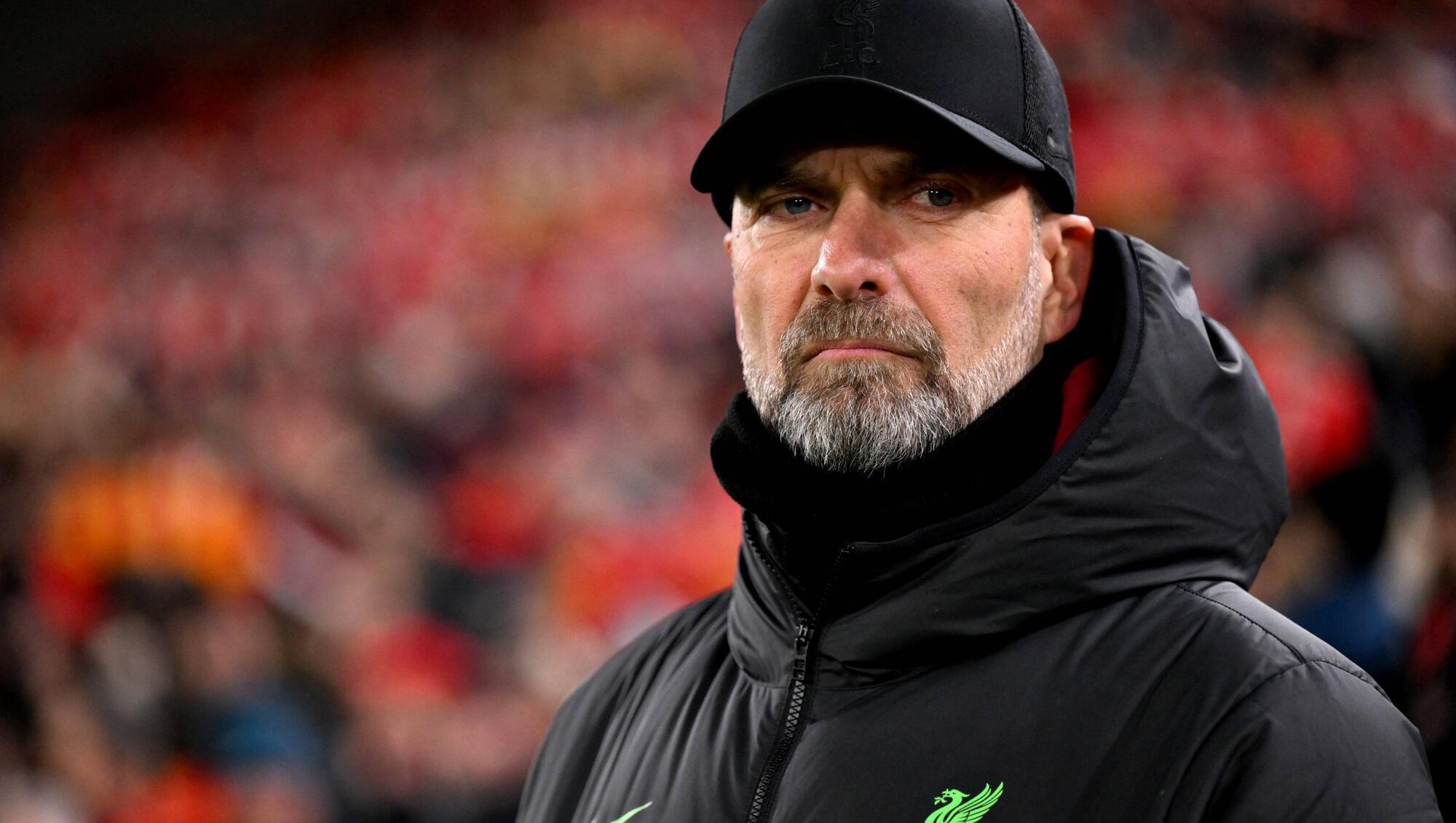
Liverpool manager Jurgen Klopp’s decision to blow the final whistle on his high-pressure job, citing flagging energy levels, suggests he was near burnout
Knowing when to call time on work stress

Jurgen Klopp, manager of Liverpool before the Carabao Cup Semi-Final First Leg match between Liverpool and Fulham at Anfield on January 10, 2024, in Liverpool, England. (Photo by Andrew Powell/Liverpool FC via Getty Images)
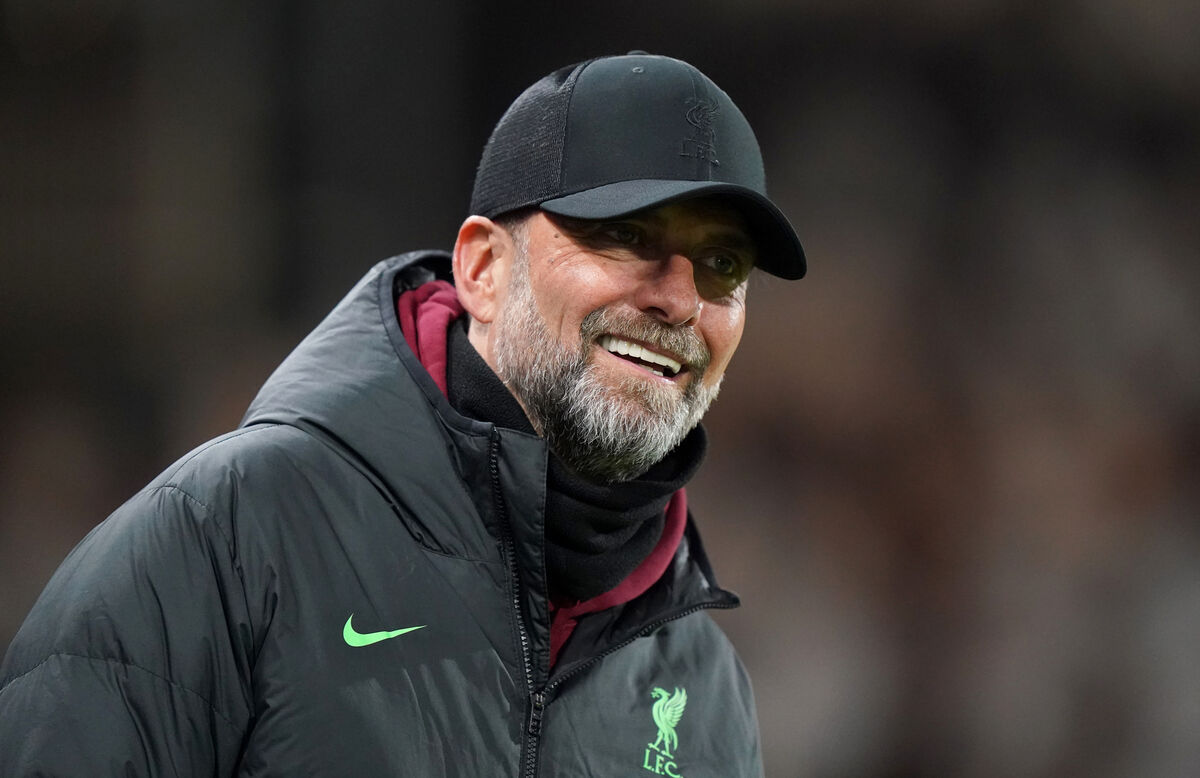
WHEN Jurgen Klopp made the shock announcement two weeks ago that he would resign as Liverpool Club manager at the end of the 2023/24 season, he knew he had given everything the job had demanded.

“You have to be the best version of yourself… because it means so much and it’s so important for so many people,” explained the 56-year-old, before describing what he had given to the job.

“My managing skills are based on energy, on emotion, on relationships, and it takes all of you. It needs all of you… at the moment I can’t do it like that anymore.”

His nine-year management of the club brought seven major trophies, but the success came at a price. In a candid interview, Klopp spoke about “running out of energy”, adding, “I can’t do it on three wheels. I never want to be a passenger… it is too important to do it with 50%.”

He had, he said, invested everything, and realised that “my resources are not endless”.

When Klopp said that “this club needs a manager at his top game… I cannot be that anymore”, he was approaching one of the key components of burnout — reduced professional efficacy, where you don’t feel you can do your job as well as you normally would.

Deirdre O’Shea, professor of work and organisational psychology at the Kemmy Business School at the University of Limerick, says burnout is “a syndrome resulting from chronic workplace stress”.

She points to two other key components of burnout. “Emotional exhaustion, where you feel completely depleted of energy: A night’s sleep doesn’t help you recover; And cynicism: You feel negative and a bit cynical about your job.”

Dr Emmett Byrne, GP and men’s health specialist at Preventive Health Clinic in Bray, says “real burnout is breakdown, where people have to stop”.

He typically sees men who are “close to burnout”.

Could this be Jurgen Klopp? Byrne suspects so. “He’s a successful coach. He’s been in Liverpool for quite a while... He’s getting out when it’s good,” he says.

“Everything he does is under scrutiny. He’s paid very well, but the expectations are through the roof: If you fail, there’s no forgiveness.

“Maybe Klopp just needs a break from this. But if he was properly burned out, the telltale sign would be [not] recovering for a very long time. If you do the right things, it takes over a year to recover. It’s not taking a month off and going to the south of Spain. You’re totally shot.”

Liverpool manager Jurgen Klopp before the Carabao Cup semi-final second leg match at Craven Cottage, London.

The signs of burnout

Byrne says it’s key to recognise the red flags that signal that you are on the road to burnout. It seems Klopp may have done this. “I am absolutely fine now,” he said, but added: “I know that I cannot do the job again and again and again...”

When it comes to telltale signs, Byrne says one of the first is starting to think more negatively. “Your ability to cope with small things goes down; little things make you react that wouldn’t have before... Sleep is disrupted; you’re off your normal baseline.

“You don’t look after yourself. Your energy levels start to get dysregulated. You lose interest in the things you used to enjoy, like five-a-side football on a Wednesday, coffee after work.”

Byrne outlines four stress types: Environmental (heat, cold); exercise (over-training, too much demand on the body and not enough recovery); mental; and emotional. He says the perceptual element of mental and emotional stress makes these more complicated. “What’s water off a duck’s back for one person is the worst thing ever for another,” he says. “So we shouldn’t try to measure or estimate how much anyone is stressed.”

When sharing his reasons for resigning, mid-50s Klopp mentioned the ageing effect. “We are not young rabbits anymore; we don’t jump as high as we did,” he told reporters.

O’Shea confirms that age plays a role in burnout. “Burnout increases a little with age in men and women. Every decade, there’s a bit of a rise.”

She explains: “When we’re in our 20s, we’re largely trying to build a career and put in many hours, if we’re highly motivated. Mid-career, people start having a family; there’s more work/life conflict. 

In your 40s and 50s, you’re more likely to be in a senior position, with more work demands. You’ve been working a long time and burnout happens over time. There can be that sense of depletion and if you don’t recover from stress, it takes its toll over time.”

Demanding job

Siobhan Murray, psychotherapist and author of The Burnout Solution, says when we’re looking at somebody who has been in their career for 30 years, they’ve worked to get to a certain point and when they get to that goal, they feel ‘well, this isn’t what I thought it was going to be’.

“There’s that feeling of ‘it’s not all that it’s cracked up to be’: It’s a letdown,” Murray says.

What tends to cause burnout, says O’Shea, is a very demanding job and no corresponding resources to counter those demands. “Also, if there’s a lot that is uncontrollable in your work, a lot of uncertainty.”

When Byrne asks patients who are at risk of burnout if they can recognise the thought at the source of their distress, they can’t. “They just allow the thoughts to flood their mind. They react, which creates an emotional response. They embed the negative thoughts emotionally, triggering fight-or-flight activation in the brain.

“They’re hitting their nervous system hard; stress burns out the nervous system. Dumping stress chemicals in the body starts to disrupt other body systems.”

So, the person has to be helped to manage their thoughts, says Byrne. “To examine them and see what’s going on, whether external or internal factors are [at play].”

There can still be a “slight stigma” about seeing a psychologist, he says. “But it can be very good to share views with someone professionally trained who doesn’t know you.”

Focus on what is in your control. “Eat well. Do regular exercise, simply going for a walk, have a system. On a perfect week, I might get five sessions, but most weeks I never drop below two. The beautiful thing about exercise is when you’re making a [physical] effort, you’re generally not ruminating on negative things.

“Having a cold shower every day releases positive endorphins. Doing a little meditation quietens the mind, lowers cortisol; by default, sleep improves.”

Murray suggests having a “decent window” of time between when we finish eating and going to sleep, and removing clutter, “not just physical, but emotional: The way we talk about our emotions [for example] can bring us down.”

O’Shea recommends a concept called ‘job crafting’, which means adapting your job so it fits better with your strengths and interests. 

“We can craft what we do in our job: Small things like changing our planning, or the timing of when we do tasks, or coming up with ways to do them more efficiently.

“We can craft the relationships we have in our job: This could be through peer support, or how we relate to people in our job. And we can craft how we think about our job, around the importance of it: Is it the most important thing in my life? We might be saying ‘well, it is just work’.”

O’Shea says research shows gender differences in how people experience burnout. “Women tend to score a little higher on emotional exhaustion, whereas men tend to score a bit higher on cynicism, where they feel a bit more negative about the job and a bit more distant from it.” Also, she says we need to be attentive to the male tendency to talk less about emotions, leading them to “suffer in silence for longer”.

In speaking openly and honestly — about what he has given to his job, about how he is now, and where that knowledge is leading him — Jurgen Klopp has done men some service. 

He has shown that it is OK to be vulnerable, to say and to honour how you feel, even if you’re a hero of a top-ranking football club.

More in this section

Lifestyle

Newsletter

Eat better, live well and stay inspired with the Irish Examiner’s food, health, entertainment, travel and lifestyle coverage. Delivered to your inbox every Friday morning.

Cookie Policy Privacy Policy Brand Safety FAQ Help Contact Us Terms and Conditions

© Examiner Echo Group Limited