Workplace Wellbeing: Leaning into work instead of putting your feet up
More and more people are continuing to work after retirement age. It's a choice for some, but for others it's a financial decison
Workplace Wellbeing: Leaning into work instead of putting your feet up

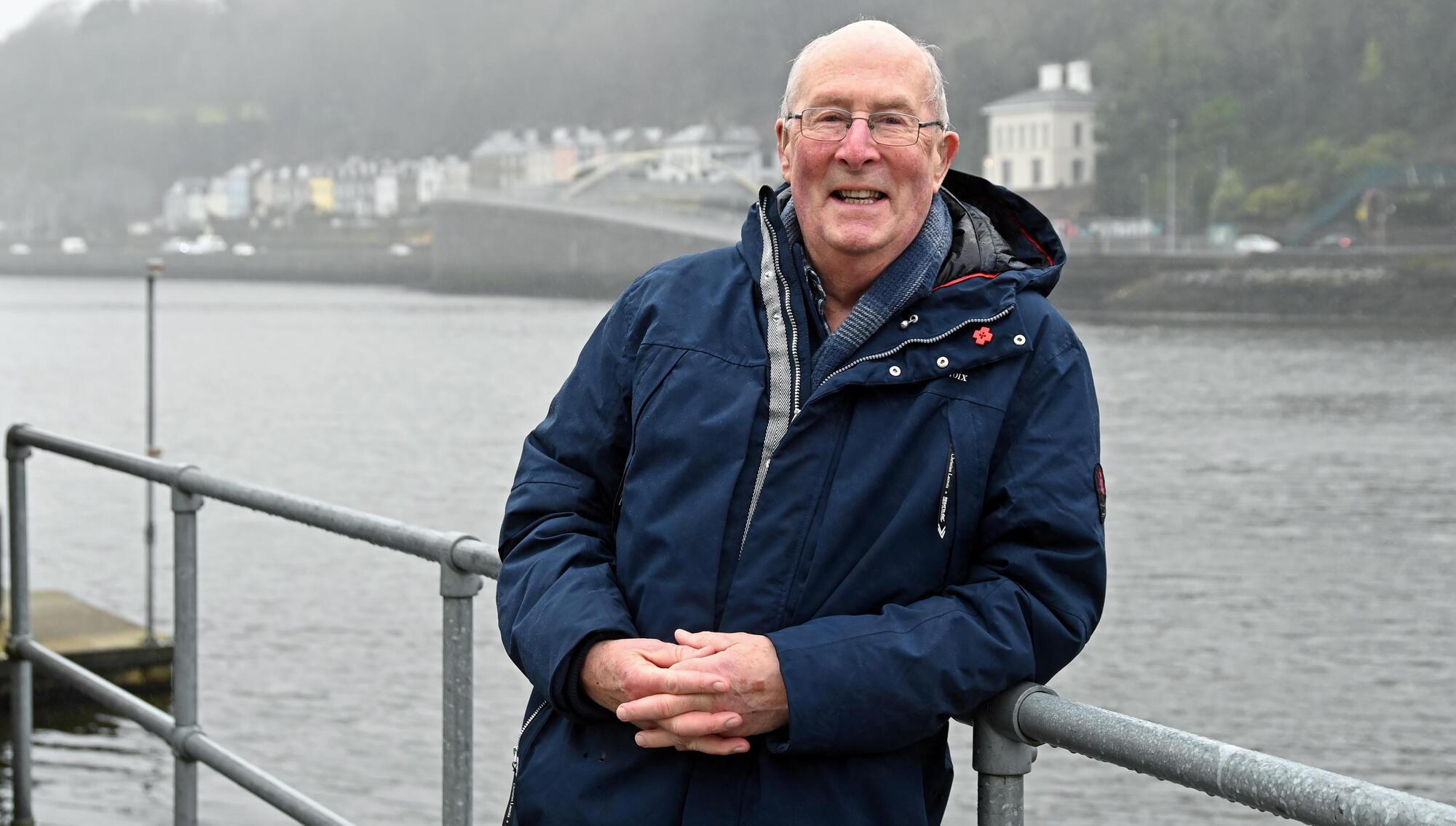
Ted Dwyer, founder of City Life Financial Advisors, Cork, at the Marina, Cork. Picture Denis Minihane.

NEVER retire if you enjoy your work. That’s the mantra of 77-year-old Ted Dwyer from Blackrock in Cork.

Dwyer set up City Life, a financial advisory business on the South Mall, in 1971. His son Eamon joined in the early 2000s and eventually took over.

Dwyer had no intention of retiring. “I love advising people on how to protect themselves financially to give themselves options when it comes to retirement. I want them to be financially able to stop working at retirement age if that’s what they want. But if they are fit and healthy and want to continue working, why shouldn’t they? It’s what I’ve done.”

Dwyer worked alongside his son until he was 72. When his son sold City Life to Invesco, he worked for the company until he was 75. “And I’m still working,” he says. “I write articles, I’ve written books, and I still do some financial mentoring.”

He can’t understand why people retire early, saying, “I love having things to do.”

Figures published by the Central Statistics Office last year show Dwyer isn’t alone. In the first half of 2023, a record-breaking 107,300 people over 65 were still participating in the workforce.

Dr Mairéad Cahill is an associate professor in occupational therapy at the University of Limerick who co-authored a 2021 study looking at the retirement experiences of women academics. That research gave her an insight into what motivates people like Dwyer to delay retirement.

“Work can provide us with a great deal of personal meaning and facilitate the development of our identity,” she says. 

“It gives a sense of purpose and opportunity to feel valued. It provides a structure to our days and a rhythm to our daily routines. Through our co-workers, it provides an available network of people with whom we can interact, and through those interactions, we have the feeling of belonging to a professional community. Any of these benefits can be a reason for continuing to work post-retirement.”

We’re also living longer and healthier lives. “Mandating that people must retire at a certain age is outdated,” says Cahill. “With people living longer than previous generations and with their physical and cognitive abilities intact, many can work post-retirement and choose to do so.”

Social connectivity

Retirement Planning Council of Ireland CEO Laura Farrell points to the wide body of research that shows how physical and mental health can be negatively impacted by retirement.“Retiring can lead to a loss in social connectivity, a decrease in physical activity and challenges to one’s sense of identity and purpose, all of which can affect our health,” she says.

Take a 2006 study by the US National Bureau of Economic Research, for example. It showed that people experienced a 16% increase in difficulties associated with mobility and daily activities, a 6% increase in illness and a 9% decline in mental health in the six years post-retirement.

But most people do not want to work past retirement age, regardless of the advantages. A survey of 900 workers conducted by the pensions and investment company Royal London Ireland last year found that while 8% said they never wanted to retire fully, 57% would hang up their boots at the age of 50 or 60 if they could afford it and another 18% would do so today.

Mark Ward, senior research fellow with the Irish Longitudinal Study on Ageing (Tilda)

Mark Ward, a senior research fellow with the Irish Longitudinal Study on Ageing (Tilda) can see why.

“If you have the necessary resources, retirement can be a wonderful time, freed from work responsibilities,” he says. “It can be a time of continued growth and enjoyment when you can do the things you may not have been able to do while working, whether that be spending time with family and friends or doing something creative or active.”

In many cases, he believes the type of job determines whether or not they want to retire. “While some work may provide numerous benefits, other jobs may be no more than a means to an end,” he says. “Those in more routinised occupations can find it to be a drudgery. They may only work due to necessity and are likely to look forward to retiring.”

Yet, with the rising cost of living, many people will have to continue working longer than they would like. The Royal London Ireland survey reported that one in three believed they would have the funds required to retire at 66.

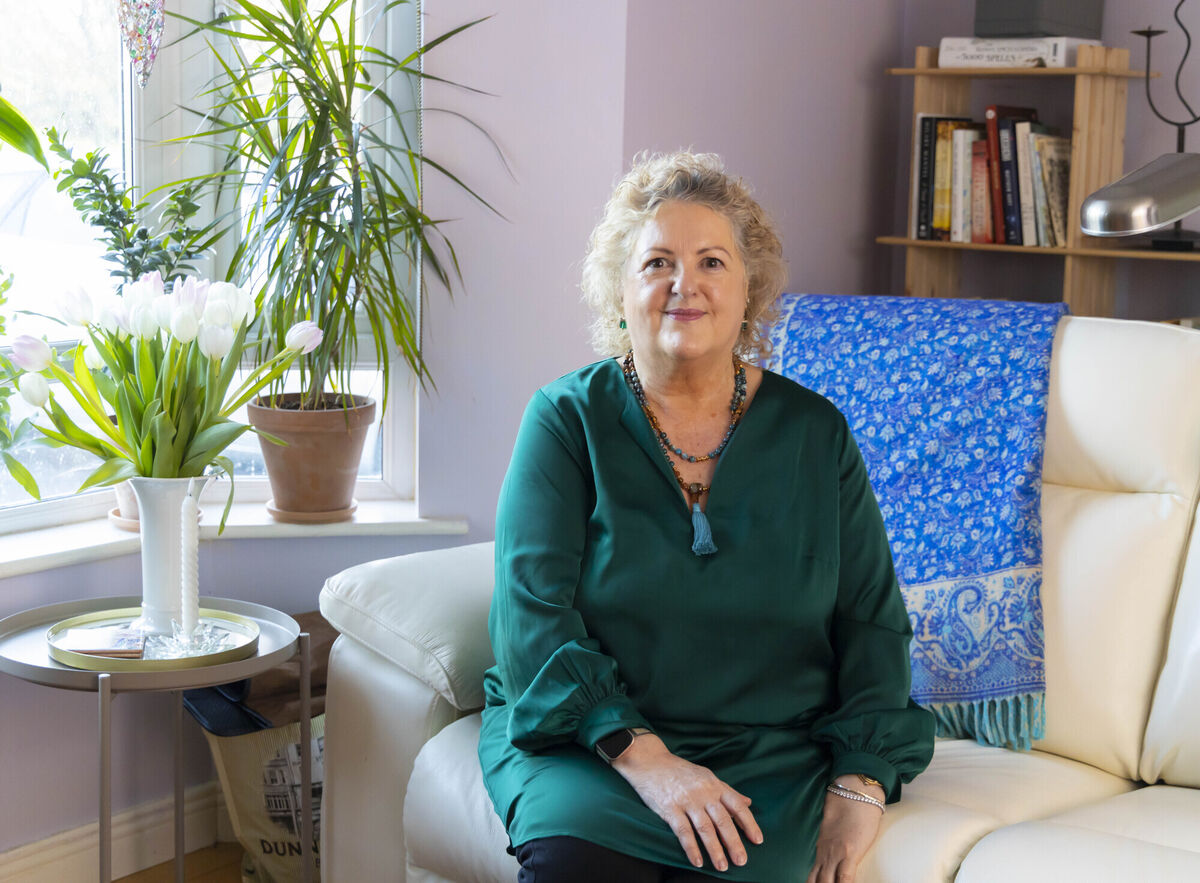
Maya Hanley from Paulstown, Co. Kilkenny. Photograph: Patrick Browne

New career path 

Maya Hanley, who is 65 years of age, is one such person. Having worked in the international tech industry since the age of 31, she moved back to Ireland and settled in Kilkenny in 2016.

“I was working with Shopify, a great company to work for, until I got laid off in October last year,” she says.

This left Hanley in a precarious position. As a single woman, she didn’t have a partner’s income to fall back upon and with only nine months to go until she reached retirement age, employers were reluctant to hire her.

“I hadn’t been able to get a mortgage due to my age, so I rent my home and even when I qualify for the State pension next year, it won’t be enough to manage,” she says.

“My original plan was to stay at Shopify and retire with a nice pension at 70. But that choice has been taken away, so I’ve decided to set up a business, www.mayahanleycoaching.com.” She plans to use her experience as a coach, a qualification she gained and used with her team while working at Shopify, to help people further their careers.

“I’m creating a series of workbooks that focus on issues to do with wellbeing ranging from mindfulness to menopause,” she says.

“People will be able to download them to use at home. I’ll be offering individual coaching sessions, too.”

Hanley is anxious about her future. “I know I have the expertise to make this business work but having to embark on a whole new chapter of my career at this age is something I never would have chosen,” she says.

Ward would like for all employees to choose whether they retire at 66.

“For people who enjoy and value their work, it can be difficult to give up, particularly when they may not have any reason to do so other than reaching an arbitrary age,” he says. “However, many will want to retire at that age and won’t want to be told they have to keep working.”

To make that choice possible, a certain amount of planning has to be done.

“We urge people to take ownership of the transition to retirement - however they would like that retirement to look,” says Farrell.

“If you’re going to leave your job, you’ll need to fill that job-sized hole in your life.”

You’ll also need to fill the salary-sized hole in your finances, a topic on which Dwyer continues to advise people.

“Having a pension fund means you can retire if and when you want to,” he says.

“By being financially prepared, you’ll be able to do whatever is right for you when you reach retirement age.

“For me, aged 77, while I love reading the papers, playing the occasional round of golf and walking the dog, I still like meeting people and giving them the benefit of my professional expertise. I intend to keep doing that for as long as I’m able.”

More in this section

Lifestyle

Newsletter

The best food, health, entertainment and lifestyle content from the Irish Examiner, direct to your inbox.

Cookie Policy Privacy Policy Brand Safety FAQ Help Contact Us Terms and Conditions

© Examiner Echo Group Limited