Workplace Wellbeing: Building bonds to overcome loneliness
Good social connections at work can ease feelings of isolation. Employers can do much by developing group-based activities, but employees need to take action too
Like many of us, Sally Leadbetter started working from home during the pandemic. 

Like many of us, Sally Leadbetter started working from home during the pandemic. 
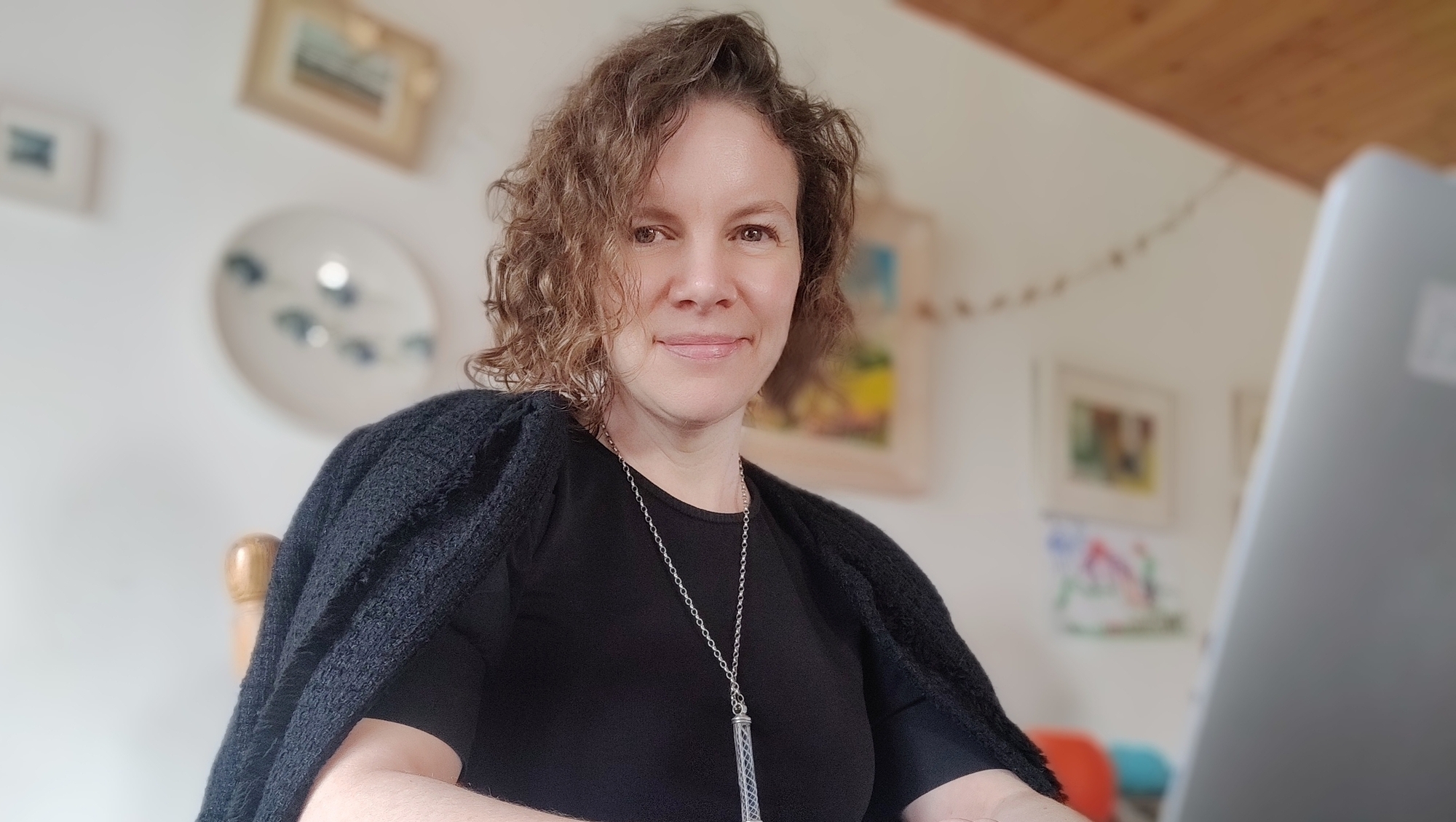
Sally Leadbetter has been lonely at work. The 46-year-old PR consultant from Kilkenny used to work in a busy agency.

“It was a sociable place,” she says. “I’d chat to colleagues. We’d bounce ideas off one another. I’d bump into people in the coffee shop across the road. There was a great buzz to the working day.”

But the pandemic changed everything.

“Like everyone, I started working from home,” says Leadbetter. “As someone who loves being surrounded by other people, it was a major shock to the system. I was able to continue doing my job, but I was so lonely.”

Things didn’t improve once lockdown lifted.

“My employer decided it made economic sense to cancel the lease on the office,” says Leadbetter. “So I continued working from home.”

She has since taken on a new job for a company located an hour from her home.

“I have the option of going into the office now, but it makes little sense to spend two hours on the motorway every day, so I still work from home a lot and I can still find it lonely.”

Leadbetter is one of many struggling with workplace loneliness. In Microsoft’s Work Trend Index 2022, 37% of Irish workers reported being lonely and 44% said they found it difficult to build relationships with colleagues.

Loneliness is part of a broader societal problem, one that the WHO has declared a global health concern. It’s particularly acute here in Ireland, with a 2022 EU-wide survey revealing that we have the highest rates of loneliness in Europe, with 20% of us feeling lonely all or most of the time.

Bodies such as the WHO are concerned because loneliness can take a toll on physical and mental health.

“People who are well connected socially tend to be happier, less depressed and even live longer,” says Dr Joanna McHugh Power, an associate professor in psychology at Maynooth University who sits on the government’s Loneliness Taskforce.

A 2015 meta-analysis by the University of York examined the medical records of 35,925 people and concluded that loneliness increased the risk of heart attack by 29%, stroke by 32% and dementia in older people by 50%.

Sally Leadbetter
Sally Leadbetter

Social workplace is more productive

Having good social connections with our co-workers helps us to perform better. A 2018 study published in the Journal of Applied Behavioural Science showed these connections improved productivity and job satisfaction in the workplace.

“Fundamentally, we’re social beings,” says group analyst Belinda Moller, a member of the Irish Council of Psychotherapy. “It’s the broad span of our connections, relationships, and spontaneous encounters that give life to a rich exchange of ideas, points of view, reactions, thoughts and experiences.”

The workplace is one of the most significant sources of social relationships.

“Many of us spend more time at work than we do with our families,” says McHugh Power. “And even if our colleagues are more likely to be weaker social ties, they tend to do a lot for us, including practical things like giving us lifts to work, covering for us when we have a sick child or helping us settle into a new job.”

As humans, we need the full spectrum of social connections, from close ties with family and friends to weaker but still important ties we often have with colleagues.

“We need close ties for emotional support and feelings of intimacy,” says McHugh Power. “And we need weaker ones for social engagement and feelings of belonging.”

If we don’t have those ties, we are more likely to feel lonely. Other experiences can also increase the risk of loneliness at work, such as a competitive work atmosphere, hostility and bullying.

“People who are lonely more generally also tend to be quite sensitive to social cues, particularly potential social threats or shame,” says McHugh Power.

“So if you’re going to work on Monday morning after a lonely weekend, you’re likely to be more sensitive to being left out of the coffee run.”

Dr Joanna McHugh Power. Picture: www.tadhgnathanphoto.ie

Pandemic highlighted loneliness

Dublin-based psychotherapist Paul Hughes believes the pandemic exacerbated these problems by disconnecting us even more.

“A lot of my younger clients really missed the social interactions they were used to having or looking forward to developing in the workplace,” he says.

Hybrid working has improved their situation somewhat.

“It allows many to have those interactions and create connections,” says Hughes. “But there’s still a lack of opportunity for some to forge relationships with their colleagues.”

Moller has clients with similar issues.

“All sorts of social exchanges and connections contribute to a satisfying work life,” she says. “But the most important is having enough face-to-face contact. It helps us learn how things are done, how the hierarchy works and how to make a contribution to practical everyday problems. If it’s absent, feelings of loneliness are likely to result.”

Hughes would like to see employers acting to counter loneliness.

“In some ways, it was easier when we were all in the same boat during lockdown,” he says. “Now, as the era of hybrid working emerges, I often hear people talking about feeling outside of groups at work. Employers can provide staff with opportunities to come together.”

This might mean assigning more collaborative work or group-based tasks, organising team-building exercises, setting up employee resource groups or even creating a buddy system in the workplace.

However, different people have different needs.

“We all have such different social needs that the same workplace can fulfil the needs of some employees while leaving others lonely,” says McHugh Power.

“It’s not a one-size-fits-all solution but that said, employers can be forces for good in increasing their employees’ levels of social interaction. For example, offices can be open plan and designed around communal water coolers and kitchens.”

Employers can also take a proactive approach to minimising workplace conflict.

“Things like workplace wellbeing programmes and promoting open communication can be beneficial,” says McHugh Power.

Outside of employer initiatives, the onus is on the individual to help themselves.

“Take advantage of any opportunity for interaction that’s presented to you,” says Hughes. “If you find yourself on the sidelines, reach out and talk to someone, even a professional.”

Moller agrees: “To feel good about ourselves, we need to find others to connect with. So introduce yourself to new colleagues, attend social events at work and take an interest in the lives of those around you by asking them about their families and hobbies.”

Leadbetter’s experience has taught her how much she needs social interaction at work and she has taken steps to find it where she can.

“I often work in coffee shops,” she says. “I also attend monthly meetups in the office because I know that all my colleagues will be there. I always turn on the camera in virtual meetings to encourage the chance of seeing some other humans and I’ve joined networking groups to build more connections.”

She is opening a PR agency of her own, www.prpartners.ie, later this year and has factored a co-working space into her set-up costs.

“That’s entirely to counter loneliness,” she says. “I’m looking forward to getting to know the other people who work there and to them becoming part of my working day. I know now that being around other people is vital for me.”

More in this section

Lifestyle

Newsletter

Eat better, live well and stay inspired with the Irish Examiner’s food, health, entertainment, travel and lifestyle coverage. Delivered to your inbox every Friday morning.

Cookie Policy Privacy Policy Brand Safety FAQ Help Contact Us Terms and Conditions

© Examiner Echo Group Limited