Natural health: Is there a remedy for sensitive teeth?

Several things can trigger hypersensitivity in the teeth.
It is good to hear that your toothpaste is helping to provide some relief. Several things can trigger hypersensitivity in the teeth. An increase in stress levels, food intolerances, or even nutrient deficiencies can all play a role in tooth sensitivity.
Digestive health is one of the main factors when it comes to sensitive teeth. Your gut flora has a huge impact on saliva pH and the mineralisation of our teeth. Since our gut flora is impacted by stress, it follows that stress can lead to sensitive teeth.
Saliva is a combination of enzymes, peptides, minerals, and bicarbonate, and our teeth are continuously ‘bathing’ in this solution. Healthy saliva should have a pH of around 7. If saliva is too acidic the enamel becomes weakened and porous, which contributes to sensitivity in the teeth and provides an optimal environment for decay to set in.
When saliva is too alkaline it can contribute to excessive calculus buildup, so it is important to get the balance right. Healthy saliva contributes to the re-mineralisation of your teeth and assists in the balance of bacterial flora, hormone production, and digestive function.
Balancing the saliva’s pH is most easily achieved through a balanced diet rich in vegetables and fruit and wholefoods. Fat-soluble vitamins such as vitamin A, vitamin D3, and vitamin K2 are all key to dental health. You can test the pH of your saliva quite easily at home using a strip test, which is available from most pharmacies and health stores.
If your mouth is too acidic then a salt rinse is a great way to create a more alkaline environment quickly and helps to eliminate pathogenic bacteria. Swish and spit with the salt solution twice daily after brushing your teeth, and throughout the day following food if possible.
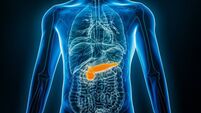
Typically a drain is used to help the flow of bile when stones are blocking the bile duct or gall bladder. Without the drain there is a risk of the gall bladder becoming infected or even bursting due to blockage and swelling.
There are herbal remedies thought to help break down gallstones, however (as with any natural remedy or lifestyle change used alongside medical treatment), you will need to consult with your specialist to see if it is possible to take your remedy of choice.
Cholesterol is typically the main component of gallstones, so it’s vital to keep your levels in check. Lecithin has been shown in clinical trials to make cholesterol more soluble. Lecithin is found in eggs, liver, soybeans, cauliflower, oranges, peanuts and dandelion.
Vitamin C helps to lower bile cholesterol levels – ideally take 1,000mg, three times daily. Look for a lipotropic combination of nutrients, usually containing milk thistle, choline, inositol, and methionine. This helps to metabolise fats more effectively, supports liver function, and promotes healthy bile flow. Milk thistle alone can help to dissolve gallstones when taken at a dose of 250-500mg daily.
The South American rainforest herb Quebra pedra (Phyllanthus niruri, also known as Chanca piedra) breaks down gallstones and helps relieve inflammation and muscle spasms. The name roughly translates to ‘stone breaker’, and the herb has been proven effective without side effects or contra-indications.
You can take this remedy as a tea or in capsule form. Rio Health’s Quebra pedra teabags and capsules are available from health stores where the tea costs €13.40 for 40, and the capsules cost €33.50 for 90 x 500mg capsules. Take as directed.
- Do you have a question for Megan Sheppard? Email it to feelgood@examiner.ie
NOTE: The information contained in this column is not a substitute for medical advice. Always consult a doctor.

CONNECT WITH US TODAY



Be the first to know the latest news and updates