Natural Health: My gums feel sensitive after dental treatment
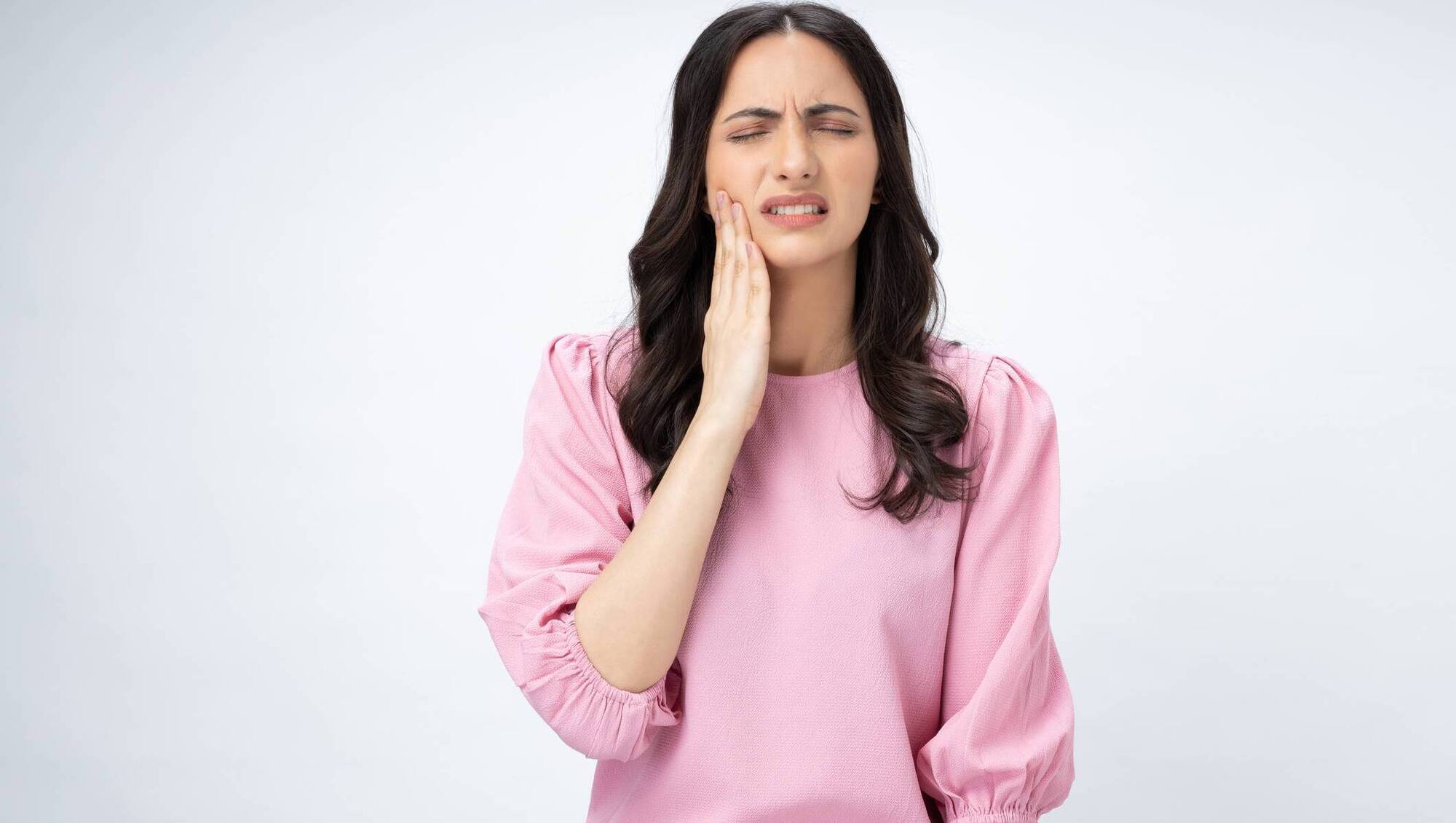
A simple salt-and-water solution is an excellent place to start, as it helps heal the gums, manage or prevent infection, and reduce inflammation. Picture: iStock
The tenderness and sensitivity you describe can be quite a common response to extensive dental work, particularly when areas of your teeth that were previously covered have been exposed. This is all the more true when the gums are receding or the gum pockets are deep.

A simple salt-and-water solution is an excellent place to start, as it helps heal the gums, manage or prevent infection, and reduce inflammation. Use ½-1 teaspoon of salt per 500ml of warm water and swish twice daily after brushing and flossing. You can add a drop or two of clove bud tincture to the rinse, or simply apply it to the affected areas with a cotton swab, as it is a natural analgesic.
It also helps to avoid foods and drinks that might irritate your gums while they are settling down. This is particularly important with acidic citrus fruits, vinegar, and carbonated drinks, as these can all contribute to sensitivity, and even wear down the enamel.
A somewhat surprising natural remedy for oral health is raspberry leaf tea (Rubus idaeus). Usually associated with the final trimester of pregnancy, this nutritious herbal tea can soothe gum and mouth issues — even helping to heal mouth ulcers — as it is a highly bioavailable form of calcium, iron, potassium, phosphorus, and vitamins A, C, and E.
Boswellia serrata can be used in place of ibuprofen to address pain and inflammation. The active ingredient boswellic acid is known for its anti-inflammatory properties and may help support healthy circulation. For intense or acute pain, you can take 300mg three times daily. For long-term or low-level pain, you would only need to take half this amount (150mg, three times daily).
Several natural toothpastes help soothe nerve endings and remineralise tooth enamel. Most of these contain active ingredients such as potassium nitrate, aloe vera, or arginine.
If your sensitivity persists beyond two weeks or worsens, contact your dental professional.
It is good that you’re addressing the diagnosis immediately, as osteopenia (thinning of the bones) is considered a precursor to osteoporosis. Exercises such as regular walking, stair climbing, and using a rebounder or mini trampoline are excellent places to start to improve bone density.
The fact that you are fit and well certainly gives you an advantage in building and maintaining strong and healthy bones. We often consider bones as being solid and lifeless when, in fact, they are living tissue impacted by diet and exercise. Cells called osteoclasts are continually breaking down old bone tissue, while osteoblasts stimulate the growth of new bone tissue. Unfortunately, after the age of 30, bone tissue is being absorbed faster than it is being formed.
Diet is a crucial factor, particularly ensuring you get plenty of essential fatty acids from nuts, seeds, and oily fish. While a balanced whole-foods diet is an excellent foundation, you may need to supplement with a range of minerals, along with vitamin D, for optimal support.
Vitamin D is crucial for the absorption and utilisation of minerals such as calcium, magnesium, and zinc. Osteocare by Vitabiotics provides the recommended daily allowance of 800mg calcium and 300mg magnesium, together with vitamin D and zinc, for bone protection.
Limiting alcohol and highly processed foods can support bone health, while balancing oxalate-rich foods may help improve mineral absorption.
- NOTE: The information contained in this column is not a substitute for medical advice. Always consult a doctor
Celebrating 25 years of health and wellbeing