Is this the end of the weekend as we know it?
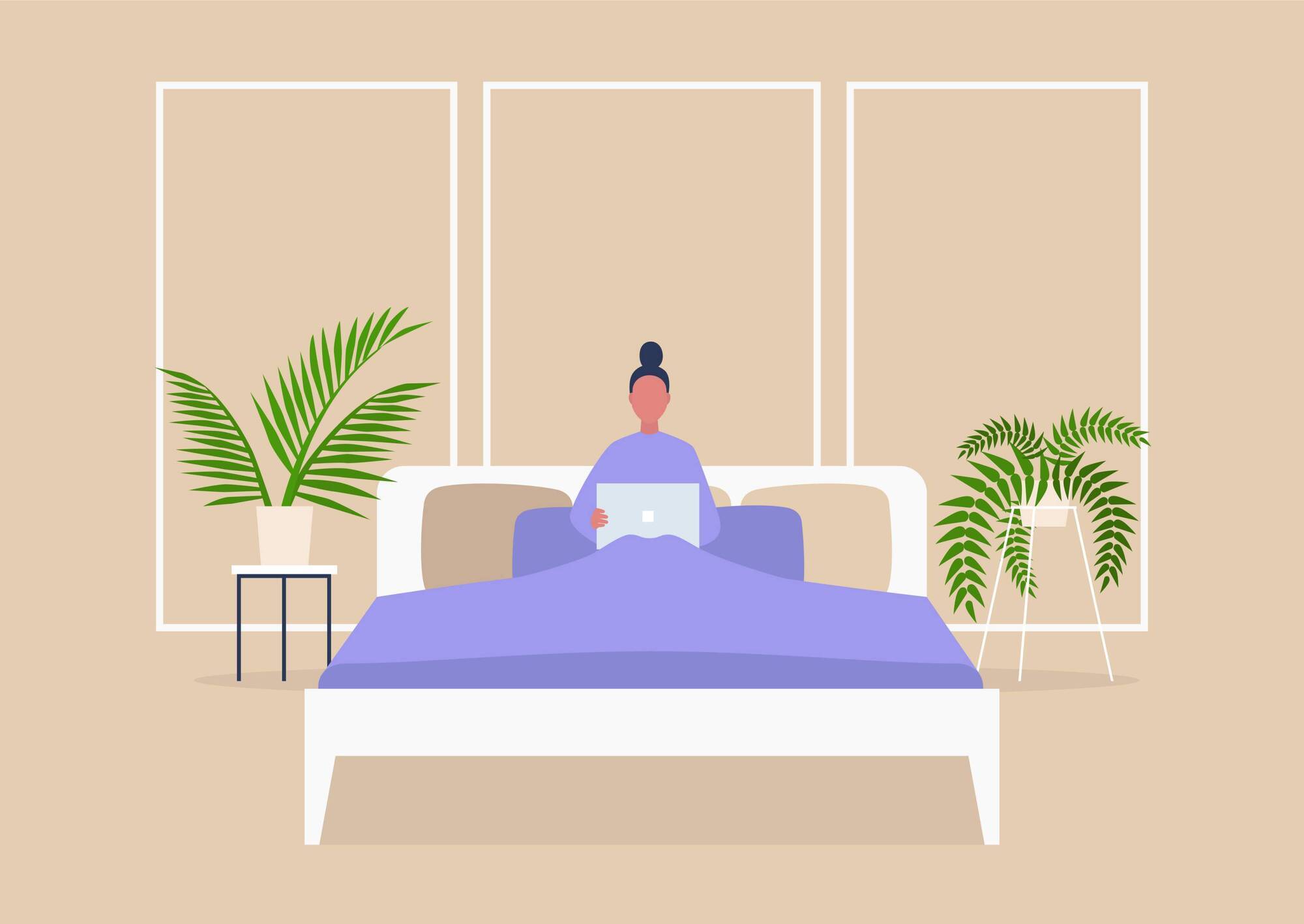
Throughout 2020, as working from home became the norm, we increasingly found ourselves checking in with work in the evenings and at the weekend. If your work-like balance is off kilter, now is the time to sort it out.
Working from home has had many benefits. No commute is good for the soul and the environment, flexible hours have made school drop offs and pick ups — when we have them — less fraught and there’s time to schedule those jobs around the house that need doing. But it’s not the panacea that we thought it would be.
Backs are sore from cobbled together kitchen desks, meetings are interrupted by children and pets, and more and more we find ourselves checking in with work in the evenings and at the weekend.
A controversial column written recently by Canadian lawyer Howard Levitt about the “insidious development of time theft” claimed that employees were essentially stealing from their employers by sitting idle as they got paid. The reaction to the piece was not pleasant and he was on the receiving end of hate mail.
But as well causing a stir, Levitt was wrong.
A survey by Nashville-based human resources firm OI Global Partners asked business leaders at 585 companies of all sizes across 16 countries about the phenomenon. It found that 39% of them reported no change in worker productivity since the pandemic began and 43% of them actually reported an improvement.
But does that improvement in productivity come at a price? The old 9 to 5 workday may be an archaic construct, but are we now blurring the lines of home and work to the point that we are living in work as much as we are working from home.

Leisha McGrath is a work and organisational psychologist and coach and often works with large companies on this area.
“I think we need to be honest with ourselves about what is working and what is not working for us as individuals. As a psychologist, I can tell you that some people love routine, clean-cut days that start and finish at clear times, with clear breaks for lunch and maybe exercise.
"For these people, boundaries are particularly key. Having a separate nook to work in and delineating that as best you can from the rest of your day/life can really help.
"Many of my clients with this preference are enjoying getting outside for a run or a walk or doing a class before they start work — in place of their usual commute. Then getting work-dressed (and not just on the top up!) is also helping separate the working part of their day from the life part.
"Finally, taking regular breaks and ending for the evening at a pre-set time, rather than letting work drift into all times of the day, is another important tool.
“It’s really important, however, to realise though that not everyone likes to work this way. In my practice I meet these people all the time and, in fact, it’s also true for me. I myself would crack up with that level of predictability, yet many people do assume it’s the norm and feel judged if they don’t 'fit in the box'.
“For people like me — and many, many others — we enjoy having work as part of our day and boundaries are less important to us. We don’t mind firing on a wash in between meetings and actually enjoy being able to catch up on household duties and exercise plans mid-work-stream.

"We enjoy the meshing of work and life but, in order to maintain a balance between the two, I would suggest that people with these preferences look at what they want to achieve each day and set themselves manageable tasks, rather than trying to get everything done, every day, which can overwhelm anyone.
"Without these realistic outcomes in mind, there is the potential to have very long, non-stop days and everyone, no matter what your work-style preference, needs regular breaks in order to thrive in their lives.
“We don’t really have access to the usual 'stop' signals that we would have had before — like needing to catch our train, others leaving the office etc — so it’s important to manually put them in. Being clear about what is achievable each day, celebrating each mini success along the way and tuning into how we feel each day in an honest and non-judgemental way is, in my view, the only way to play this as a long game. Which is where it’s at.
"And communicate, communicate, communicate. Especially on the days when you are struggling.”
However, company culture is set from the top down and if there are expectations that you will take a ‘quick’ call at 8pm or reply to a ‘short’ email on a Saturday, it can be hard to say no.
Few of us want to be the one to take a stance and say that enough is enough, but boundaries are vital for a healthy work-life balance and, if we don’t set them, who do we have to blame but ourselves at the end of the day?

Leisha says that some clear conversations are the key to explaining what we need.
“Frank and honest discussions here are necessary. We need to first be clear about what is authentic for us and then be able to communicate that using clear language.
"Bosses should really be focusing on outcomes so, once you are delivering on what you’ve agreed, there should be no need for overly frequent calls/emails.
"At a recent Boundaries workshop that I ran, participants took the time to draw images of what the physical boundary might look like for each person/setting and it really helped them to visualise this image when they were being pushed to cross their boundary against their will and to hold firm.”
Career coach Angela Burke (@theintegrativecoach) agrees and says that employers have a unique opportunity now to implement a healthy work environment for their teams, but that we have to play an active role in getting what works for us.
“A lot of companies have certain work-life balance initiatives in place that employees can leverage to support with boundaries.
"Employers have an opportunity to set a healthy tone around work-life balance that encourages adoption by employees. However, at the end of the day, it's up to each of us to set our own boundaries as one size really doesn’t fit all.
"We all have different stress tolerances, different career goals at play and, of course, varying personal situations. There’s a real sense of achievement and personal growth that comes with setting reasonable boundaries for yourself.”
Switching off is vital and time where we don’t think about work is important for our mental health.

Answering mails late into the evening and working at weekends doesn’t give our brains time to decompress and can affect our sleep and contribute to burnout.
Often dismissed as a buzzword, burnout is all too real and happens in reaction to prolonged periods of stress and overwork. You may recognise some of the symptoms like headaches, short temperedness, taking offence easily and negative feelings about your work.
Sure, a lot of 2020 may have contributed to feeling this way but, if it’s familiar to you, you may also need to look at how you’re managing your work.
Angela Burke says that drawing a line between work and home is a matter of habit.
“Creating and maintaining work-life balance habits can really support you in switching off. Things like completely shutting down your laptop each evening, getting out for a walk straight after work and creating headspace for yourself throughout the day through even 10-minute intervals provide the foundations for switching off fully.
"We can easily forget to spend time switching off, but figuring out a way that works for you and proactively scheduling a 'switch off' date with yourself frequently throughout the week really works.”
Accountability is another useful tool in learning how to step away — whether that’s a partner, friend or a work colleague that you check in with and remind that the day is over (in the same way you might say goodbye when leaving the office). Knowing that someone is there to remind you that there is a line between work and the rest of you life might be the key to reclaiming the balance so many of us have lost this year.


CONNECT WITH US TODAY



Be the first to know the latest news and updates