What 20 years in fashion taught me about finding my personal style after becoming a mother
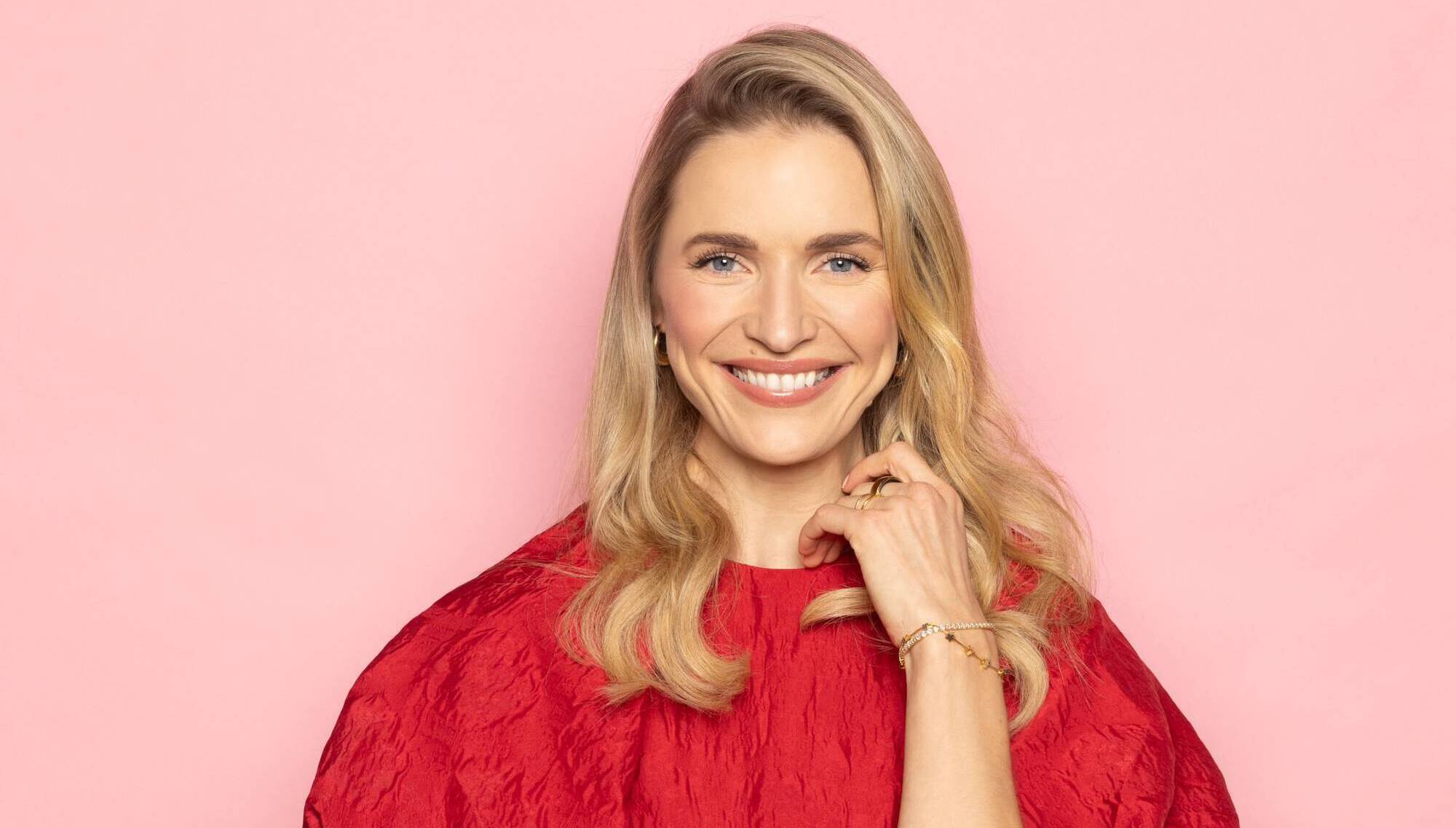
Teodora Sutra: My own style has evolved dramatically from my early modelling years Picture: Emily Quinn
When you work in fashion for two decades, you develop a strange relationship with trends.
They come and go like the seasons, recycling themselves every few years with a slightly different spin, often returning when you thought they had finally been laid to rest.
I’ve worn everything from ultra-low rise denim to sculptural couture, oversized streetwear to the most delicate of barely there creations. I’ve seen — and been — the pendulum swinging wildly between “more is more” maximalism and the austere minimalism of clean lines and neutral palettes.
I think one of the biggest misconceptions is that, one day, we simply “find” our personal style and it stays frozen forever. In reality, lifestyle, age, career, confidence and our priorities at any given time all have an influence on how we dress.

My own style has evolved dramatically from my early modelling years (I cringe looking back at photos when I was experimenting!), but becoming a mother was the hardest change.
I felt lost. I felt like I should stay the same, that if I changed, it meant losing who I was before having kids.
Clearly, it’s a stage in life where many of us struggle. Laura Jordan, founder of StyleSavvy — one of Ireland’s largest style consultancies — estimates that around 40% of the agency’s first-time womenswear clients seek support after having a baby, many as they prepare to return to work for the first time following maternity leave.
You are not who you were before motherhood. You’re a version of yourself —with new roles, new rhythms and new needs. But, ultimately, it is just another evolution in your style.
For me, it has made me more intentional, more selective and more grounded. I chose pieces that let me live my life while still feeling elegant and put together.
After 20 years of fittings, castings, editorials, runway shows, endless hours in front of the camera , here’s what I’ve learned about trends, style, and how to build a wardrobe that’s
unmistakably yours.
When I started modeling in my teens, trends felt like commandments. If something was “in” you wore it. If it was “out” you retired it immediately, no questions asked.
But with time , I realised that trends aren’t rules , they’re conversations.

Trends should feel like an invitation to try something new, not pressure to become someone you are not. The moment a trend feels like a costume on you, that’s your sign it isn’t yours to wear.
After years of working with boundary pushing stylists, including Corina Gaffey and Courtney Smith, both of whom are incredibly skilled at mixing bold prints and unexpected textures, I’ve learned to appreciate the magic that happens when you step outside the rule book.

I personally find this a little hard to do myself as it takes a bit of edge and I’m a play it safe girl for most part. But, I’ve learned some simple tricks that I took away with me, like pairing something ultra feminine with something tomboyish, or taking two completely clashing prints and combining them together to create some magic.
Style isn’t about the perfect adherance to the trend cycle, it’s about confidence, curiosity and a willingness to explore. The people who seem effortlessly stylish are usually the ones quietly rebelling, not following the instructions. But it only works if what you put together you wear with true confidence. Your signature style hides within pieces you repeat.
If you’re trying to define your personal style, don’t look at mood boards — start with your laundry pile.
The pieces you instinctively reach for every week, those tell the truth. Over the years, I noticed that no matter what I was shooting, editorial, streetwear, luxury , there were shapes,textures and colours that I always came back to in my personal life. For me that includes clean lines, tailored trousers, neutral palettes, and pieces that feel elegant and classic, without trying too hard.

Ask yourself: What items do you buy again and again? What silhouettes make you stand taller? What fabrics make you feel most like yourself? Which outfit makes you feel instantly polished?
These become your style anchors, the foundation you build everything else around.
A simple, well tailored outfit will always outshine an elaborate, trendy one that doesn’t suit your body shape or fit well.
And fit is deeply personal, it’s not about being a specific size, it’s about harmony with your body.

Some of the most stylish people I know wear the same shapes over and over because they’ve learned what compliments their frame and what doesn’t. Once you know your silhouettes, shopping becomes easier, styling becomes intuitive, and trends become optional rather than overwhelming.
Trends today move at lightening speed. Social media makes you feel like you need a new wardrobe every week , and the pressure to keep up can be quietly exhausting.
But here’s the truth, most of the trend pieces you see everywhere won’t matter in six months.

What matters are the timeless, well made items that you feel incredible in. The ones you reach for year after year. These pieces create continuity in your style, they make your wardrobe feel cohesive rather than chaotic.
Here’s what I found worthy investing my money in: a tailored blazer that fits like it was made for you; high quality basics — T-shirts, denimand knitwear; a pair of heels or boots you can walk confidently in; bags that elevate your outfits without shouting for attention.
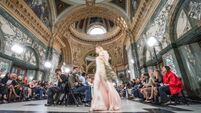
At every seasonal fashion show launch, I slip into at least four completely different personalities.
That’s the power of fashion, it has an extraordinary ability to transform not just how you look, but how you feel.
We often treat fashion as something superficial, but it’s deeply emotional. The right outfit can change your posture, your mood, your confidence.
When you work with your own true personal style, you tell a story without speaking.
It’s the quiet confidence that comes from knowing you are wearing what works for you, not what’s on trend.