I went to the Cork skin clinic that's home to the future of lasting skin health — here's what I learned
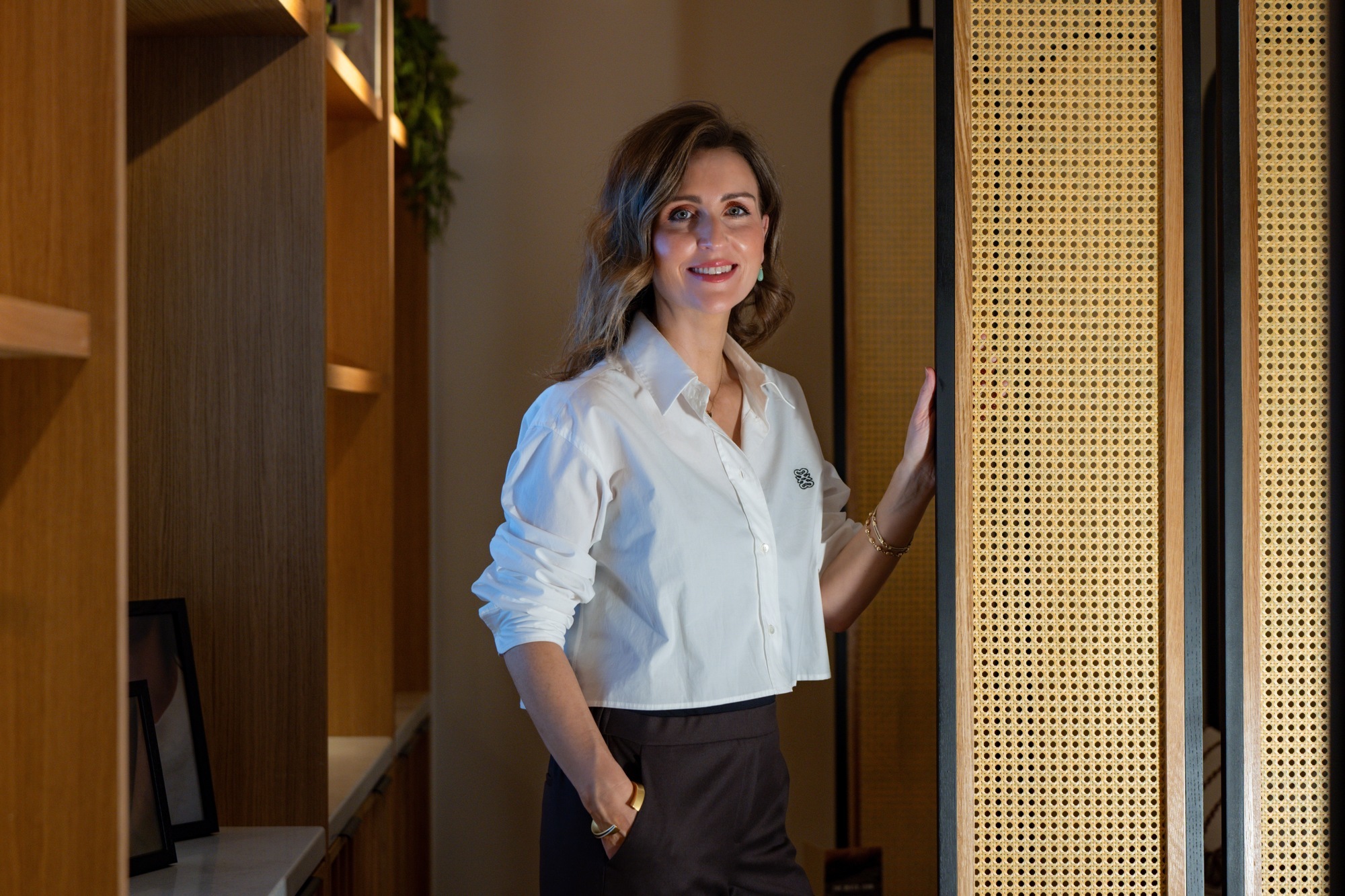
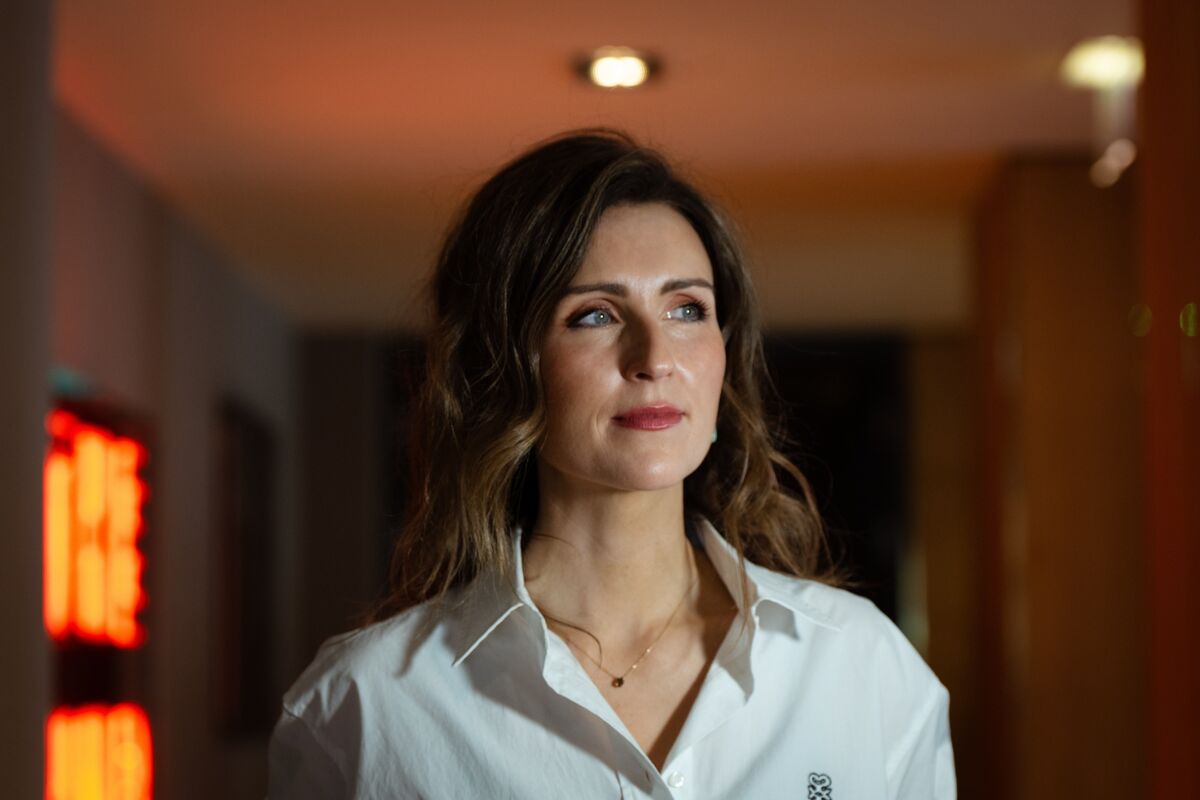
Dr Louise Smyth owner of ‘Kins’ at the River Lee Hotel. Pictures: Chani Anderson
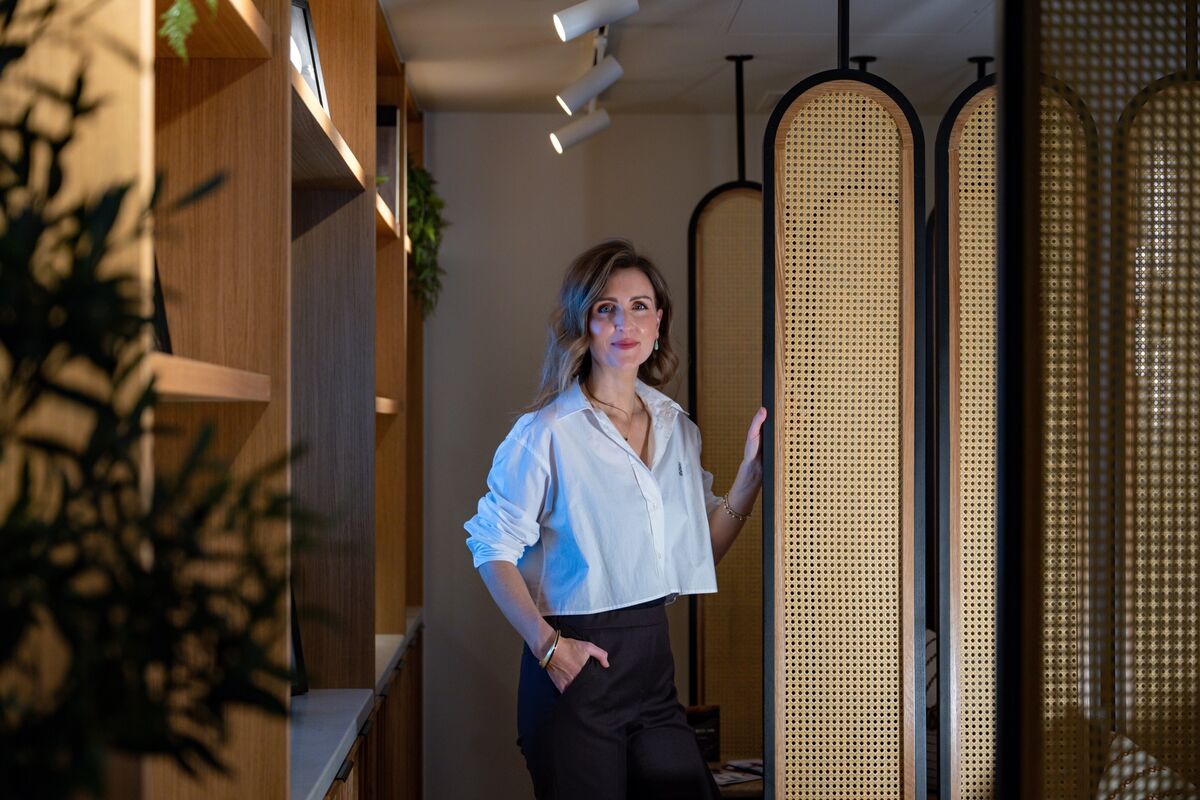
I’m introduced to Dr Louise Smyth in the waiting room at KINS. We both pause. There’s a moment of recognition.
It turns out that Dr Louise (as she’s known to her clients) was a GP, and one who had guided me smoothly through vulnerable life stages, from pregnancy to early motherhood. Standing in the waiting area of KINS, there is immediate trust.
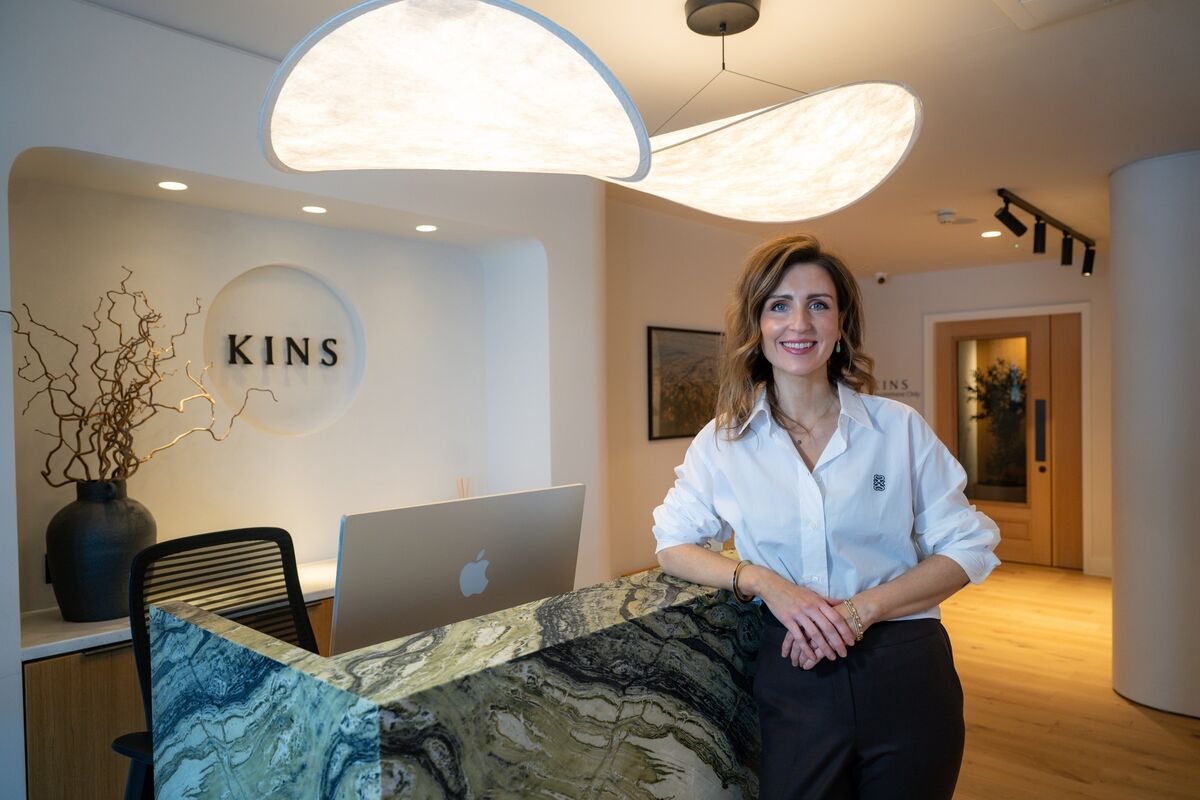
Open just a year at the River Lee Hotel — though well established in Dr Louise’s home town of Kinsale — I was invited to experience the advanced facial suite and aesthetics clinic.
New to my 50s, and after years of unwise sun exposure in Australia, I have watched my skin gradually age. I’m accepting of it, and resistant to Botox and filler, but I’m curious about my options. I have, it turns out, come to the right place.
Dr Louise hears my hesitation around Botox. She admits that she often says no to clients who come in looking for specific procedures or interventions.
“For certain face shapes, Botox is transformative, and for others it’s not,” she explains. “Botox always looks better on good quality skin, so we often do Botox in tandem with skin-strengthening procedures when we feel it will benefit the patient.”
Dr Louise is hesitant to call KINS an aesthetic clinic. Yes, they provide everything you’d expect of these clinics — but her training as a GP shines through.
“I want people to trust what we have to say. We are about skin health and ageing well. Our goal isn’t to make people look like a model, and aesthetics can be known for that. We don’t change you.
“We are trying to preserve — to keep skin as strong as possible going into the next decade.”
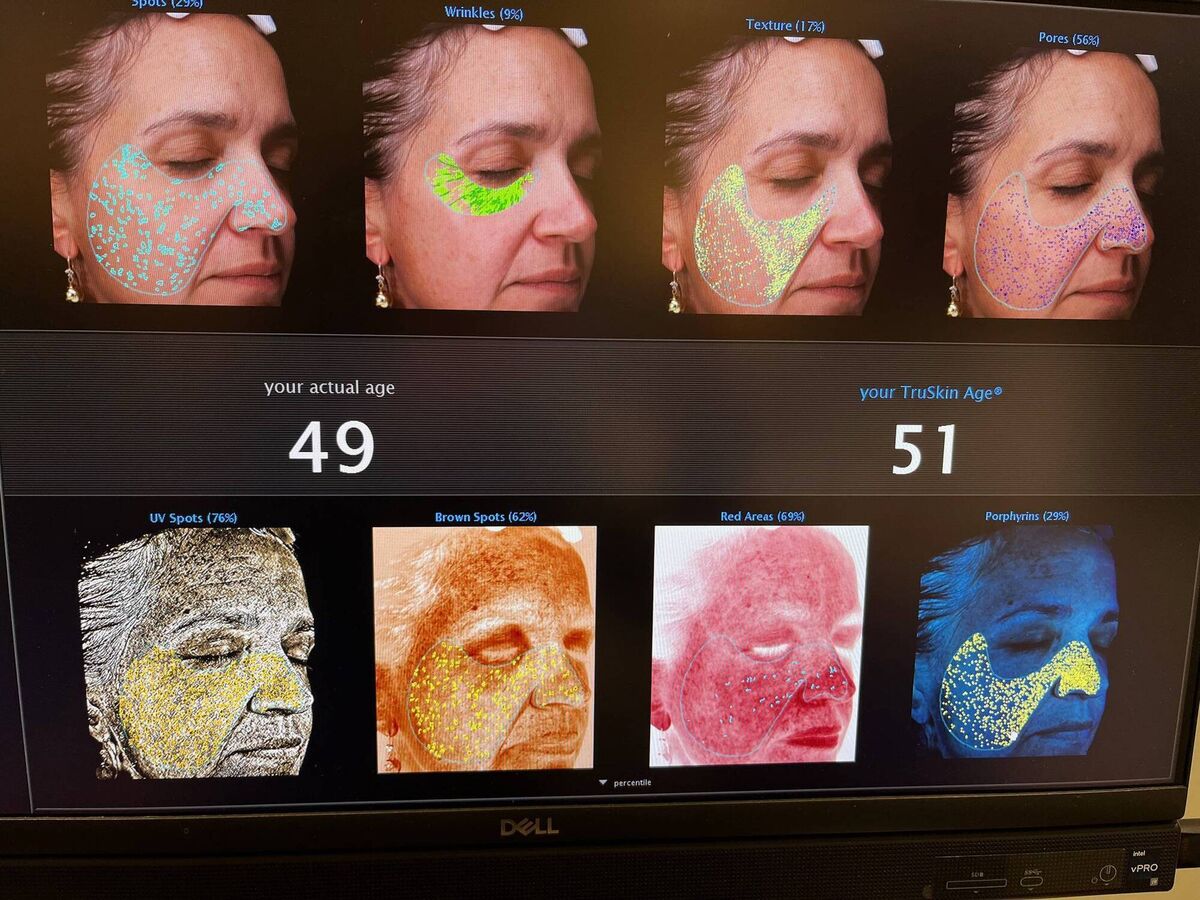
For me, the aim should be collagen growth, she advises. But, we start by tracking my face in the Visia machine.
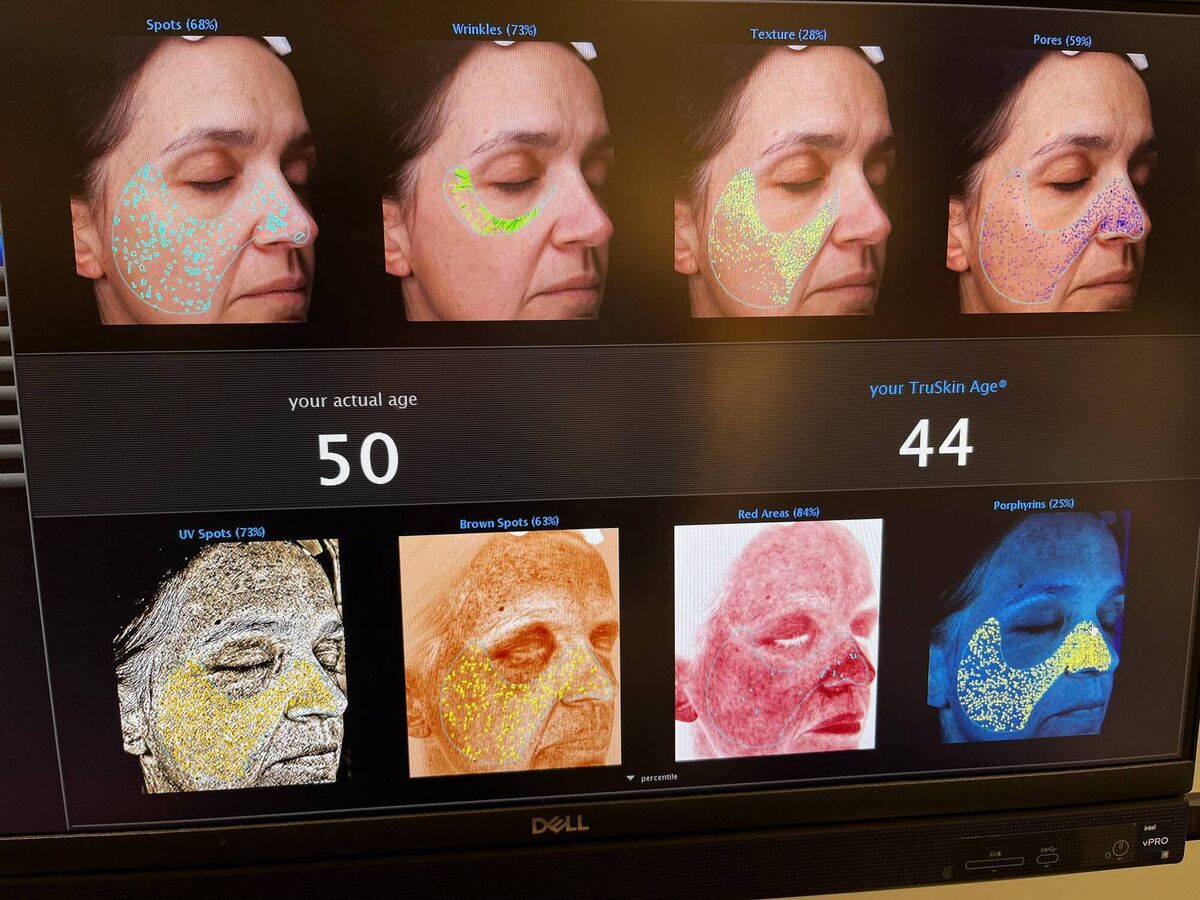
“We analyse the skin with the Visia skin analysis machine so we have an objective baseline and we can clearly explain to the patient what parameters we’re looking to improve to make their skin look and feel stronger and healthier,” she explains.
I’m 49 for the first Visia reading — my skin age comes out at 51. A bit of a downer, but not devastating either. (Louise meanwhile, age 42, has a skin age of 32, and tells me she never wears foundation.)
She also shows me how my skin would look aged 80 without any intervention. It is, admittedly, a terrifying image, but I would feel lucky to reach the milestone.
For me, Louise recommends the Fotona 5D facelift (despite the name, this doesn’t actually involve surgical intervention).
“The Fotona laser was originally developed for surgical and urogynaecological treatments and is still used in medical settings today, which gives it a depth and credibility we value,” she says.
“Our Fotona skin laser is exceptional at tightening skin in the deeper layers. The 5D facelift treats the whole face and neck. There is also a specific setting for the eye area called Smootheye which targets loose crepey skin.”
Essentially, these are laser treatments, carried out in five steps over a 90-minute appointment.

Three sessions will be required, she says, to target sagging and laxity in my almost 50-year-old skin, with an annual top up recommended to maintain the results. The first step is inside the mouth, to tighten tissue and stimulate collagen.
A fractional laser treatment targets skin imperfections, reducing redness, and pore appearance while treating deeper layers for a more even complexion.
The next step, ‘piano’, focuses on skin tightening, applying consistent heat to the skin to boost collagen and tighten the skin from within.
A gentle, superficial laser peel removes dead skin cells to improve texture and minimize pores.
The steps aren’t pleasant, but they aren’t painful either — Alex, also a therapist at Kins, describes them as ‘spicy’.
Louise is taking a big picture approach to my skin. She could give me a signature treatment — IPL, microneedling and LED — that would give immediate results but that would only target the first skin layer. The Fotona machine digs deeper, building collagen. The effects will come months after the treatment, as collagen grows. And she’s right.
The 90-minute appointments with Alex, trained at Harley St, are scheduled roughly six weeks apart. There is a little discomfort, but no pain. The downtime is minimal — the evening after the session my skin glows red from the peel. But beyond that, the impact is minimal.
I return for my third session, and Louise also recommends her Kins Signature Grade 2 Protocol to target the top layer of skin and reduce pigmentation (those years in Australia took their toll). A Dermalux LED session is scheduled afterwards for healing, easing any downtime.
The Signature Protocols are KINS’ most popular bookings. “Anything on the skin surface gives a bigger wow — but I am only doing that with you now,” she explains. “I needed layer two and three to tighten and lift for next year.”
Combined with all of this, I use her recommended Zo Skincare at home — a relief for my skin after years of chopping and changing a multitude of products and labels.
Two weeks after my third session, I return and sit in front of the Visia again. Louise and Alex have already shown me before and after photos. The redness and shine in that first photo are diminished, the pigmentation vastly reduced. Over the weeks, I notice I no longer reach for foundation anymore — Zo’s tinted sunscreen seems to be enough.
I’m noticing the change. But the real test is in the machine. In October, aged 49, my skin age was 51. Four months later, at 50, my skin age is 44. Louise said it will keep improving as Fotona continues to have an impact.
And the cost to maintain good skin?
“It really depends on when someone begins and whether they’re addressing specific concerns or maintaining healthy skin,” Louise explains. “For a typical patient in their 30s or 40s with normal signs of ageing who hasn’t previously invested in treatments, we might recommend active skincare alongside two KINS Signature Protocols to reset and support the skin after years of cumulative ageing. From there, maintenance becomes much simpler year on year.
“This represents an investment of €2,000 to €3,000 over the course of a year. I would often liken it to the multiple hair appointments in a year or a gym membership. Consistency is key to achieving and maintaining results.
“But that is gold standard, we can also create bespoke protocols based on budget to maximise results for an individual’s budget.
“Suncream and removing your makeup properly in your 20s is when you should ‘start’ and we build on that post 30 depending on skin quality, face shape, environmental aggressors like sun damage.”
The shift away from filler is a notable trend for 2026. Where does she feel the aesthetic industry is going wrong?
“The aesthetic ‘industry’ has changed hugely over last five to 10 years,” says Louise. “The opinion of some aesthetic doctors on what looked ‘well’ became mainstream and was taught to a huge range of people working in aesthetics. So techniques on fillers and Botox were taught and used everywhere, irrelevant of skin issues, age of skin and face shape. Now, women are seeing the results of these treatments walking down the street and they don’t feel it looks natural.
“We never engaged in this as our method. We always looked at each client as an individual and focused on healthy skin first.”
But she is adamant about the futility of treatments like ‘baby Botox’.
“We don’t believe in treating lines that aren’t there or over-treating for the sake of it,” she says.
“Botox should be used thoughtfully and appropriately. Muscles need to maintain strength and balance, and sometimes that means spacing treatments or taking a break to preserve natural movement and long-term results.”
Louise retains a presence at her clinic in her native Kinsale. “KINS really began during my first maternity leave. I was surrounded by women who were at that stage of life and further on many with their second child — and they began asking me, ‘Would you ever do something like Botox? We would trust you.’
“I knew that if I was going to enter aesthetics, it had to be done properly. I didn’t want to train in just one treatment, so I committed to a full aesthetics training programme, focusing on safety, science, and comprehensive patient care.

“The women of Kinsale played a huge role in accelerating the journey — it grew very organically because I was responding to a genuine need within the community.”
The name KINS is short for Kinsale, but it is also an anagram for the word ‘skin’. More than anything, though, it reflects the sense of kinship the former GP has created at this unique clinic.


CONNECT WITH US TODAY



Be the first to know the latest news and updates