Holly Warren: Five things shopping secondhand has taught me about clothes
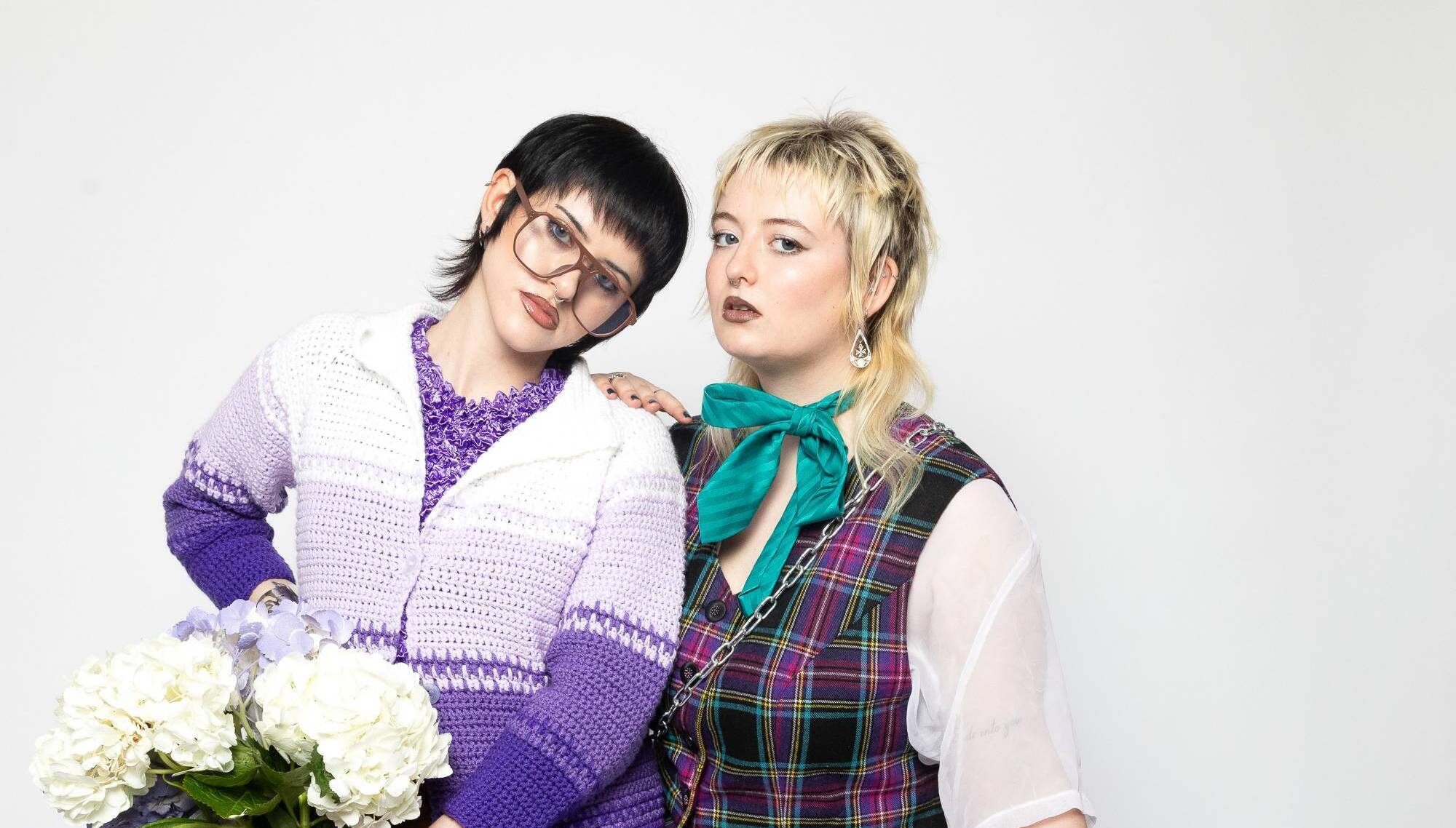
Holly Warren: "Shopping secondhand trains your eye. You begin to notice details: the weight of wool, the feel of natural fibres, the difference between hand-stitching and factory hems."
There is something unassuming yet quietly powerful about shopping secondhand. It doesn’t just change the way I buy clothes; it changes the way I see myself in them. Shopping secondhand cuts through the noise: the branding, the trends, the pressure to keep up.
I didn’t turn to it out of a desire to be ‘quirky.’ I turned to it because I was worn out by disposable fashion, by silhouettes that flattered mannequins but never me, and by clothes that promised transformation but delivered only repetition.
Buying secondhand offered me a different pace. No seasonal edits, no TikTok algorithm dictating my taste, just clothes. Individual, sometimes odd, and often brilliant. They made me pause, reconsider, and pay attention to not just how it looked, but how it lasted. And over time, my entire relationship with clothing changed, not only how I dress, but how I value what I wear.
In a world of one-click checkouts and fast fashion cycles, I think the lessons it teaches are more useful now than ever. Here are five things shopping secondhand has taught me about clothes, and why they might matter to you too.
CLIMATE & SUSTAINABILITY HUB
It’s easy to fall into the trap of equating price or label with quality, or to believe that a designer logo guarantees craftsmanship. Preloved clothing quickly dismantles that illusion. When branding fades, you’re left with what really matters: construction, materials, and designs that hold up over time.
Shopping secondhand trains your eye. You begin to notice details: the weight of wool, the feel of natural fibres, the difference between hand-stitching and factory hems. The garment’s worth isn’t announced; it is revealed, be it through horn buttons, a silk lining, or merely a zip that won’t give up, even after decades. Some of the best pieces I’ve found don’t have a label at all – no logo, no reputation, just beautifully crafted clothes that have stood the test of time. Shopping secondhand teaches you a kind of literacy. You learn to recognise quality, not by what is printed on a tag, but by how something is made – this skill sticks with you, even when you’re buying new.
Signs of wear don’t always mean imperfection. That little scuff on a leather bag? A sign that it had a life before yours. A relaxed collar? Proof it was worn, and loved, many times. A little tear? The perfect excuse to get creative and upcycle.
In a world of fast fashion, these details are dismissed as defects. However, when shopping secondhand, they reveal character. This mindset is oddly grounding. You stop expecting perfection and start appreciating longevity. You realise clothes don’t need to be untouched to be beautiful. A garment with a little wear feels more human; it has already survived life’s messiness, and still has stories left to tell.
This way of seeing clothes also changes how you treat your own. You become less obsessive over keeping pieces flawless, and more interested in keeping them alive. A loose button isn’t a failure; it’s a chance to pick up a needle and give something another round of life.
In a world that is constant, where next-day delivery is the norm and trends change with the wind, preloved shopping is a quiet rebellion. There’s no click-and-collect, no curated homepage. You browse. You dig. You try. You hesitate. You leave things behind. Sometimes you come back. Sometimes they’re gone.
This slower pace is part of the magic. It introduces friction – the good kind. It forces you to consider: Do I love this? Will I wear it? What do I have that would go with this? And that habit of reflection doesn’t stay in the shop. It follows you home. I buy less now, but what I do buy, I both wear more and love more.
In a culture hooked on instant gratification, secondhand shopping reintroduces patience, and with it, intention.
When you’ve spent time hunting for something, you don’t toss it on carelessly. I don’t just throw on one of my finds, I wear them. I build outfits around them. And because of it, I love them, I don’t feel the need for endless options anymore.
We often mistake variety for style, but real style is clarity. It’s knowing what works for you, what makes you feel good, and wearing it with conviction. Shopping secondhand encourages this. It pushes you to curate, rather than accumulate. A few well-loved pieces will always outlive and outshine an overflowing wardrobe of impulse buys.
It’s tempting to romanticise secondhand shopping as the ultimate ethical choice. While it is almost always more sustainable than buying new, it’s not the perfect solution. Sizing is limited, accessibility varies, and not every preloved find was ethically made to begin with.
What secondhand shopping does offer is a mindset shift. It teaches you that ordering a ‘preloved’ H&M blouse from France on Vinted is less sustainable than buying a new, ethically made garment.
It forces you to question more, to consume less, and to think beyond the trend. Those lessons apply anywhere, whether you’re buying a secondhand woollen plaid skirt in your local Oxfam, or investing in a responsibly made coat from a new label. Sustainability is not about being a purist; it’s about being thoughtful. Secondhand shopping simply gives you the tools to do that more instinctively.
At its core, shopping secondhand isn’t about nostalgia, but about presence. It asks you to slow down long enough to figure out what you truly want, not what the fashion cycle tells you to want. You stop chasing newness for the sake of it and start dressing with purpose. You begin building a wardrobe with meaning, one that reflects you and not just the moment.
We don’t need more clothes. We need deeper connections to the ones we already have.

CONNECT WITH US TODAY



Be the first to know the latest news and updates