My Life in books: When it comes to books in my house it’s a case of 'chaos reigns'
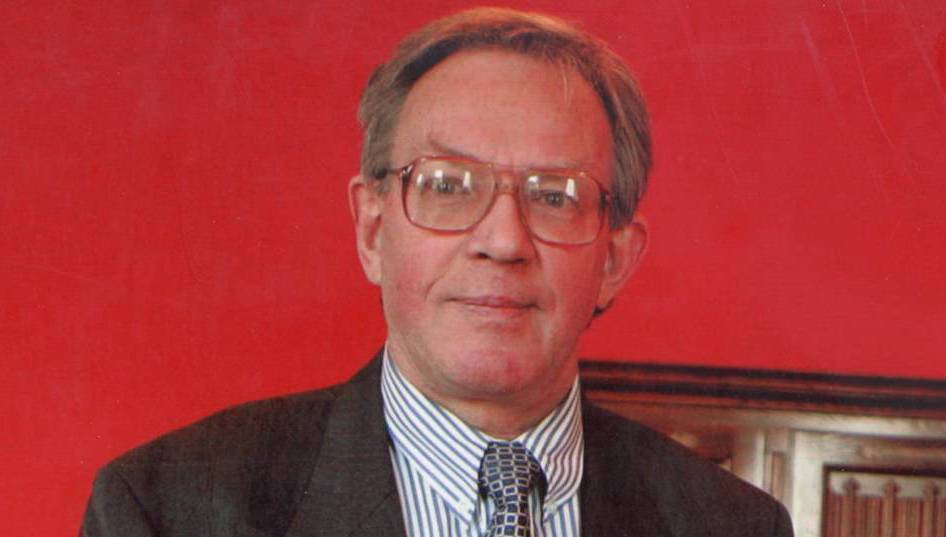
TP O'Mahony says JD Salinger's 'The Catcher in the Rye' reminds him of the joys of his lost youth. File picture
Cork author and journalist TP O’Mahony was formerly religious affairs correspondent with the and the .
His previous books include and .
His latest book, , is out now.
I’m reading by Gary J Bass, a magisterial study of the largely overlooked Asian counterpart to the Nuremberg trials after the Second World War.
Unlike Germany and Nuremberg, the legitimacy of the Tokyo tribunal is still contested in Japan. Truman, Stalin, and Churchill should have faced another tribunal.
I’m also reading , a history of the US Constitution by Harvard scholar Jill Lepore.
At a time when the risk of political violence is all too real in Trump’s America, she outlines the prospects for a better, amended document.
Read More
Michael Moorcock’s for escapism. Moorcock, now in his eighties, is astonishingly prolific and inventive.
Salman Rushdie’s — dull as dishwater. That he was the subject of a fatwa was appalling. He was courageous in refusing to apologise or recant.
by Morris West. This was published in 1963, during the Second Vatican Council, and contained some shrewd insights into the politics of the Vatican and the way papal power is exercised. Without the council, I doubt I would have ended up in journalism.
by JD Salinger. Reminds me of the joys of my lost youth.
by William Styron. Stylishly written but a harrowing tale of a mother’s awful dilemma during the Second World War.
by John AT Robinson. He was the Anglican bishop of Woolwich and his 1963 book caused a sensation.
This book was my Rubicon. It shattered my lazy notions of God and brought me to the threshold of the possibility of unbelief for the first time.
by James P Mackey, which taught me about the sinister alchemy through which all religions can become willing accomplices in war and lethal economic exploitation.
One that focuses on the tyranny of popes, who assume a power and authority that have no foundation in the New Testament.
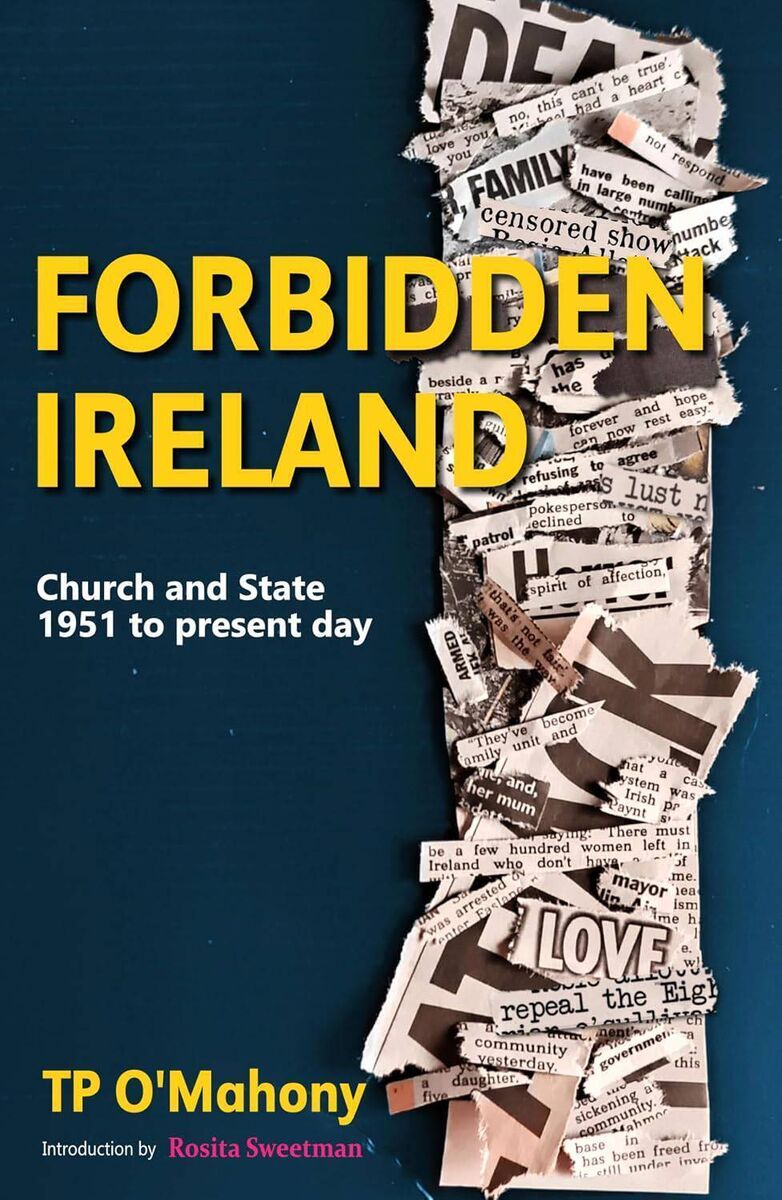
— the short but superbly written 1977 novel by Benedict Kiely, dedicated to the “memory of the innocent dead” and highlighting the utter futility of the Provisional IRA’s “armed struggle”.
In the film version of it’s difficult to imagine anyone other than Gregory Peck playing Atticus Finch, the lawyer who defends a black man accused of raping a white woman.
This adaptation of the Harper Lee novel is a classic of the genre.
Much of my buying is now done online, using Kennys of Galway, but whenever I visited London or New York I loved going to Hatchards of Piccadilly and The Strand on Broadway at 12th Street.
When it comes to books in my house it’s a case of “chaos reigns” as my daughter is fond of reminding me.
I keep promising to impose some order, but, like telling myself it’s time to stop buying books, this is just codding myself.
A pot of Barry’s Tea and a packet of Jacob’s Lincoln Cream biscuits.
Roger Quaife, the idealistic politician in CP Snow’s 1966 novel who wanted to ban nuclear weapons.
BOOKS & MORE
Check out our Books Hub where you will find the latest news, reviews, features, opinions and analysis on all things books from the Irish Examiner's team of specialist writers, columnists and contributors.