Book review: An engrossing story of political struggle
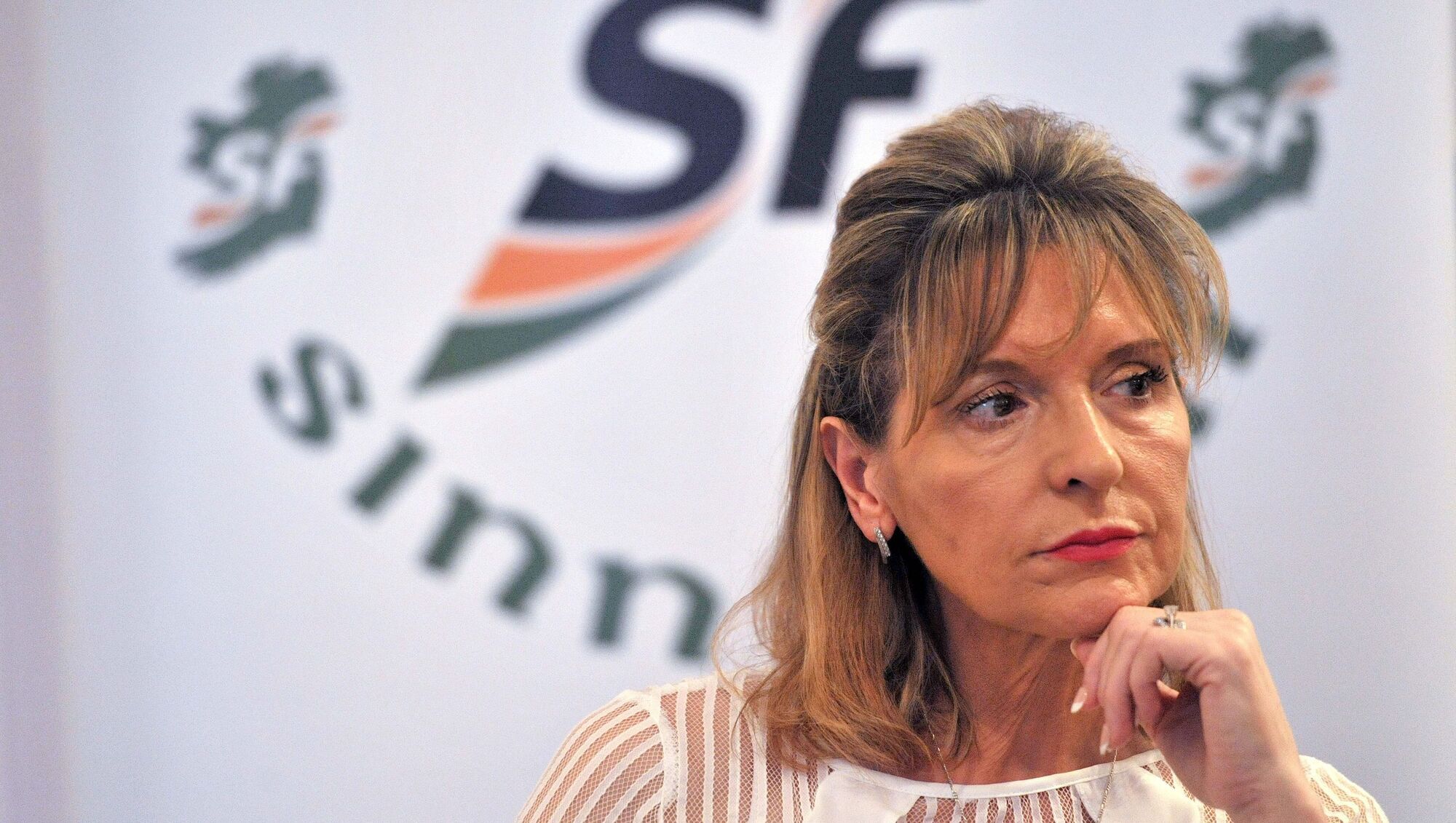
It would not be fair to criticise her involvement in the IRA  without exploring her reasons, which is what she does in this book
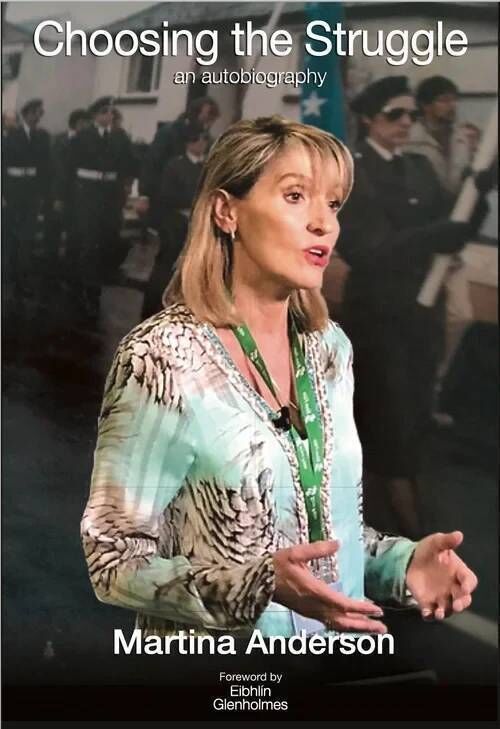
Martina Anderson.

Martina Anderson.

  • Choosing the Struggle: An Autobiography by Martina Anderson 
  • Beyond the Pale Books £14.99

Martina Anderson’s life has taken her from being an IRA volunteer to twice serving as an elected member of the European Parliament.

Along the way she spent 13 years in English prisons, was released under the Good Friday Agreement, and served as a junior minister under Martin McGuinness. 

Today she co-ordinates Sinn Féin’s Training and Political Development Unit.

Some may criticise her involvement in the IRA, however, it would not be fair to do so without exploring her reasons, which is what she does here. 

Indeed, she begins with a confession about how her choice to stay involved in the armed struggle meant facing what is the most difficult decision for any woman.

For readers too young to have lived through what are called ‘The Troubles’ or those who have never examined the reality, the first chapters in particular reveal what life was like in Derry and across the North as she was growing up.

She takes readers on her journey from childhood, through years of conflict, to the Good Friday Agreement and her release, and it is those chapters in particular that make her autobiography such a worthwhile read, although her time in the Assembly and at the European Parliament are also interesting.

During her time as an MEP, she spent three years chairing the Parliament’s delegation for relations with Palestine, and she continues to use her own experiences to help others.

She recounts how “before republican armed resistance emerged” loyalist bombs were exploding in places, including the Silent Valley Reservoir, the Annalong water mains, the Ballyshannon electricity substation: “Organised violence in the North did not begin in 1969, and it was not initiated by nationalists.”

It’s interesting to learn how her mother, Betty, with other civil rights activists, travelled to London with John Hume in August 1968 to “demand an end to the discrimination that governed every part of life for Catholics in the North”. That included housing, exclusion from employment, and gerrymandered electoral boundaries.

Peaceful protest was met with violence, the most notorious example being Bloody Sunday in her native city, when she was 10. 

Marches in Derry and at Burntollet for basic rights, including one man, one vote, were met with brutality from the State and the realisation that “if we wanted change, we would have to fight for it, if we wanted equality we’d have to take it, because it wasn’t going to be given”.

And so the Provisional IRA emerged “from the ashes of those early struggles”. Early experiences shaped her decisions throughout her life. She describes herself as a ‘Bogside child’ — she was born, grew up and still lives in that area of Derry.

Born in 1962, she is the second youngest of 10, seven of them girls.

Despite it all — the poverty, the sacrifices, the struggles — ours was a house filled with warmth.

Her father came from a Presbyterian family that supported partition. He converted to Catholicism when he married her mother Betty, from a family steeped in republicanism.

The family they created comes across as loving, with an unwavering loyalty to each other. Their father died when Martina was 11, and their mother, ‘barely five feet tall,’ was a really strong woman, loved and admired by many, not only her children.

Martina was first arrested aged 16 and spent time on the run in Donegal before receiving a life sentence for conspiracy to cause explosions in England in 1985. 

Her descriptions of how she and her comrade Ella O’Dwyer were treated in prisons there are deeply disturbing — up to six strip searches a day.

The friendship and solidarity that developed between the two is touching and memorable, and it was Ella’s influence which encouraged Martina to study.

She went on to receive an honours degree through the Open University. She also got married while imprisoned to a fellow IRA prisoner, Paul Kavanagh, in 1988, and her love for him shines through her writing.

Her autobiography is engrossing; she writes in an engaging, at times lyrical, style.

Highly recommended.

x

BOOKS & MORE

Check out our Books Hub where you will find the latest news, reviews, features, opinions and analysis on all things books from the Irish Examiner's team of specialist writers, columnists and contributors.

More in this section

Scene & Heard

Newsletter

From music and film to books and visual art, explore the best of culture in Munster and beyond. Selected by our Arts Editor and delivered weekly.

Cookie Policy Privacy Policy Brand Safety FAQ Help Contact Us Terms and Conditions

© Examiner Echo Group Limited