Comic book icon Frank Miller on Sin City, and coming to West Cork for the Fastnet Film Festival
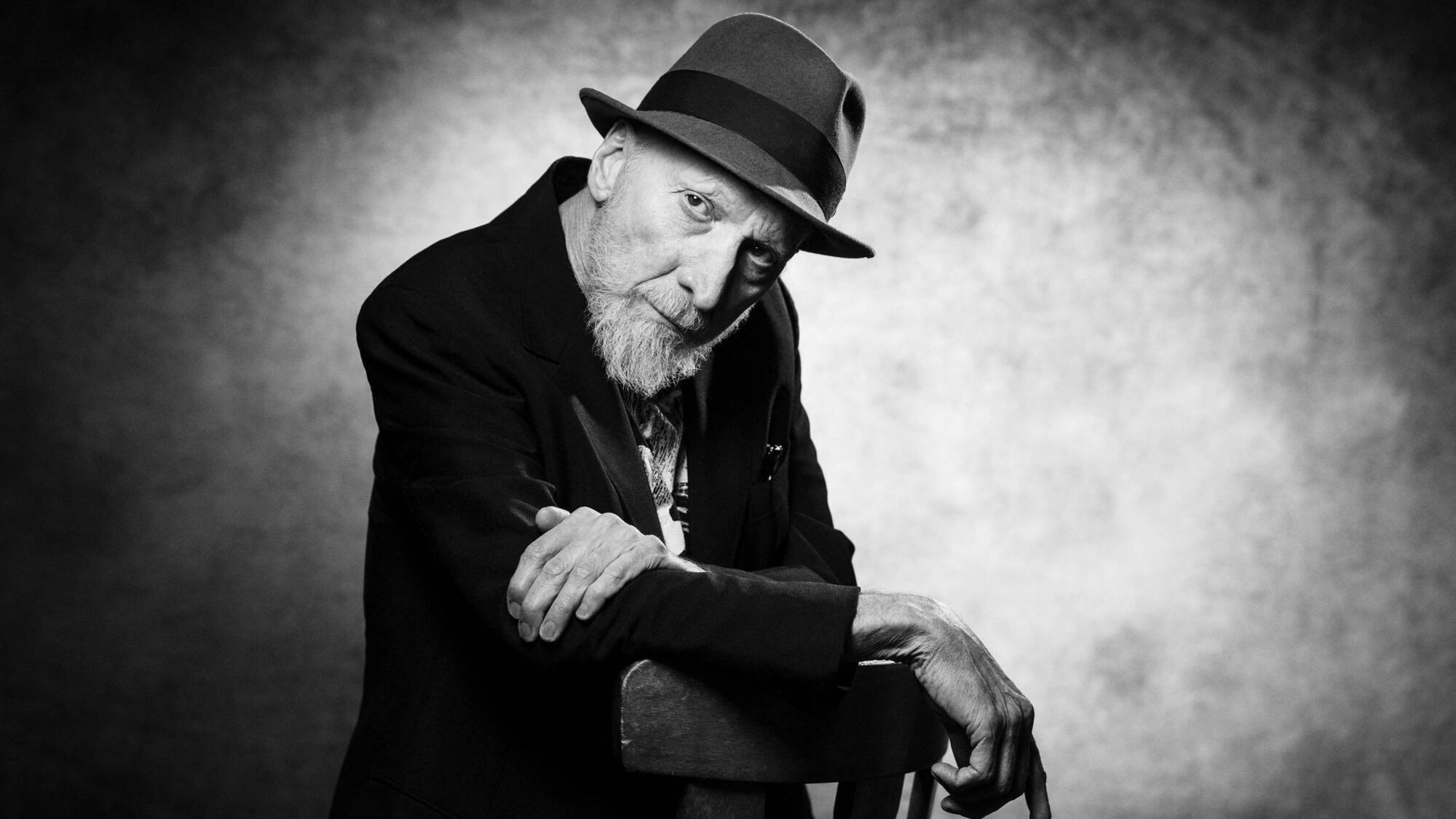
Frank Miller is coming to Schull for the Fastnet Film Festival at the weekend. Picture: Joel Saget / AFP
Frank Miller still remembers making one of his first comic books at the age of five, showing it to his mother and telling her: "This is what I’m going to do for the rest of my life." He had folded sheets of paper together and arranged them like real comics before proudly showing his work.
“They had to look like they were really magazines for me to feel like I was really doing something,” he recalls of his early life goal. “I showed it to my mother and said: ‘This is it.' Like many children, I was drawing before I was writing anything down. When you think of it, our languages began as a series of pictographs and the ancient Egyptians, in many ways, got it right, actually writing in pictures.”
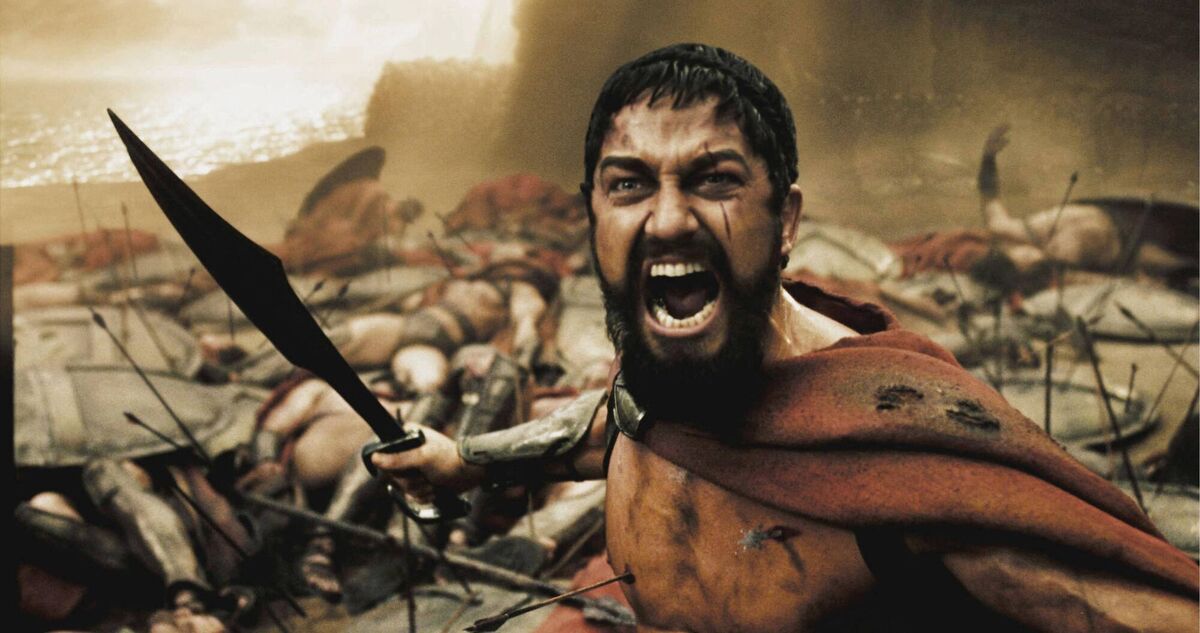
Even as his talent was apparent from a very early age, few could have anticipated the global impact Miller’s art and storytelling would have on popular culture. From and to his rise with Marvel’s , to his work on the groundbreaking and his almost five decades long career has seen him become one of the most influential storytellers in comics and film.
This year, Miller and Silenn Thomas, director of the new documentary come to Fastnet Film Festival. They will attend a special screening of the film, as well as a masterclass. What is he hoping to experience in West Cork? “To learn as much as possible about people there, and to have the wonderful exchanges that I have. Also to see a little countryside — there's nothing like it. My middle name is O'Neill, and I am one quarter Irish on my father's side.”
A documentary about the process of creating as well as a story of his career, sees him share how he works and his insights into how comic-book and graphic-novel storytelling has evolved.
“For me, it represents a summing up of the knowledge I've learned so far in my career, and it was a chance to reflect on the history of the medium and project toward its future. I feel that that's pretty much what I have to offer. I studied my whole life, and worked in a medium that had been under-diagnosed, unlike other media, such as prose or cinema. There are schools about them. They've been thoroughly studied,” he says, adding his is a storytelling form that has not been.
“It’s been considered junk culture and considered kids stuff. This film is not the first diagnosis of it in these terms, but this one's my point of view, and I feel like the nuts and bolts of how to make a comic book are as fascinating as the history that goes into them.”
Miller does feel there has long been a prejudice towards graphic art as an art form, one that’s connected to its humble roots. “We were born in newspapers, in the comic strip form,” he says. “The first comic books were actually newspaper publishers just slapping together Sunday sections and binding them together to sell them to kids. So the comic book came into being as like an illegitimate child of other forms. It was much the way the novel itself came to be — it was originally a despised offshoot of the play. I mean, everything comes from something.”
Success didn’t come easily. Miller first started to break through in American comics during a shaky time for the medium. Some had been shut down, while others were predicting how long they could keep publishing. “They'd gotten a lot of bad publicity, and as part of the scare on what was called juvenile delinquency, they were blamed for that, and so they'd fallen out of favour a lot. When I came in, sales were very low.
“But I was part of a new generation that came in as much in love with them as ever, and we were part of a movement that brought a lot of new energy to it along the way. It really was an art form that was kept alive by the tribe that believed in it.”
Challenging a culture in the industry at the time that you could draw or write, but not do both, Miller pushed to be creatively involved on both fronts. In time his work on and made him one of the medium’s most sought-after talents.
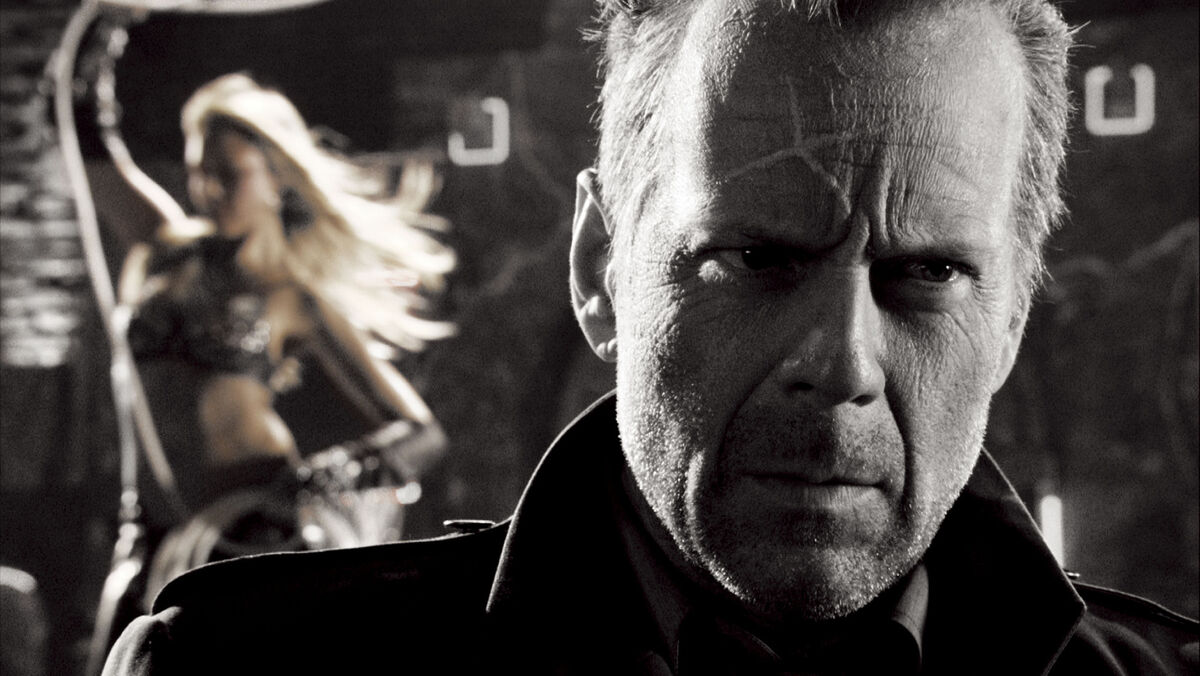
His work was often adapted for the screen and later he would be approached by filmmaker Robert Rodriguez, who had a goal to make a movie that leaned heavily into the artistry of the comic book. was born. “Robert Rodriguez approached me, saying quite plainly that's what he wanted to do, and he involved me as deeply as could be. I could be involved from the very beginning, he brought me in as co-director, and we were there side by side for the making of the movies. It was a complete immersion. It was fascinating.”
In teaming with director Silenn Thomas, Miller’s work is again celebrated on the screen. Thomas’s film focuses on the process of Miller’s creations, as he brings stories and characters to life. “I actually wanted to know more about Frank as an author in the comic space,” she says.
“I had met him, I'd come from theatre and film, and I did not grow up reading American comics specifically. As I was tasked with doing the documentary, and given this access to his world, in depth, it felt very important to get to know all about his world.”
Having researched the film and spoken with many of his collaborators, what does Thomas feel makes Miller’s work so celebrated? “I think people recognise and will recognise generations after us, that he really viscerally went into storytelling. I think his power is that he goes so deeply into stories and characters that it does echo emotionally with people around the world. He goes so deeply into the emotional human journey, maybe because it is comics, and maybe because it allows him to push the visual translation of his ideas. George Lucas calls him the Michelangelo of our time. There's a deep connection there. He's telling these stories, both in words and in images.”
- See this year’s full Fastnet Film Festival programme at fastnetfilmfestival.com
This year’s Fastnet Film Festival (May 20-24) brings more than 200 events to Schull and features over 70 guests, 140 short film screenings, 19 feature screenings, and 30 industry events.
The world premiere screening of a new film about how Ireland legalised marriage equality.
An evening of music and film from the Oscar-winning composer, whose credits include and
The top Irish actor and local resident discusses his career with one of Ireland’s best-known casting directors.
Panel discussion with Hugh Mulhern, David Puttnam and Megan K Fox moderated by Ed Guiney.
The Cork-born director discusses his career, which includes and