Culture That Made Me: Mike Joyce of The Smiths on Manchester bands, and those famous Cork gigs
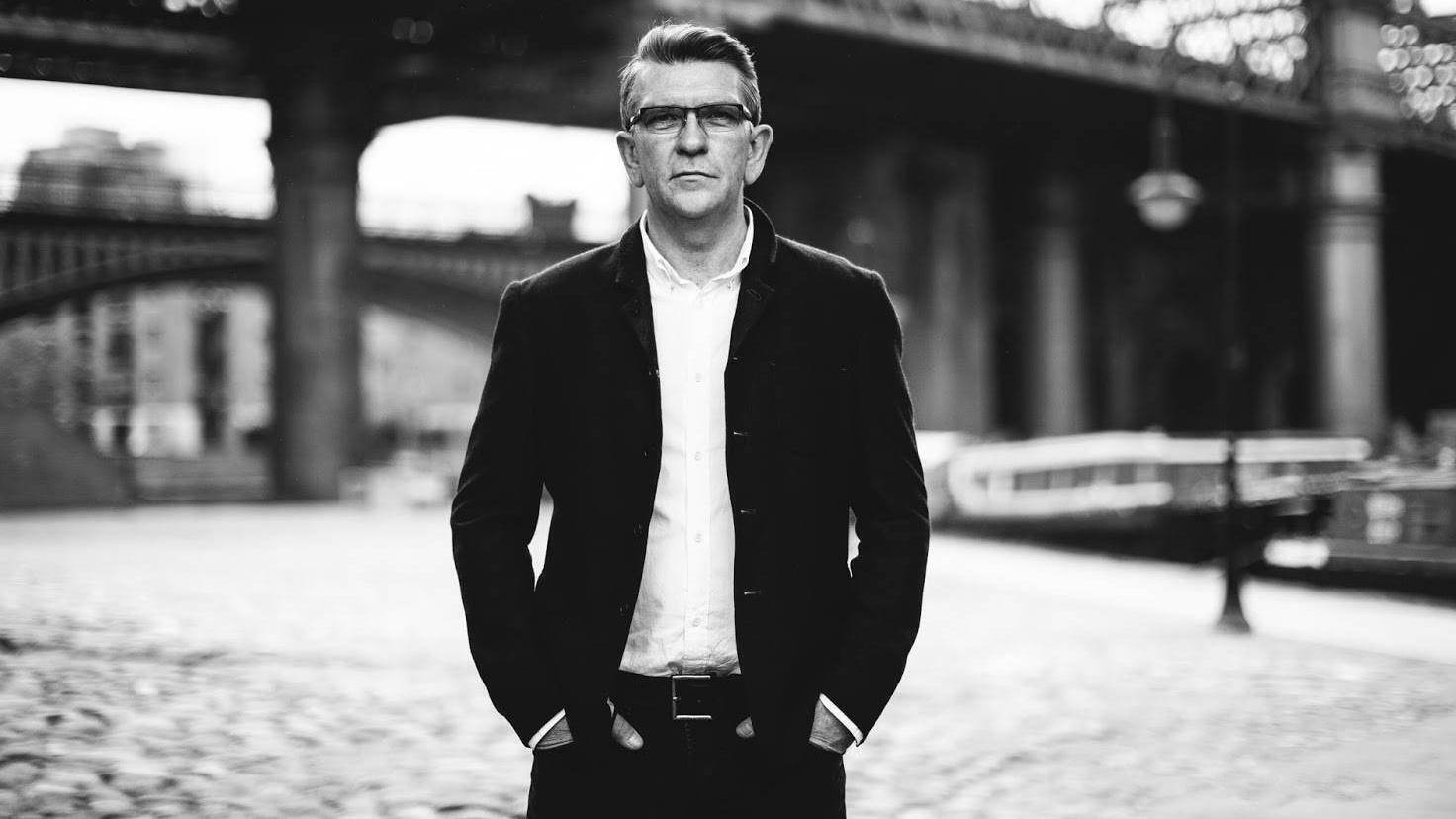
Mike Joyce of The Smiths in Manchester.
Mike Joyce, 62, grew up in Manchester. In 1982, he was a founding member of The Smiths, as the band’s drummer, until they broke up in 1987. During the 1990s, he played with several groups, including Suede, Public Image Ltd. and Buzzcocks, as well as Sinéad O’Connor.
He continues to play drums, recently, for example, with Pete Doherty. Last year, he released his memoir. book tour is at Cork’s Savoy on, Friday, May 29.
My dad was from Cahernabrock, Co Mayo, my mum from Portarlington, Co Laois. They socialised in an Irish club, St Kentigern’s, in Manchester. Big Tom & the Mainliners and bands doing the Irish circuit played there.
I was on the cloakroom with my mum and later a “pot collector” there. The first record I brought out was with a band called The Hoax. I was only 15. I was thrilled to bits. I kept copies of it in the cloakroom.
I remember the priest coming in, saying, “I hear you've got a record out, Michael. Do you have a copy?” There was flowery language on the record. I panicked.
“No, unfortunately,” I said. “It's all sold out, Father.” I couldn't bring myself to give him one because the Joyces would have been banned from every social event going.
We played at the Savoy in Cork twice. We first went over in May 1984. We were just starting to get known. Being outside of the UK, we were thrilled to bits that people turned up. We hadn’t been going that long.
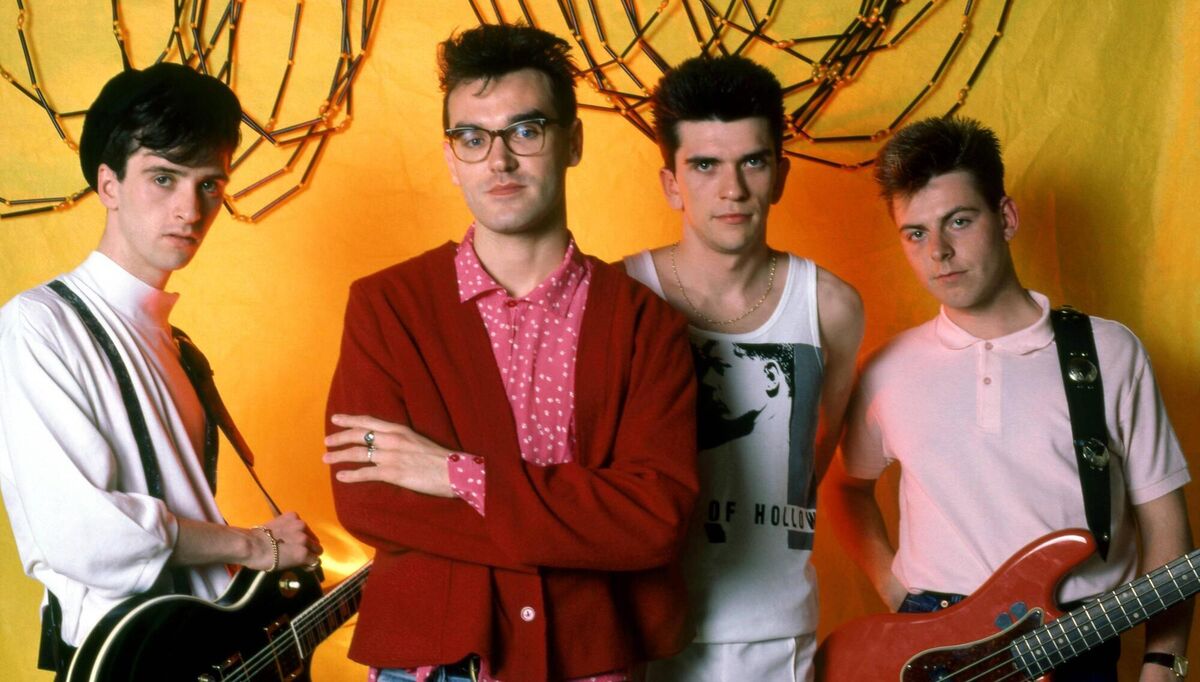
This was before the internet, so it was difficult for people to get a Smiths record in Ireland. People sang along. For them to know the words to each song – at a time when there were no Smiths’ lyric sheets online — was great. It was great to see the reaction we got. We were hoping for a great gig, but not in expectation. It was great to see such an incredible atmosphere. Cork didn't disappoint.
The May gig was chaos, but when we came back to do one in November 1984, it was even more chaotic. It was madness.
I remember a couple of guys were spitting. Johnny [Marr] wasn't too happy about that. It was an old-fashioned and stupid thing to do — to be spitting at somebody. Understandable in 1976 when it first started with the punks, but not in ’84. That's getting ridiculous. These guys were being idiots.
We cut the set short because of that. We were backstage, we could hear a lot of booing. We didn't know whether it was because we wouldn't come back out or whether it was because they were booing at the lads.
I'd never seen a punk group that affected me as much as the Buzzcocks live. I liked the Sex Pistols, Siouxsie and the Banshees, Generation X and early Adam & the Ants but this was something different.
It seemed joyful — what was coming off the stage — like they were having the best times of their lives, whereas other bands looked like complete angst-ridden aggression against the world and screaming and wanting to be heard. Buzzcocks weren't like that at all. They were tuneful. It was the melodies initially that got me.
Buzzcocks’ John Maher solidified my desire to be a drummer — after seeing him playing live, it became a vocation. The way he played the drums, his movements were balletic. He was expressionless. There was more physicality with other drummers, especially facial angst. With John Maher, it was effortless, like he was reading the newspaper.
His playing style was distinctive. I'd never heard a drummer sound like that before. He had a very unusual way of playing — his cymbals were at 180 degrees, completely flat.
I tried to copy him when I first started playing, but they were too difficult to hit. He's a tall guy — because he was sitting above the drums, he could play down to them. He looked cool, sounded even cooler.
I'm a big fan of Bill Hicks, the American comedian. I've picked up his book again, It’s fascinating.
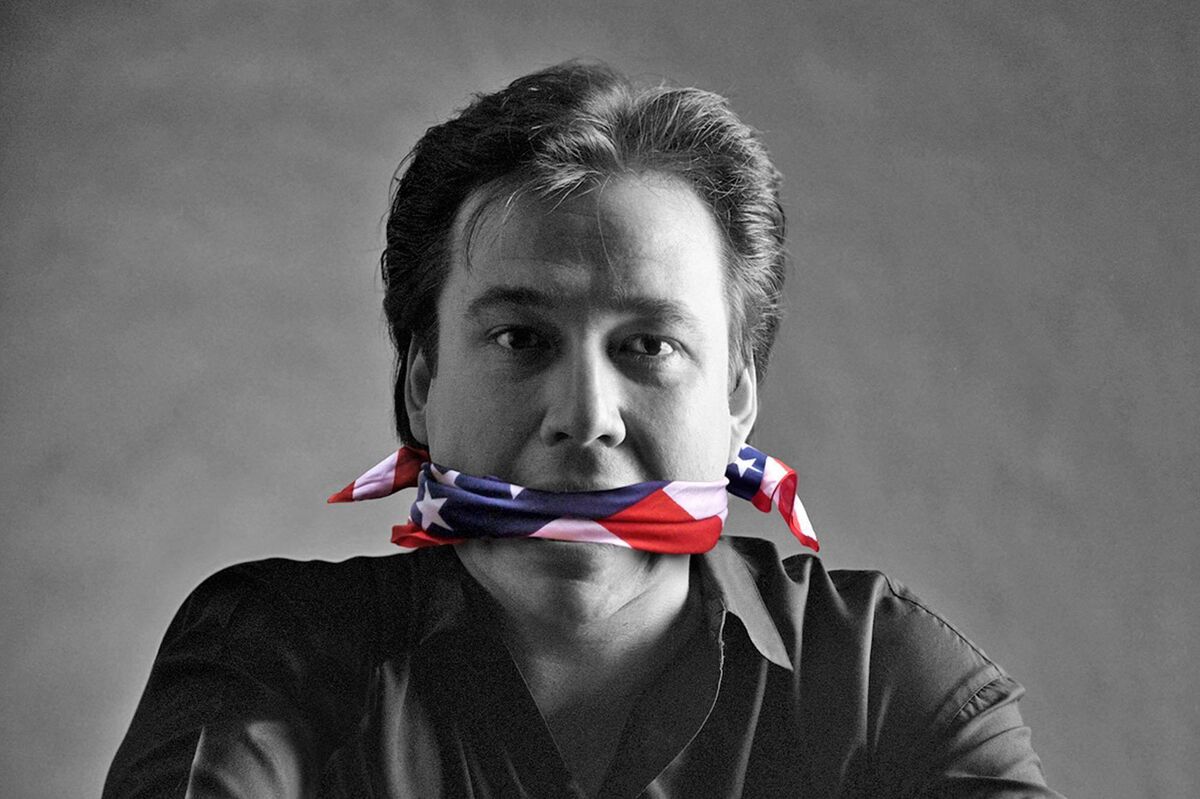
He was one of those first types of comedians — except for people like Lenny Bruce before him — from the ’90s who didn't go on stage and just tell jokes. He made humour out of the awful situations we find ourselves in sometimes, whether politically or because of the power of money and advertising, especially in America.
I read a fantastic book by John Fisher about Tony Hancock, the comedian from the 1950s and 1960s. Tony Hancock was incredible, but a guy that numbed his way through life with alcohol.
I find that interesting – somebody that's meant to be a clown, but behind the painted smile, underneath the makeup, there's anguish. These people, their life is a misery, but the public persona was far from that because everyone thought they were jokers and funny and entertaining. The reality behind it couldn't have been further from the truth. It’s devastating.
I remember seeing Angelic Upstarts at The Factory in Manchester and being blown away. It was carnage — the aggression from the crowd was terrifying.
The band sounded great, but there was fighting, and this was fans with themselves, guys that had probably come down together to the gig. It was a frightening spectacle for a 15-year-old, a scary experience.
All those things together — the fighting, the excitement of the music, the tempo and the volume — was a heady brew.
I was blown away seeing Poly Styrene live at a place called Rafters in Manchester.
Technically, she didn't have the best voice you're going to hear, but being in a room, listening to her singing like that, had a profound effect on me.
The Velvet Underground documentary by Todd Haynes is brilliant. They're an incredible band of people. When you see what was going on at the periphery, with Andy Warhol, Joe Dallessandro — who was on album cover — and Edie Sedgwick, all these individuals that made-up that bohemian lifestyle around New York, which Velvet Underground provided the soundtrack for.
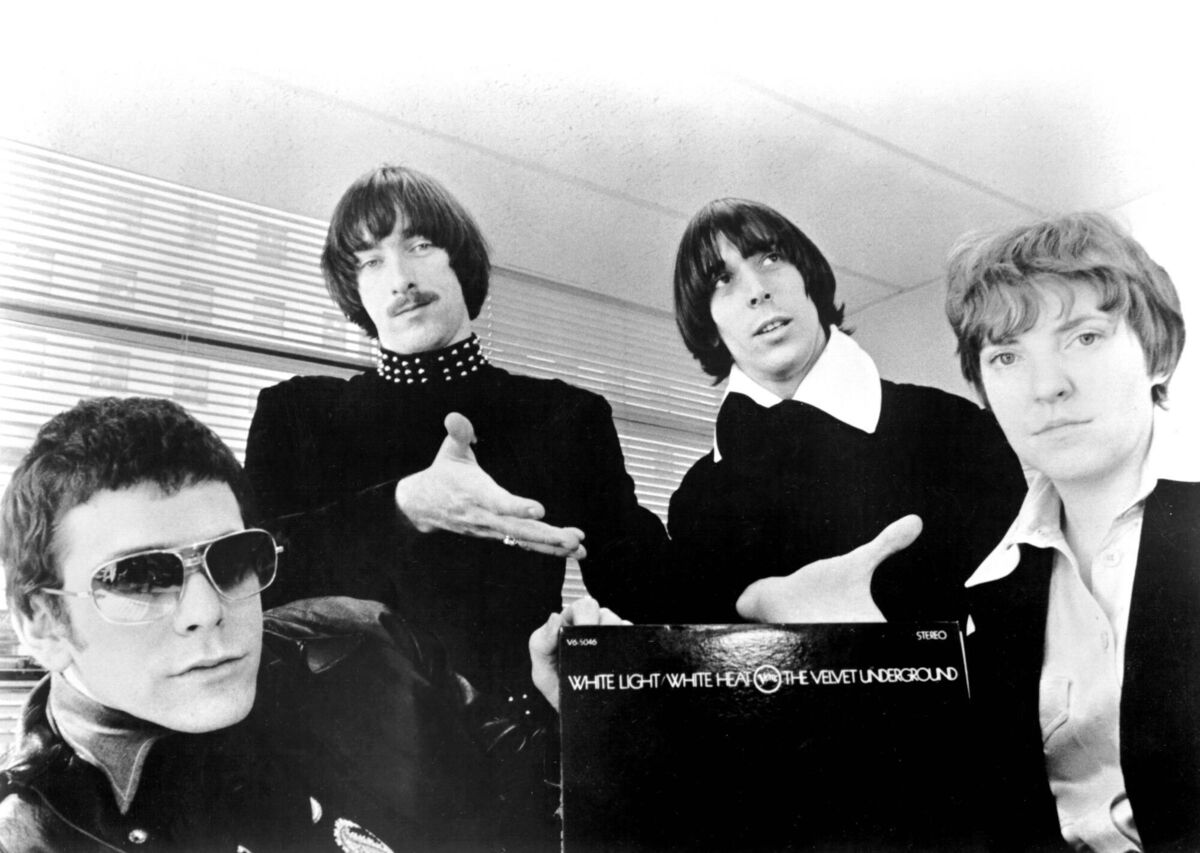
When the Velvet Underground went outside of New York, people didn't get it, like they were aliens. It was similar when the Smiths started playing around the UK in ’83. People were terrified of us — lads turning up with make-up, quiffs and diamante jewellery — not understanding what the hell was going on.
I remember 10 of us arrived in a pub in Cannock. We went for a drink. People were sitting, eating. I said: “Are you still serving food?” The guy looked at us and went, “No.” I went, “OK. Can we have some drinks though?” He said: “No.”
We had to leave because of the way we looked. When we played the concert later, after five songs, the glasses started raining down. We got a police escort out of the building.
It's crazy the way people react to something they don't understand. If they're not sure, it starts with confusion, then anger, then violence. We were aliens in their little town. We didn't belong, and they didn't like it.
book tour is at Cork’s Savoy on, Friday, May 29. See: eventbrite.ie