25 years of Amélie: French favourite gets anniversary re-release in Ireland
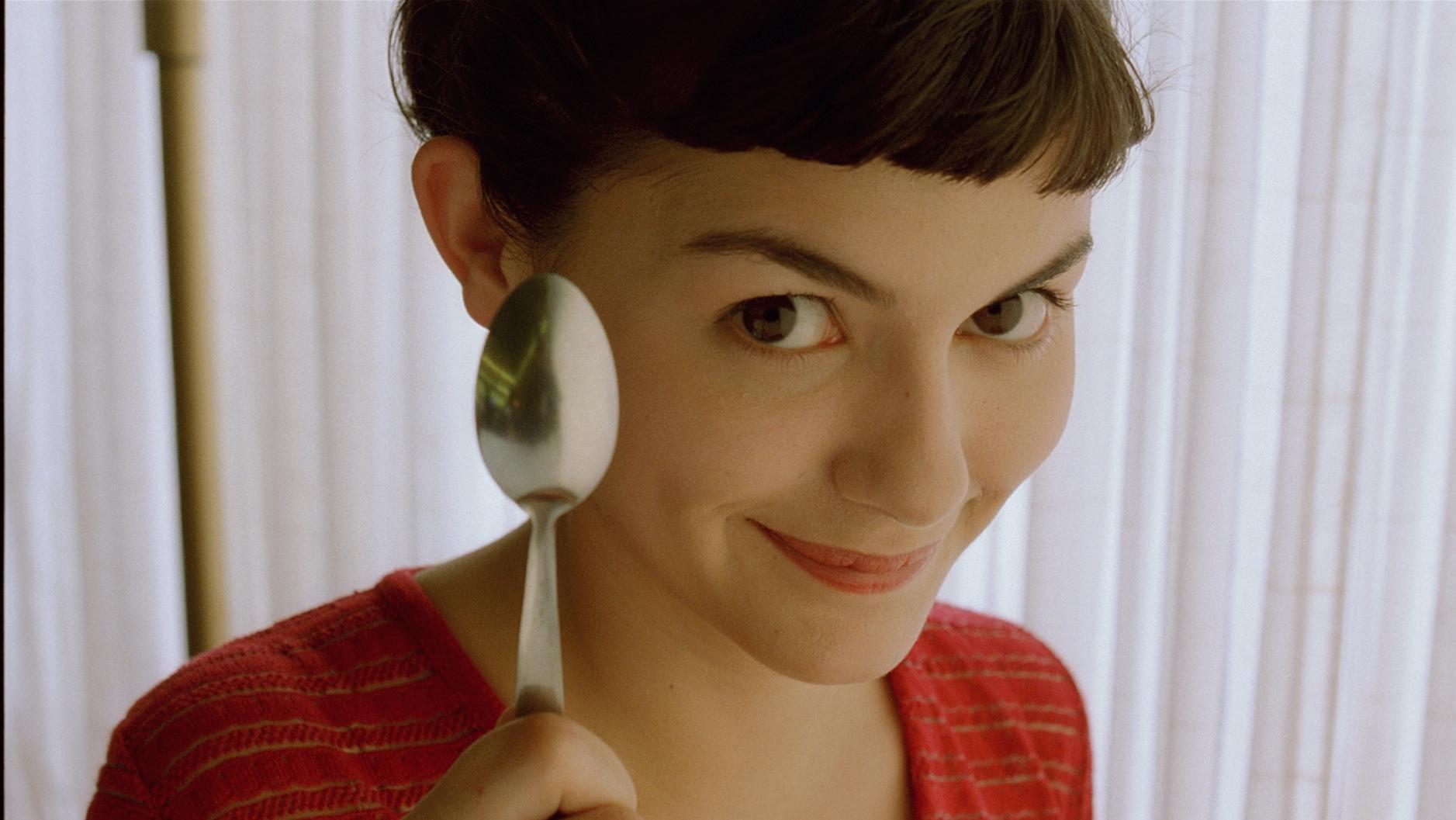
Audrey Tautou in the title role of Amélie in 2001.
Twenty five years ago, Audrey Tautou’s first walked the cobbled streets of her neighbourhood Montmartre in Paris — and sowed the seeds of what was to become a cinema classic.
The then relatively unknown Tautou, filmmaker Jean-Pierre Jeunet and screen writer Guillaume Laurant combined to make movie magic. The story of a quirky and lonely woman who set out to find joy in the everyday through small acts of kindness resonated with audiences the world over.
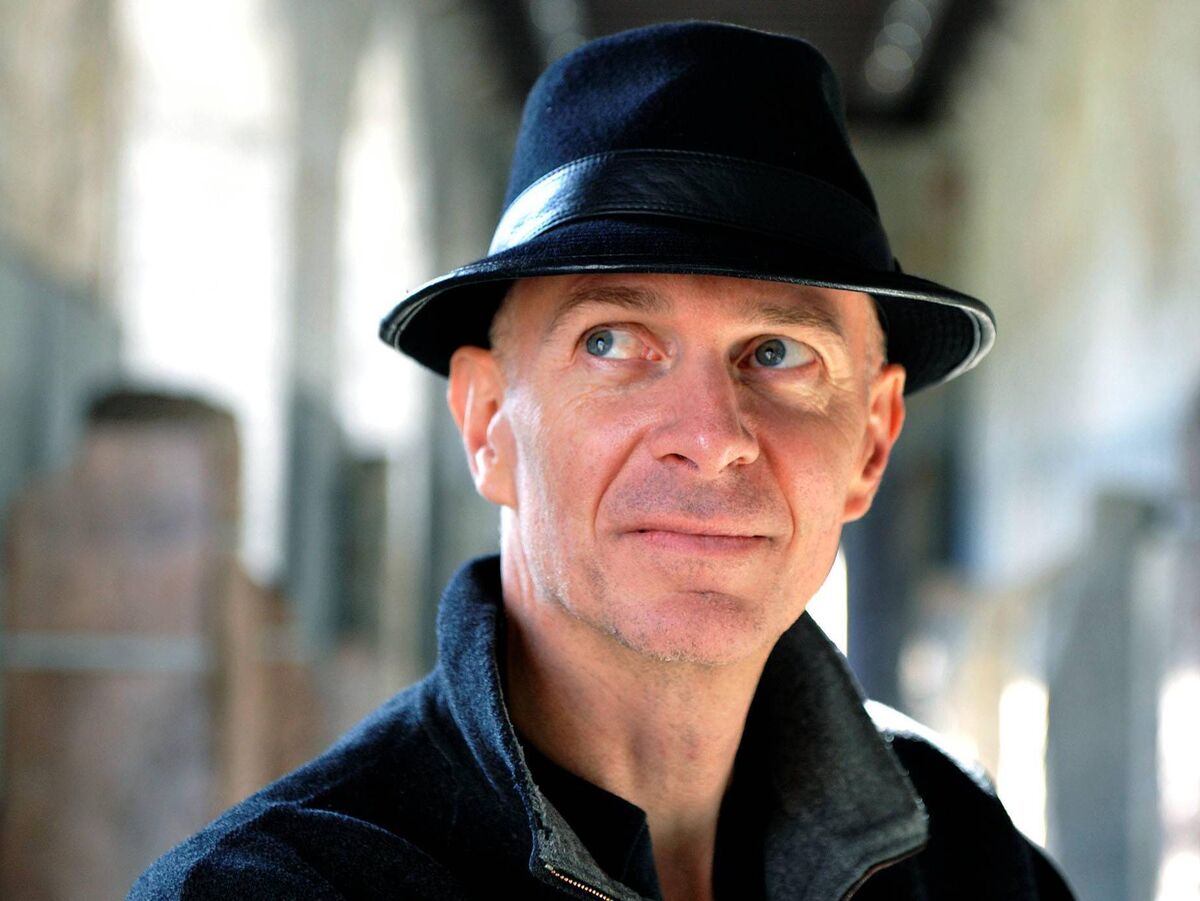
Jeunet’s film, an ode to the City of Light, is both a fairytale about the power of love and human connection and a parable about the value of kindness. As it returns to our screens in celebration of its 25th anniversary, its message feels more potent than ever. Jeunet had already enjoyed success with the much-loved a decade earlier. But Amélie was on another level — and turned the then 24-year-old Tautou into a star.
“It was huge,” says Parisian woman Aurélie Godet, who has made her home in Cork as director of programming at Cork International Film Festival. “She wasn't known, she was selected through audition - her audition tapes are available online. It's super sweet and interesting to watch, because you feel the discovery. You see the character being born and taking shape, and it's already really her. It's Amélie there.”
Tautou could never have anticipated how the iconic role would put her in the spotlight. “She became known by absolutely everybody,” says Godet.
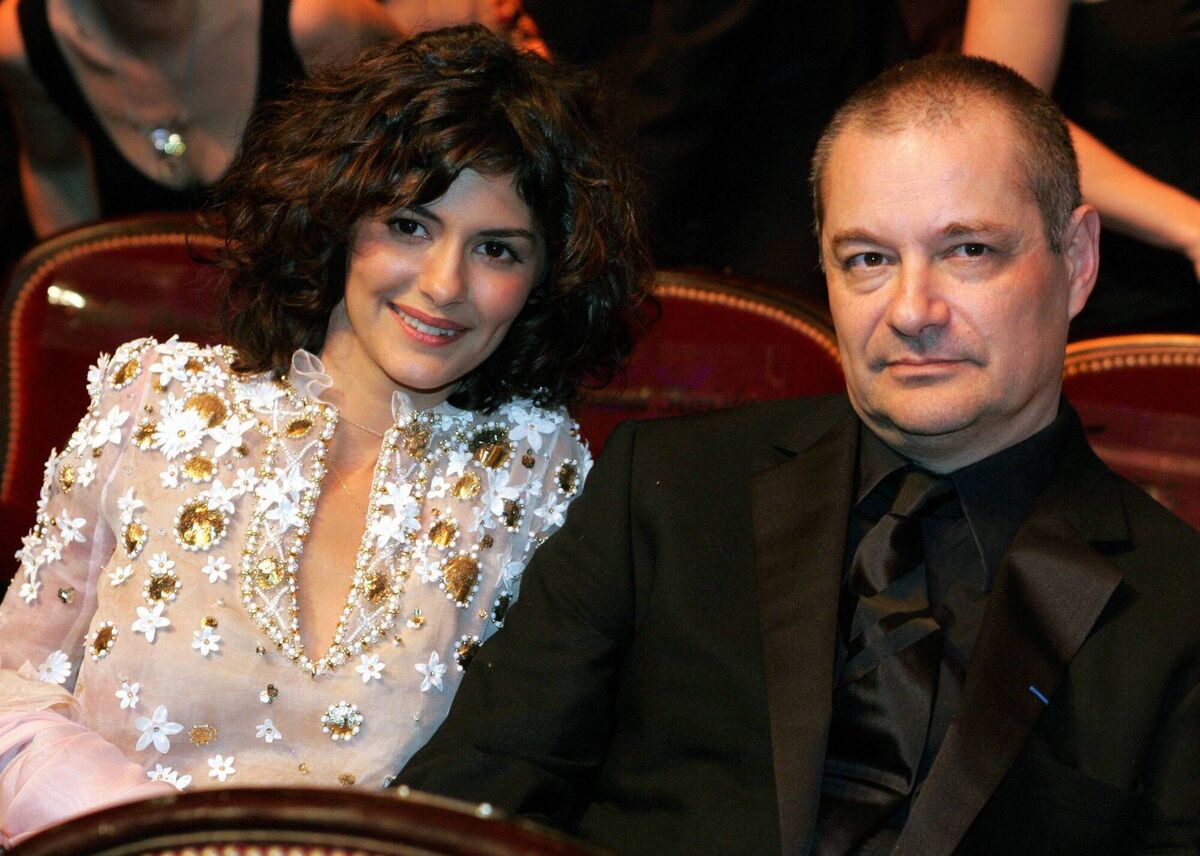
“Jean-Pierre Jeunet says that it was difficult for her, the sudden intense fame and attention. She was quite resistant to it. He cast her again in his following film, In fact, that's the project they had before Amélie and that they couldn't get financed. Not only did the success of Amélie enable the financing and the making of that film, but they had a double — they collaborated on two beautiful films and different characters.”
Amélie not only enchanted audiences worldwide — it arguably changed how audiences viewed French cinema. The film was not only a huge hit in its native France, but went on to become the most successful French film in the world — a record that would stand for a decade until the release of 10 years later. It was released in 50 countries, finding an audience of 23 million people on its initial release and taking €133.5 million at the box office — a number usually connected to Hollywood blockbusters.
Perhaps inevitably, this mainstream success led to a pushback against the film both in its native France and among divided audiences. “In France, what happened is that the reality is people liked it, and a lot of people saw it,” says Godet.
“But then when there's such a sudden, huge out-of-the-blue success, French people like saying no! They would say that this was an image of Paris and of France turned to the past, which didn't correspond to the reality of Paris, and so it was kind of reactionary.
“At the time I was sensitive to the arguments of the people who were a bit vexed about how their city was pictured. But I enjoyed myself watching it. I liked very much all the actors. You have Jamel Debbouze, who was a very popular comedian at the time, and Mathieu Kassovitz who is very known as a filmmaker and a brilliant actor. It was all very entertaining and enjoyable and quite touching.”

Irish audiences, too, fell in love with and many cinemas nationwide have jumped at the opportunity to re-release the film for its 25th anniversary. They include Cork venues the Arc and Triskel, both screening the Parisian classic in April.
“We would have had a lot of demand around something like this coming back, putting it out again after 25 years,” says Niamh Warner of Triskel. “But I think it fits really well overall into the Triskel programme, because there are elements of it that are art-house film, which is what we try and promote here. It's really accessible to an audience as well.
"And I think for a lot of people, it's probably one of the first non-English language subtitled films that opened their mind up to cinema. It’s been cemented now as a modern classic and that’s why we’re bringing it back.”
The visual beauty of is part of its enduring appeal. Set in the bohemian, hilly streets of the north of Paris — where many narrow cobbled streets lead to Sacré-Cœur Basilica — this is Amélie’s stomping ground. It’s the place where she works in a café as she devises secret strategies to better the lives of those around her — while wondering whether to grasp her own chance of happiness, too.
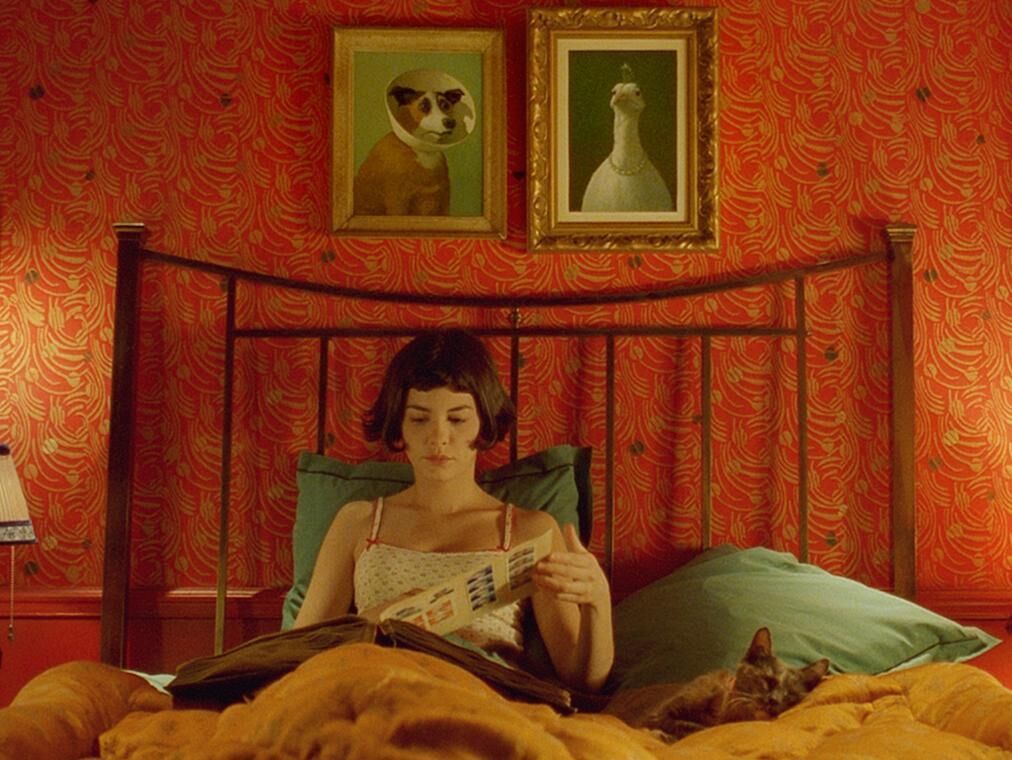
The Parisian district and look of the film feel like characters of their own, Warner says. “It has this incredible set design. The streets of Montmartre and the colour palette is so rich with the red and blue and yellow that it employs. It has this really iconic score by Yann Tiersen. It's really beautifully composed in terms of framing. There are all of these technical and formal qualities that make it beautiful.”
But she also feels that the story’s big heart is what ultimately makes the film resonate with audiences. “At its heart, it's really funny, unexpectedly funny. It's really moving without being sentimental or cloying.
"The film is about Amélie being this person who is by herself, not isolated necessarily, but she goes on this journey of self discovery, and it has this very enduring message of doing these small acts of kindness and how they can be really transformative.
"It has a lot to say about empathy and the human spirit and her life changes because she reaches out to people with these small, little acts.
The film’s release was a punctuation point in French cinema, with its strong indigenous industry and history of films across many genres, including comedy. But mainstream international audiences perhaps associated France with the more art-house and serious films that reached their shores.
“There was suddenly an attention given to French cinema that was definitely revived,” says Godet, who adds that she’s glad to see the film return to our screens.
“I would say it's very important, including for me, as a programmer of a big festival, to look back, because it's these classics, certified by time passing by history, that continue to start passions for cinema. Young persons now can become interested in or even passionate about cinema, watching those masterpieces.”
- is released across selected Irish cinemas, including the Arc from this weekend, and Triskel from April 26-29