Farran filmmaker explores shell shock and the experiences of WWI veterans
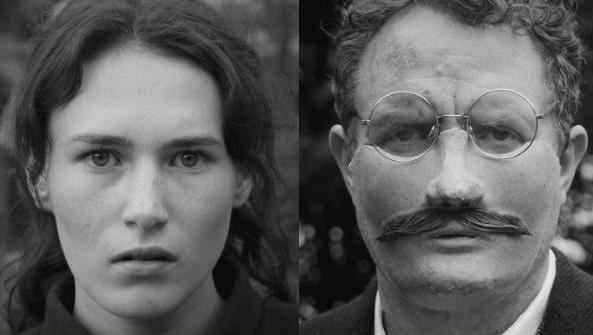
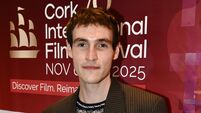
Images from from George Lynch's short film Fragmented.
Upcoming filmmaker George Lynch was glad to get the insights of a filmmaking legend as he was preparing to bring his latest short to the screen.
David Puttnam, the West Cork-based film producer of such hits as and provided his thoughts to the young filmmaker as the then UCC student worked on his WWI-themed drama,
“I met him through the Lord Puttnam Scholarship 2023-2024 at University College Cork, and through my MA supervisor and UCC film lecturer Ciara Chambers,” says Lynch. “She sent him an early cut of the film.
“I'm extremely grateful that he took the time to watch the film and to provide some feedback. He thought the pacing, performances and camera work were all excellent, which meant a lot to hear. It is a great testament to the Cork cast and crew that I've been most fortunate to have worked with, all of whom put so much passion and effort into the film and for making it as strong as it could be.”
An award winner earlier this year at the First Cut Youth Film Festival in Youghal, will screen as part of this year’s Fastnet Film Festival (May 20-24).
Set in Ireland in the aftermath of WWI, the short tells the story of a family as they endeavour to adjust to the return of their father and husband, Arthur, from the front lines. He is now wearing a facial prosthetic mask following a serious injury and is traumatised by his experiences. The story is also told from the perspective of his young daughter, Lily, as she struggles to reconnect with her father.
The film leans into how facial prosthetic masks were pioneered at this time to help veterans return to life without being gazed on or feared by their communities.
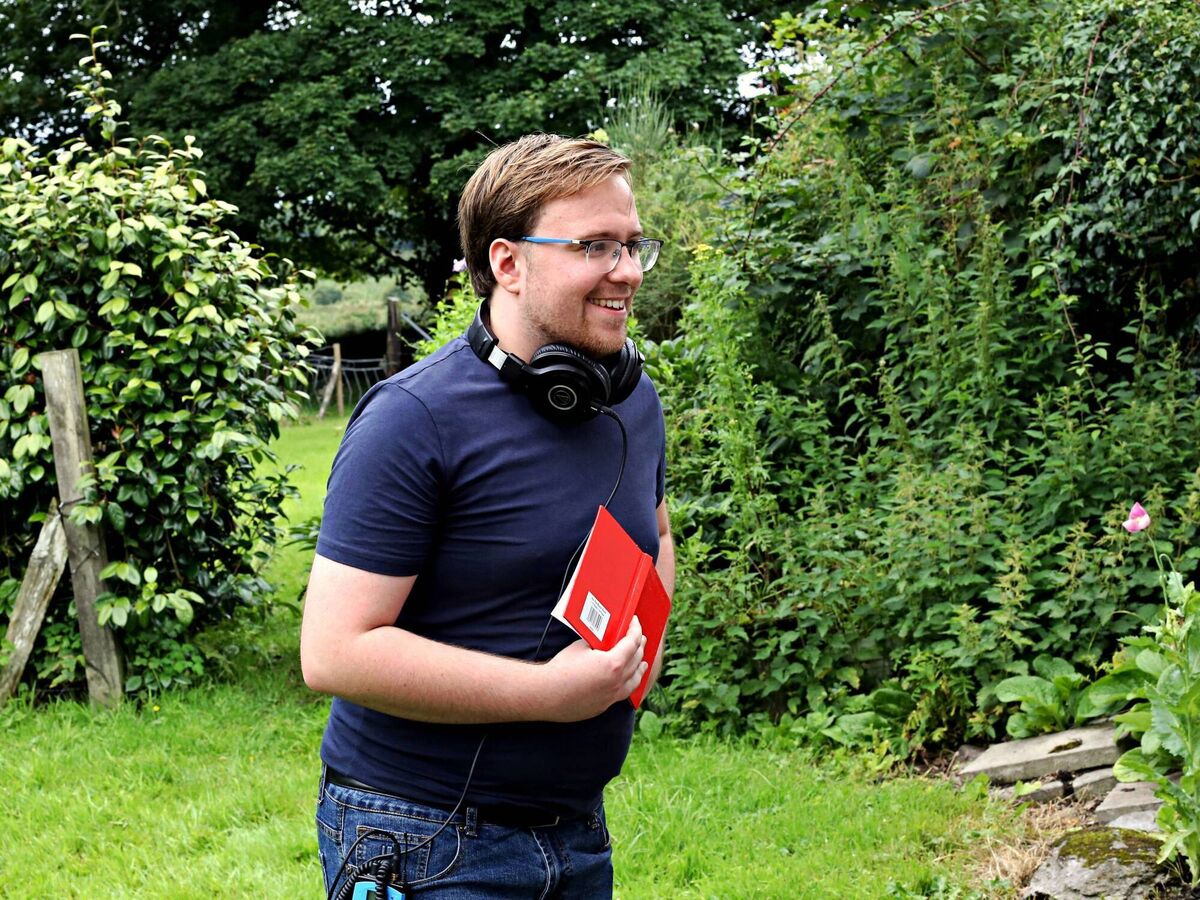
“I came across the image of the prosthetic mask from the First World War when I was doing an art project. It was something that always stuck with me,” says Lynch, adding that he wanted to use the image of the mask as part of his story about the trauma of life after war.
“They didn't have the knowledge or the insight into PTSD or shell shock, which it was called back then, and even if they did, there weren't the necessary precautions to treat it or to talk about it. You have these characters in the story trying to carry on their lives as normal, but the trauma of the war continues to linger onwards. It shows how war isn't just about the fires and destruction in a battlefield or between soldiers, but the ripple effects it causes throughout communities and families and those who survived the dramas of war.”
From Farran near Ovens in Co Cork, Lynch spent four days in production in Newcestown, filming the period drama on location with a cast and crew of 28. He wanted to make a film that fed into the visual style of that time.
“I went for black and white, the four by three aspect ratio, and having it being a period piece,” he says. “I wanted all these to integrate into the theme and the story of the film - in this case, a WWI drama. I wanted the challenge.”
Lynch started making Lego stop-motion animated films when he was still in primary school and went on to make a few short films. But is a step up for the MA graduate of film and screen media at UCC, who was inspired to make the film while preparing for his thesis.
“The thesis for the film was exploring what makes a film anti war. How does a film glamorise violence? Or, how can you portray a film that doesn't glamorise the action or violence of war films? I remembered the mask. I could use that topic to explore how you depict war in the film, and in this case, how the mask is used as an exploration of the aftermath of war.”