'Moments of pain are part of the journey we're all on': Niall 'Bressie' Breslin
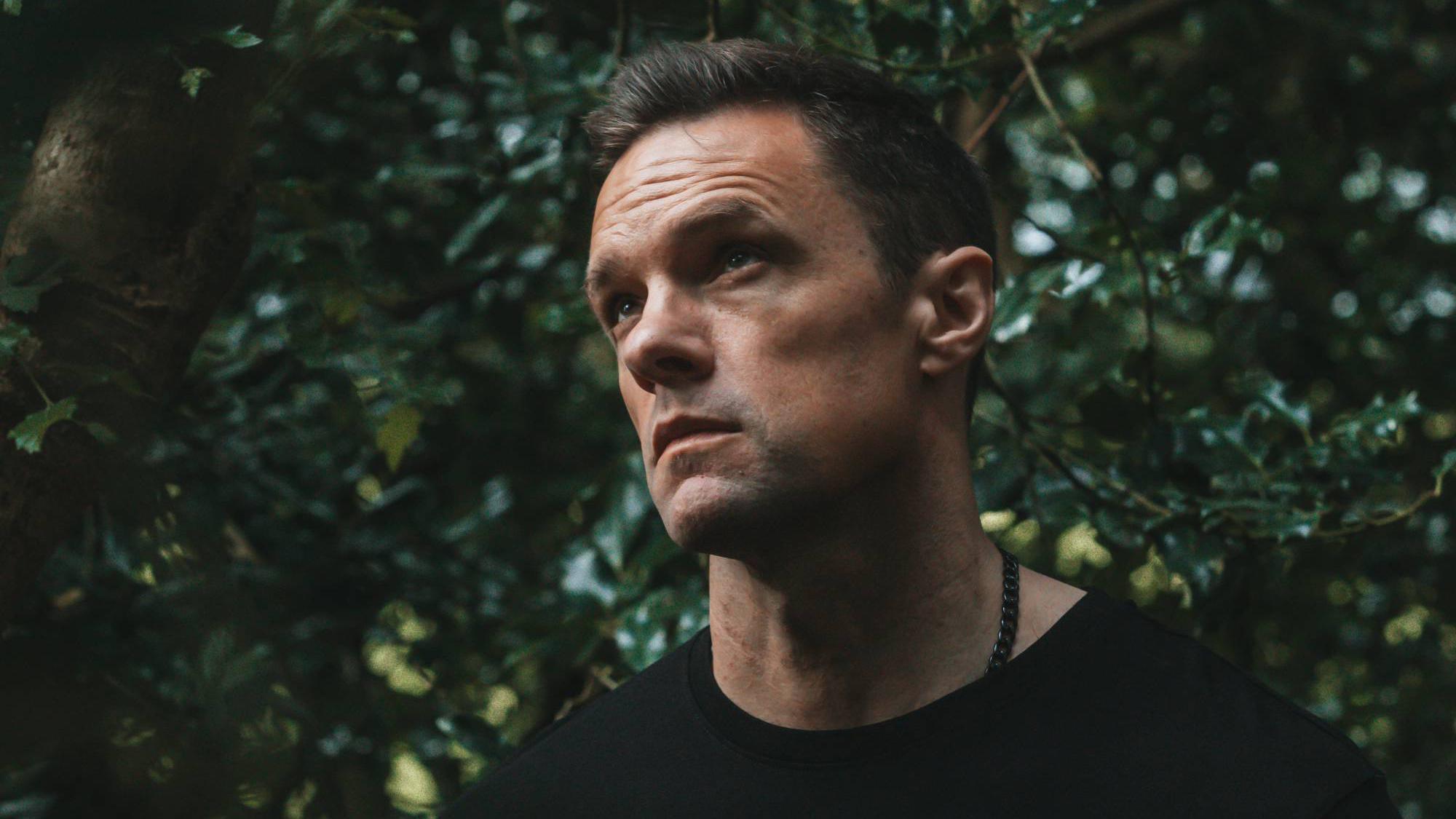
Bressie plays Live At St Luke's in Cork in April.
It’s hard to pin Niall Breslin down as one thing these days. Blame a voracious curiosity, or the gig economy, but the man regularly known as Bressie is today as much of an academic, mental health campaigner and documentary maker as he is a musician. That’s without mentioning his former statuses as The Blizzards frontman, Leinster backrow and, as he shares today, a labourer, in one of his previous lives.
Three years into a PhD on early mental health prevention and intervention, and with some 55% of Irish primary schools receiving free mental health education from his organisation, A Lust for Life, he still makes no bones about the realities of just trying to get by.
“In a world that's gone really insane, the thing that brings us back to ourselves is talking about the bad days as well as the good,” he says from the belly of his Camden Street studio.
“Grief, relationship issues, stress, financial problems, health problems… these are all things we go through. And you learn that they're a hell of a lot easier when you work through it with people. Mostly, thank God, life seems to be good, but moments of pain are as much a part of the journey we're all on. And anyone who says they avoid all that is just not being honest.”
If anything, it has led him to acclimatise to a higher power, and allowed Breslin to create several defining moments of his life, and not just the ones he accrued in both elite level sport and music. One such moment was his documentary, which aired earlier this month on RTÉ One.
The show, which sees him embark on a journey to identify and pass dignity onto those who lived and died at St Loman’s Mental Hospital in his native Mullingar, follows an Audible Original series he produced early last year, in which he honed in on the story of Julia Leonard, who was committed to the institution in the early 20th century.
“She was put in by her husband, because she accused him of cheating,” he says. “He claimed she was hysterical, put her in hospital, went off with the girl he was cheating with, and put the kids into a workhouse. Even with that knowledge, she couldn’t get out, because she needed her husband’s permission.”
acted as an extension of the podcast, seeking to honour some 1,300 buried in unmarked graves on the hospital grounds. It also speaks to the focus of Breslin’s PhD research in Irish historical mental health intervention.
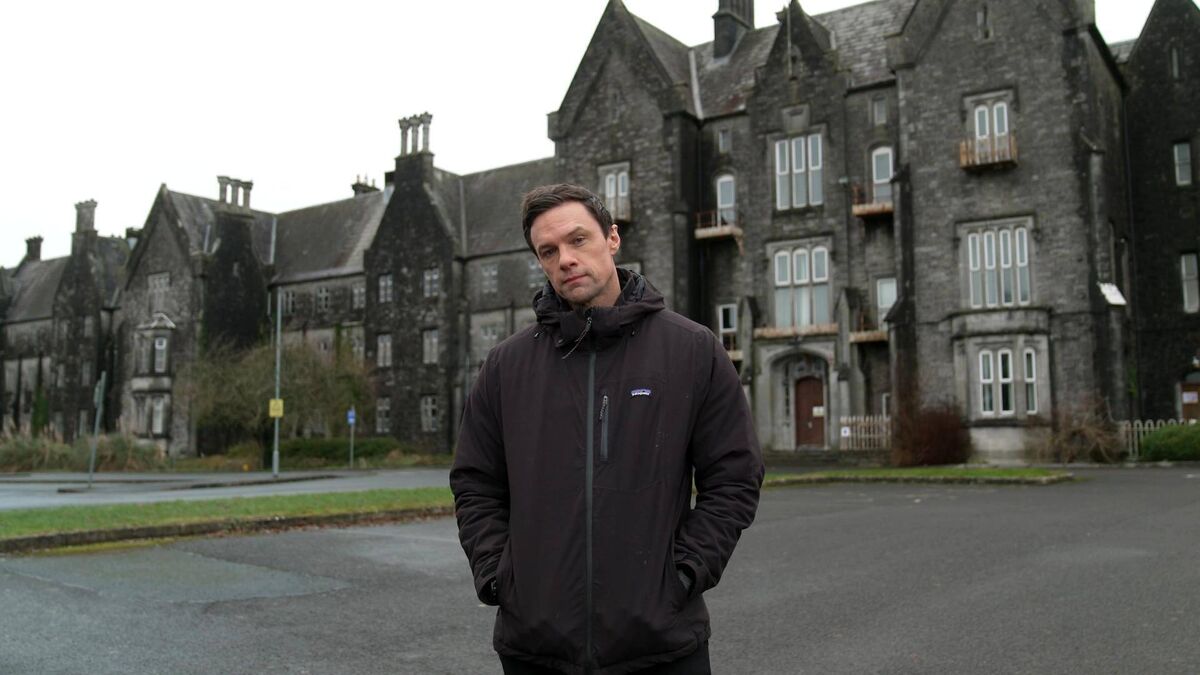
“Over 200 years, I've been looking at all the various ways we've approached mental health and the systems that have been used to support people,” he says. “We really haven't got it right very often, which led to the documentaries, to both give people an understanding that an awful lot of what is currently happening in our system has legacies from that, and to give us access to the records which would allow us to grow from previous mistakes.”
He pauses, catching himself. “I have to say, despite it all, a lot of what we found out is quite heartwarming. A lot of the nurses used to bring the patients home for Christmas, or home for dinner some evenings. The army guys were often sent in to play football or dance with them, too. When you’re doing this work, it’s important to tell those stories, too.”
Intrapersonal and interpersonal connections tend to align themselves neatly; when one is focused on their own inner emotions and toils, the inner emotions and toils of others become innately interesting. Perhaps this is why Breslin and his partner, Louize Carroll, have decided to open up the more difficult parts of their relationship for public consumption.
In his new book, Breslin revealed the moment they discovered, in the maternity hospital, that they had lost their baby. He writes: "It was an enigma I struggled to grasp. To feel so utterly broken and, at the very same time, transcendentally tethered to another soul."
“It was purely because the theme of the book is this idea of impermanence,” he says of his decision to share. “It's this idea that life is not a straight line. Things happen to all of us that absolutely derail us. And you know, I think in the past, I just wouldn't have dealt with that stuff. I would have just ploughed on, and probably done something positive, like work hard or train, but I'd still not deal with it.
"I wanted to write that chapter to sit in that suffering, express it and find a way to talk about it. A lot of people deal with these things, and I don’t want to diminish it in any way, but when you start to talk about this stuff, you start to realise, Oh my God, how many friends do I have who have the same story, but just never talked about it?”
The book coincided with an album release of the same name. Marking a radical departure for the artist, is a classical piano-led album released on Icelandic label INNI, featuring 14 “carefully crafted piano compositions, gently framed by atmospheric strings and immersive ambient details” and celebrating "stillness, discomfort, mindfulness, and the power of creative expression".
“Piano is actually my background,” he says. “My mum’s a piano teacher, and I was obsessed with piano, but, to be honest, was slightly insecure about releasing stuff with it. I always just told myself I couldn't do it, but then I started to write and record it, and I started to see the reaction.”
That reaction, he says, was deeply therapeutic. “The whole idea was to bring together my study of mindfulness with music. And I kind of wanted to create something for people who struggle with meditation or being present. Music is an amazing vehicle for those people, because they can just listen and absorb it.”
It is this same mechanic which will also buoy his upcoming gig at St Luke’s. Through spoken word, orchestral music and meditative environments — churches, cathedrals and monasteries are his and the team’s preference — Breslin aims to bring some levity and peace to the busy minds one can’t help but have amidst modern life.
“I always want to slap myself in the face when I promote stuff, but if these aren’t the best gigs I’ve ever done, then there’s definitely something different with them. The aim of the show is to actually make people feel like they're lighter when they're leaving, because the world has become so chaotic and utterly overwhelming, that this is just a 90-minute pocket where people can forget that. And as for St Luke's, you couldn't pick a more perfect venue.”
Breslin pauses, before making one final musing. “The shows are a release for people… And they’re a release for me, too."
"Niall Breslin & The Polaris Quartet play Live At St Luke's in Cork on Friday, April 10 at 8pm. For tickets, see Eventbrite.