Culture That Made Me: Kerry tenor Gavan Ring on Tolkien, Amadeus, and Páidí Ó Sé
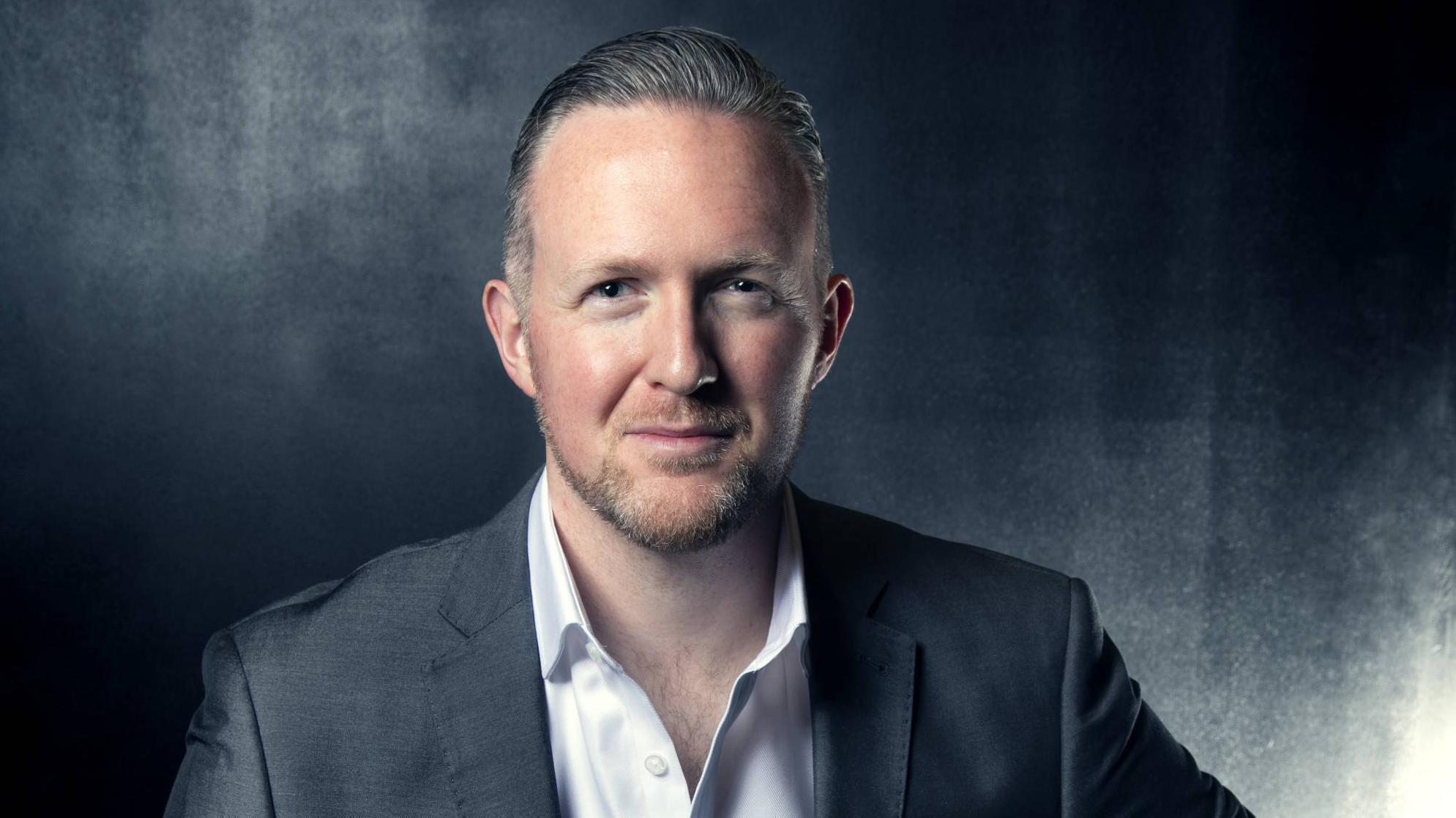
Gavan Ring performs in Lismore at the upcoming Blackwater Valley Opera Festival. Picture: Frances Marshall
Gavan Ring, 39, grew up in Cahersiveen, Co Kerry. He has performed in many of the world’s greatest opera houses and appeared in the most prized opera roles. In 2020, he transitioned from baritone to tenor.
He was part of the inaugural Cara O’Sullivan Associate Artist Programme at the Cork Opera House. He will perform in Mozart’s at the Blackwater Valley Opera Festival, 7.30pm, Wednesday May 27 – Monday, June 1. See: blackwatervalleyopera.ie
Growing up, I loved reading adventure stories, particularly centred around the sea. My grandfather was obsessed with the sea. Myself and himself were very close. Any spare minutes we got, if the weather was fine, we were out on his boat, heading out past the headlands. We fished. We swam off it. Growing up in Cahersiveen, right off the coast, the sea becomes part of your DNA. So, all these wonderful, swashbuckling adventures like Robert Louis Stevenson’s and by Jules Verne fired my imagination. I adored them.
Because I’m from Kerry, I’m obsessed with football, so I wanted to read all about the Kerry football team. I remember I got Páidí Ó Sé’s autobiography. My uncle gave it to me when I was about 13. I must have read it 10 times. Páidí had the same sensibility in a way as Kerry writers like John B Keane and Sigerson Clifford – that ability to capture the mythology of what it means to be from Kerry, almost creating a spirituality that he exudes throughout his autobiography. The book is so much more than football – it's about legacy, history, what Kerry football means for people, his family and the community. That autobiography was a staple.
Niamh Parsons is a folk musician from Dublin. Another wonderful communicator. The anthem of South Kerry growing up was a song called
It’s a song and a half, one of the first songs I ever learned. She does a fabulous version that always touched me strongly. She wasn't afraid to put the passion, the spioraid behind it.
is a story about the place’s spirituality, history and mythology. There's a rousing chorus line at the end of every verse. The boys of Barr na Sráide were hunting for the wren. It encapsulates for a lot of people how they feel about the area. It’s about place and the most beautiful part of the world – where the landscape and weather are wild, and the people are wild in the best sense of the word. It's a poem originally by Sigerson Clifford. The last verses are, “Just lay me down near that old town between the hills and sea. / I'll take my place near those green fields, where first I grew a man…”
I love Sharon Shannon. Growing up, I had one tape of hers I listened to on repeat. She was the bees’ knees. I remember that wonderful track, which was as contemporaneous for me as something like by Sabrina Carpenter is for young people nowadays.
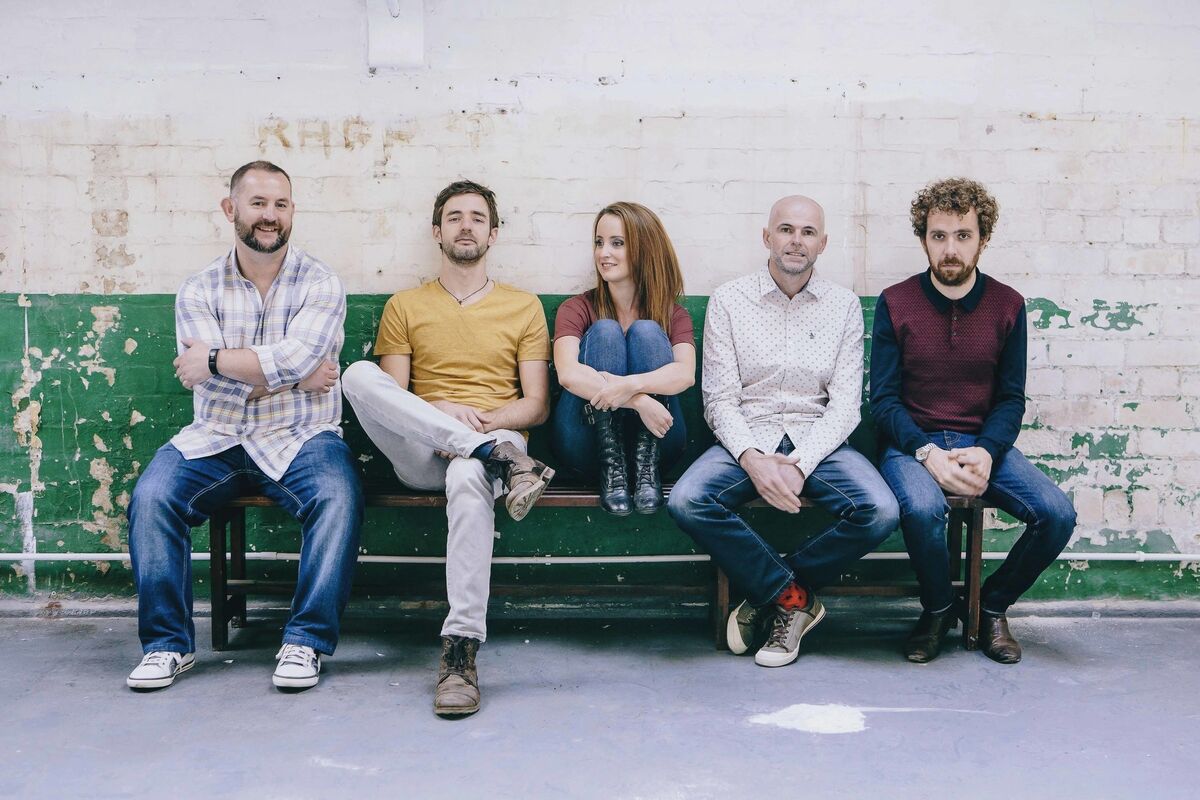
I was in a little trad group as a teenager. I listened to Beoga an awful lot back then. Their music is multidisciplinary – it's traditional music, but it’s influenced by jazz, pop, rock'n'roll and music from different ethnicities. They're cool. They're class.
Lasairfhíona Ní Chonaola is a sean-nós singer from the Aran Islands. She’d a fabulous album out a few years ago called I listened to a track on it, Inis Oirr, In Inis Oirr, on repeat. I've always been drawn to people who make brave decisions with the sounds they sing, extracting the most out of what they can possibly do as far as communicating a story, that it's not just about the beautiful music. She has a beautiful voice.
One of the most influential singers on me at an early age was a Russian baritone, Dmitri Hvorostovsky. He passed away quite young – in his 50s. I remember seeing him live for the first time in 2008 – in at Covent Garden. That was a bucket-list moment. As an artist I admired, he was formative – the presence, the aesthetic of his voice, it was so smooth. His technical mastery was unparalleled. His breath control was unbelievable. He was able to exercise a range not stereotypical for a baritone. He was amazing.
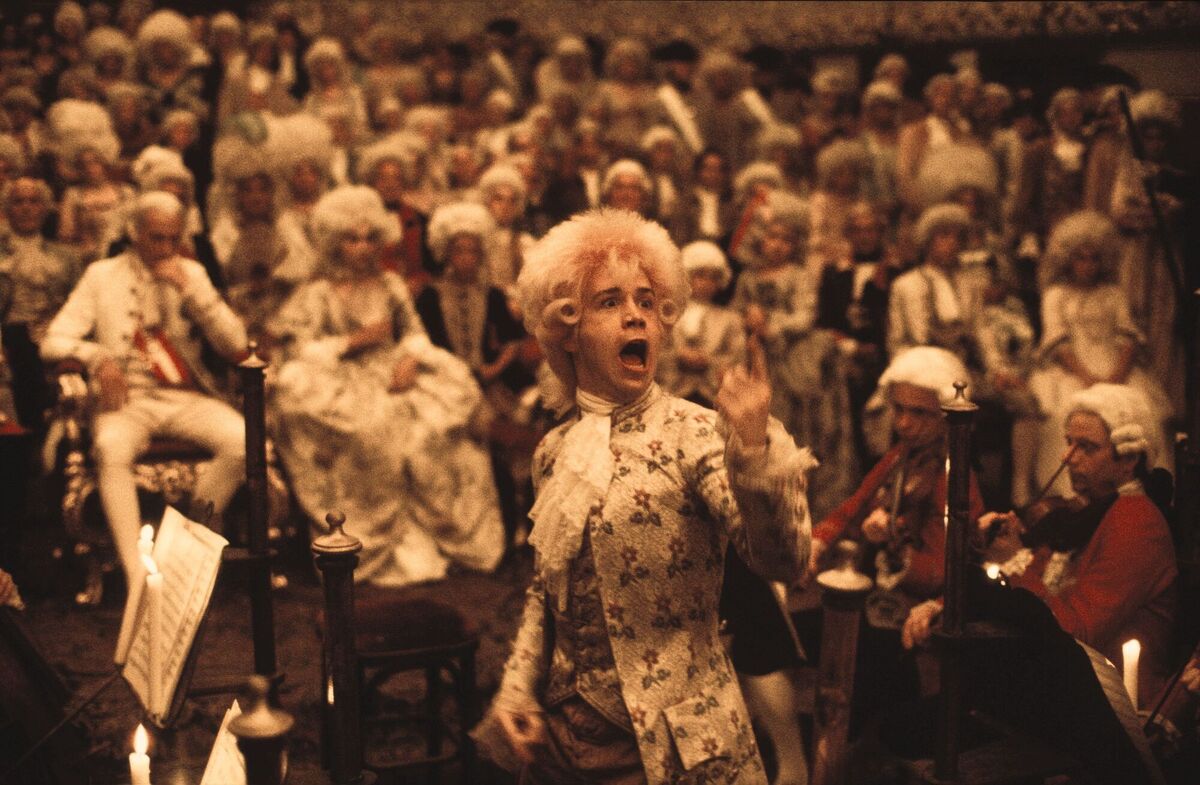
I was obsessed with Mozart for a long time. The film is great. It's a love letter to his genius. One of the movie’s overarching themes is that the music is so good it can't possibly be of earthly origin. There must be some celestial influence. Mozart was composing in the classical era. There were strict rules to how one composed a melody, a sonata, how one put an opera together, but what Mozart was able to do in terms of the beauty and creativity within a rigid artistic structure was remarkable. There was this other level of profoundness to his music and bearing in mind that Mozart composed his first opera when he was 11.
is probably Mozart’s greatest opera. In many ways, it carries more contemporary relevance than most. The Don Giovanni character is the archetypical villain of the operatic world. I've done a few times. I wouldn't say you're necessarily rooting for him, but there are moments where you might have sympathy for him. He’s an undesirable character, but every so often, despite the depths of depravity which he goes to, Mozart brings you on a journey that reveals flashes of his humanity. Mozart understands that humanity is never binary, no matter how despicable a character might be, no matter how much you revile them. Mozart achieves that dichotomy – which is such a tricky balance – brilliantly in Don Giovanni.
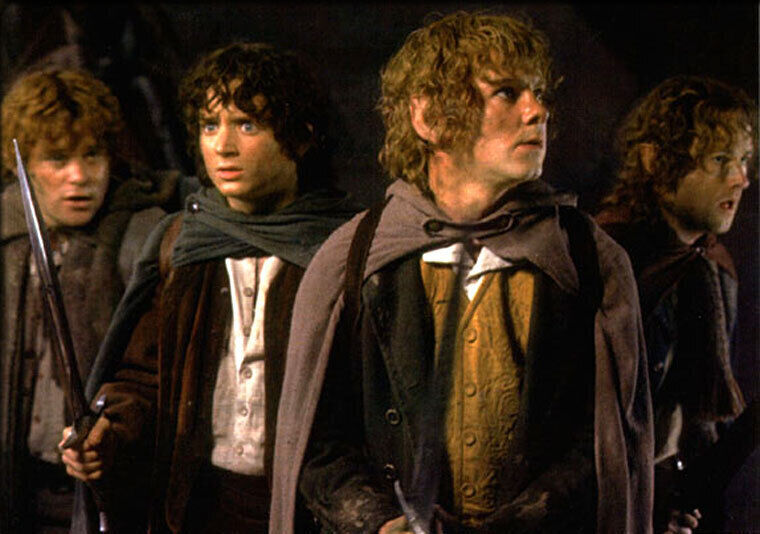
In my teens, I loved film trilogy. I love adventure. The soundtrack by Howard Shore is unbelievable. When Shore was interviewed, he said lot of his compositions were heavily influenced by Wagner. As Irish people, we have huge, rich mythological cycles ourselves – the Tuatha Dé Danann, Oisín and Tír na nÓg, the Cú Chulainn sagas. Tolkien would have drawn a lot from those pan-Celtic stories. So, there's an instant hook for someone like me who grew up with those kinds of stories.
I'm listening to Ciara Kelly and Richard Hogan’s podcast Richard Hogan is a psychologist. Ciara Kelly is a broadcaster, but she was a GP. They talk about different psychological moments that affect people on a regular basis. For example, on a recent episode they talked about the stages of grief, how grief manifests in different people. In one episode, they talked about narcissism. In another, they talked about loneliness in kids, particularly with the advent of smartphones and so on. It’s a decent podcast – they're entertaining. There's no technical jargon. It's very much on a regular speak basis.