Culture That Made Me: Cork radio presenter Justin McCarthy picks his touchstones
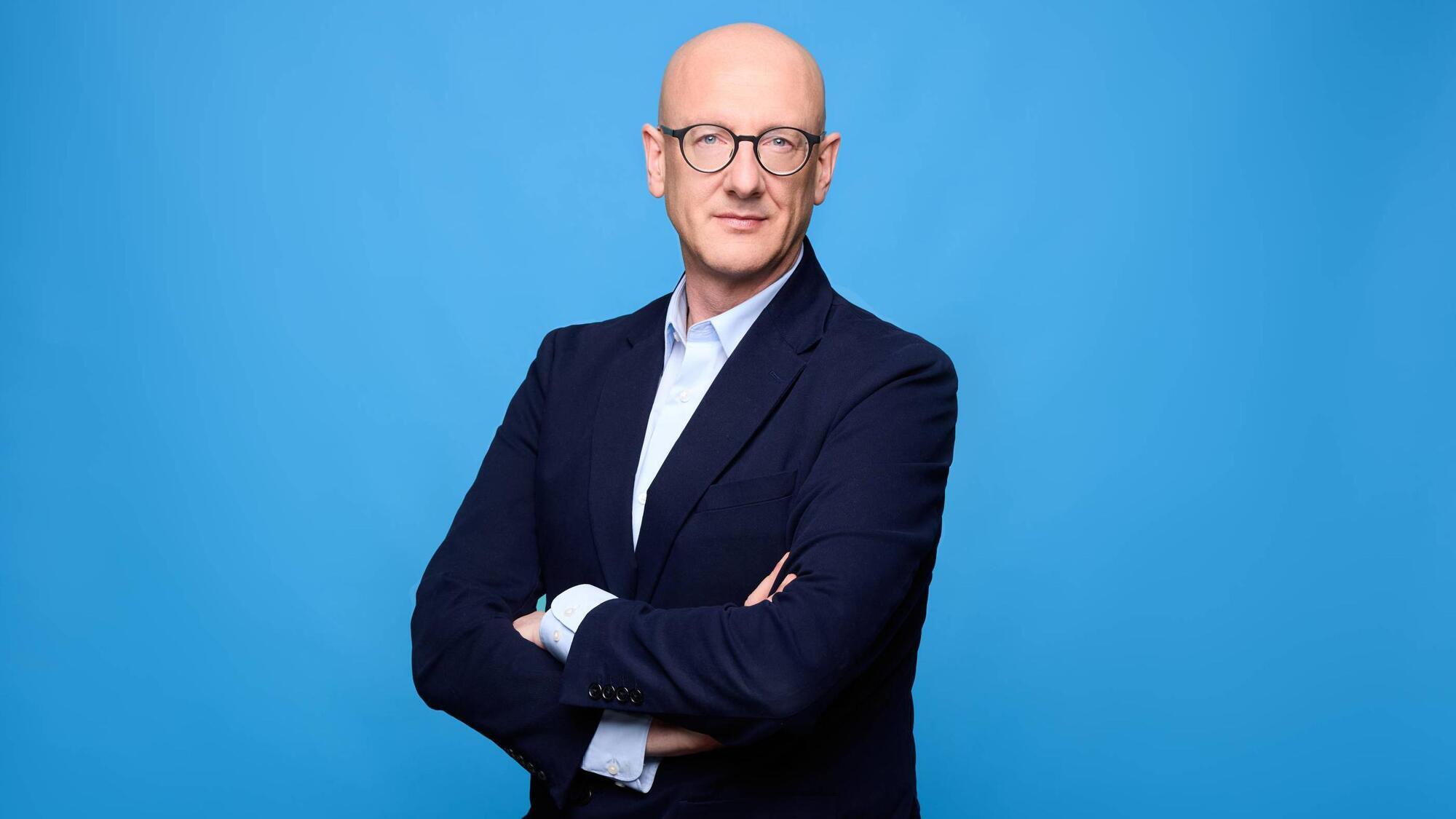
Justin McCarthy, RTÉ Radio 1 'Morning Ireland' presenter.
Justin McCarthy, 48, grew up in Rochestown, Co Cork. He’s named after his father, Cork’s famous All Ireland-winning hurler (1966) and coach (1984). He began his career in radio working for Cork’s 96FM in 1999, and later as a reporter for Cork’s Red FM. He was a political correspondent for Today FM for several years before joining RTÉ in 2013. He is a co-presenter of , weekdays 7am-9am on RTÉ Radio 1.
When I studied in UCC, I got a copy of Philip Larkin’s collected works. He’s brilliant. I come back to him time and again. I love how he focuses on the ordinary, how he finds meaning in the mundane, whether it's train rides, billboards, or the room he rented. He's got that cynical mind, exploring themes of loneliness, intimacy and Englishness as well.
I love Frank O'Connor’s short stories. He had that exceptional ability to establish a complete social world in a few pages, taking what goes on in ordinary lives and making it extraordinary. Take — that ability to capture the inner logic of children. His collected volume, , is one of the most unappreciated works of Irish literature. I rank Frank O'Connor way ahead of Chekhov.
John Prine is a masterful storyteller. is a brilliant song about growing old. It explores themes of aging and loneliness. He looks at people, as they grow older, how their world gets smaller. Their friends and family move on with their own lives.
It’s that feeling of being locked into your own head. We live in a world surrounded by advertisements about aging, how to slow down aging; there isn't any value placed on the wisdom elderly people have and learning from them. That song touches on those themes. It’s something that needs to change.
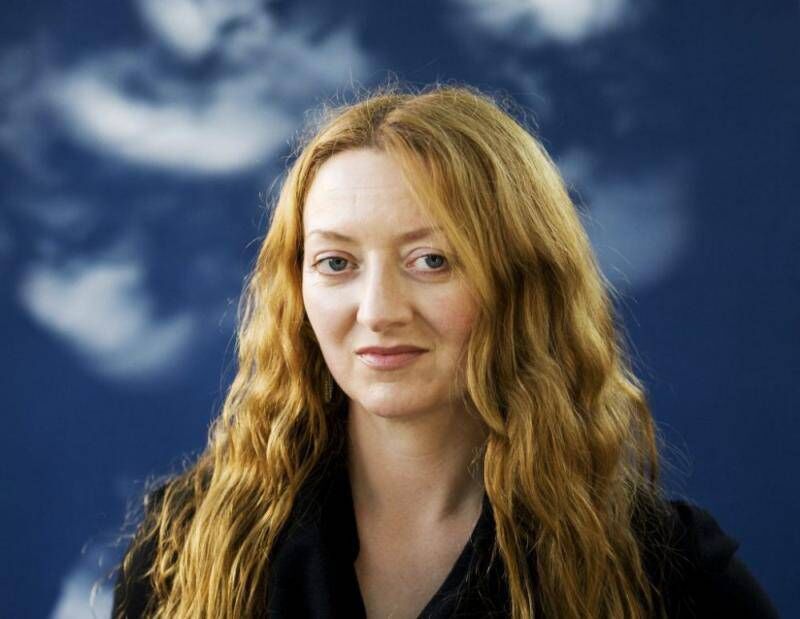
Claire Keegan is one of the country’s most outstanding writers. It's as if the voice in her books plug into your brain, and you're straightaway connected and comfortable with it. She doesn't waste a single word. Every sentence is meaningful.
Her latest novella, , is a favourite. It's the story of a man contemplating his failed relationship. As the book unfolds, the reader realises the reasons for the failure are to do with the man's stinginess. He's emotionally stunted, incapable of any generosity, either material or emotional. It paints men in a very bad light, but she made up for that in . Her books are so impactful.
is a fascinating political book by Rob Burley. He's worked as a producer at the BBC, ITV and Sky, working with big political interviewers, the likes of Andrew Marr. It's essentially a history of big, make-or-break television political interviews down through the years, from Margaret Thatcher to Liz Truss.
It illuminates the craft of interviewing, how the interviewers’ objective should be to identify what is the uncomfortable truth — the thing the guest doesn’t want to or can't say, and how to bring them as close as possible to saying it.
Gay Byrne’s interview with Pee Flynn on in 1999 stands out for the interviewer’s craft. Gay Byrne wanted to get into serious subjects, but he did it with such a light touch. He didn't want Pádraig Flynn to feel like he was being ambushed. He just fed him enough [rope], keeping the touch light but hitting all the key marks. The interview triggered a tribunal. Having a lighter touch can sometimes yield more than going hard down on somebody.
by Liam O’Brien and the RTÉ Documentary on One team is the most impactful podcast. It shows the power and intimacy of radio. In one sense, it's the simplicity of giving two brothers a platform to tell their story of what happened to them, the abuse they suffered at the hands of the Spiritans, and the impact that had.
It was like a damn bursting afterwards. You had hundreds of other former pupils coming forward. When they heard the story, knowing they’d be believed, they knew it was okay to come out of the shadows and tell their own stories. That's an extraordinary power for a documentary to have. It’s important for broadcasters to keep making those documentaries, shining a light so people can be heard.
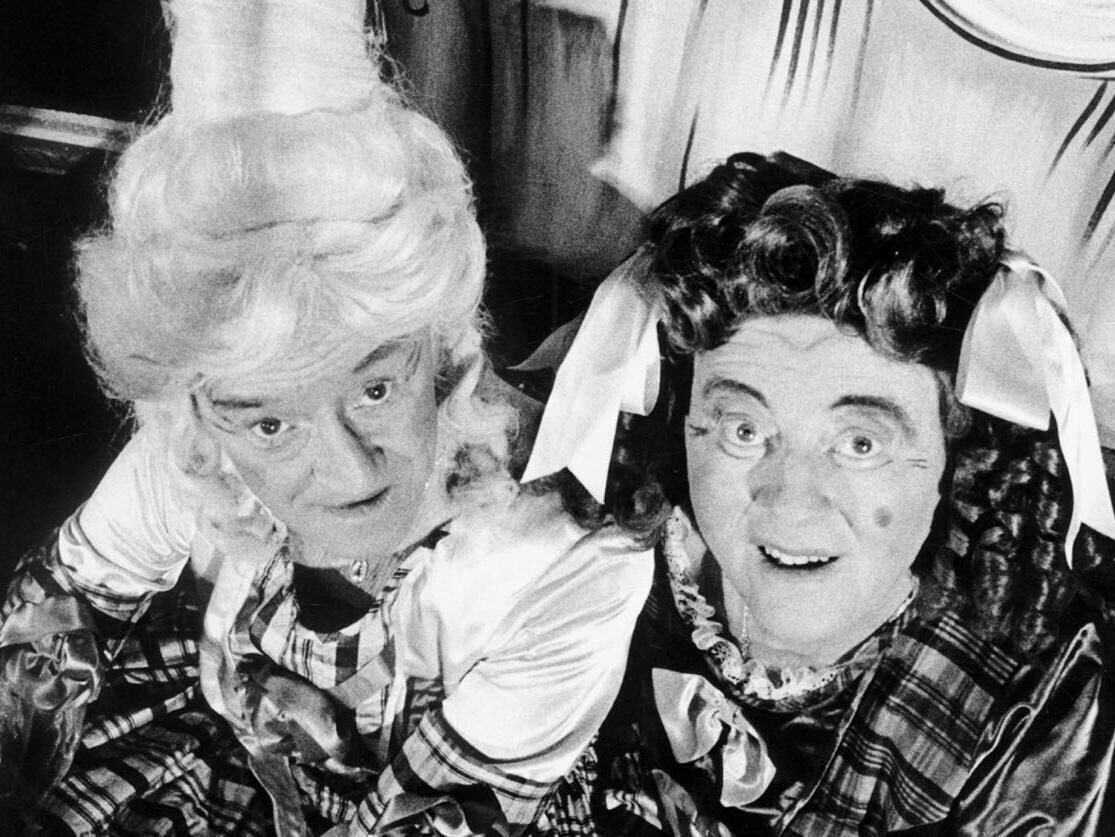
Growing up, we used to always go to the Opera House for the pantomime, primarily to see “Billa” — Billa O'Connell. My dad knew him. He was such a brilliant character in Cork’s arts sector, brilliantly funny and comedic.
During college, the night out was always Thursday night at Gorby’s. Thinking back to those times, that was my first sense of freedom and discovery, going into Gorby’s or Freakscene, which was big around the grunge era. It was learning about all this new music as well. There's so much possibility when you're that age — everybody's interesting, new and exciting.

I wasn't at the All-Ireland final in 1984 [Cork v Offaly in Thurles]. I watched that match on a black-and-white TV in my granddad's house. Afterwards, we took a drive down to Passage West. I remember walking through the town. Even though he was not a man to show his emotions in any huge way, he was very proudly walking through the town that day, holding his head up high, knowing people would be congratulating him.
My abiding memory afterwards, when the Liam MacCarthy Cup came to our school — I was in the convent school — was that it was the first time the nuns made a fuss of me. I got to see my dad there with the team and was brought up front and centre. I was a very important little boy for a couple of hours until it all went back to normal the next day!
In college, I got a ticket to see Bob Dylan. He was due to play at a festival in Millstreet. He was on the line-up with The Pogues, Van Morrison, The Saw Doctors, The Corrs, but he never made it [owing to heart trouble]. I went anyway with a friend from college, John. It was fantastic. The highlight was The Pogues, seeing Shane MacGowan. His best music was behind him, but it was the presence of him. He had to get help on stage that night, but still we got a sense of a legend being on stage as well.
When I got my first car, I got into The Beach Boys. It's good music for driving around too. People dismiss The Beach Boys as being light, superficial or lacking raw energy, but their music is sophisticated and complex. It borrows from barbershop singing, jazz and classic rock ’n’ roll. They have immensely complex harmonies and musical arrangements, the pocket symphonies.
I always was amazed by Brian Wilson. He was the band’s real genius — putting together all those harmonies and melodies in his head, and with some frustration communicating them out to the rest of the band. A fascinating character.