Book review: Uncovering the roots of slavery
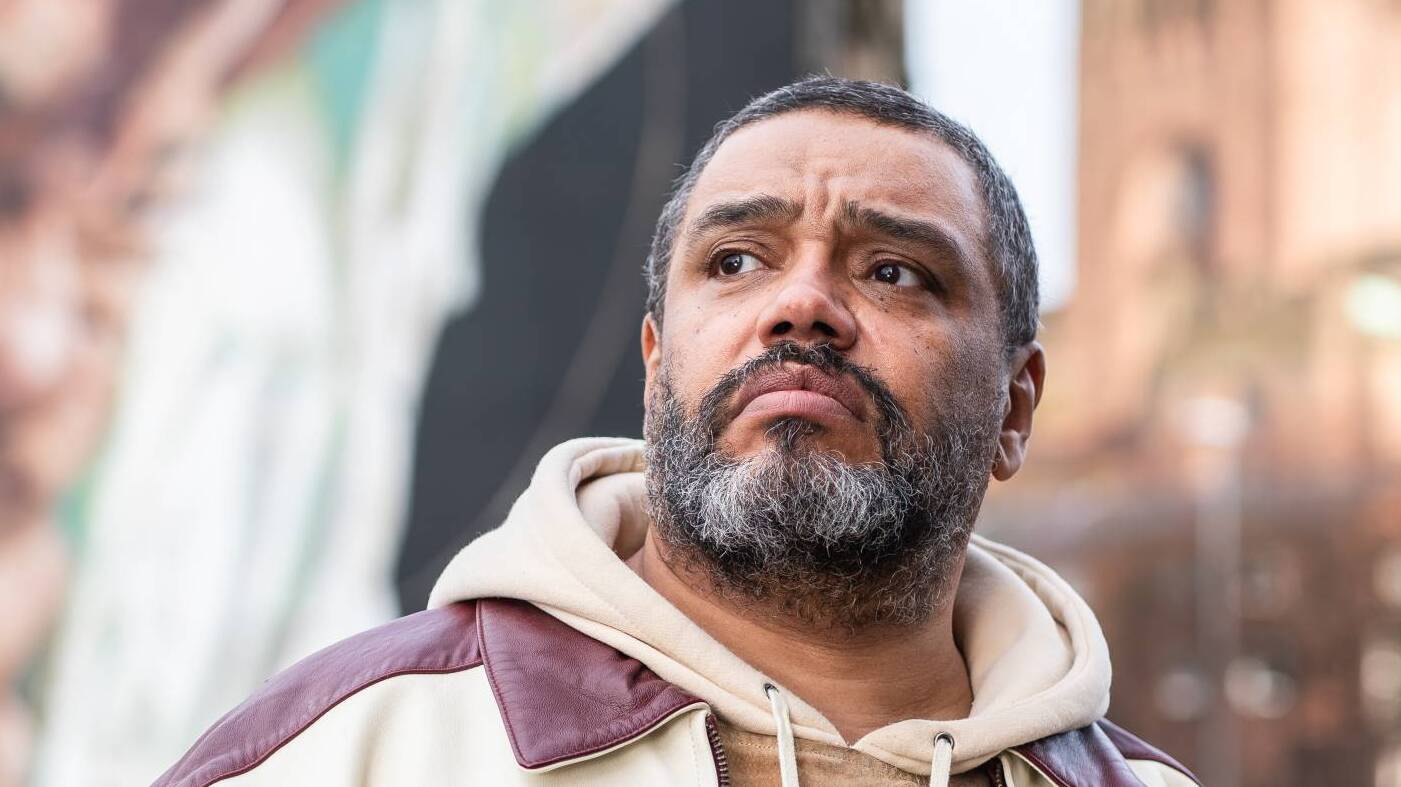
'Searching for My Slave Roots' is dedicated Malik Al Nasir’s ancestors. Some were forcibly transported from West Africa to sugar plantations in the Caribbean
Book review: Uncovering the roots of slavery

Author Malik Al Nasir was born as Mark Parry in Liverpool in 1966, Picture: Zak Grant

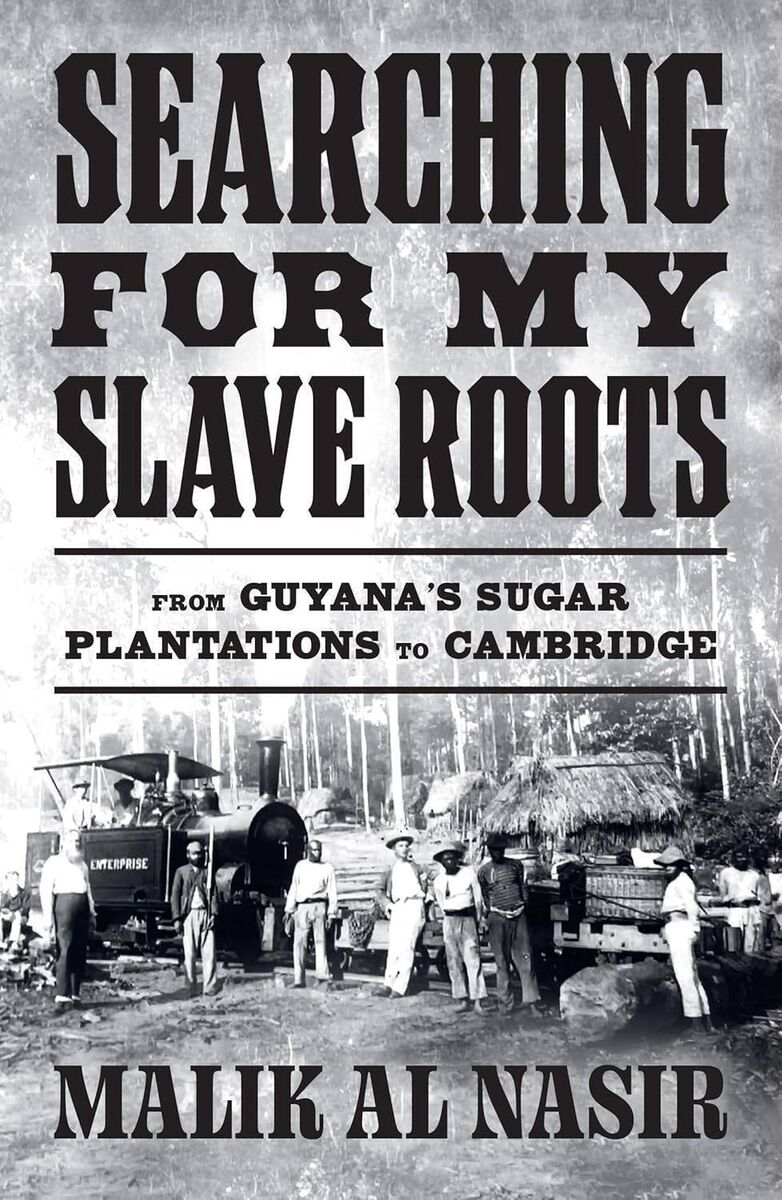
  • Searching for My Slave Roots: From Guyana’s Sugar Plantations to Cambridge
  • Malik Al Nasir
  • William Collins, €29.99

Searching for My Slave Roots: From Guyana’s Sugar Plantations to Cambridge

begins in early September 1973.

Malik Al Nasir then went by his birthname: Mark Parry. He had completed his first day of primary school. Afterwards, he walked home with his father, Reginald. Their journey was interrupted by a local bigot.

“‘Daddy, what’s a Nigger?’ I asked naively,” the 60-year-old British writer, and performance poet recalls. 

Reginald Watson struggled to find an adequate answer. He was born in 1918, in British Guiana, on the Caribbean coast of South America. 

As a young man he travelled the globe as a merchant seaman and eventually settled in Liverpool — where Parry was born in 1966. 

Reginald’s name was not recorded on his son’s birth cert. In 1974, Reginald had a stroke and died seven years later.

Parry, meanwhile, ended up in Liverpool’s local authority care system, where he suffered years of physical and psychological abuse. 

In his mid-20s, he converted to Islam and changed his name to Malik Al Nasir. 

Author’s relationship with  Gil Scott-Heron

He told part of this story in Letters to Gil (2021). The personal memoir focused on the author’s relationship with the late American jazz poet, Gil Scott-Heron.
They met in the early 1980s in Liverpool’s Royal Court Theatre.

Al Nasir was semi-illiterate, but Scott-Heron encouraged him to read. Through authors like James Baldwin, Al Nasir came became politically conscious. 

“The great force of history comes from the fact that we carry it within us,” the African American author wrote in his seminal essay, The White Man’s Guilt (1965). Searching for My Slave Roots is introduced with this quote.

The book is dedicated Al Nasir’s ancestors. Some were forcibly transported from West Africa, across the Atlantic Ocean, to sugar plantations in the Caribbean. 

Other family members were slave traders. They ran Sandbach Tinne & Co: a multinational conglomerate-colonial-enterprise, in operation from 1814 to 1975. 

In Britain, slavery was abolished in 1807, but as late as 1847 Sandbach Tinne & Co were illegally trafficking enslaved Africans to the Caribbean, Al Nasir explains.

He gleans details of this violent history from a collection of private business letters he bought on eBay. They discuss the private and personal matters of the Sandbach Tinne dynasty.

Today, they are on public display, at the University of Cambridge, where Al Nasir recently completed a PhD in history. 

The author’s dedication to research is impressive. He also visits Guyana to interview distant relatives. 

But it feels like he is trying to tell too many stories here all at once. The narrative consequently loses direction and shape. At least partially.

Still, these are small imperfections. Gradually, some fascinating stories emerge. We learn that Al Nasir is a cousin of Andrew Watson. 

Born in British Guiana in 1856, he later moved to Britain and captained the Scottish football team in 1881. Andrew’s father, Peter Miller Watson, was a Scottish slave trader. 

He had a brother, William Robertston Watson. Al Nasir believes he is derived from this man’s lineage. 

His research suggests William Robertston Watson fathered a boy, Henry, with an unknown slave woman. They are said to be the parents of the author’s grandfather, George Edward Watson.

The Sandbach Tinne dynasty may be distant family. But no love is lost from Al Nasir. He describes his white ancestors as “mercantile monsters”.

“Through their depravity and disregard for black humanity [they] raped their way into my family tree,” he writes.

This bleak ending leaves little space for redemption or reconciliation. 

A small glimmer of hope arrives in the final page though. It comes from Maya Angelou. Al Nasir quotes her poem On the Pulse of Morning, which was read out on Bill Clinton’s inauguration ceremony in Washington DC in January 1993. 

“History despite its wrenching pain, cannot be unlived,” the African American poet observed. “But if faced with courage, need not be lived again.”

x

BOOKS & MORE

Check out our Books Hub where you will find the latest news, reviews, features, opinions and analysis on all things books from the Irish Examiner's team of specialist writers, columnists and contributors.
More in this section

Scene & Heard

Newsletter

Music, film art, culture, books and more from Munster and beyond.......curated weekly by the Irish Examiner Arts Editor.

Cookie Policy Privacy Policy Brand Safety FAQ Help Contact Us Terms and Conditions

© Examiner Echo Group Limited