Book review: Memoir dives into an eccentric Belfast childhood
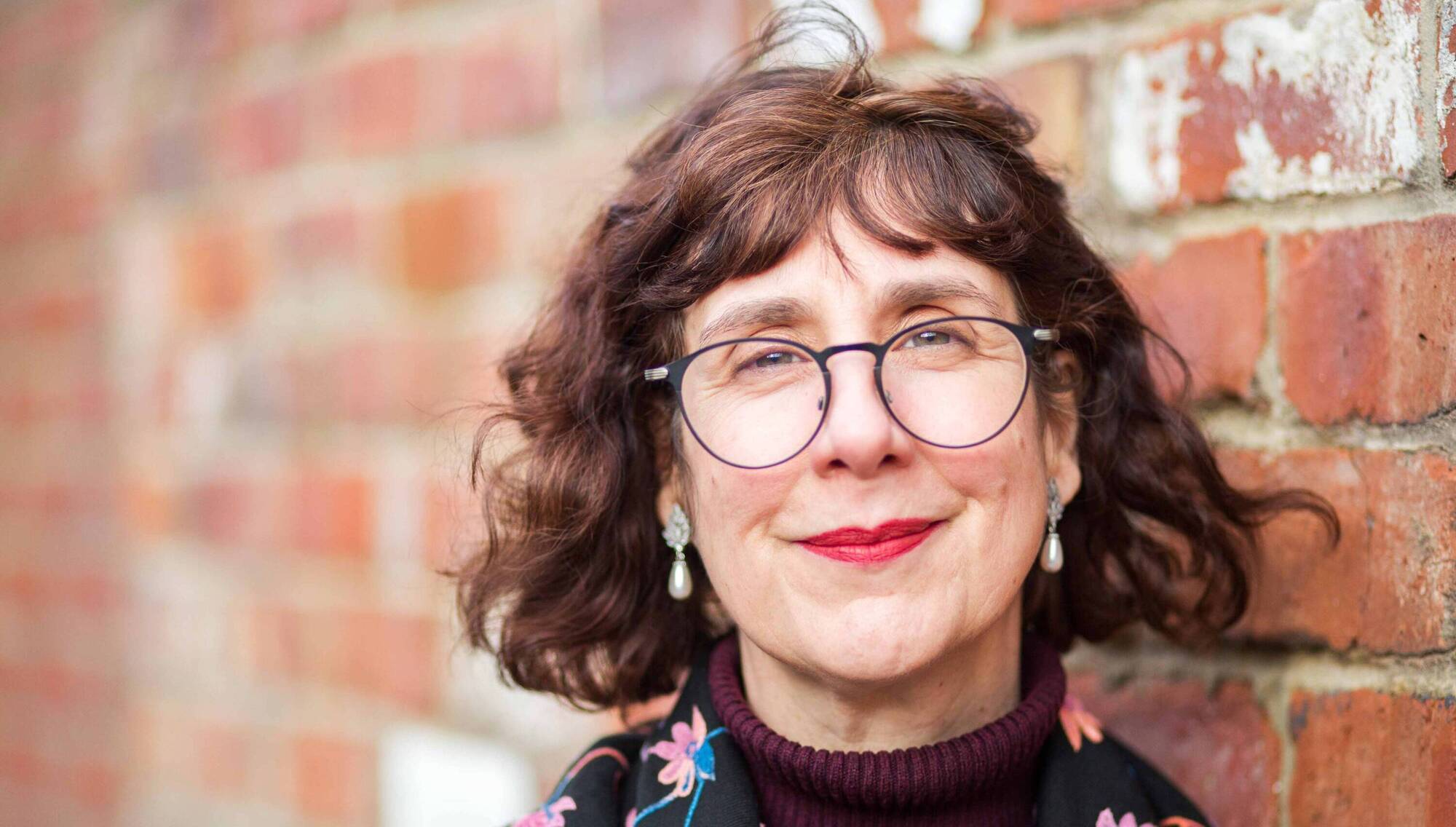
Born in Belfast in 1972, Sinéad Morrisey was raised in the shadow of the Troubles, but somehow apart from them, thanks to her parents’ passionate belief in communism
Book review: Memoir dives into an eccentric Belfast childhood

Sinéad Morrissey’s paternal grandfather, Séan Morrissey, was a diehard communist firebrand who had visited the Soviet Union several times. Picture: Clare Bowles

  • Among Communists 
  • Sinéad Morrissey
  • Carcanet Press, €16.99

In her poetry, which has won the TS Eliot Prize and numerous other awards, Sinéad Morrissey has touched on the colour and contradictions of her Marxist-Leininist childhood: this witty and engaging memoir dives headfirst into it. 

Born in Belfast in 1972, Sinéad was raised in the shadow of the Troubles, but somehow apart from them, thanks to her parents’ passionate belief in communism.

Her paternal grandfather, Séan Morrissey, was a diehard communist firebrand who had visited the Soviet Union several times. 

This faith he passed on to his son Michael, who would campaign tirelessly for the Irish Communist Party. Sinéád’s mother, Hazel, was a fellow traveller — the pair first met at a party function.

Hazel was English and Michael, though born Catholic in West Belfast, considered himself above the sectarian fray. 

Which meant that, for Sinéad and her older brother Conor, they had no side to choose. ‘What are you?’ a small boy asks her at one point. ‘I had no idea,’ she says.

In the Morrissey household, far left politics was omnipresent. Santa Claus is given a frosty welcome — ‘such an obvious capitalist ruse’. 

God gets short shrift also: ‘doesn’t exist,’ Sinéad’s father tells her matter-of-factly. ‘The capitalists made God up.’

For the Morrisseys, sectarian conflict was small potatoes. ‘If the Troubles were all around me,’ Sinéad tells us on the eve of a CND march, ‘I paid them scant attention. I had far better things to do with my time, such as forcing two planetary superpowers hurling thermonuclear threats at each other back from the brink.’

From her father’s point of view, the Troubles were less important than the class struggle, which they masked. 

He encouraged Sinéad and her older brother Conor to rise above the conflict, and consider themselves a caste apart.

Which was all very well, but when they went to school, classmates wondered what the story was. ‘I was constantly seeking permission,’ she writes, ‘for my at-odds, sticky-out life.’

Conor is beaten up while attending a Protestant school, while Sinéad is an object of suspicion among Catholic friends, who cannot situate her. 

While living in a housing estate in the grounds of the Ulster Polytechnic, she wanders the green fields around and has her eyes opened by a clever teacher to the mysteries of poetry. 

Meanwhile her father devotes himself to the cause, even mortifying his children by standing for election.

Their mother is equally committed, and returns from the first of several trips to East Germany singing the praises of ‘heaven on earth: a perfect country’. 

Of the Stasi and their torture chambers she seems entirely ignorant, and it will come as a deep shock to Sinéád when she eventually discovers what the country was really like.

Sinéad, meanwhile, is growing up, and brilliantly evokes the uncertainties of puberty.

‘Like train tracks singing in advance of an approaching train,’ she tells us, ‘the atmosphere in the classroom between the girls and boys thickened and grew strange. I dreaded what was coming. If there was one thing I knew about puberty … it was that I wouldn’t be any good at it.’

As she grows older, and reads more widely, the allure of Marxism begins to pall. 

But she never seems to doubt her parents’ love, or regret for one moment the quirks and eccentricities of her upbringing, which gave her unique perspectives on the northern Irish Troubles. 

‘I mourn my childhood,’ she writes wistfully. ‘I mourn its upper rooms. Sometimes we were dancing.’

In the mid-1980s, Hazel will suddenly abandon communism for the more cheerful agendas of new age spiritualism. 

And the collapse of the Soviet Union will shake Michael Morrissey’s faith to the core.

‘What’s striking about my parents’ marriage,’ Sinéad says towards the end of her memoir, ‘is that it foundered on ideas. It foundered, in the end, with so many other rocks to choose from, on metaphysics.’

The cast iron certainties of the Marxist-Leninist creed had held them together in a comforting dream, but as soon as Hazel lost her faith, the Morrisseys began to drift apart.

BOOKS & MORE

Check out our Books Hub where you will find the latest news, reviews, features, opinions and analysis on all things books from the Irish Examiner's team of specialist writers, columnists and contributors.

More in this section

Scene & Heard

Newsletter

Music, film art, culture, books and more from Munster and beyond.......curated weekly by the Irish Examiner Arts Editor.

Cookie Policy Privacy Policy Brand Safety FAQ Help Contact Us Terms and Conditions

© Examiner Echo Group Limited