In Pictures: Powerful stuff from Katriona O’Sullivan at St Luke’s for Cork World Book Fest
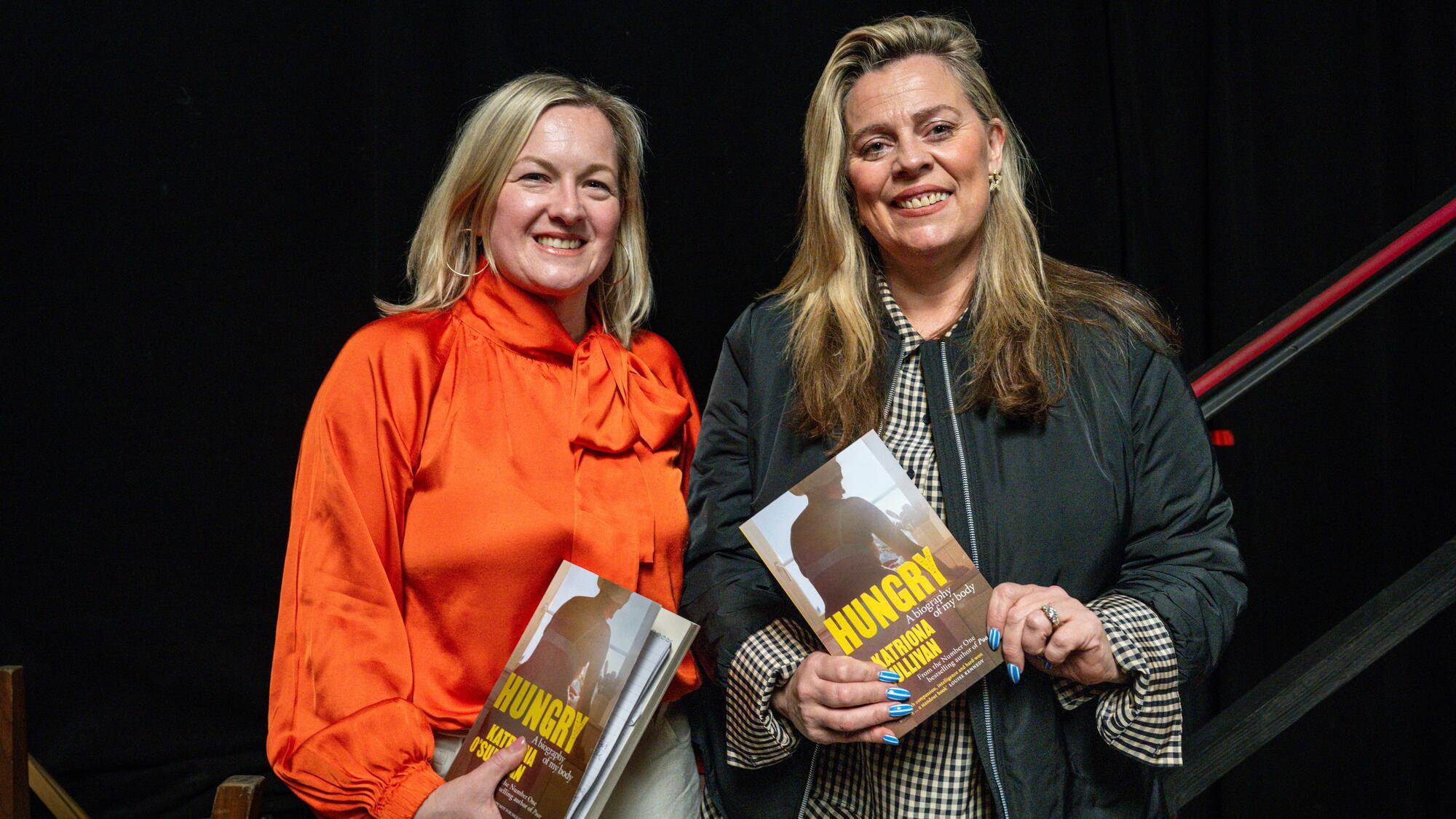
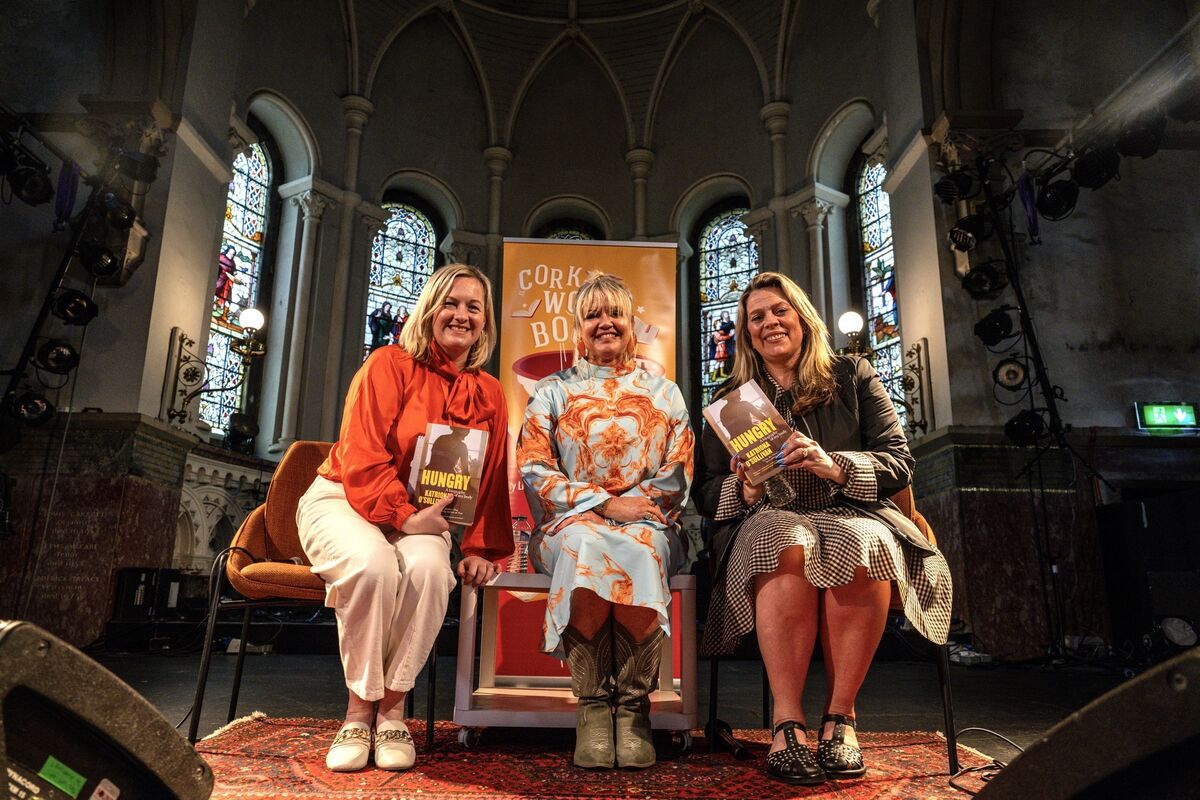
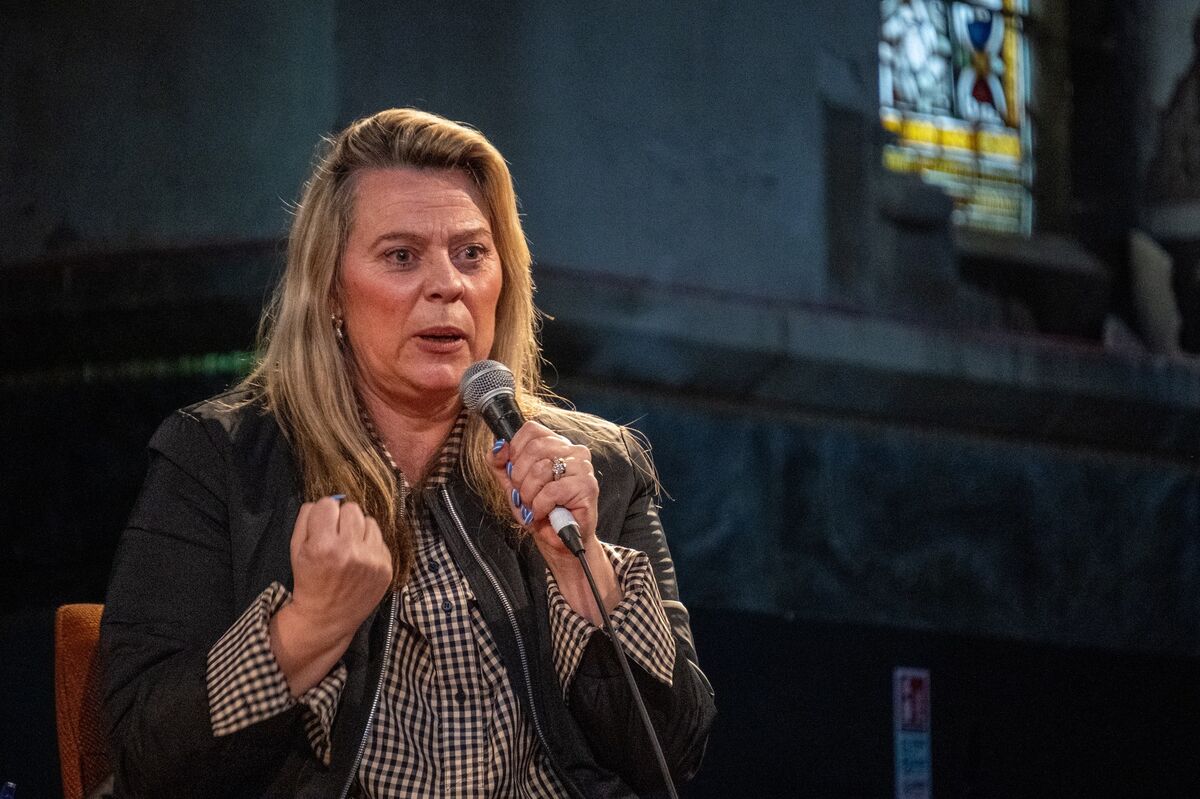
Host Deirdre O’Shaughnessy, and author Katriona O’Sullivan at St Luke’s during Cork World Book Fest. Picture: Chani Anderson
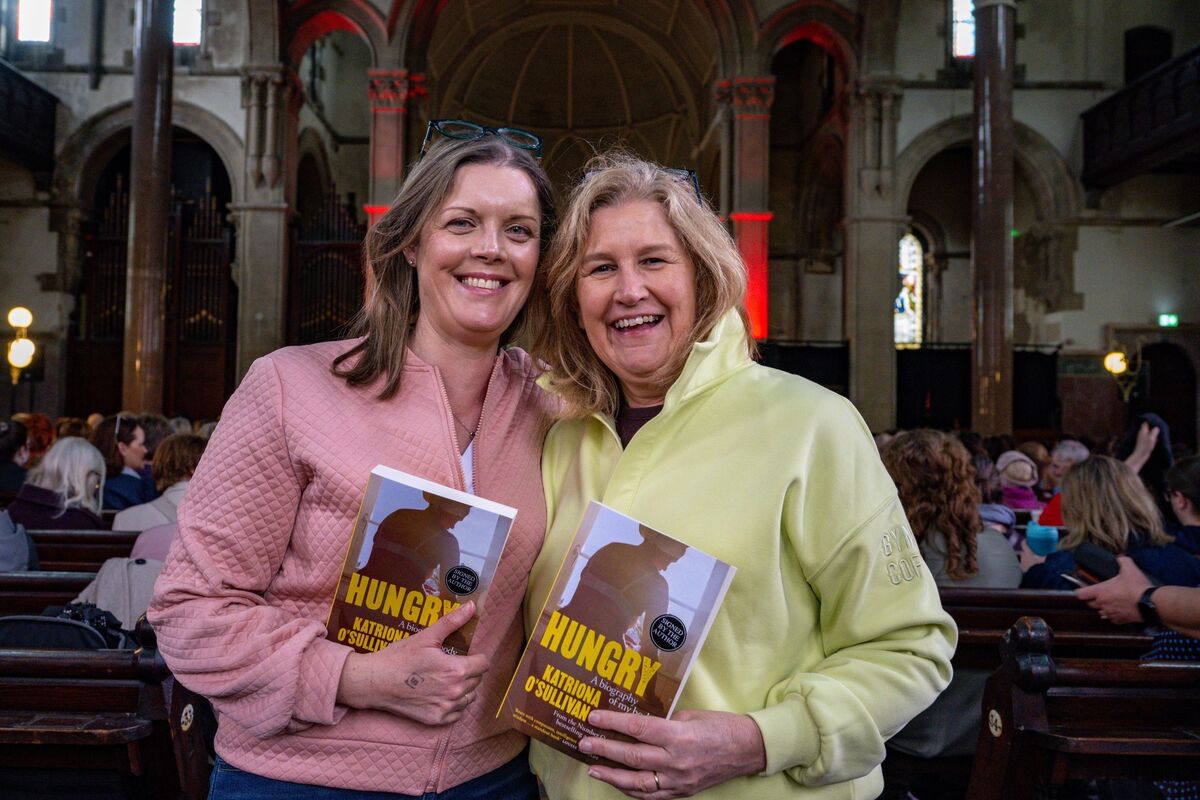
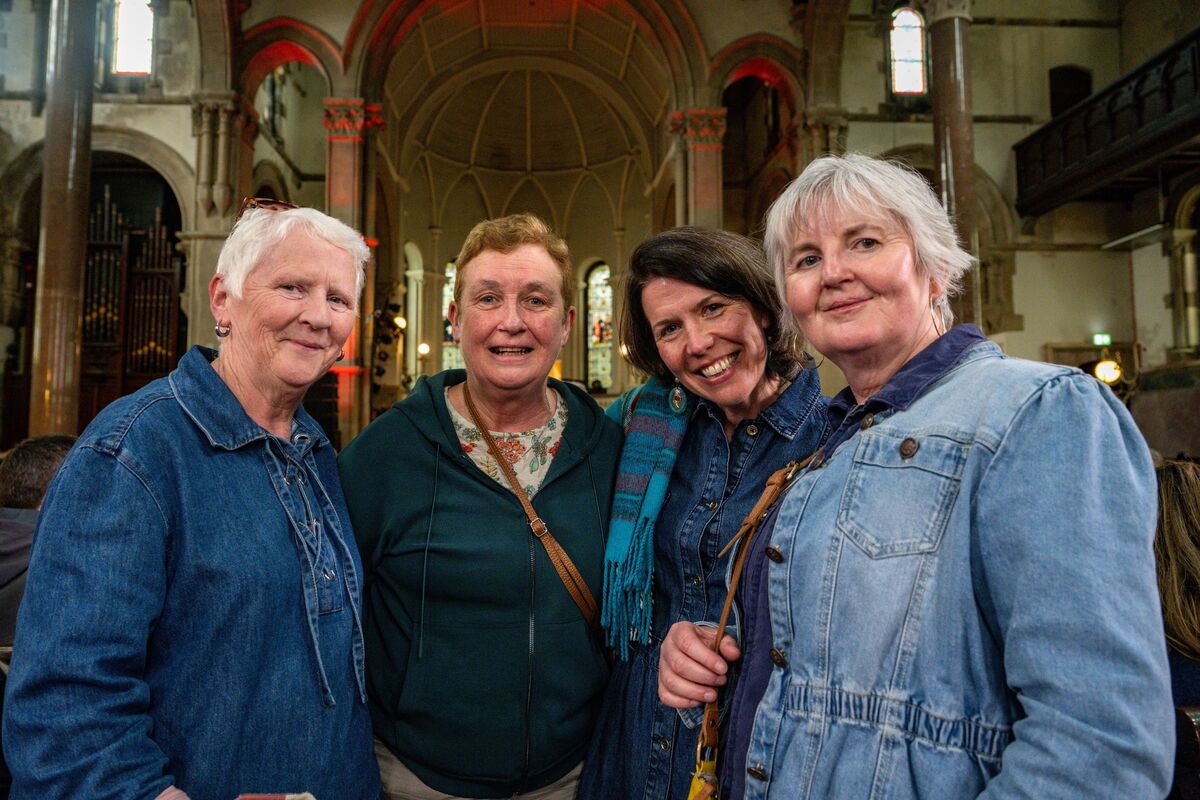
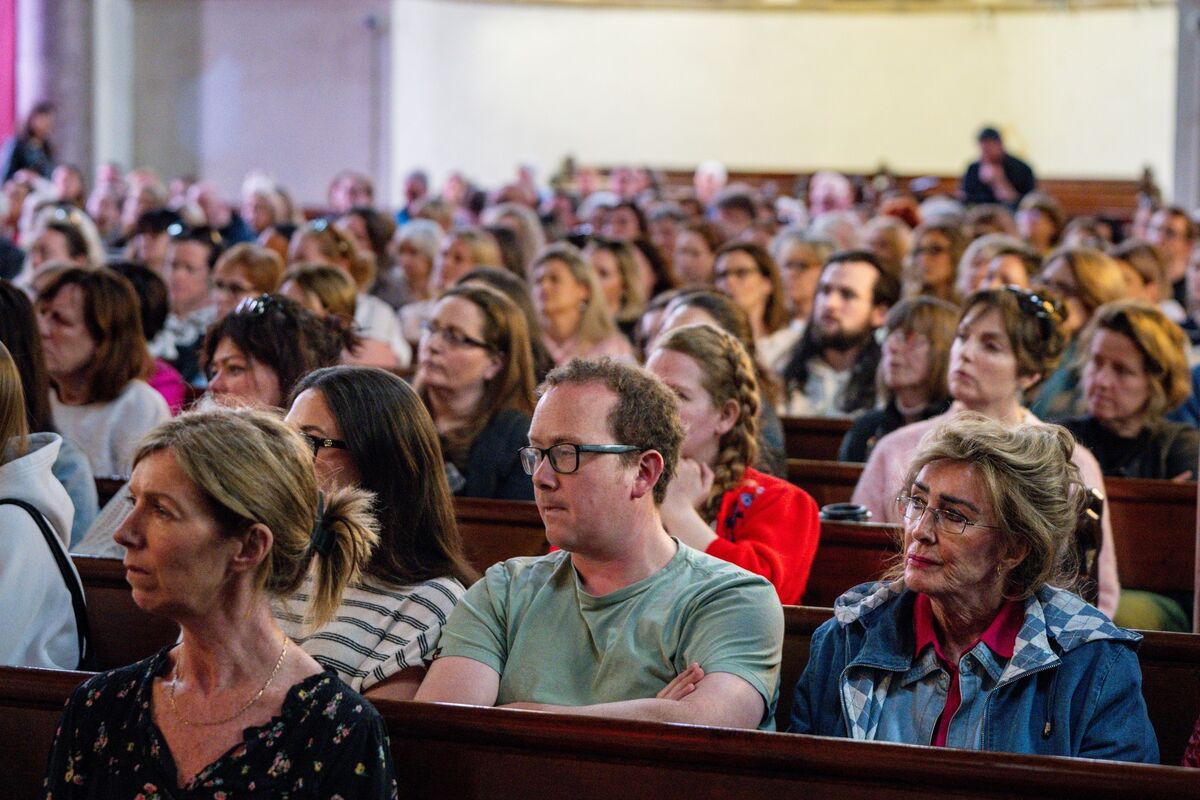
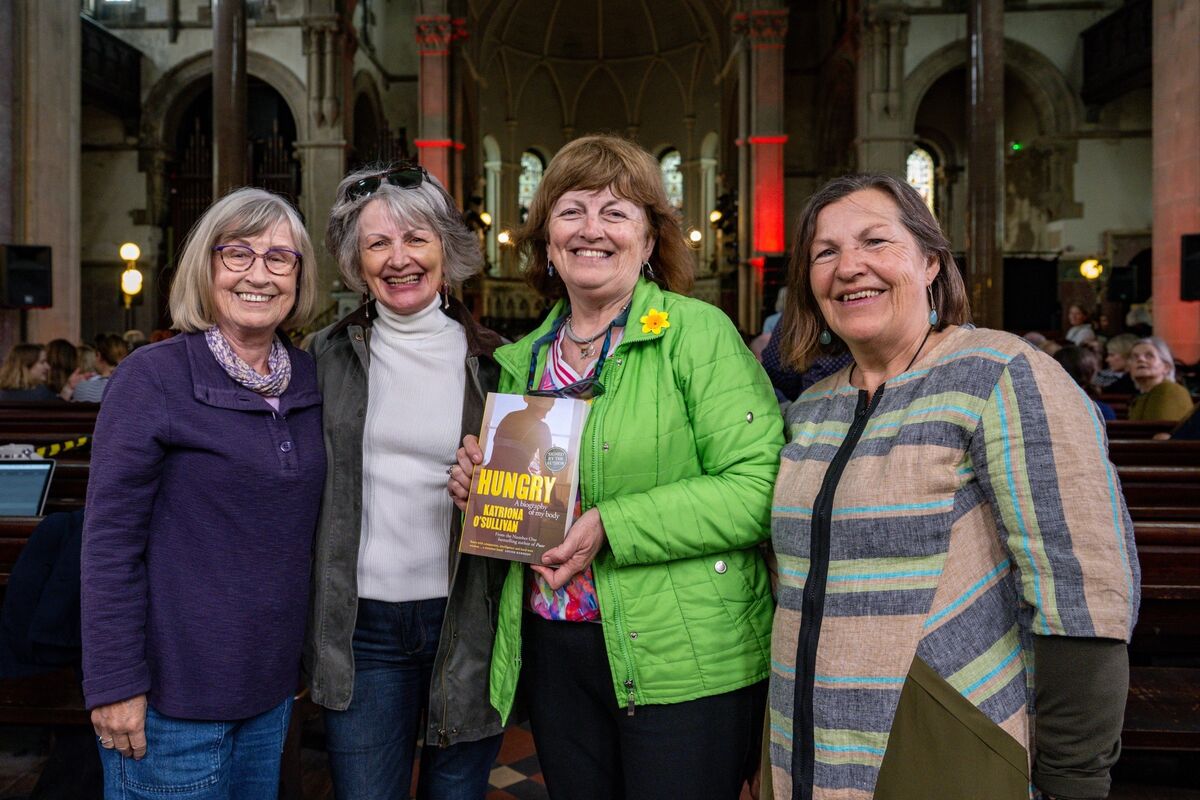
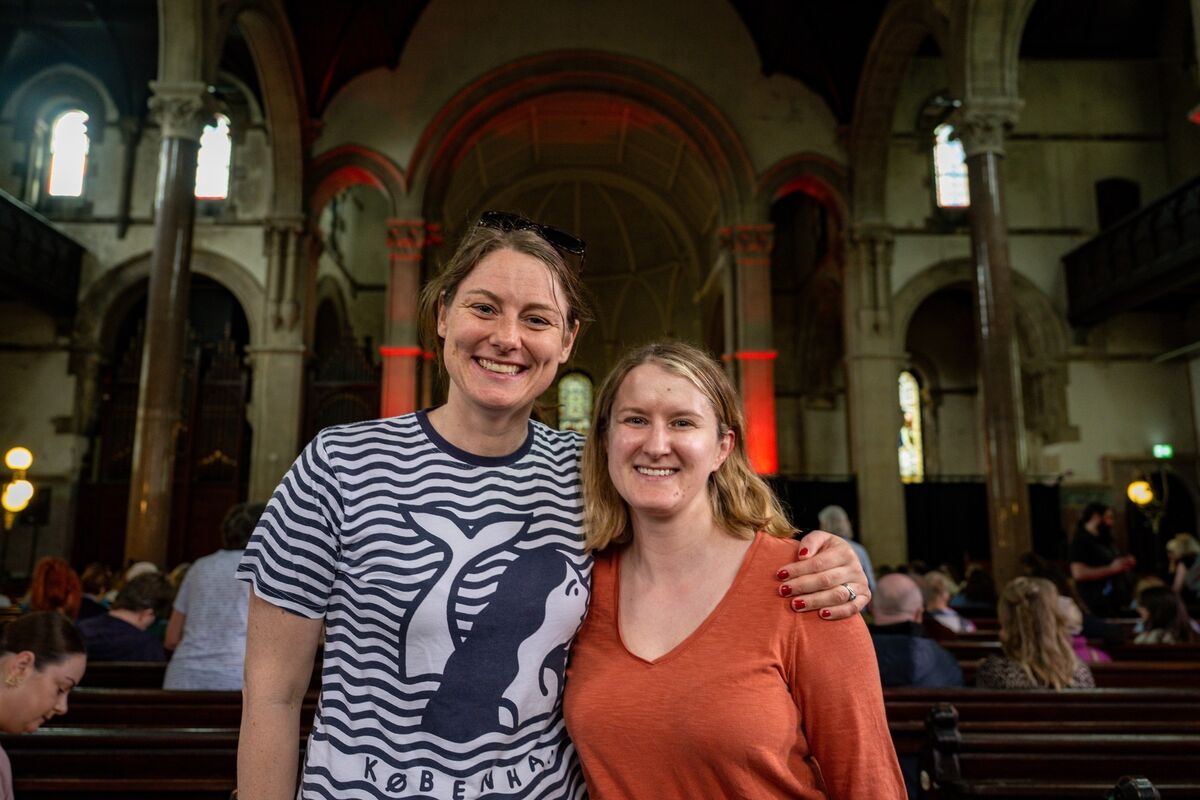
The pews of the former church at St Luke’s in Cork city were packed with people who took shade from the sunshine on Sunday afternoon, all anticipating an inspiring and honest talk by Dr Katriona O’Sullivan.
A professor of psychology and the bestselling author of which has been adapted into a sold-out play at Dublin’s Gate Theatre, O’Sullivan is the winner of Biography of the Year and Newcomer of the Year at the Irish Book Awards.
The packed church-turned-music venue was a homage to the popularity of O’Sullivan’s debut novel and the relatability of her story. In a discussion with opinion editor Deirdre O’Shaughnessy, she spoke about her new book, – a powerful memoir exploring survival and identity that delves into the complexities of body image, self-worth, and the relentless pursuit of acceptance.
O’Sullivan, who was born in Coventry to Irish parents, was raised in a home marked by poverty, addiction and abuse. From teenage motherhood and struggling with her own addictions, O’Sullivan went on to defy all odds, moving to Dublin in 1998 and becoming a university professor and successful author.
Touching firstly on her Cork roots, she explained that she had recently taken a DNA test and discovered that her father was “pure Rebel” and that she had discovered her blood family in Cork, even adopting the local slang with her impressive “Chalk it down, boi.”
Delving into the themes of her new book – body image, self-worth, self-acceptance – she spoke openly about the factors that influenced her body image growing up.
She spoke about how, early on, she learned about how women were valued from her parents – her father, who she said sexualised women, and her mother, who she said made her feel that love was attached to the way she looked, as a child.
She spoke about the confusion that existed when she experienced sexual abuse as a child at the hands of three different people. “I had this connection that my value, my beauty, and my goodness were attached to what I looked like, and then I experienced really significant sexual abuse. And our bodies, from birth, are designed for pleasure, especially women's bodies, so an orgasm is possible, pleasure is possible through touch from birth, for girls.
“So when I was abused, I experienced pleasure, my body actually liked the touch, and I noticed it’s quite common… the guilt of that in survival. I didn't know about that. I was experiencing this really pleasurable feeling in this really intense, fearful experience."
O'Sullivan said the impact of trauma and the outcome of trauma are predicted by what happens immediately after the trauma. "In my case, there was nobody to go and ask questions about this experience. So I made these erroneous connections in my mind that this happened because of the way I looked, that my body did something wrong. And I've lived my whole life with that thought. Prior to that experience, I never really had an idea of my body being anything other than this vehicle for running, reading and dancing and after that, it was like it was bad and it was out of my control.
“All I've ever wanted is to return to that girl, to be able to cartwheel and show my knickers without any shame, and that's been the drive of my whole life is to try to get back to that girl who lived in the before,” she added.
She said it wasn't until she went to therapy about six years ago that she could put words to that experience.
She spoke about how that extreme shame and dislike for her body can sometimes still creep through in adulthood, touching on experiences with past partners and with her husband, Dave.
“I can think my body is amazing, it heals me, it survived trauma, it produced three wonderful children… I can absolutely feel how powerful it is. And in the same breath, I can feel it’s disgusting, it’s not small enough, the lines on my forehead, my lips are getting smaller, my hair… and I share that a lot and whenever I share that stuff I get an influx of women, and some men, who say thank you for saying it and I found that I had something else to say and I’m a writer and a storyteller. Sometimes stories just come, even if you don’t want them to, and with this book I realised I had something to say about social class, trauma, and women’s bodies.”
She touched on how the book begins with the thoughts of seven-year-old Katriona and how beautiful and free she was, and how she could cartwheel and play football. “I didn’t even know I was a girl, I just thought I was deadly,” she said.
She went on to talk about losing that body and that girl, and spoke about how sharing her experience and connecting with others has allowed her inner child to know they are no longer alone in those feelings.
“We need to be sharing. We need to be honest with each other. We need to be connected,” she said.
Touching on the commonality of sexual abuse in Ireland, and the importance of being able to talk openly about it, she said: “One in four adults in Ireland have experienced sexual abuse in childhood and it’s nine times more likely if you grow up poor. If we don't talk about things, they stay and grow in the dark. I actually have nothing to be ashamed of. Also, about one in three women will experience sexual assault as well. So this is not rare. What’s rare is being able to talk about it without feeling ashamed of it ourselves. And it is a really painful thing to talk about. But I also feel like I want to normalise it a little bit.”
O’Sullivan also spoke passionately about recognising certain behaviours in children who may have experienced or are experiencing abuse. She spoke about how what is often interpreted as disobedience or acting out may point to something underneath the surface, and how people have to be more aware of the link between certain behaviours and trauma.
Becoming emotional, O’Sullivan said: “If I could have been a good girl, I would. And anyone you’re dealing with who is misbehaving, whether it’s addiction, or homelessness, out of the streets selling drugs or in prison… if they could be good in this life, they would.
“How unreasonable is it of us to not apply that logic to people who are doing bad things? It doesn't mean we have to accept that in our lives, but understanding is great and applying that to people. When I think about that, I think about how grateful it is to be your world, that judges you for things that you can't control.”
- Katriona O’Sullivan’s new book is available in bookstores now.
- Katriona O'Sullivan's full conversation with Deirdre O'Shaughnessy will be broadcast as part of The Deirdre O'Shaughnessy Podcast on Tuesday, May 5.