Poetry review: Exploration of life’s longings and discovery
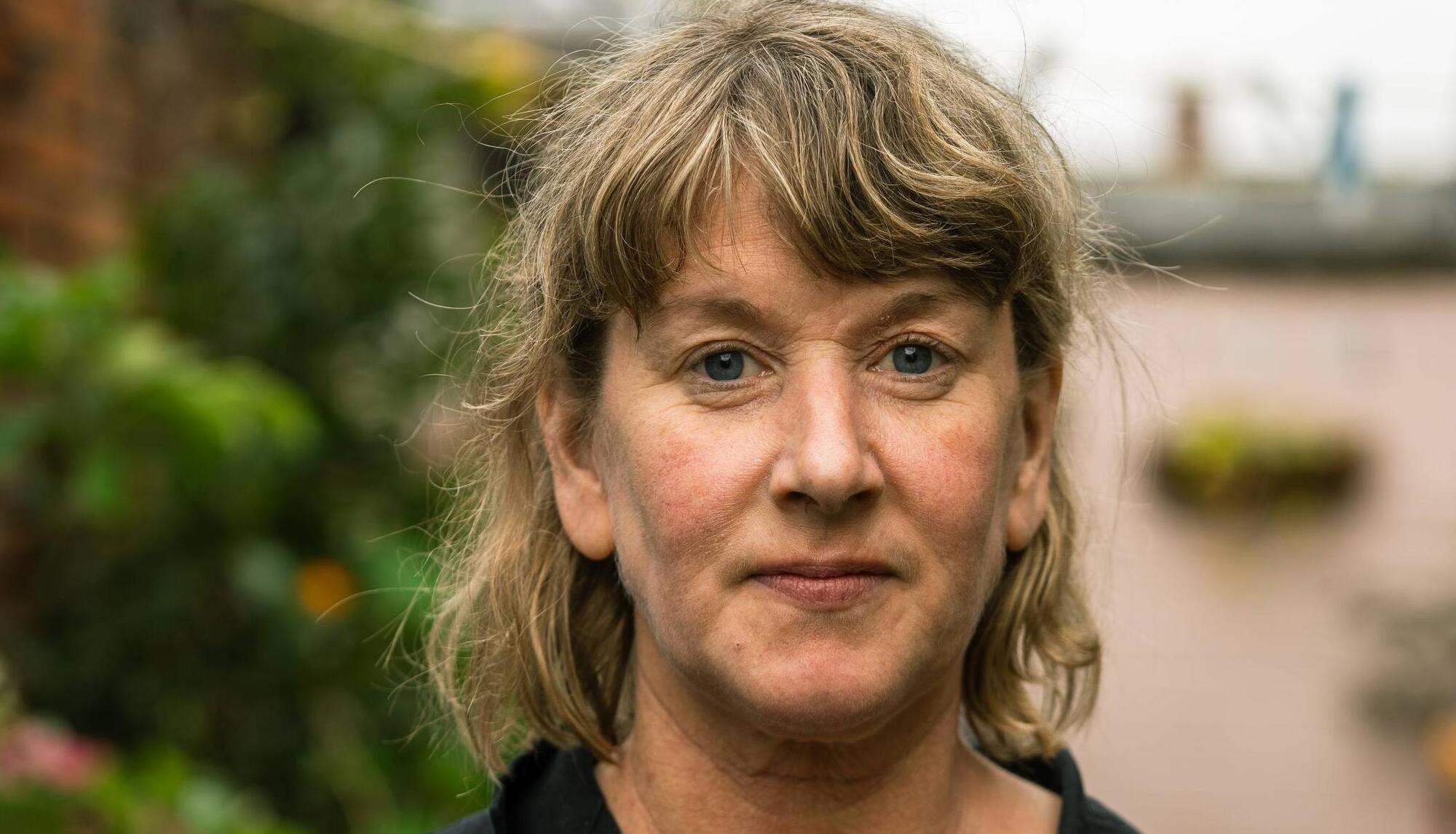
Leontia Flynn's 'Taking Liberties' is a rewarding collection, filled with poems that offer quiet wisdom, beautiful imagery and arresting conclusions
Poetry review: Exploration of life’s longings and discovery

A sense of longing permeates Leontia Flynn's collection with the speaker frequently alone in a room, contemplating the outside world, her place in it. 

  • Taking Liberties 
  • Leontia Flynn 
  • Cape Poetry, €16.80

Taking Liberties is Leontia Flynn’s fifth collection of poetry. These are works that speak softly of everyday things, musical poems where every word is carefully measured and every object carries multiple meanings.

From the very start, we are never sure if the speaker is on the verge of despair or leading exactly the life she is supposed to. 

This uncertainty is played out in the very first poem of the collection, ‘At Every Stage’: “Is this tragic, is this tragic?...No, this is not tragic.” Of course, that’s not the last word on the matter.

A sense of longing permeates the collection with the speaker frequently alone in a room, contemplating the outside world, her place in it. 

Many of the collection’s core themes are distilled in the poem ‘In The Master Bedrooms’. The speaker wonders if “In the master bedrooms…in heritage/coordinated tones/are there still those suffering…depression…unrealizable dreams?”. 

In the same poem we hear about an “intricate, coping life”. Then there’s the inevitable desire to break free from “maturity…its finance and dental plans”.

At the core of this collection is a classic irreconcilable dilemma — a yearning to escape from life as it is being lived (frequently represented by the indoors), an urge to be on the move yet fearful of what this change could bring.

As Flynn writes in the penultimate verse of ‘In The Master Bedrooms’: “the road rolls on/in the discontented soul…the bright solving exile deferred”.

Over and over, we see indoor spaces portrayed as limiting, yet safe — bedrooms, the parenting room of a municipal pool, a waiting room in a train station. 

In the poem ‘In the Municipal Pool’ we are told that the speaker goes to the parenting room “to attend my inner child”, which is contrasted with a more violent image from outside where “history…beats/on the roof”.

Throughout the collection the speaker encounters borders, thresholds; imposing barriers she is never sure she wants to cross. These can be literal or metaphorical.

In the poem ‘On Platforms and in Plate-Glass Waiting Rooms’ we’re told that as “women press softly/towards the sliding doors./Their journeys stretch/before them to the border./One border is The Loved One./Another middle age./The border in this poem…reader…is you”.

In the excellent ‘Nina Simone is Singing’, motherhood is described in the context of crossings and partings: “my daughter/separated from me/at the border of my body”.

Furthering the theme, the collection is filled with references to travel. The first lines of the collection’s first poem read “At every stage/on the road”. 

‘At Motorway Service Stations’ treats us to a note-perfect description of the strange possibilities for self-discovery that come with a long car journey as we see “The road…unspooled/beyond the city limits/and the flat-faced, crude/election posters”. Indeed, the cover of the book contains an image of railway lines.

This is a rewarding collection, filled with poems that offer quiet wisdom, beautiful imagery and arresting conclusions. 

Its only flaw is that the language can at times feel a little too carefully chosen, too flawless and controlled with poems folding into one another as the pages turn.

It can leave one longing for a change of tone, something more brash or ill-considered, something that allows the poems to cross their own border.

In the poem ‘The Footage from The Drone’, we are given a description of a burned-out building with images of destruction covering “floor/after floor/all the way/to scorched earth”. 

This, then, is what happens when safety is destroyed: “a dizzying lurch/as the world collapsed”. Intriguingly, this all caused by “Fire’s poetry” — poetry now appearing, briefly, as an uncontrolled force. The poem concludes with “Watch this space” — the speaker pointing the way, perhaps, for her next journey.

BOOKS & MORE

Check out our Books Hub where you will find the latest news, reviews, features, opinions and analysis on all things books from the Irish Examiner's team of specialist writers, columnists and contributors.


More in this section

Scene & Heard

Newsletter

From music and film to books and visual art, explore the best of culture in Munster and beyond. Selected by our Arts Editor and delivered weekly.

Cookie Policy Privacy Policy Brand Safety FAQ Help Contact Us Terms and Conditions

© Examiner Echo Group Limited