Karl Whitney: An interview is intimate and both parties must open up
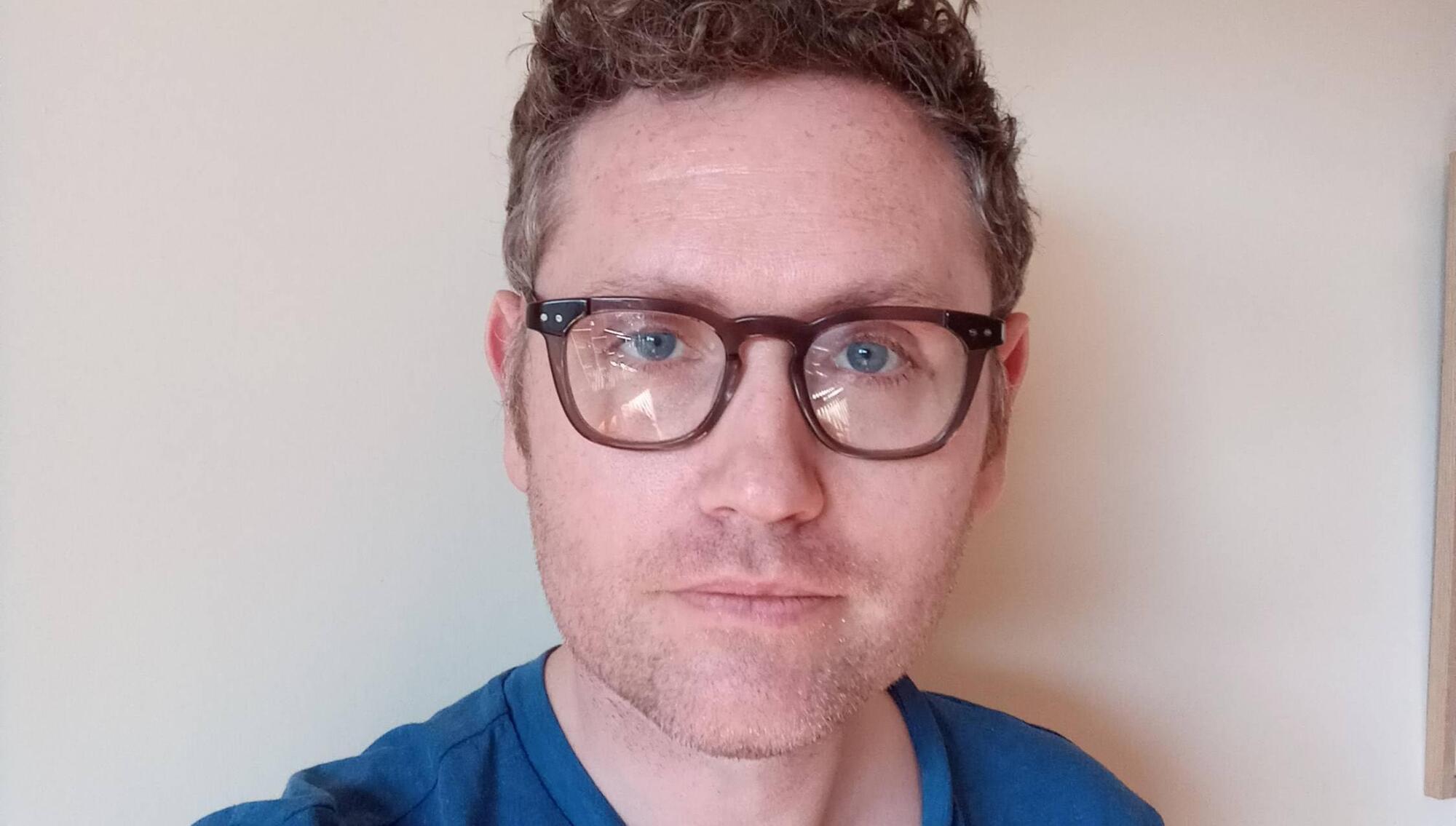
An interviewer has to reveal something personal if they are to get their subject to reciprocate, to develop an easy rapport as they might with a stranger in a pub
Karl Whitney: An interview is intimate and both parties must open up

Writer Karl Whitney says an interview shouldn’t be about confirming the interviewers beliefs or preconceptions.

The  other night I was coming from the airport and stopped off in town for a drink with a friend. The weather was autumnal, but warm, and we sat outside the pub, chatting. 

A stranger caught something we were saying that he thought amusing and joined the conversation.

He had an interesting story to tell. Whereas before he was slightly unfocused and jovial, when he began to talk about something that was personal to him everything snapped in to focus with a new coherence, clarity, and seriousness.

Once we had left the pub and our new acquaintance behind, we sat — indoors now, as the night had cooled — and talked a little about what we had just heard. 

We had stories to tell each other about what was going on in our own lives — the accumulation of experience that eventually expresses itself in the tales we recount when in the company of those we know well, or, sometimes, those we don’t.

Over the next few days, I thought about these impromptu conversations with strangers. 

When you’re writing something factual, establishing intimacy and trust with an interviewee can be important — and being as open and honest as you can be is a way of achieving this. (Within limits: I’m not saying you should go as far as handing over your PIN number.) 

But it’s not just a time-saving strategy of the writer on a strict deadline; it can run much deeper than that, if you let it. 

If you believe in old-fashioned notions of art as a way to cultivate or sustain empathy, then that’s going to include interactions with other people, and those other people are going to include strangers — people you encounter on the street, contacts you interview about a certain topic, even friends and family. Writing is personal and intimate.

When people talk, they might tell you the story that they think you want to hear. 

But over the course of the conversation, another shadow story might emerge that feels much more vital and significant. 

We’re so used to shaping our own stories for the consumption of others that we can lose touch with what’s more significant: What we know, on a gut level, to be real and true.

And, as a listener and an interviewer, it’s important to focus on what’s real and true.

Conversations contain possibility. The unexpected can occur. People can be surprising — and can sometimes even surprise themselves with what they say. 

It might be a moment of honesty or insight that can come when interviewees open up a little, or warm to their theme and tell you what they really think.

The solitary pursuit of writing

At its core, writing is a solitary pursuit. A writer needs to spend hours listening to themselves: An ongoing inner monologue about what works and doesn’t work that eventually leaves its trace on the page. 

The danger is that your world can shrink to almost nothing, especially during periods of intense writing.

(To meet a book deadline, I once worked for months in a windowless room in a city where I knew virtually no one. When I emerged, I had a book, but very little vitamin D in my system and hadn’t really talked to anyone for all that time.) 

When your world gets small, you must make it big again — as much for your own wellbeing as for your work (the two are interconnected). 

Lately, I haven’t really been focusing on interviewing as a technique, but sometimes, as happened when sitting outside the pub, the old habit snaps in to place, and I find myself engrossed in hearing someone tell me about their life, with its surprising twists and turns.

If you’re approaching an interview as a writer, you have a responsibility to two people: Yourself and your interviewee. 

You should be open and friendly, but retain a scepticism. You can’t believe everything you hear.

Sometimes, people will tell you what they think of as a ‘good story’, but without any reference to the facts. 

Maybe they’ve heard a tale from a friend who’s got it wrong, or perhaps they’ve garbled things along the way, and blithely narrate it to you, expecting it to turn up in print without its veracity being checked.

A good rule of thumb is to always assume you’re not hearing the full account. Memory also plays a part.

When I talk to my family about things I might remember from my youth — my asthma attack while on holiday in Donegal or breaking my arm when falling from my bike — their account will diverge slightly from mine. 

Other details will accrue over the years and a fuller picture will emerge.

But when I, in turn, tell someone else about those events, what will I choose to tell and what might I either forget or withhold?

Truth is contingent on our ability to remember, and much as we like to think that we remember everything, we’re retelling and reshaping all the time. 

When talking to a musician or author, you might hear the same anecdote, which has been told a hundred times, being trotted out once more, and you wonder what the original tale might have been like before it had been given several coats of paint for anecdote-hungry journalists. 

The rawness of experience has been lost in favour of the kind of polished, but unrevealing, story of the kind that’s welcome on chat shows.

I can see how it happens. When you promote a book you’ve written, you might find yourself giving variations on the same answer during interviews. 

Let’s say you have five minutes on radio to get your point across, so everything is stripped down to talking points. 

Eventually you discover that what you’re saying only has a tangential relationship to the experience of writing and researching a book.

You’re on the radio. An interviewer may not have read the book at all. They have a general notion of what it’s about, and it’s up to you to inform them. 

The process risks mutual incomprehension. But once you accept that fact you can relax a bit. 

On a bubbly breakfast show, I was asked whether I had seen the ‘Teenage Mutant Ninja Turtles’ while exploring the sewers beneath Dublin. 

Shifting through different conversational gears

What can you say to that, except: ‘Sure!’ There are different conversational gears that you shift through, both as an interviewer and interviewee. 

With some interviewees, it might stay informal, fun, but factually useless.

With others, such as politicians or public servants, there’s a natural defensiveness that is difficult to overcome. But you might squeeze them for facts and get something from the endeavour.

It’s important to appear to know less than the person you’re interviewing, even if you have done your research and find that you know more than them. 

You need their words, not them giving the thumbs up to your statements.

Conversations with strangers aren’t solely about confirming what you already think you know.

As an interviewer, you need to be open to the possibility that things will go in new, strange directions that you might never have anticipated.

x

BOOKS & MORE

Check out our Books Hub where you will find the latest news, reviews, features, opinions and analysis on all things books from the Irish Examiner's team of specialist writers, columnists and contributors.


More in this section

Scene & Heard

Newsletter

From music and film to books and visual art, explore the best of culture in Munster and beyond. Selected by our Arts Editor and delivered weekly.

Cookie Policy Privacy Policy Brand Safety FAQ Help Contact Us Terms and Conditions

© Examiner Echo Group Limited