Jim's Gems 1996: DJ Shadow, Suede, and REM among the albums of the year
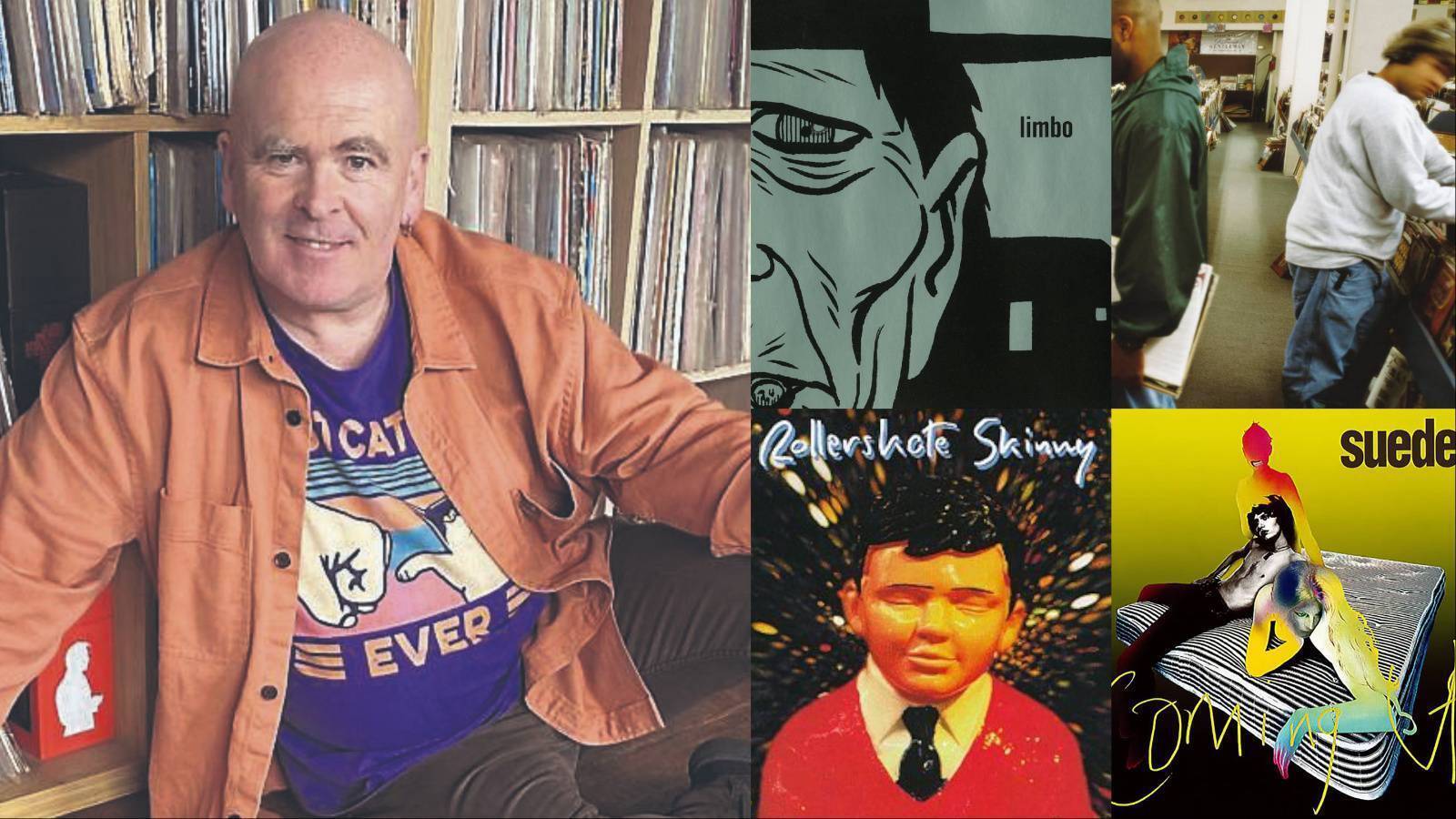
Jim's Gems 1996
Anyone who was around Cork in the 1990s will tell you it was the greatest era for the city’s clubs and pubs. A thriving scene on Leeside had plenty of talented local bands and top-class DJs who were plugged into international trends. A superb year in music was also a welcome distraction from such homegrown outrages as the hepatitis C scandal, and the murder of journalist Veronica Guerin.
At the Atlanta Olympics, an unfortunate Sonia O’Sullivan failed to shine on the track, while many people weren’t sure what to make of Michelle Smith’s “unbelievable” four-medal haul in the pool. At least the musicians of the era could be relied upon to produce some brilliant offerings – here’s my selection of the best.
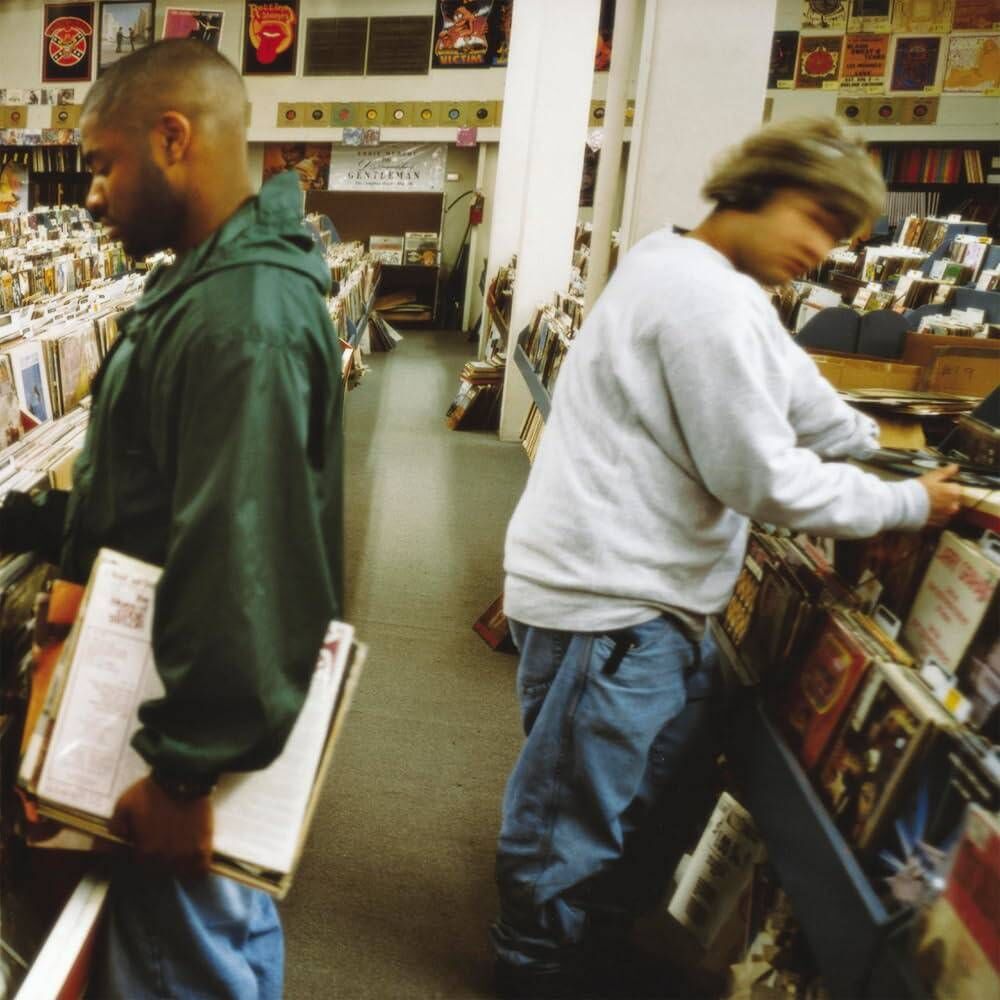
To some people, it’s just another hip-hop instrumental record. For the rest of us, is so much more. In an era where sampling reached fever pitch, this album still managed to be radical. An album created entirely from beats and obscure samples painstakingly collected through years of digging in record crates.
‘Foul!’ cried some musical purists, but this is actually musical purism at its highest. What Shadow did was to recycle old music to create the ultimate sonic journey. And it is a journey because to understand this record you need to listen in its entirety, preferably in that hour just before the dawn breaks. The most groundbreaking record of the decade deserves to be regarded as worthy of comparison to the likes of and
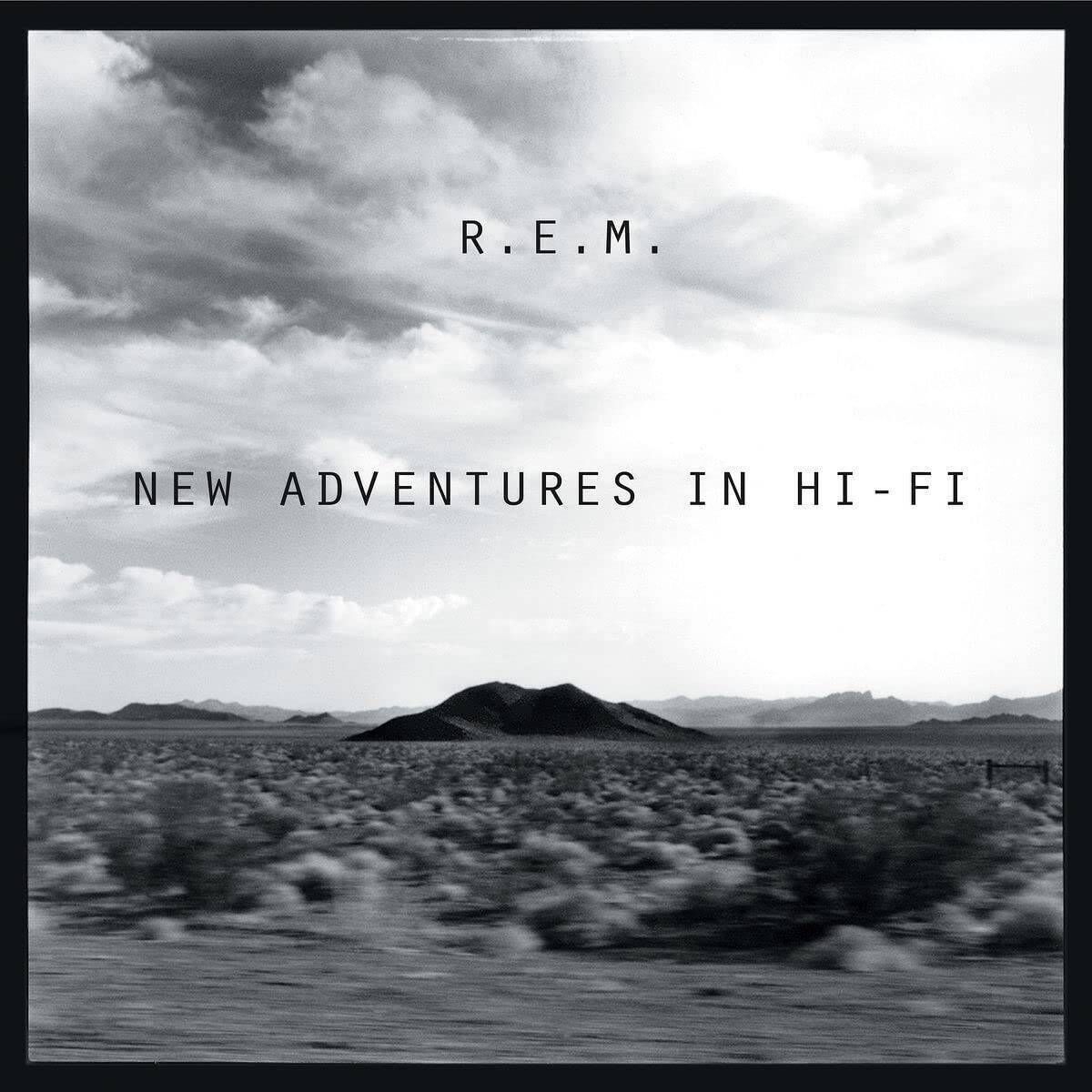
In Hi Fi, I tend to divide REM’s career into three phases. The IRS or underground phase, which was the first three albums. Next was their transformation into one of the biggest bands on the planet with the next six albums. The final phase came when they almost decided they had achieved the fame thing and now they were going to be a bit more daring and experimental on their music and not chase hits. This happened over the final six albums, and for me this is the most interesting part of their career.
marks the beginning of this phase, and it’s also the final album with the original line-up. A double album mostly recorded on tour, it’s a return to the eclecticism and experimentation that was missing on the recent previous records.
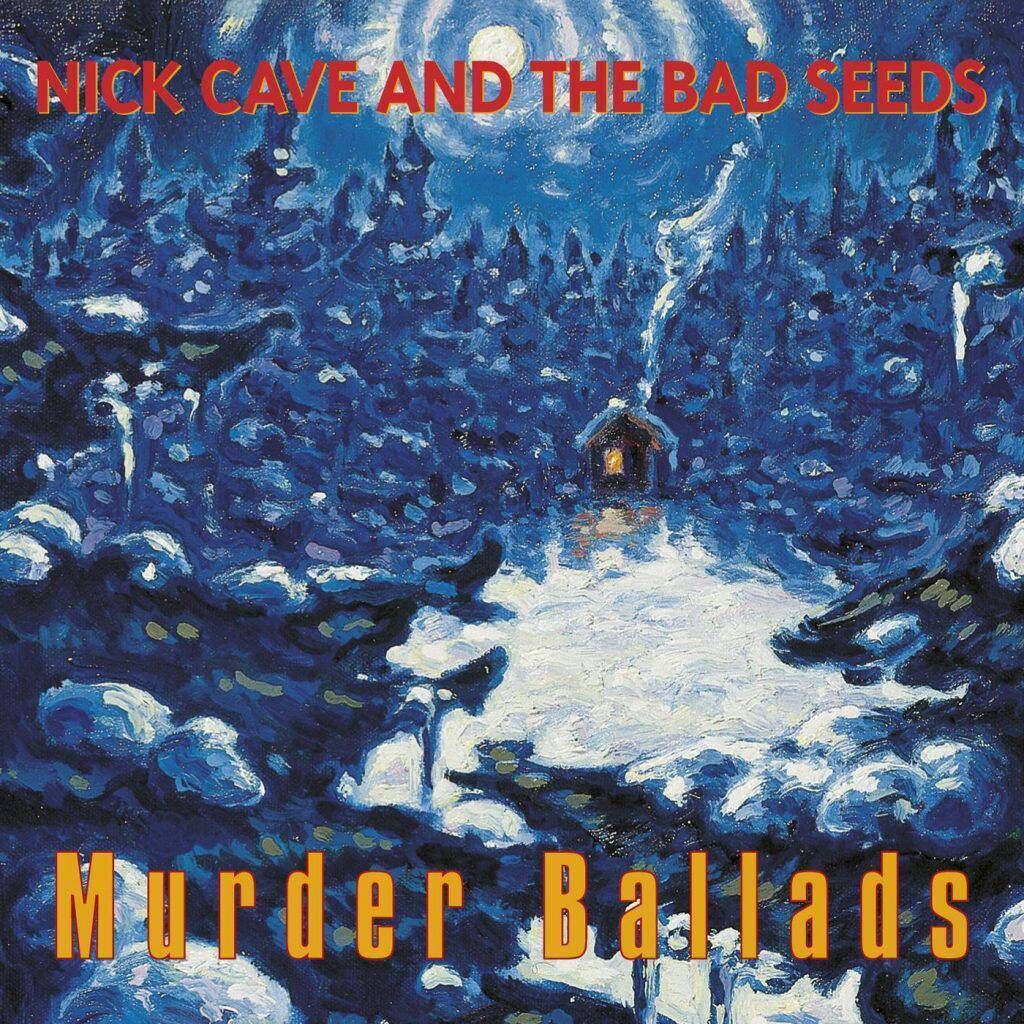
An album entirely comprising songs about murder and death. Didn’t Nick Cave always do this? I actually had a disagreement with him backstage at Féile in Cork in 1995 about this record and his decision to duet with Kylie Minogue on I thought it was a national scandal and told him so. He was actually very gracious about it when he could have told me to bugger off. In hindsight, I was wrong. She was an inspirational choice, and she absolutely nails her part on the duet. PJ Harvey also appears on the album and puts in a similar performance on However, the real highlight here is the incredible reworking of done in true Bad Seeds style.
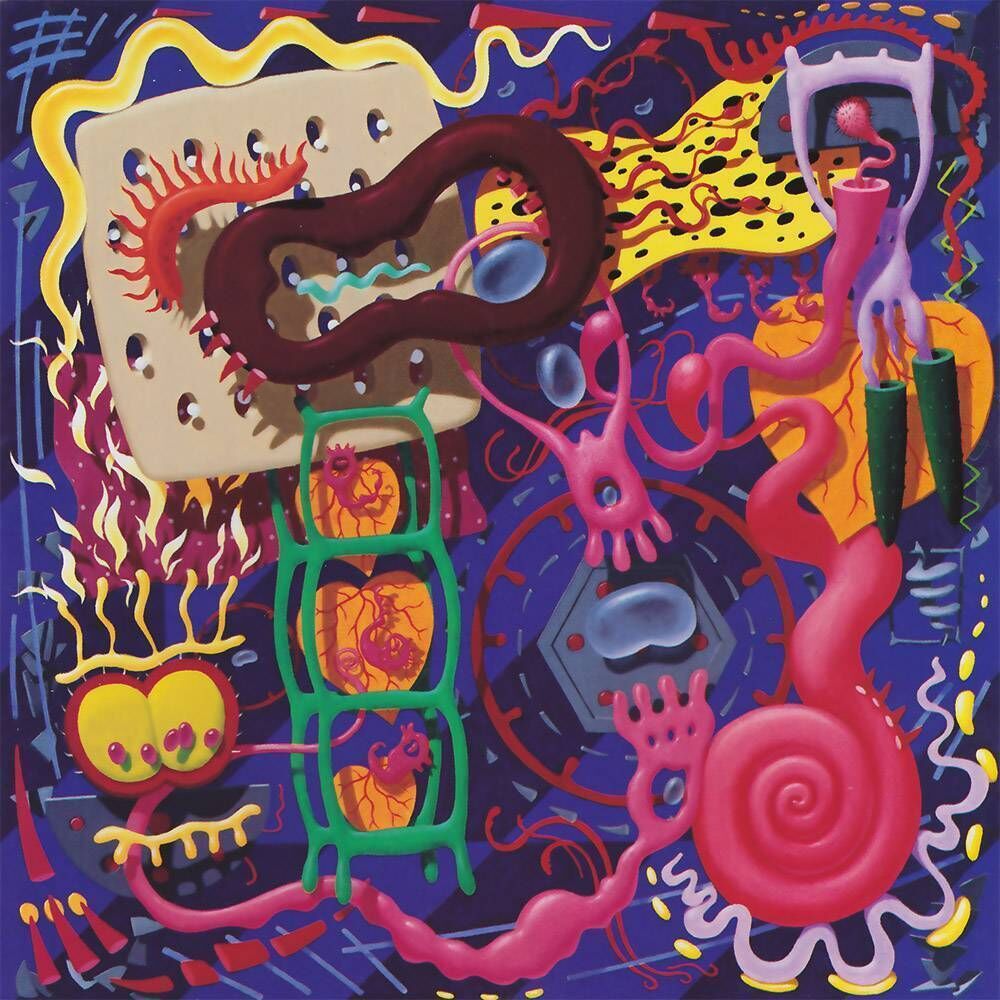
By 1996, Orbital began to realise that their creativity was being compromised by the limitations of the electronic dance music scene of which they were an integral part. They were starting to gain recognition and respect within the wider industry, and they wanted to strike while the iron was hot. is the record that broke through the barriers and established them as true innovators within the great and varied British electronic music scene. The album, which varies in mood and tempo, often feels like an homage to Synth Britannia with nods to innovators like Gary Numan, Human League and John Foxx. At times it even goes back to the heyday of the BBC Sound Gallery. A lot of the album was written with the big (and small) screen in mind and would lead them to cover Edwin Astley’s tune for the Hollywood blockbuster of the same name the following year.
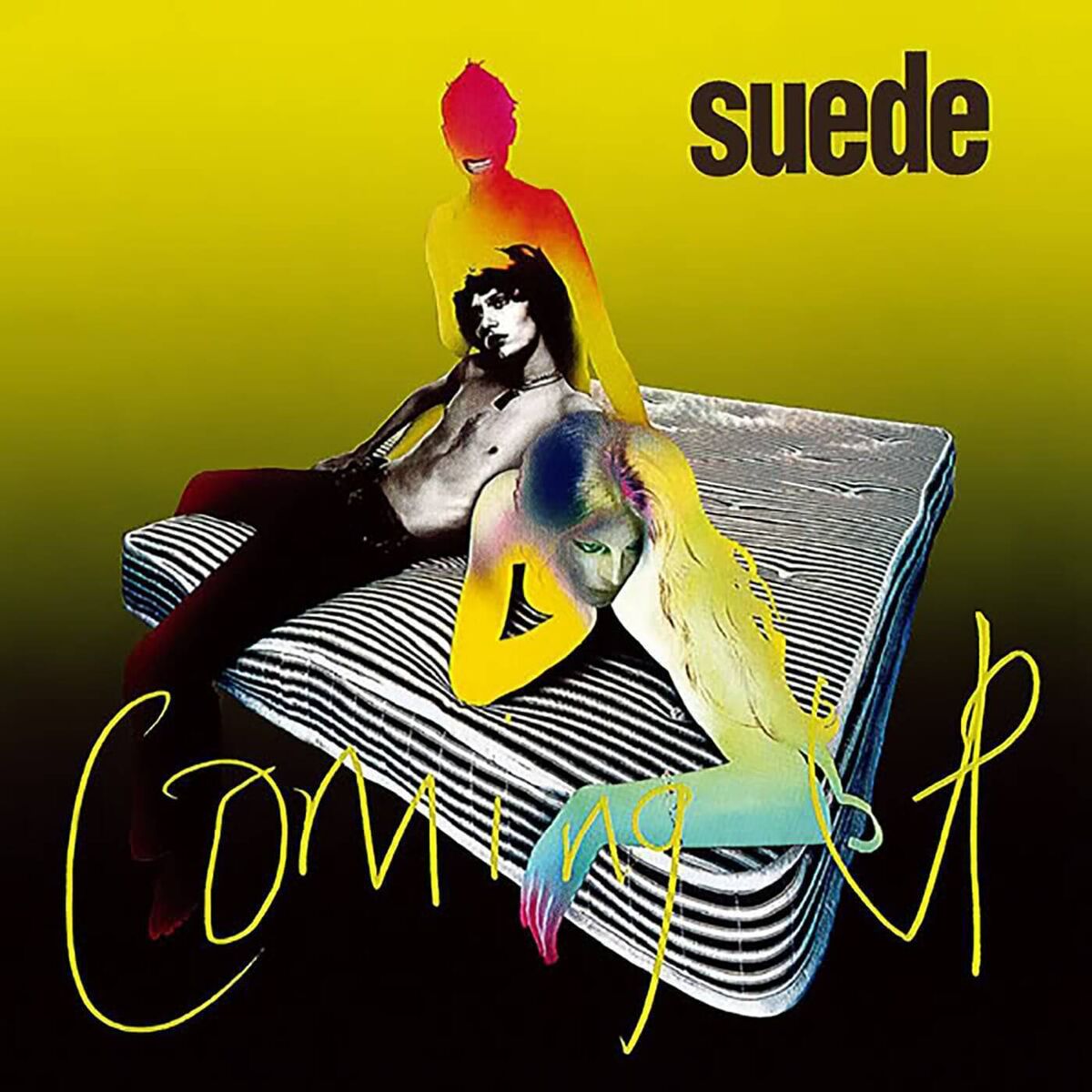
As a fanatical Bowie fan, Suede were a revelation for me in a decade where great bands could be thin on the ground. Nobody channelled that Aladdin Sane-ish mix of glam and decadence quite like them. After an excellent debut, they dropped the ball with but this was a serious return to form. New guitarist Richard Oakes, 17, replaces Bernard Butler, along with a keyboard player, which is essential for the piano-driven songs. Musically, this record epitomises everything that’s great about them, from the bursting glam rock of to the single However, it’s the beautiful and haunting where Brett Anderson delivers a vocal masterclass.
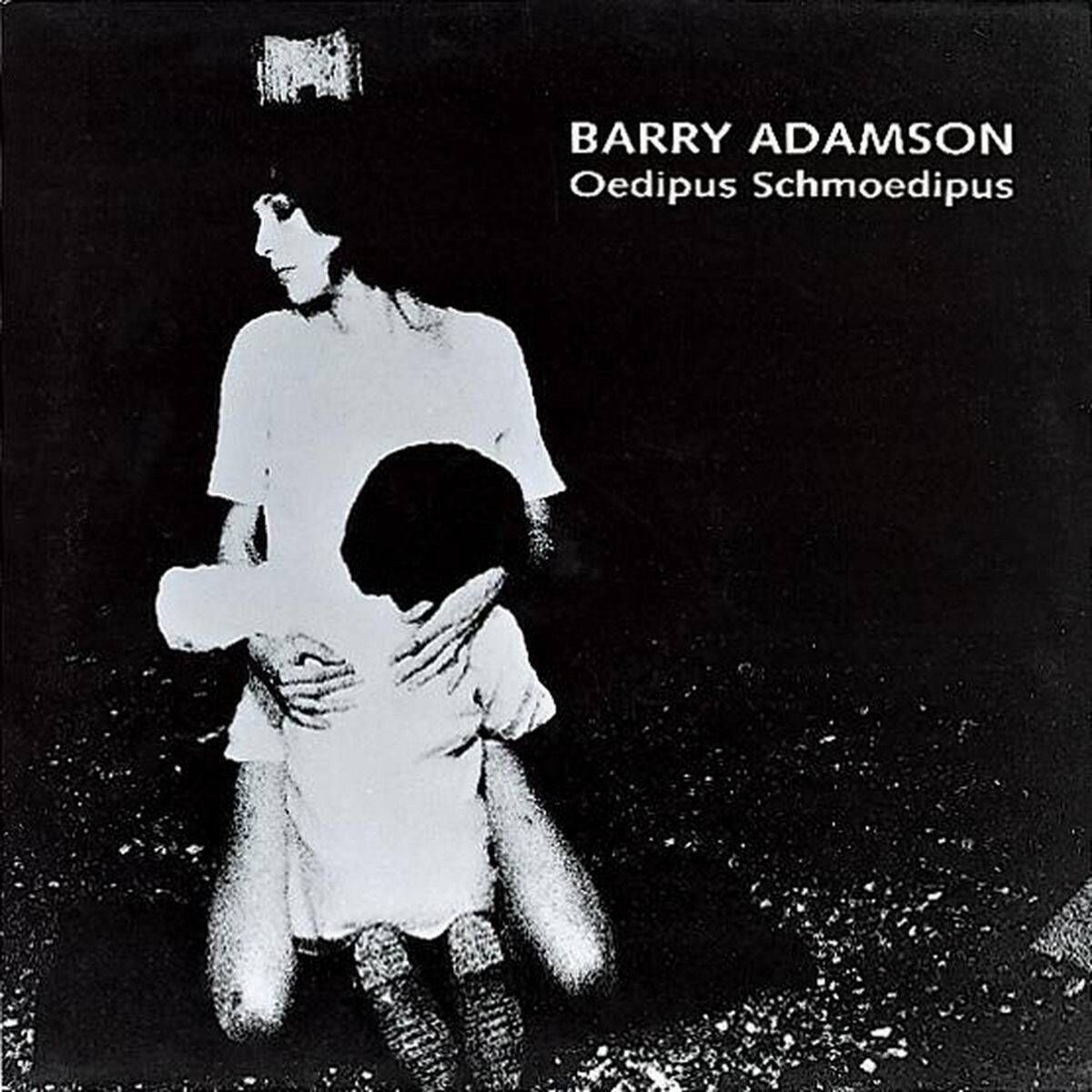
When former Bad Seed and Magazine bassist Barry Adamson decided to go it alone, he decided to reinvent himself as a composer of soundtracks for imaginary films. His third foray into this realm is an incredible cocktail of breakbeat, electronica, exotica, funk, jazz and film noir, all augmented by vocal contributions from Jarvis Cocker, Billy MacKenzie and Nick Cave.
Again, like many of the more experimental records of the time, it needs to be listened to from start to finish. Otherwise, you’re not experiencing the journey or imagining the film. There is a particular point on the record where it goes from into a track called if you listen closely, the contrast will blow you away.
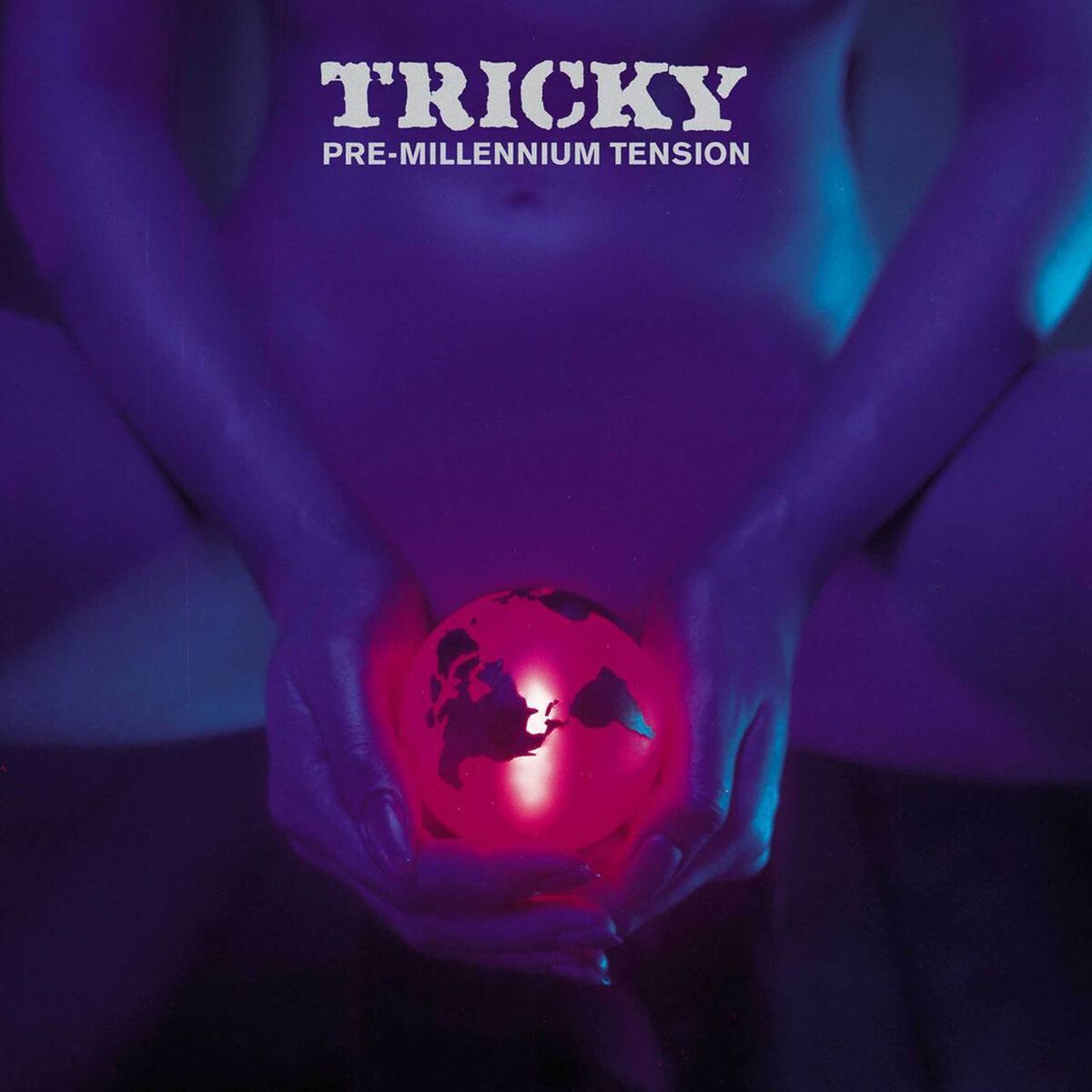
When Tricky left Massive Attack after the album, it was to forge his own sound and find the artistic freedom denied to him in an already-crowded group. While was a step in the right direction, it was still somewhat disjointed. This, however, is a much more direct, focused and darker affair. Straight from the opening it becomes apparent that, while the music here is a compelling listen, it’s far from a comforting one. The abrasive noises running through it are there by design to keep you on edge, which at times reminds me of listening to Skinny Puppy. The oasis of calm is provided by vocalist Martina Topley-Bird, who carries the record. Tricky himself sounds like a troubled man with a lot more than the upcoming millennium on his mind.
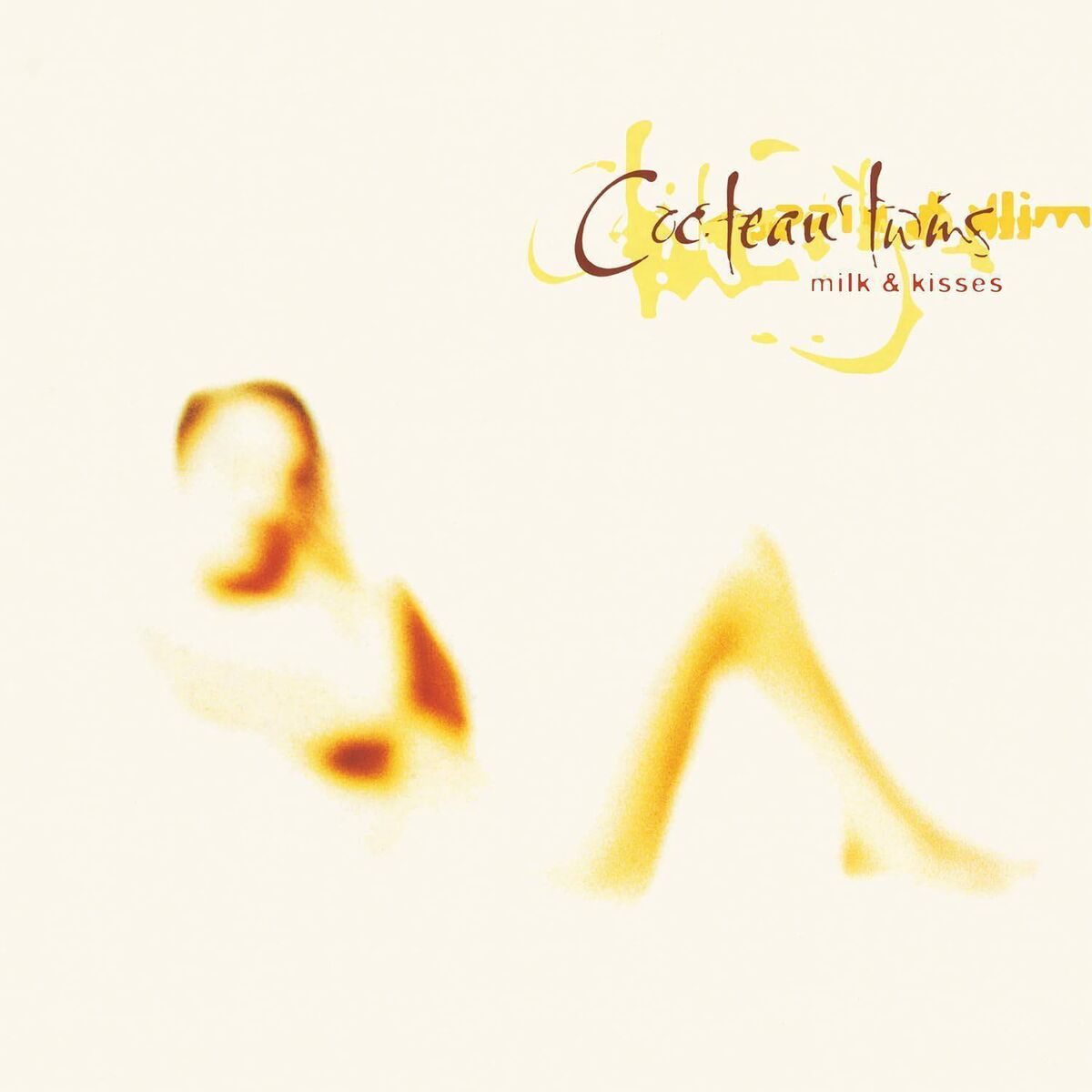
Following the disappointing the godfathers (and godmother) of shoegazing returned to the studio for what would be their final album. The atmosphere in the band wasn’t great at the time, especially for female member Liz Fraser.
is a strange album because in some ways, it doesn’t really sound like Cocteau Twins. Not as many layered guitars or multi-tracked vocals, which is their trademark. The album almost sounds like it was rushed, and the individual members apparently recorded in the studio at different times in order to avoid each other. It speaks volumes that one of the finest singers of her generation practically retired from the music business and has turned down many lucrative offers to reform. Their swansong deserved to be so much better.
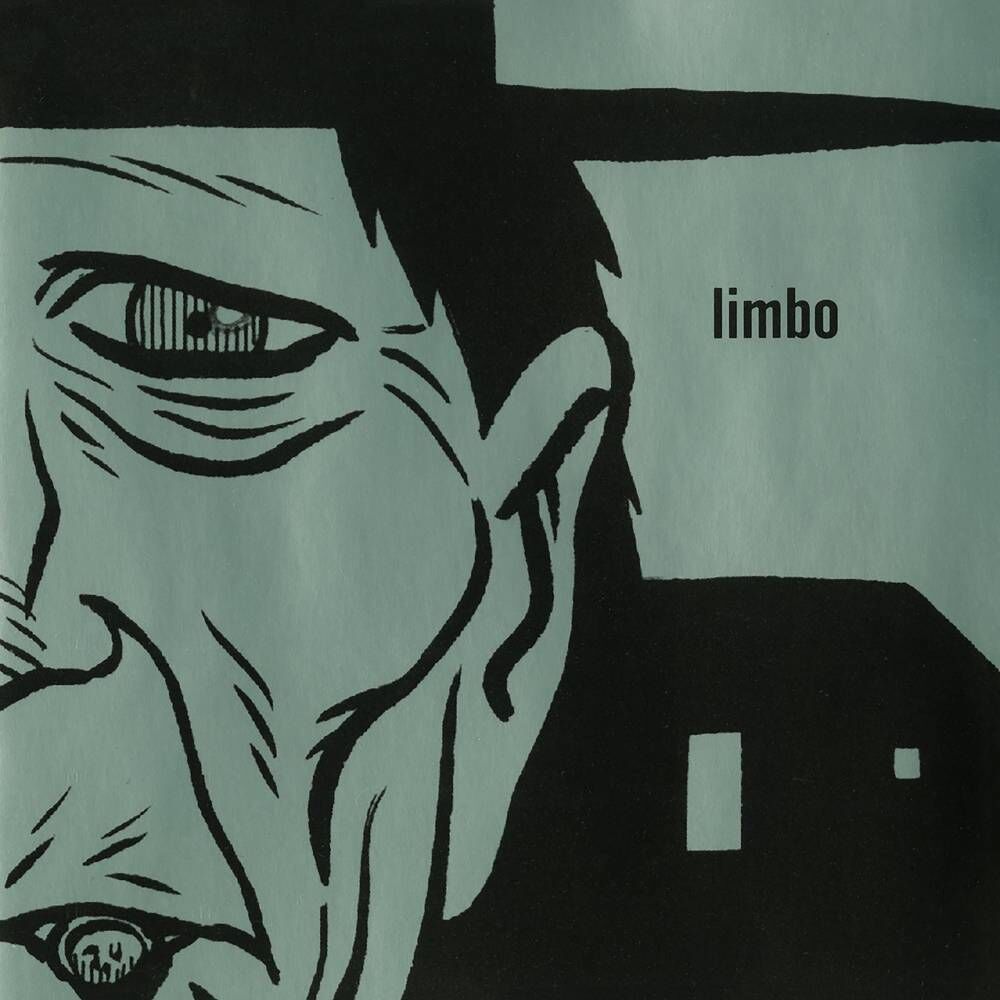
I love Kristin Hersh’s voice and songwriting style, and would gladly listen to her singing the phone book. This is a truly fitting finale for one of America's finest underground outfits. Twelve slices of classic guitar driven Muses dream pop with that powerful voice. is one of the best songs you’ve never heard.
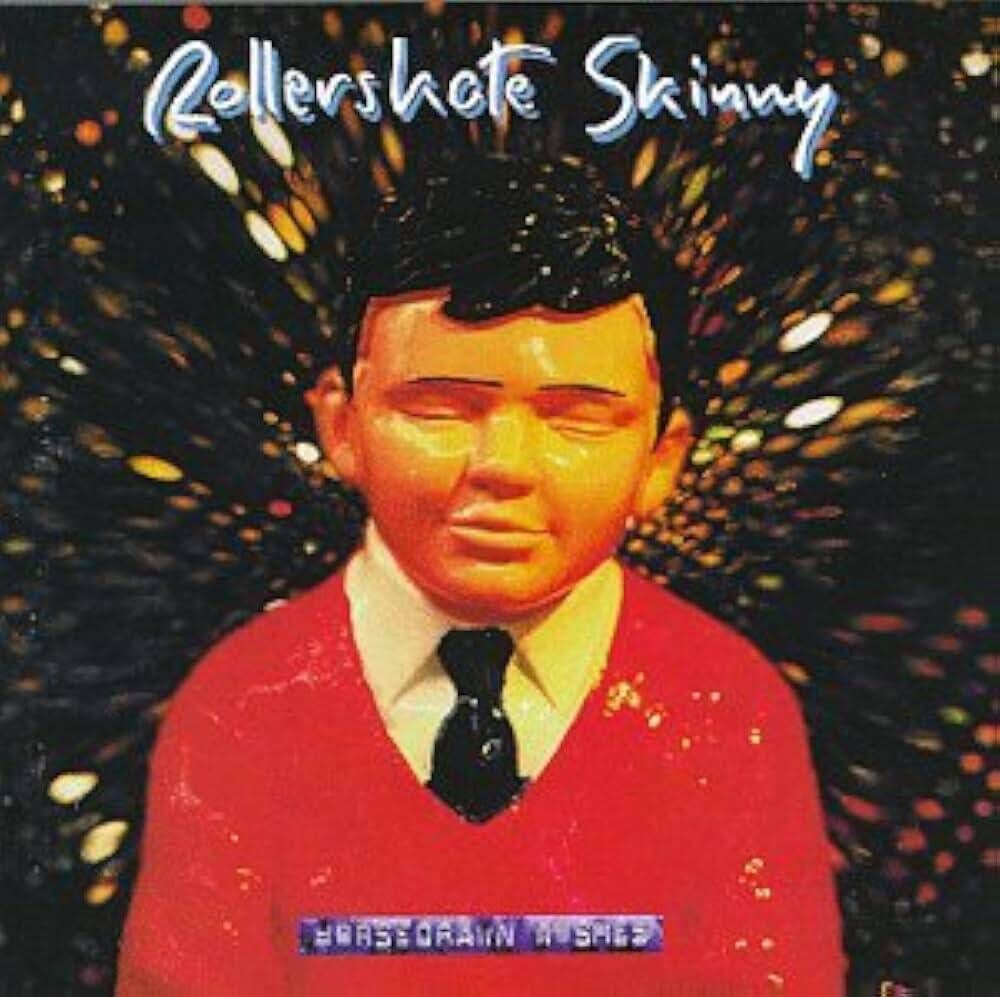
It wasn’t easy for bands in the mid-1990s. The advent and rise of dance music overshadowed everything, and some incorrectly saw this as the death knell for the traditional band format. What it actually meant was that bands had to rise to the challenge and push the envelope a bit to stand out. For their second and final album, Rollerskate Skinny combined beautiful 1960s baroque pop melodies with the sonic waves best associated with MBV and Mercury Rev. Layers of guitars buried in the mix with the dreamy floating vocals. The intro to is still a thing of immense beauty. It’s an album that soars up into the stratosphere. Unfortunately, it also soared above most people's heads. One of many tragically lost Irish masterpieces.
It’s got some great tunes but is a bit too closely aligned to the cult of Weller for my liking.
I’m a huge fan of the late Cork singer, but it’s hard to follow the thread of this record at times.
It’s easy to categorise them as one-trick ponies because they are. But they do it so well.