A glimpse inside Cork's 'hidden treasures' as buildings throw open their doors to public
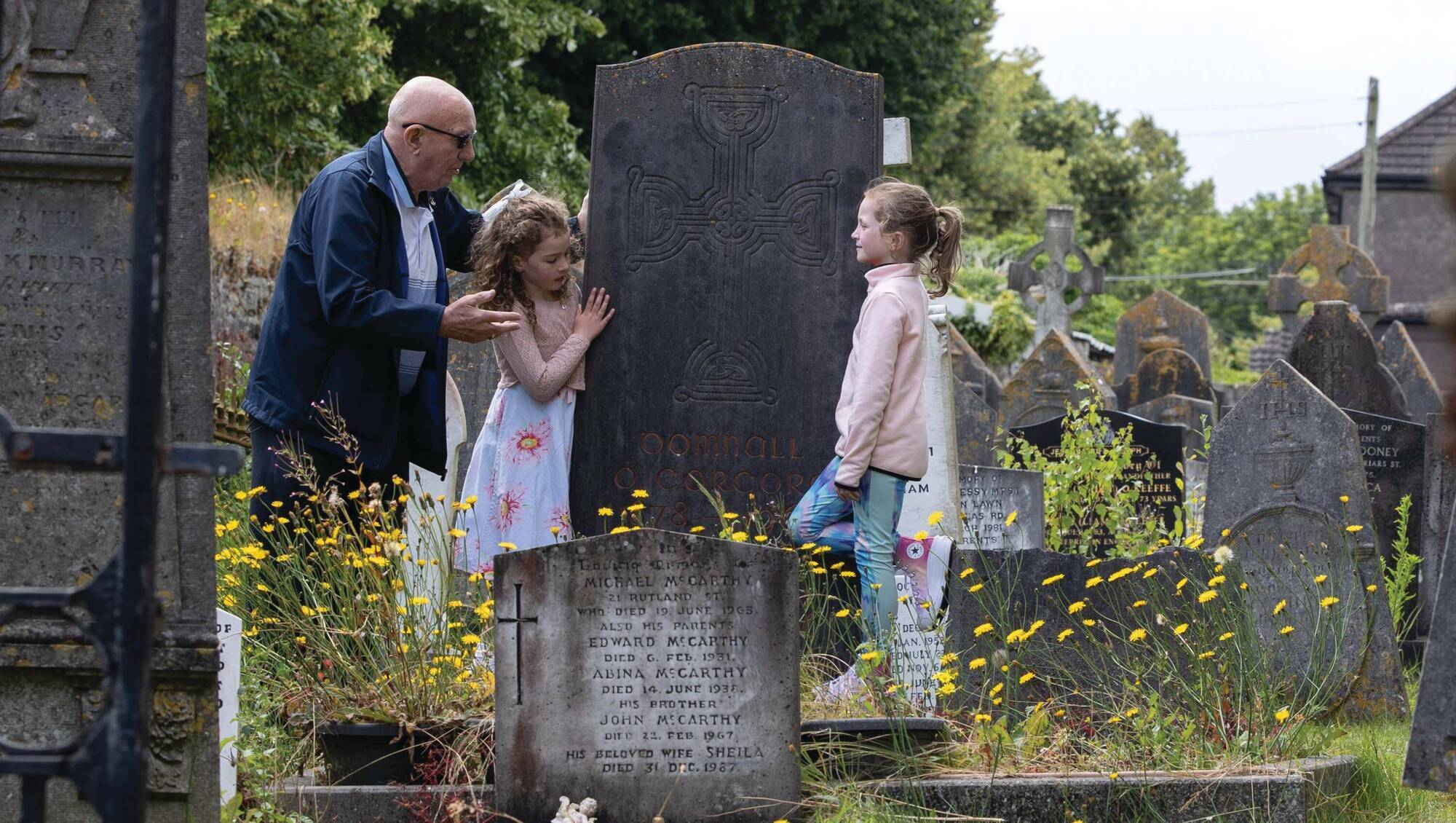
The public will get a chance to see inside 42 of the city's most historical and culturally significant buildings for Cork Heritage Open Day this Saturday
Liam Ó hÚigín offers regular guided tours of St Joseph’s Cemetery
Liam Ó hÚigín offers regular guided tours of St Joseph’s Cemetery

Churches, museums, banks, civic buildings, even a naval ship, all will open their doors on Saturday, August 15, and welcome the public inside as part of Cork Heritage Open Day.

Now in its 21st year, Cork Heritage Open Day offers a rare glimpse inside 42 of the city’s most historical and culturally significant buildings.

“We have so many historic buildings in Cork, ‘hidden treasures’ you could call them,” says Valerie Kavanagh of Cork City Council’s Heritage Office, who is one of the organisers of the day. “Once you step inside on a tour, not only do you have the chance to hear the stories that have gone on behind the scenes over the years, but you’ll also get to explore the beautiful architecture, inside and outside.”

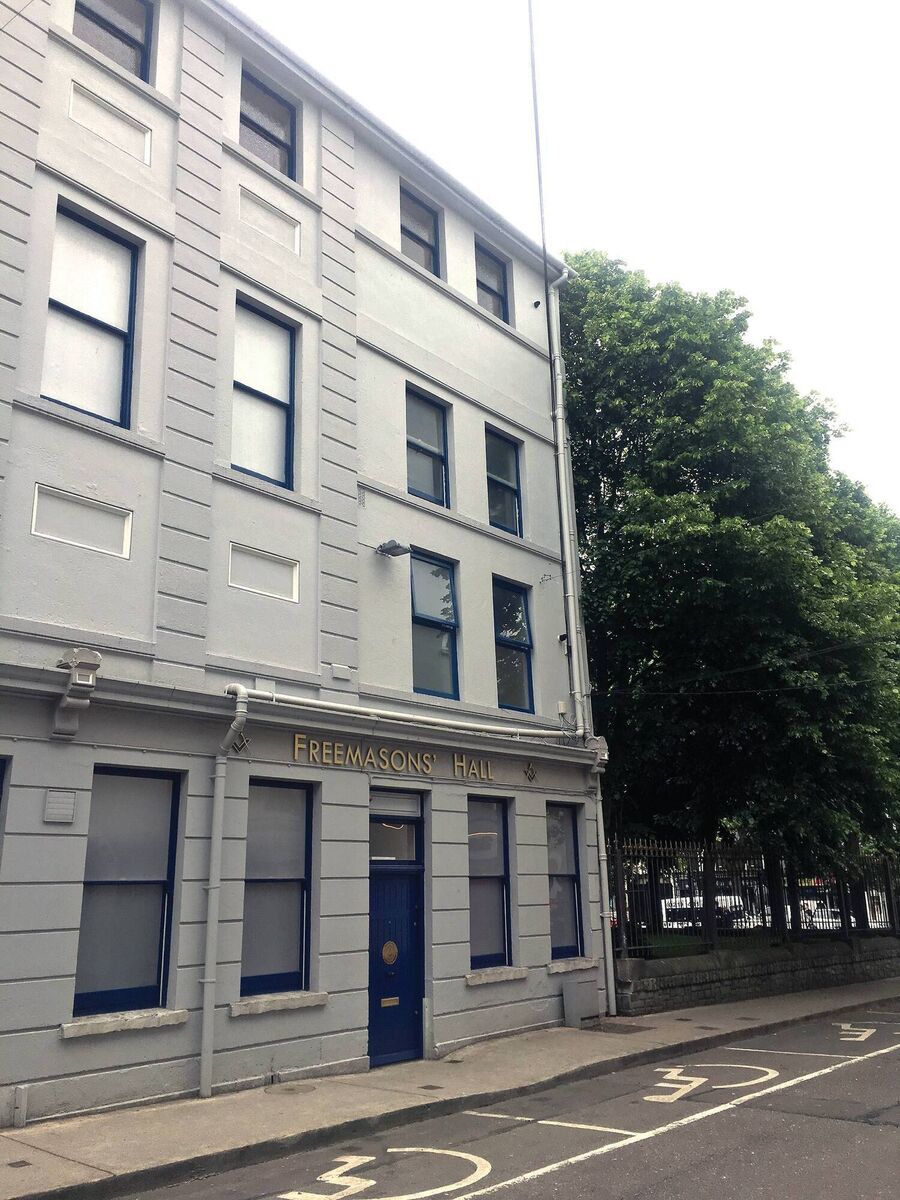
The Masonic Hall, one of Cork's most architecturally interesting and mysterious buildings

From Georgian and 18th century architecture to classical and neo-classical structures, Cork city has a distinct mix of architectural styles. Patrick Street, the city’s main thoroughfare, was largely destroyed during the Burning of Cork in 1920, and so most of its commercial buildings were re-built in an early-20th century civic and art deco style.

One of Cork’s most architecturally interesting and mysterious buildings is The Masonic Hall on Tuckey Street. Home to freemasonry in Cork, it was built in 1844, and recently underwent renovation work. There will be guided tours of its four storeys throughout Cork Heritage Open Day, including a talk on the history of freemasonry in Munster at 1pm.

The highlight of the tour for many will be the building’s main lodge room, says Vincent O’Donovan of the Freemasons. “In a modern city, the building is almost trapped in time, and the lodge room itself is so unique. All past members’ banners hang on the walls; when my kids used to visit, they called it the Harry Potter room.

“There are no windows in the room, so with the darkness there’s a real atmosphere. And then there are the pews set out for meetings. It’s very unusual.”

Opening its doors as part of Cork Heritage Open Day has become “one of the most popular things we’ve done, because it has definitely helped us to re-engage with the public and the city,” added Mr O’Donovan.

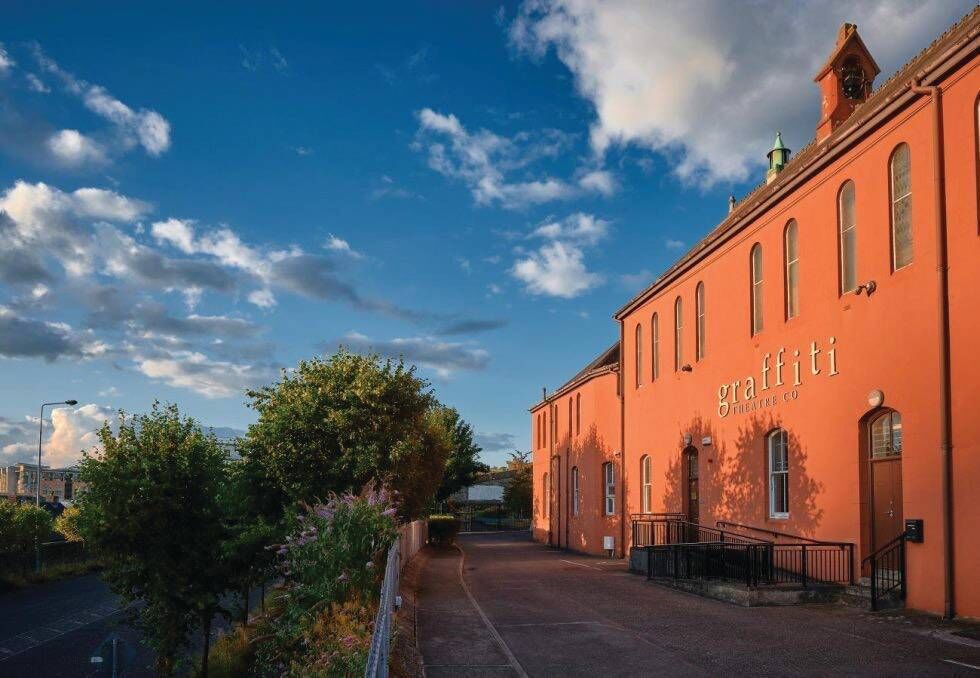
Many of the buildings taking part in the open day have changed ownership and function over the years, like Graffiti Theatre in Blackpool, which was formerly an Assumption convent. This year marks its 20th year in its current location and is the first time it has taken part in Cork Heritage Open Day. Lynn Canham, deputy director of the theatre, is excited to show the theatre off.

It’s really part of the Blackpool community, We serve children and young people across the city, and I think it’s interesting that the building has gone from being a convent which served the community in one way, to a building where we serve the community in a completely different way.

Just over 20 years ago, Graffiti Theatre set up base in the former convent, but not before the building had to be renovated to accommodate what would become an active theatre.

The AIB Banking Hall, the black and white chequered floor, marbled pillars and glazed dome are evidence of the elegant features of architecture at the start of the last century

At 1pm on Saturday, Paul Hudson of Hudson & Associates, the architects who worked on the renovation, will give a talk about the history of the building and showcase the sensitive approach they took to enabling its re-use. Though the event is free, attendees will need to book to secure their spot. This will be followed by a tour of the theatre building.

“Our main theatre space is a former chapel,” explains Canham. “While it still looks very much like a church, certain features have been protected, like the marble floor, which lies under the stage, and a mural created by a local artist, which is housed behind a protective covering.

“We didn’t want to lose any of the heritage of the building, although they’re not visible, they are still there.”

Other architectural features like the original stained-glass windows remain in place, but naturally, the atmosphere of the building feels “very different”, says Canham.

The public has a keen interest in older buildings, she says. “From time to time, we’ll get a knock on our door from people wanting to come in for a look. It’s lovely to be able to welcome them in, not only to share our story and the story of the building, but to hear other people’s stories.”

Another building that has changed function over the years is No 1, Lapps Quay, the former Cork Savings Bank, now the UCC Centre for Executive Education. This neo-classical building was built in 1842 and functioned as a bank for centuries before it closed its doors. It was bought by UCC in 2016.

Gareth O’Callaghan, from JCA Architects, the team who worked on the building’s renovation, will be on hand on Cork Heritage Open Day to give a guided tour, showcasing how architects have re-imagined the building with a new function in mind.

The original banking hall still remains, says O’Callaghan, who explains that to maintain the integrity of that space, the architects designed a three-floor extension in what was a courtyard space in the back.
“The extension takes circulation out of the banking hall, and houses the toilets, a server room, a café,” he said. “And the extension itself can’t be seen from the street side, which means the original building appears untouched.”

For O’Callaghan, that holds with his idea about architecture being about people and community and accountability.

“There has to be change and space for change, but like with the Cork Savings Bank, though the function of the building has changed, it’s still an appropriate use in relation to the original building.

“The beauty of the Cork Heritage Open Day is that people get to see behind the scenes of these buildings. My purpose with the tour is to show people how the building operates in its current iteration, and how it was taken from a building that wasn’t used anymore and re-purposed into something new.”

Graffiti Theatre in Blackpool, which was formerly an Assumption convent.

With 42 buildings taking part, and more than 60 separate events, Cork Heritage Open Day is a long time in the organising. In fact, planning started back in April, says Gallagher.


“We put a call-out to the building owners, to the historians, to the tour guides, to the volunteers, asking them to take part in Heritage Open Day. And the response we get every year is absolutely outstanding.

“The volunteers give up their time and energy, and we couldn’t do it without them.”

Volunteers like 85-year-old Liam Ó hÚigín who was born in Cork’s Middle Parish and now offers regular guided tours of St Joseph’s Cemetery.

“Ask me anything about the cemetery and I’ll answer,” he says as we chat on the phone. He tells me the cemetery was built in 1830 “before Glasnevin”, making it one of the oldest in Cork. On his monthly tours, he says he regularly helps family tree enthusiasts trying to trace their ancestors.

For the open day, Ó hÚigín will be guiding people around Cork’s city walls. His tour will begin at 3pm on August 15 at the starting point of St Peter’s Church on North Main Street.

“I know Cork city like the back of my hand,” he says. “Sure, I was born on Henry Street in 1941, and the city was my playground for most of my childhood.”

Like any passionate historian, Ó hÚigín has stories beyond what you’ll find in the history books. “Most of my information comes from my own experience in the city,” he says as he describes playing in the Mardyke area for hours every day. “We played football, hurling, soccer, even cricket.”

“Our volunteers are very passionate,” says Gallagher, “and they come forward every year because they love doing it. They know these little details that they can share. It’s not just a job to them, so you can really see the passion that they have for the day and for the tours that they give.”

x

More in this section

Scene & Heard

Newsletter

From music and film to books and visual art, explore the best of culture in Munster and beyond. Selected by our Arts Editor and delivered weekly.

Cookie Policy Privacy Policy Brand Safety FAQ Help Contact Us Terms and Conditions

© Examiner Echo Group Limited