Author interview: Clair Wills reveals her family and social history 
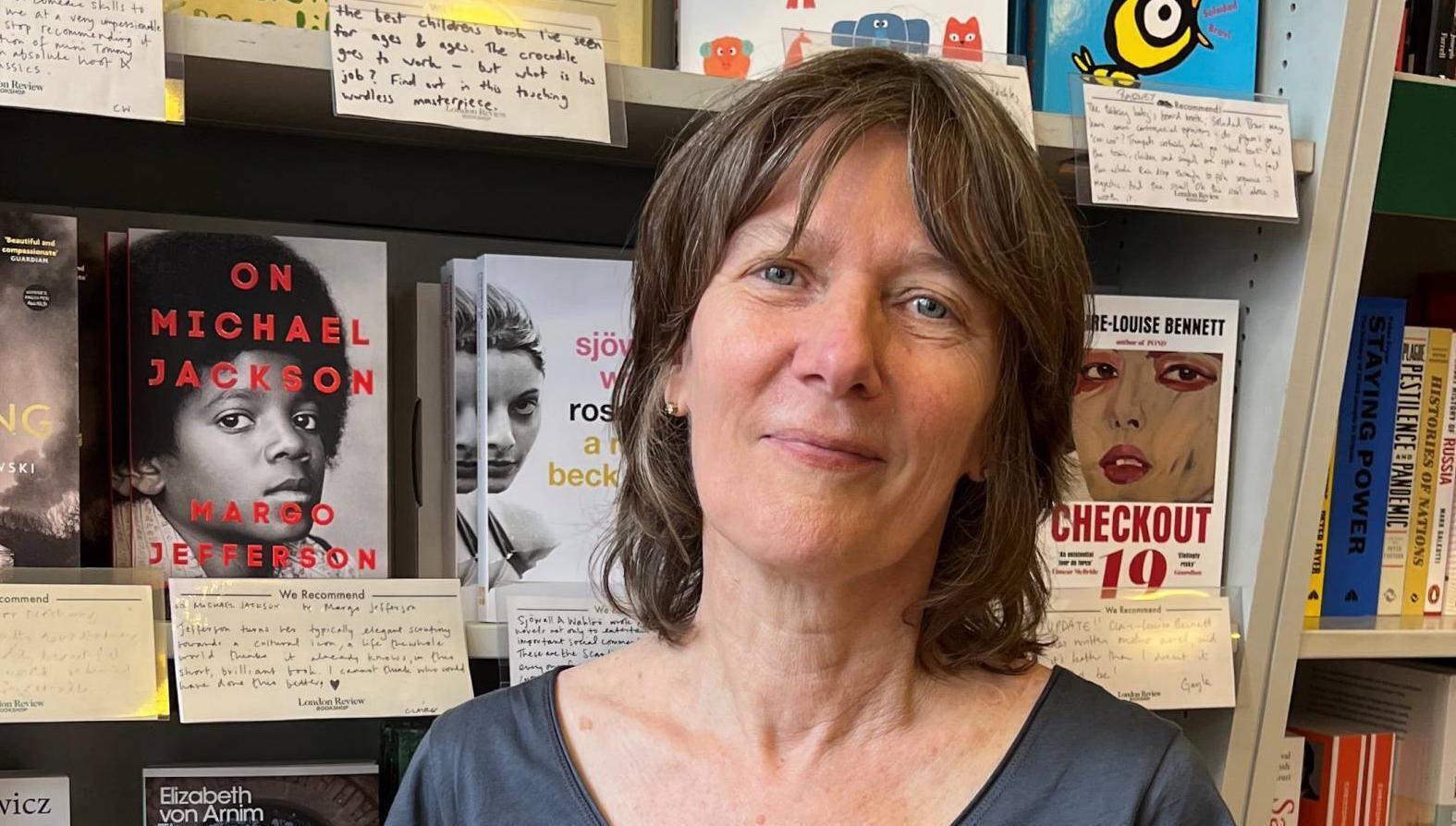
Brought up in London and spending childhood summers in her grandmother's house in West Cork prompted the author to delve into her family's background
Author interview: Clair Wills reveals her family and social history 

With four historical books under her belt, two of them prize-winners, Clair Wills is now the regius professor of English literature at Cambridge University. Picture: Zahid Chaudhary

  • Missing Persons, Or My Grandmother’s Secrets 
  • Clair Wills 
  • Allen Lane, €22.99/ Kindle, €11.98

Some years ago, when the critic and historian Clair Wills was researching That Neutral Ireland, her book about Ireland’s neutrality during the Second World War, she came across Elizabeth Bowen’s Bowen’s Court — published in 1942 — and she felt a sense of jealous rage.

“It was the history of her big house and her travels back and forth between Ireland and England,” says Clair, on Zoom from her home in London. 

“She was thinking about being Anglo-Irish, and she could write about the culture of her house because she had libraries of documents.

“I thought it would be wonderful to write about my grandmother’s house in West Cork, and the culture of that home and the whole farming culture, but I couldn’t because there was no documentation.”

Brought up in London, Clair had spent her childhood summers with her grandmother, along with her aunt and a clutch of cousins.

“I loved being there,” she says, talking of the sense of freedom. “It was a nurturing place. My grandmother loved the  Southern Star and she loved  Ireland’s Own.”

I remember when we arrived, my mother, my grandmother, and my aunt would chat amongst themselves, and I would play outside with my cousins for incredibly long days.

When she was in her late 20s, she learned of a cousin she had never met. 

Born in Bessborough mother and baby home in the 1950s, just two years after the birth of Clair’s elder sister, Mary was rejected for adoption and grew up in an institution not far from the family farm. 

Her father was Clair’s uncle, Jackie, eldest son of her grandmother, Molly. He had abandoned his lover, Lily, relinquished his inheritance, and emigrated to England. 

Lily later went to America, but Mary’s life ended in tragedy; finding herself pregnant, she was rejected by her lover’s family, just as her mother had been, and she killed herself.

Shocked, Clair began delving into her family’s history. She discovered other secret babies, and that her grandmother’s own marriage was three months before Jackie’s birth. 

Learning from her mother that Molly had suffered a kind of breakdown when Jackie left for England, Clair began thinking of the wider picture — and of all the secrets women had had to keep.

“I think my grandmother suffered a huge amount,” she says, “and she did so with courage, but she also made mistakes. But everyone else was making them too. 

“Some 57,000 children were born in mother and baby homes, at the lowest estimate. That’s 57,000 women, 57,000 sets of grandparents, and 57,000 lovers.”

It is hundreds and thousands of people for whom using mother and baby homes made sense.

When, in the late 1980s, Clair first learned of Mary’s existence, she had recently given birth to her own child — becoming a single mother. 

Some of her cousins also became pregnant out of wedlock — and the babies were welcomed into the wider family without question.

“I think my mother and my aunt did not want to repeat what had happened before.”

Clair has been investigating her family history for 30 years now but didn’t mean to write about it.

“It was always a private thing,” she says. “A family thing. I had spoken to a kind and wise nun at a convent in the mid-’90s. 

“Then when Bessborough, and the 10 years of debate round mother and baby homes happened, I realised I was looking at a public story and I felt a sense of responsibility. 

“I wanted to do justice to Lily and Mary, but also to the parents and of people like Lily who felt they didn’t have any option.”
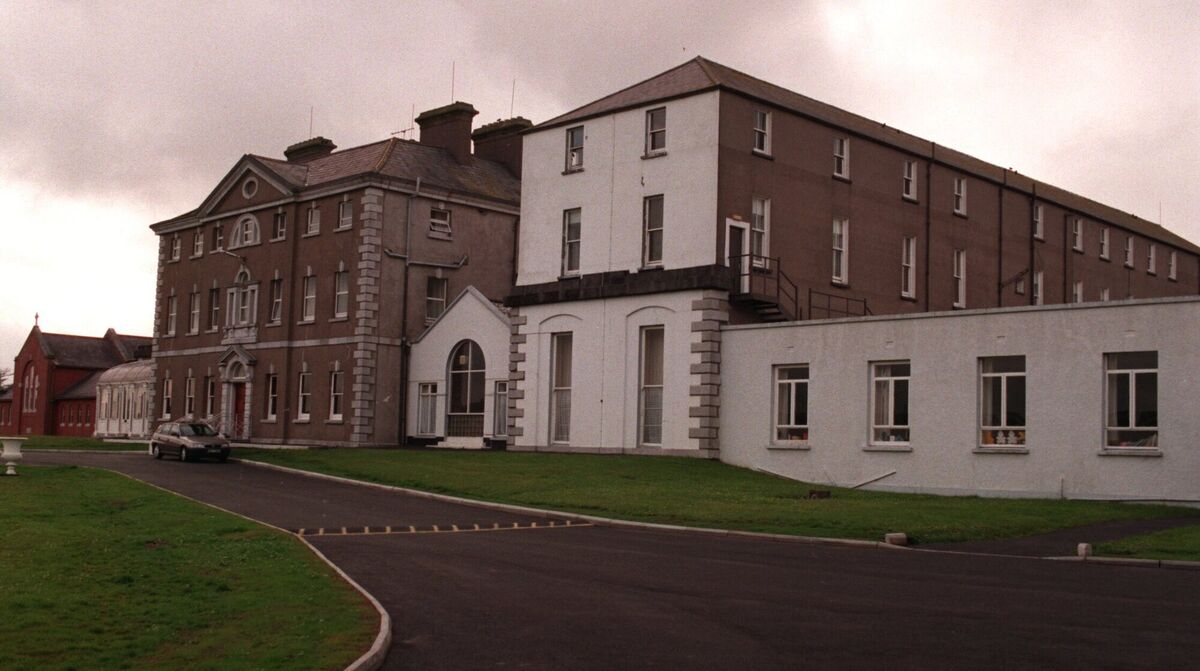
Clair Wills had a cousin she never knew of who was born in Bessborough mother and baby home in the 1950s.

When the commission of investigation into mother and bay homes was released in 2020, Clair saw red. 

“I was really exercised by the commission’s statement that it was the families and the fathers of the children who bore the most responsibility. I’m distressed about that. 

“The commission wasn’t answering the questions I wanted answered. It was not responding in a way that helped me understand how the culture functioned.

“I wanted to tell the story of how women managed. And of how they had to keep secrets to survive. And without archives, the stories I have heard are the only evidence I have for how my family accustomed itself to the culture it was living in.”

In a sense, I am the archive. I’m carrying the history.

“I think my grandmother was someone of courage and dignity, and her neighbours, I’m sure, were decent people.

“How did it make sense to them to use the institutions to say goodbye to their sons and daughters? It must have been wrenching. Devastating. Yet they taught themselves to do it.”

Clair is wary of castigating the entire Catholic Church. “The nuns did tremendous good,” she says. 

“One of the reasons my mother became a nurse in England is because she had been taught by nuns. They were teaching in schools all around Ireland and getting girls into professions. 

“It was a vocation. That said, the regimes in the homes were definitely punitive, and it wasn’t until the UK abortion act in 1967 that they began to relax a bit.”

Clair loved mining her mother’s memory. “My mother was, and, at 93, still is a great storyteller. She’ll turn anything into a beautifully shaped story, so talking to her was an immense pleasure. 

“She knew I was writing and would ring me up and tell me little bits. Often she was sad, but wanted to talk about it.”
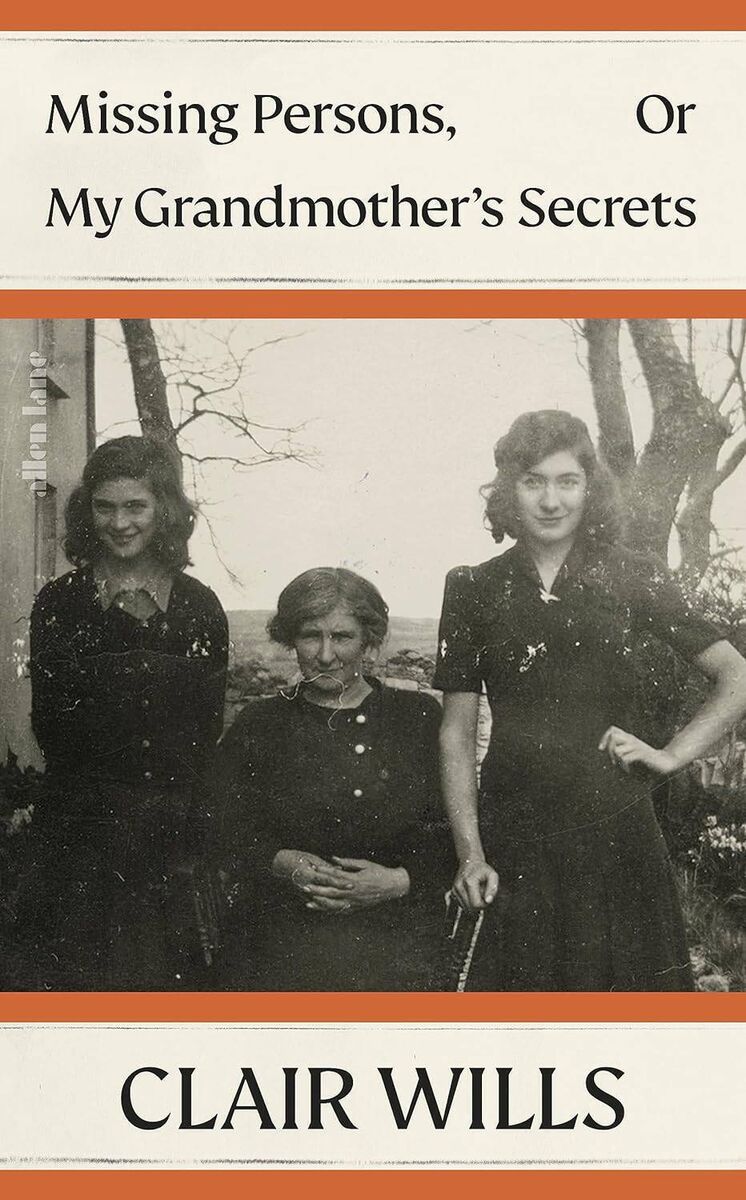
Clair brings in her own story too — and tells of the death of her baby, at a few hours old, with the greatest poignancy. She has melded her story, those of her family, and the wider social history together quite seamlessly. 

Was that hard? “It was. It took an extremely long time. I wanted to do justice to all of that.”

The book is punctuated with wonderfully appropriate literary references — from, amongst others, Beckett and Joyce.

 “Beckett is really important to me,” she says. “Especially his view of the constrictions of people’s lives in the 1950s.”

With four historical books under her belt, two of them prize-winners, Clair is now the regius professor of English literature at Cambridge University. Was she always a shining star?

“I was a rebellious 14- and 15-year-old and did badly in my O levels,” she says, laughing. “But I had a brilliant, life-changing English teacher at A level.

She loved it and has since remained in academia. (She did once apply to the BBC, but says they didn’t want her.) From Oxford, she went to the University of Essex, then Queen Mary in London, spending 25 years there before moving to Princeton.

“But I missed England, so in 2018, I started at Cambridge.” She loves her students but doesn’t get much time to write in term time. “I write in bursts,” says Clair.

If I have a long weekend, I don’t get out of my pyjamas for three days. I need to be immersed enough so I know I’m telling the truth.

Clair recently heard John Banville say, in an interview, that he had no hobbies. This prompts
her to tell me that she has several. 

“I garden, and when I got divorced at 50, I needed something to get me out of the house in the evenings and I started to go to jazz dancing classes.

“I’m completely obsessed. I go three or four times a week. I can’t tell you how great it is.”

BOOKS & MORE

Check out our Books Hub where you will find the latest news, reviews, features, opinions and analysis on all things books from the Irish Examiner's team of specialist writers, columnists and contributors.

More in this section

Scene & Heard

Newsletter

Music, film art, culture, books and more from Munster and beyond.......curated weekly by the Irish Examiner Arts Editor.

Cookie Policy Privacy Policy Brand Safety FAQ Help Contact Us Terms and Conditions

© Examiner Echo Group Limited