Jason Isbell: 'Country music was committed to the working class'
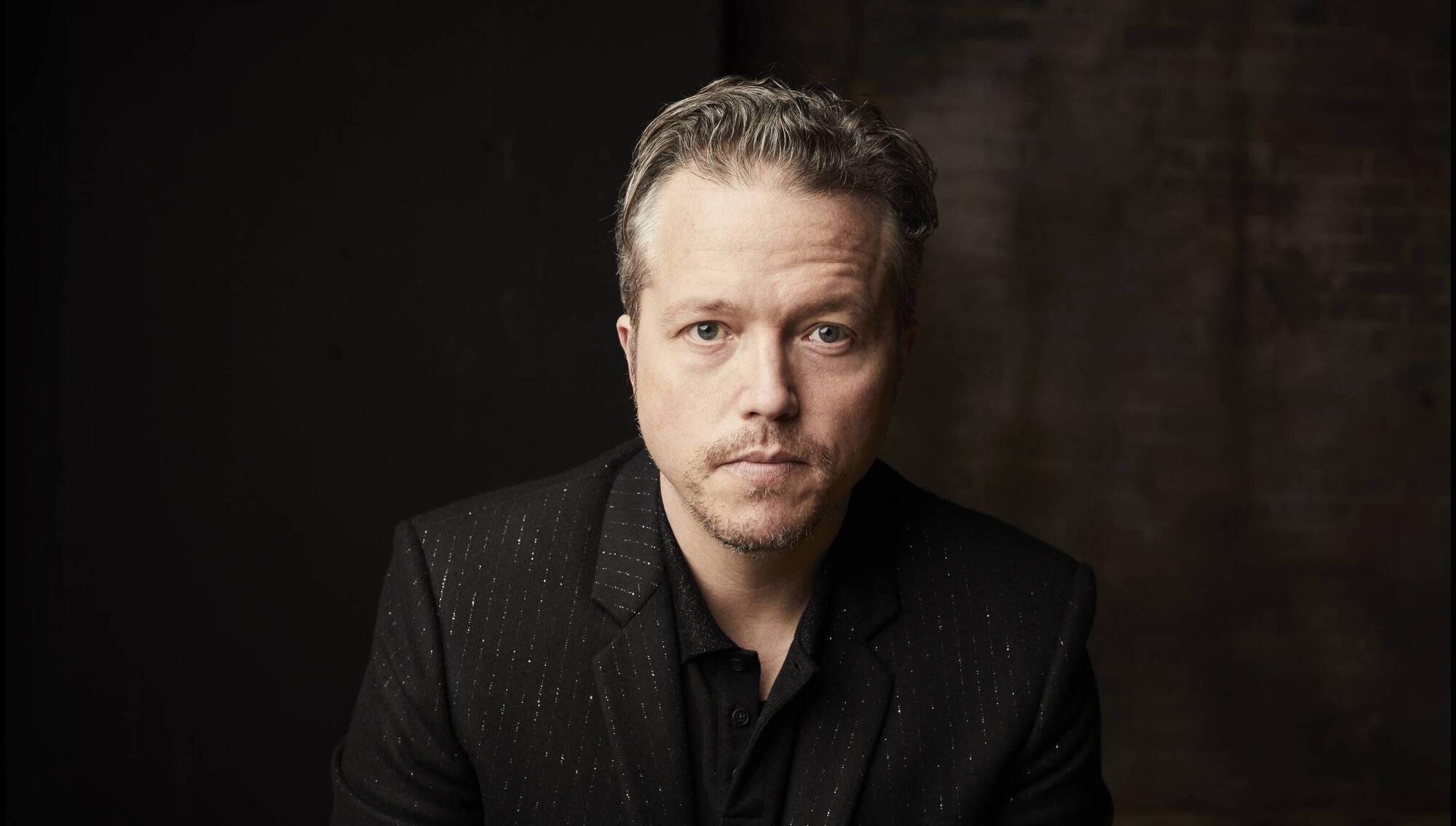
Jason Isbell plays in Dublin and Belfast in the first week of June. Picture: Danny Clinch
Jason Isbell possesses that rare gift of transporting the listener to another place. It’s an experience Irish audiences will be treated to when he plays in Dublin and Belfast in early June.
He explains via Zoom: “Sometimes I’ll sing or some of the songs that have places in them, a group of people cheer, and I’ll think, ‘I wonder if that many people are really from that place?’”
The Alabama native moves comfortably between gears, from stripped-back solo records such as 2013’s and last year's to the full-band force of the 400 Unit.
The group’s most recent album, , turns its attention to working-class America with stark, unvarnished detail. On Isbell sketches the collapse of a working man’s life. The character begins the song with stability and a loving partner before an accident triggers a downward spiral.
“American music used to contain a lot more of that, at least popular American music,” he says, tucked under a baseball cap. “Country music, for a long time, was committed to the working class. A lot of the great songwriters, Merle Haggard, George Jones — the big country stars were singing songs about working-class people. That doesn’t really happen like it used to.
“Now I think it’s more escapist; it’s about the same people, but more in a way where you avoid those topics… but to me, it’s still the most interesting aspect of American society. We tried to sell this idea that you could start off in one social class and move your way into another, and that’s not necessarily the truth. Most folks who are living pay-cheque to pay-cheque or worse will die that way in America.”
Another direct influence on Isbell’s recent music came from filming the 2023 movie he has a role in. During the making of the film, the 47-year-old spent long stretches in small-town rural Oklahoma, a landscape that repeatedly brought him back to memories of growing up in Alabama.
Working with Martin Scorsese also reshaped how he thought about creative control. When Isbell came up with an idea, he admits it took some courage to "tap him on the shoulder", but Scorsese filmed Isbell's character cocking a gun, and it went in the film.
"I was amazed by that. I don't have any experience in filmmaking. It was difficult for me to even mention it to him."
On set, he observed the New Yorker's process that relied on trust, where everyone involved felt they had creative ownership. “I had a really good example of how he would direct, how he would orchestrate the performance of everything without micromanaging. Everybody on set felt like they had some skin in the game. It took four or five hours, but they shot that one little clip of my thumb cocking the pistol, and it’s in the movie. When I got back and went into the studio with the band, I had a good opportunity to exercise what I had learned from watching Marty. You can keep ownership over a project without necessarily having to control every aspect of it.”
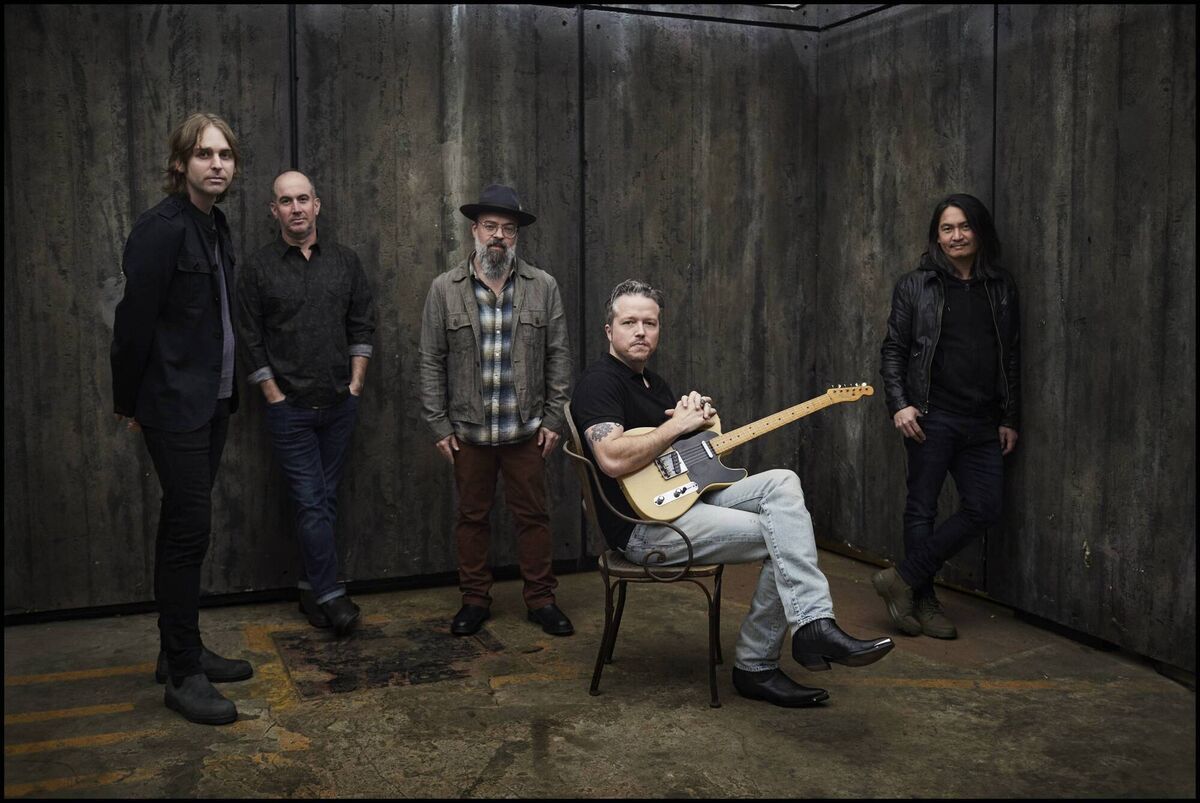
That approach now runs through the 400 Unit. In the studio, arrangements are often left open long enough for band members to reshape them, rather than being fixed. “I would say, ‘Alright, Sadler [Vaden], go figure out a guitar part. Take two or three hours and come up with something that makes sense to you for this song.’ More often than not, I didn’t have to use veto power.”
Undoubtedly, it's a healthy direction that helps steer the band closer to the era of Neil Young and Crazy Horse. “Nobody’s really a hired gun. It’s a group of people that I’ve known for a long time.”
Isbell's solo tour last year in promotion of his latest release, , stripped everything down to just voice and guitar. "I like to approach it from a different standpoint,” he says. “I always felt that acts that put a little bit of work into translating songs from full band to acoustic versions were the ones that worked best for me.”
He joined Drive-By Truckers at 21 and credits the band with teaching him how to write truthfully about the south during his six-year stint. “The southern dynamic is a really difficult thing to write about, honestly and openly. You’ve got to be able to laugh about it, but at the same time, you’ve got to be angry. They do anger without bitterness really well.”
Life in the band and on the road was as instructive as the writing itself, shaped by constant travel, informal organisation and the reality of building something without the infrastructure of the industry.
“When I joined that band, I saw Patterson Hood [lead vocalist] booking the shows with a cellphone in the front seat of the van. He had a notebook on the dashboard with all of our gigs for the rest of the year. They self-released and sold probably 20,000 copies out of the back of the van before anybody picked it up.”
While Drive-By Truckers gave him a framework for writing about the places and people he'd grown up with, figures like John Prine helped him to hold a “clean mirror” up to the world around him and reflect it honestly. Isbell's track refers to time spent in Ireland with Prine.
“We were over there with John, who was a hero to the Irish people for the most part,” he says in reference to the late singer who was married to an Irish woman. “I know the president thought a whole lot of John, and he had a house over there. We did a run over there with John, and it was a very special time to spend with him in Ireland, and get to know what he loved about that country."
The experience also pointed towards the musical inheritance shared between Irish and American folk music that runs deep into his own writing. “I don’t think we would’ve had Appalachian folk music without Celtic music, and a lot of what I do sort of developed from that. It’s a more electrified version sometimes, but there are a whole lot of similarities.”
The conversation inevitably widens to American politics, the forthcoming World Cup and Trump’s Fifa award. "It was very embarrassing," says Isbell. "If they only give an award out once and you are the person who receives that award, that’s not really a big award. It’s like giving the NFL an award for reading. It doesn’t make much sense. There are a lot of people in America who strongly disagree with Trump’s policies, and then there are a lot of people who are in a cult, really.”
Bruce Springsteen has been one of best-known opponents of Trump, delivering political speeches during his concerts. "He's speaking for a lot of us,” says Isbell. “It feels very good to be represented by Bruce at that level, and that he is able to speak to that many people. He's looking for change, but he's also explaining to the rest of the world that we're not all assholes. For someone with his profile to be unafraid to go out and say these things means a lot to someone like me… it makes me proud. It's something that brings people together in those rooms."
Springsteen’s influence, he says, is unavoidable in American songwriting. “Anybody who tells you Bruce Springsteen isn’t an influence on them is lying. He was a huge influence on me, especially I think a lot of songwriters would tell you that."
He also singles out Springsteen's 1995 album when he returned to "that stripped-back method of songwriting and album-making, and that was really significant for me too. I think that record is still underrated. Those songs hold up, because those themes are very relevant now."
- Jason Isbell & the 400 Unit will play Belfast's Waterfront Hall on Tuesday, June 2; and the Olympia Theatre in Dublin on June 3