In the Shadow of Beirut: Ireland's Oscar entry focuses on personal stories
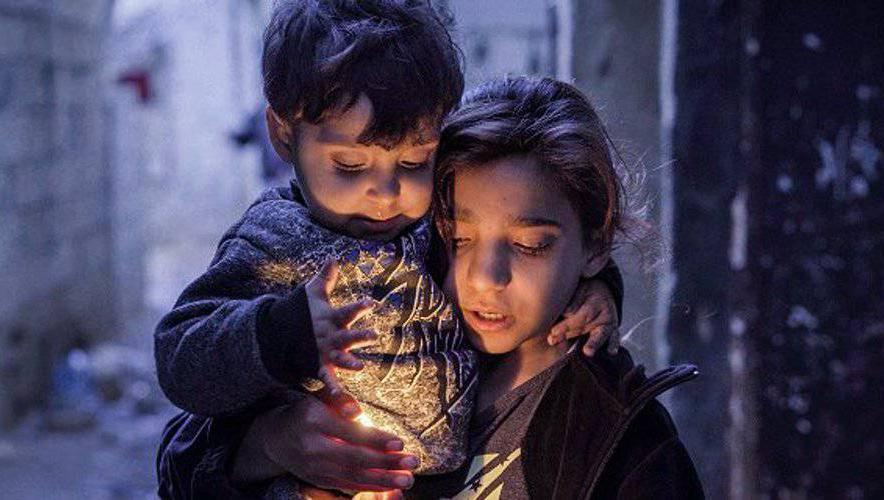
In the Shadow of Beirut screens at the Arc (former Gate) cinema for IndieCork.
Nominated by Ireland as its entry for Best International Feature at next spring’s Oscars, In the Shadow of Beirut has also qualified to be selected in the Best Documentary category. The Irish movie’s international festival run continues with a forthcoming screening at IndieCork, where the film shows the struggles of ordinary people living in a city often described as “the Paris of the Middle East”.
For Stephen Gerard Kelly - who co-directs with Garry Keane - the long-list nomination gives voice to the people who share their stories on screen.
“Last year, it was The Quiet Girl/An Cailín Ciúin which got an Oscar nomination, the first film in Irish to do so in that category. So to follow in those footsteps is a big honour,” says Kelly. “Having said that, no one on our tiny Irish-Lebanese team made this film for any award or any Oscar nomination. We’re coming in without any campaign budget worth talking of, relative to the mammoth budgets of the big streamers and big distributors. But what I've learned, and what people have said to me, is that the recognition gets more eyes on the film, and gets the film out there into the world more - and that's the win.”
In the Shadow of Beirut tells of life in the neighbourhoods of Sabra and Shatila in a city where it’s estimated 80% of the population lives beneath the poverty line, following a series of political and economic crises in recent years. One is an urban slum, the other an official Palestinian Gathering, where many are descendants of the original Palestinian refugees.
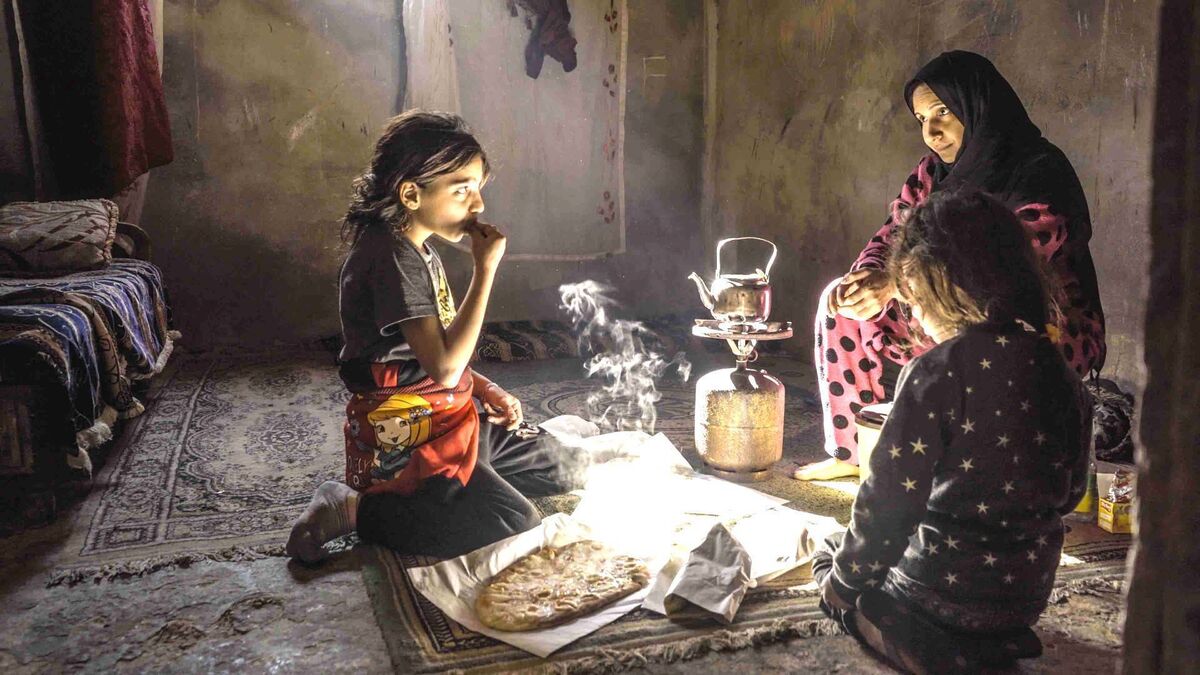
The communities were the scene of a massacre during Lebanon’s Civil War in 1982, when 3,500 civilians were killed by a Christian militia helped by the Israeli Defence Forces. The events of recent months in Gaza and Israel must surely be having a knock-on effect in the region.
“The tragic violence of the last few months stemming from the horrendous attacks on Israeli civilians on October 7 and the subsequent violence and bombardment against Gaza is beyond tragic,” says Kelly.
“The linkages to the film are very much present. The film is not a political film. It focuses on love and compassion and dignity, despite immense challenges. It's a very human story. But the very roots of the area where the film is set, is born out of the 1948 Nakba, when people from Palestine were forced to leave their lands and their homes from violence and settled in various parts of Lebanon. That was the birth of Shatila, and then Sabra next door is in the decades after Nakba.”
From the makers of 2019’s Gaza, In the Shadow of Beirut tells the stories of locals facing significant challenges in accessing basic services and opportunities. The film tells their stories with both sensitivity and respect, as they share their personal experiences.
They include Rabia, a hardworking but undocumented Lebanese mother who cannot afford medical treatment for her chronically ill daughter, and father of five Ayman, who is working to provide the most basic essentials for his family.
Abu Ahmad is an eight-year-old Syrian boy who works to feed his family who fled ISIS, while Aboodi is forging a new path in life, renewed in hope by the arrival of his toddler son.
As well as being backed by Screen Ireland and Germany’s ZDF Arte, the film includes Hillary and Chelsea Clinton among its executive producers. The filmmakers also worked closely with their Lebanese production partners.
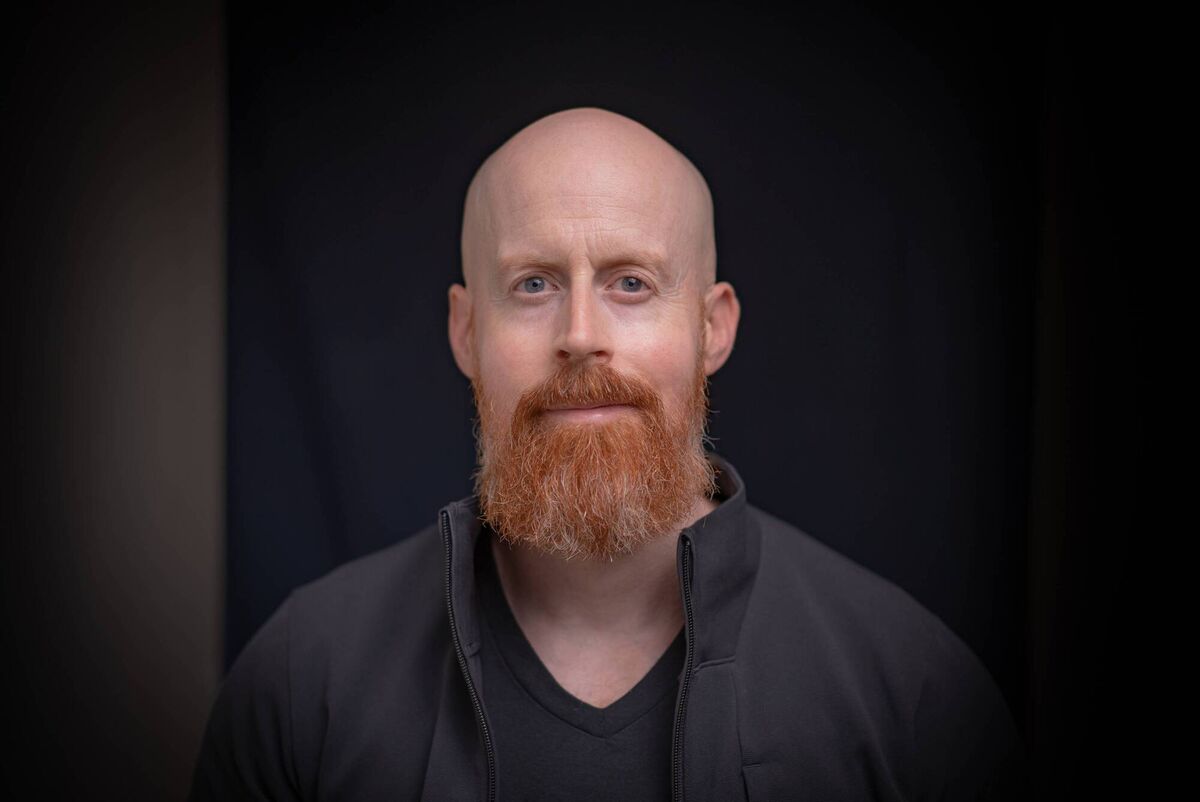
In collaboration with those who feature in the film, the documentary came about after Kelly shot footage with them over a period of several years living in the city.
“I moved to Beirut in 2015 because my partner got a job there,” says the Dubliner. “I had been in New York for five years from 2010 to 2015. Before that, in Africa for a few years working in humanitarian aid, and then I did conflict research in Sudan.
“When I got there, I bought a bicycle and I rode my bicycle around the city, exploring. After a few weeks of being out every day, meeting different people, I rode into Sabra, and I struck up a good repertoire with somebody on the street. He invited me into his family home and then that became sort of a permanent fixture, where the matriarch of the family probably felt sorry for me,” smiles Kelly.
It sparked the beginning of one of a number of good friendships he formed with people in the communities, as he learned Arabic and got to know more about their social, cultural and economic histories.
“Through that family and the care and the love that they showed me and years of being in the community nearly every day, I learned Arabic. Nobody in the film speaks English and very few people in the communities speak English. So it was full immersion in Arabic and I reached a point then after maybe three years where I had enough of an understanding. People began to ask me to document things, people always knew that I worked with cameras. So then I started to film about the three-year mark.”
On leaving Beirut in 2020, Kelly started to reach out to the filmmakers and producers of the 2019 documentary Gaza, as well as other Irish and Lebanese filmmakers.
“It's the film it is today because of the team. Garry Keane brought immense storytelling skills to it, and a very level head to how different scenes and beats go together in 90 minutes, which, for me, was an experience of five years, of which the camera was only on a tiny, tiny fraction of that time. So there was all this off camera information that I had.”
- In the Shadow of Beirut will screen as part of IndieCork Film Festival at the Arc Cinema (former Gate) on Friday, December 22; and at Dublin’s IFI cinema from December 15
Chicken Run: Dawn of the Nugget (Netflix from December 15): Bristol’s Aardman Animations return with a sequel to the much-loved 2000 film.
What Happens Later (cinemas from December 15): Meg Ryan and David Duchovny star in this rom com about two people who run into each other at an airport, decades after their romance ended.
The Family Plan (Apple TV from December 15): A former assassin is leading a suburban life until his past catches up with him. Comedy with Mark Wahlberg and Michelle Monaghan.
Wonka (now in cinemas): Timothée Chalamet plays the young Willy Wonka in this tale of how the wannabe inventor and chocolatier made a name for himself.
May December (now on Sky): Todd Haynes’s excellent melodrama centres on a woman involved in a sex scandal years before and the actress tasked with playing her. Julianne Moore and Natalie Portman star.