Cillian Murphy's 50th birthday: 10 steps to success — family, formation and film roles
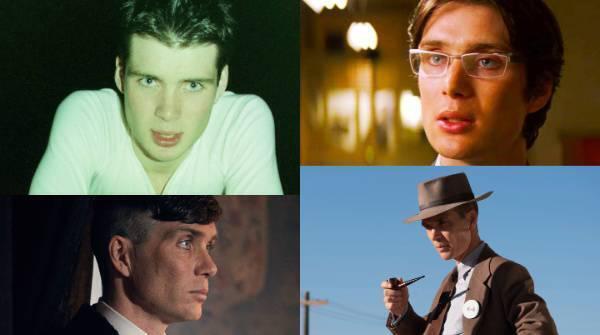
Cillian Murphy at 50: Key roles have included the Disco Pigs play, as well as film and TV parts in Peaky Blinders, The Dark Knight, and Oppenheimer.
Cillian Murphy was raised in the Cork suburb of Ballintemple, the eldest of four children (two boys, two girls). He attended primary school at St Anthony’s in Ballinlough, and at about the age of 13 began his secondary education at the fee-paying Presentation Brothers school in the city. Both his parents were teachers – mother Mary taught French, while father Brendan taught Irish before going on to become a school inspector.
Murphy's parents have kept a low profile in relation to their son’s fame, with Brendan stating on Raidió na Gaeltachta in a rare interview in 2024: "We don't like to make too much fuss about him. He's got a job like the sons and daughters of other people, and the difference - he gets a lot of publicity."
This unfazed approach seems to be reflected in Cillian’s own attitude to the ‘noise’ of the fame-game and, while he hits the mandatory PR trail around film releases, the actor generally tries to avoid the trappings of celebrity life.
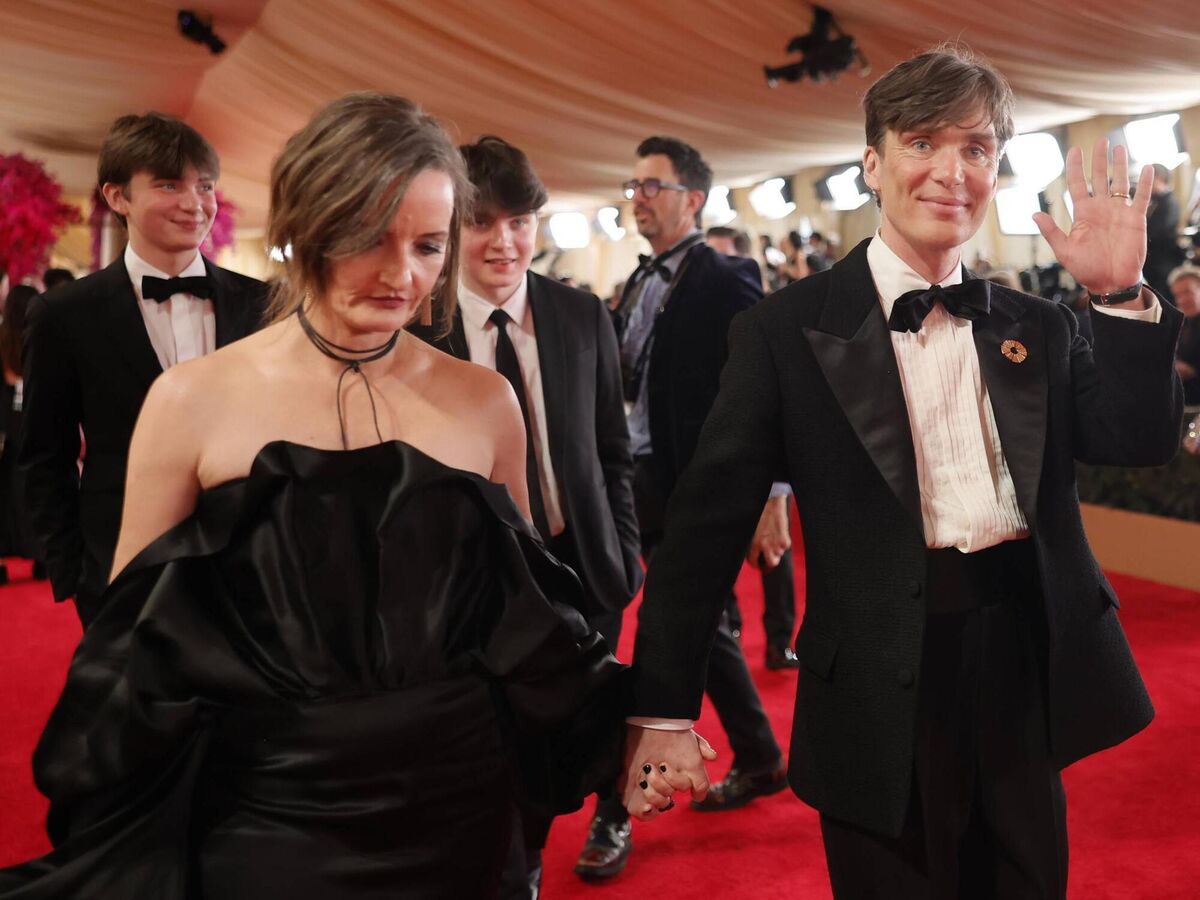
He has two sons of his own with wife Yvonne McGuinness, whom he met in Cork in 1996 when she was an art student. Murphy has spoken of how having the secure base of a solid family has been so important to him throughout his life.
During his early years of secondary education, Murphy didn’t quite dive into a Presentation Brothers school culture that placed great emphasis on academic achievement and sporting prowess, particularly on the rugby field. He regularly got into trouble with teachers and rarely portrayed the work ethic to make the most of his obvious brightness.
For his last two years in Pres, he did get on track somewhat, partly thanks to a growing interest in English and the arts. Much of this was down to William ‘Bill’ Wall, a teacher and writer who made an impression on the teenage Murphy. “He had a natural inclining for culture,” recalls Wall, who encouraged his student’s artistic pursuits.
When he attended University College Cork to study for a law degree, a similar pattern developed where academically he was under-achieving, but involvement in the dramatic society helped open up the world of acting to him.
During his appearance on BBC radio show Murphy declared: “Music was the first thing that really woke me up to the arts. Or to creativity.” He also recalled being brought to pubs by his parents for traditional music sessions, and family spins with Paul Simon blasting on the car stereo.
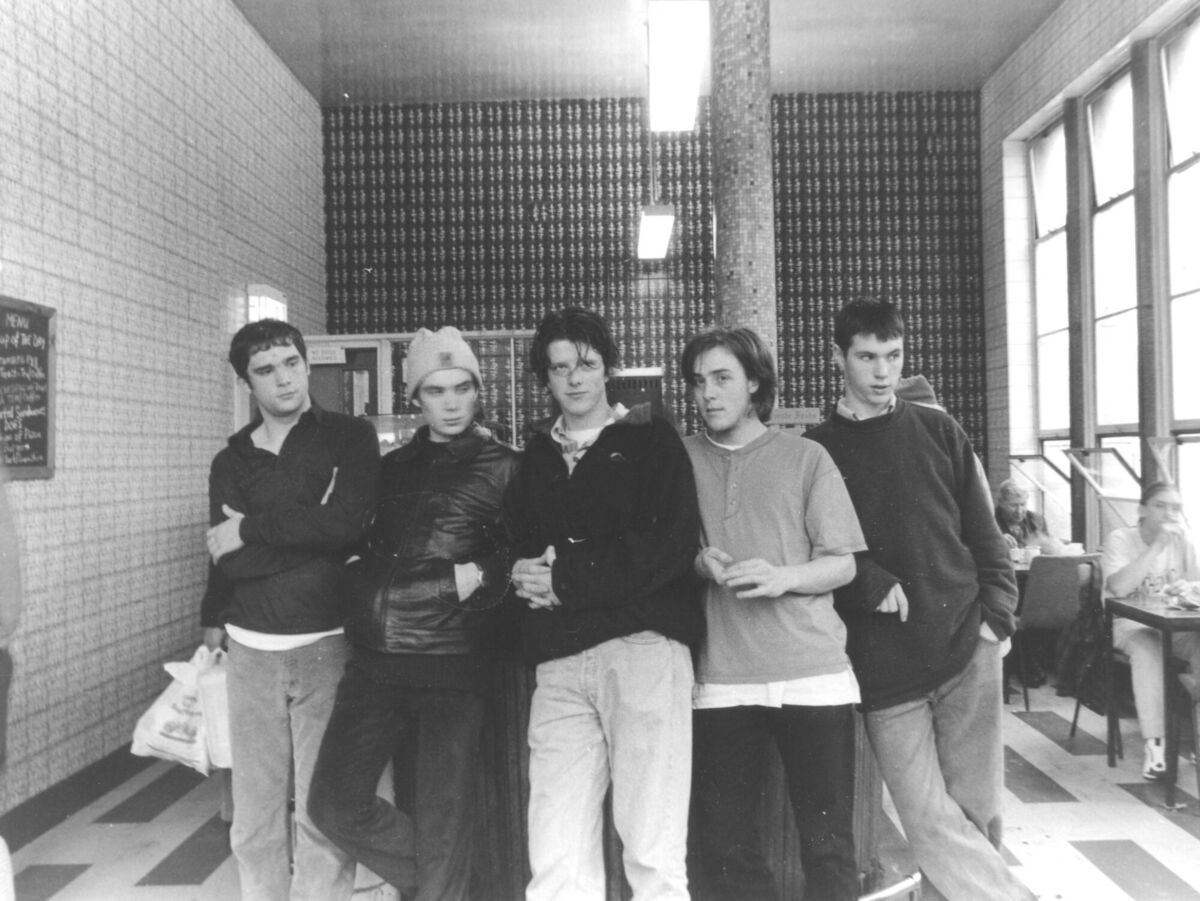
By his mid-teens, Murphy’s relatively sophisticated tastes are underlined by the band he formed with his younger brother, Pádraig, and a number of school friends. Sons Of Mr Green Genes were named after a Frank Zappa song and leaned towards funky workouts with Cillian on vocals and rhythm guitar. They wore outlandish vintage clothes, and Murphy soon realised he loved being on stage in front of a live crowd. Cork also had a thriving music scene in the early 1990s and Murphy was a huge fan of relatively successful local act, the Frank & Walters.
The Green Genes were making waves of their own, and had a provisional offer of a recording contract with prestigious UK label Acid Jazz. Pressure from parents of various band members, the moderate financial reward on the table, and Cillian’s burgeoning interesting in acting, meant they declined the offer and the group gradually fizzled out.
In recent times, the members have gathered occasionally for informal jam sessions. Don’t start the reunion rumours yet, but at least we know Murphy has kept up his guitar practice.
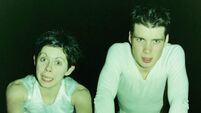
Murphy had first encountered Pat Kiernan when the young director had come to his school to teach a drama module. Soon after, the aspiring actor saw the innovative theatre-maker’s promenade production of at Sir Henry’s. “It blew my mind,” Murphy would recall about a show that convinced him to “pester” Kiernan for a role in a future project. The stars eventually aligned and the 20-year-old was cast alongside Eileen Walsh in Corcadorca’s production of Enda Walsh’s second play.
Disco Pigs’ edgy tale of two teenagers on a mad night out in Cork opened at Triskel in September 1996, and gradually snowballed into a hugely-successful phenomenon that provided a breakthrough for the four main creatives involved. By now, Murphy had dropped out of college, and by the end of Disco Pigs’ successful tours, the die was very much cast as to what his profession was going to be. Arise, Cillian Murphy the actor.
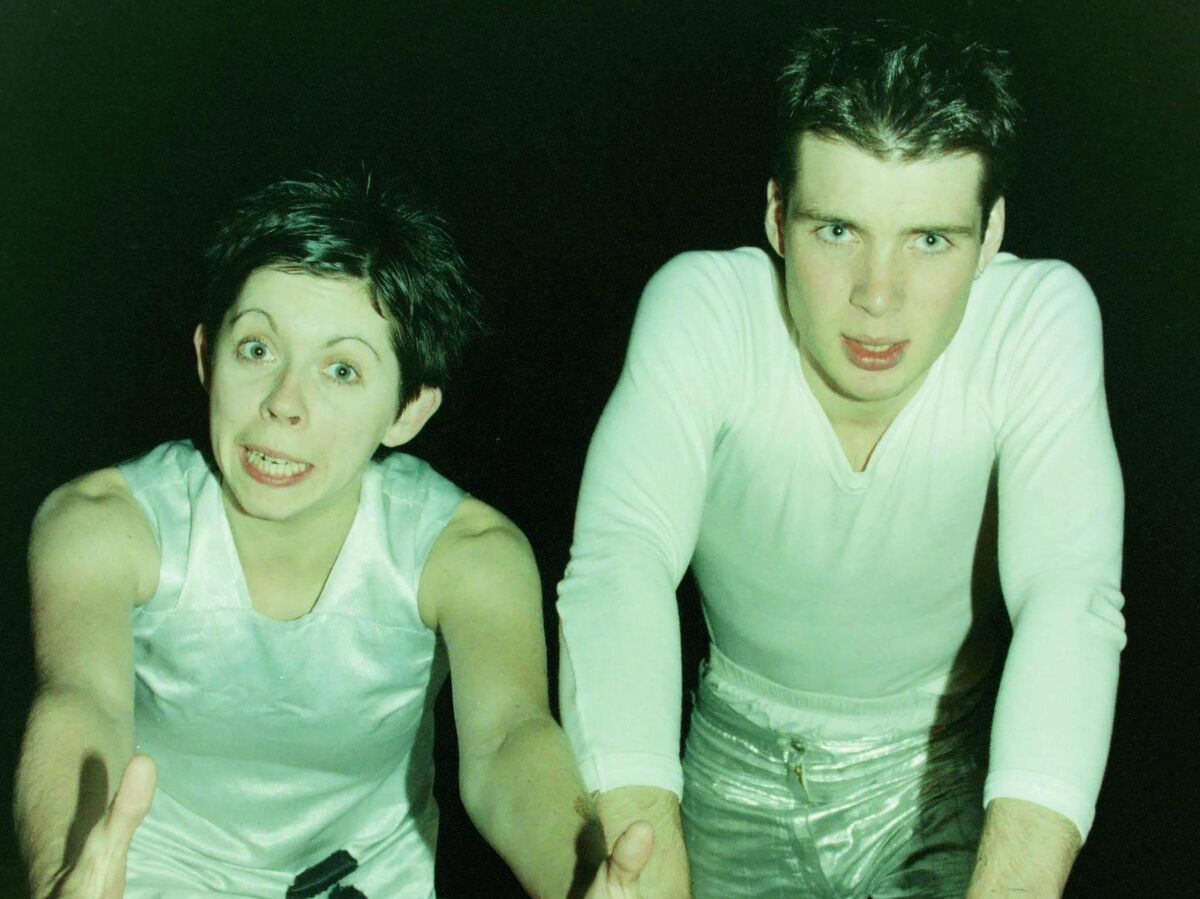
Murphy departed Cork in the wake of the hit play and spent periods in both Dublin and London, honing his craft in a number of theatre roles and indie films, including a bigscreen adaptation of His role as Pig paid dividends when he was spotted by the casting director on Danny Boyle’s horror-thriller,
Murphy took the lead role as an ordinary guy who wakes up in a London hospital to an unfolding zombie apocalypse. The 9/11 attacks took place during the making of the film, which possibly helped the dystopian tale tap into the new zeitgeist when it was released in 2002 to much acclaim.
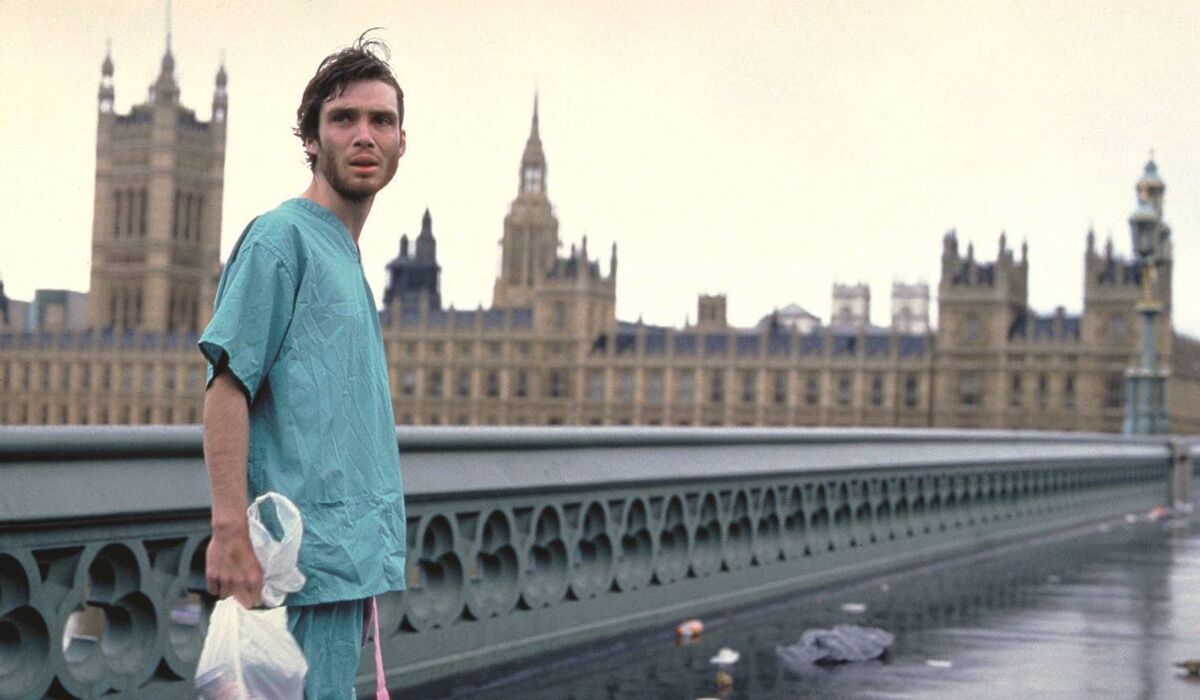
Boyle told film writer Roger Ebert that the physicality Murphy had already acquired through his stage roles, and his ‘changeability’ were already apparent. “For 28 Days Later, you thought, ‘He’s so perfect as an affable, carefree bike messenger, but how is he going to turn into an avenging angel?’ — which is what he ends up as, capable of the kind of violence that the infected are capable of,” said Boyle.
Several sequels were made without Murphy, but fans were delighted to see the Corkman pop up in an uncredited appearance at the end of in early 2026. The stage is set for Murphy to take a starring role in the yet-to-be-titled fifth instalment.
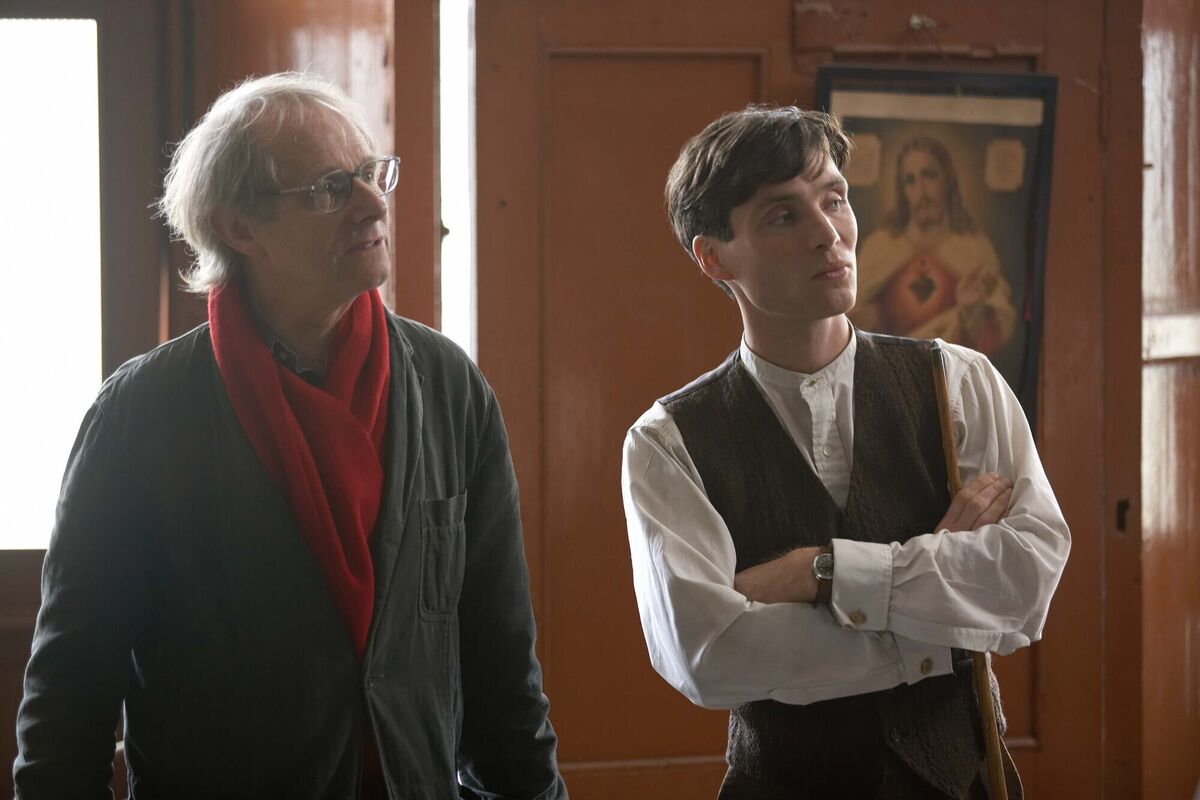
Though Murphy already had plenty decent experience under his belt by the time he returned to Co Cork to work on Ken Loach’s independence-era drama, it was still an educational experience for the then 29-year-old.
The Cannes Palme d’Or-winner was shot chronologically, with actors only seeing the loose script in individual segments. Murphy praised this for forcing him to act in a more instinctual manner. “It changed the way I approach work profoundly making that film,” he told
The feeling was mutual, with Loach saying of his young star: “'I think all the great actors allow themselves to be vulnerable. To make something that matters, you cannot withhold anything. You have to be vulnerable in a way to be strong. Otherwise, you don't risk anything. Let's just say Cillian made the part his own.”
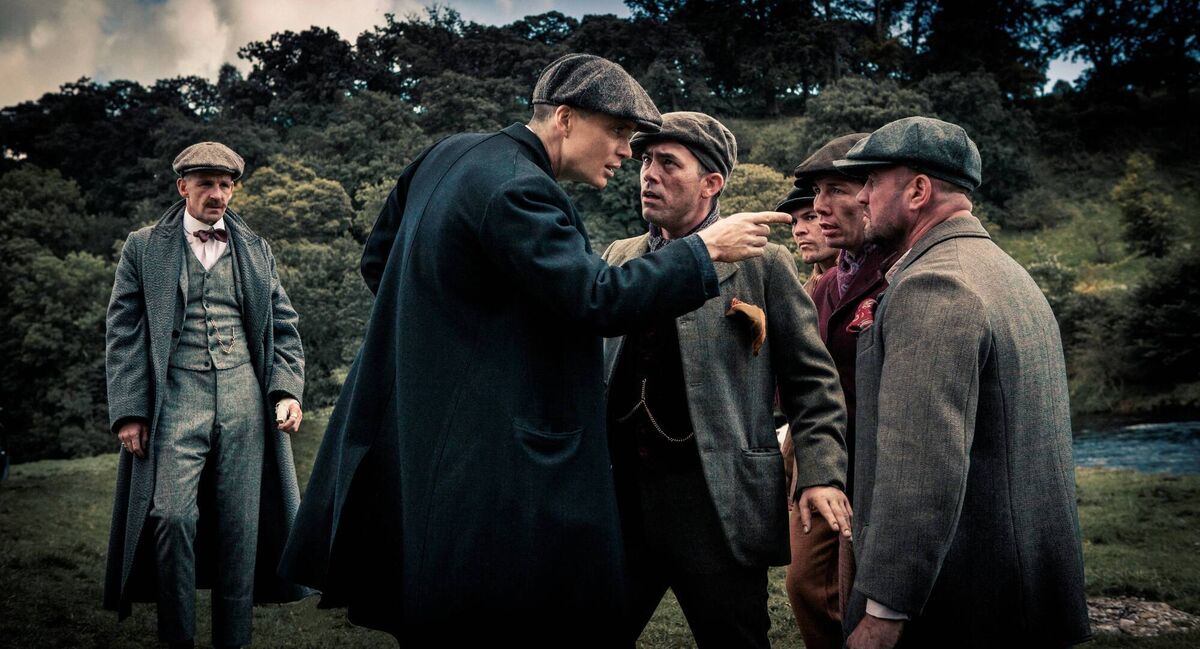
Murphy has been picky about his movie commitments through the years, not least as he’d made quite the investment in the time needed to film the six series of Birmingham-based crime drama that ran from 2013 to 2022.
Gang boss Tommy Shelby became one of the most iconic characters of British TV this century, and it’s something of a mystery why the Corkman never received even a Bafta nomination for the role. Surely he deserved one at the very least for nailing that Brummie accent!
The final seasons of were interrupted by the covid pandemic, but the ageing crime boss got a proper send-off in the 2026 film,
“Dearest Cillian. Finally, a chance to see you lead… Love, Chris.” Those handwritten words on the copy of the script that Christopher Nolan sent to Cillian Murphy literally marked the latest chapter in a 20-year working relationship between the two men.
They first met when the London-born director was looking for someone to play Bruce Wayne in (2005). Nolan had noticed Murphy in a still from “I’d just been very struck by his appearance and his amazing eyes and that gaze,” he told US website IGN.
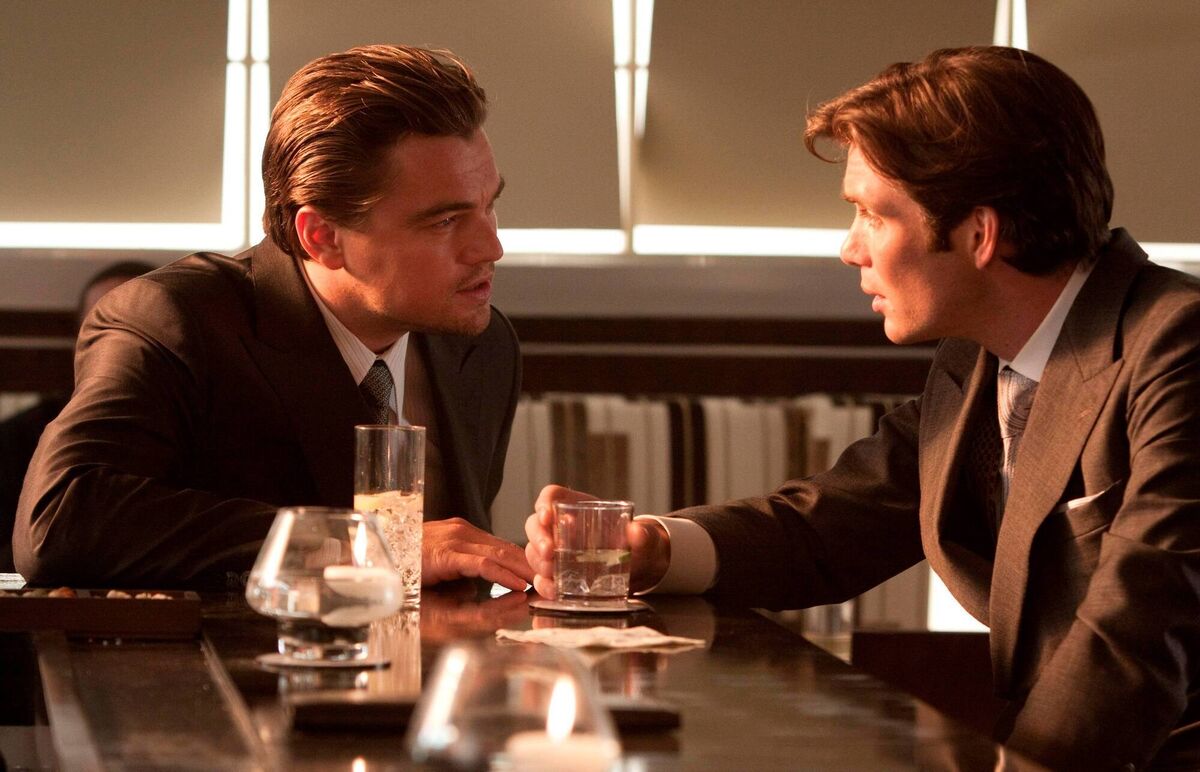
Both parties agreed the young actor wasn’t right for a role eventually played by Christian Bale, but he did take on the part of Jonathan Crane/Scarecrow. It was the first of six films the duo would work on, including and
All the previous movies had Murphy in support or ensemble roles. His first lead for Nolan resulted in the Corkman picking up the ultimate prize for an actor.
"Go raibh míle maith agaibh," declared a 47-year-old Cillian Murphy on March 10, 2024, when he became the first Irish-born person to win the Academy Award for Best Actor.
The win came as little surprise to those who had seen him in the role of physicist J Robert Oppenheimer. He was superb. While he didn’t quite go down the route of his character’s rumoured real-life diet of “martinis and cigarettes”, Murphy admitted that he had immersed himself in preparations for the role, losing weight, delving into Oppenheimer’s work with real scientists, and working hard on his Dutch pronunciation for a crucial lecture scene.
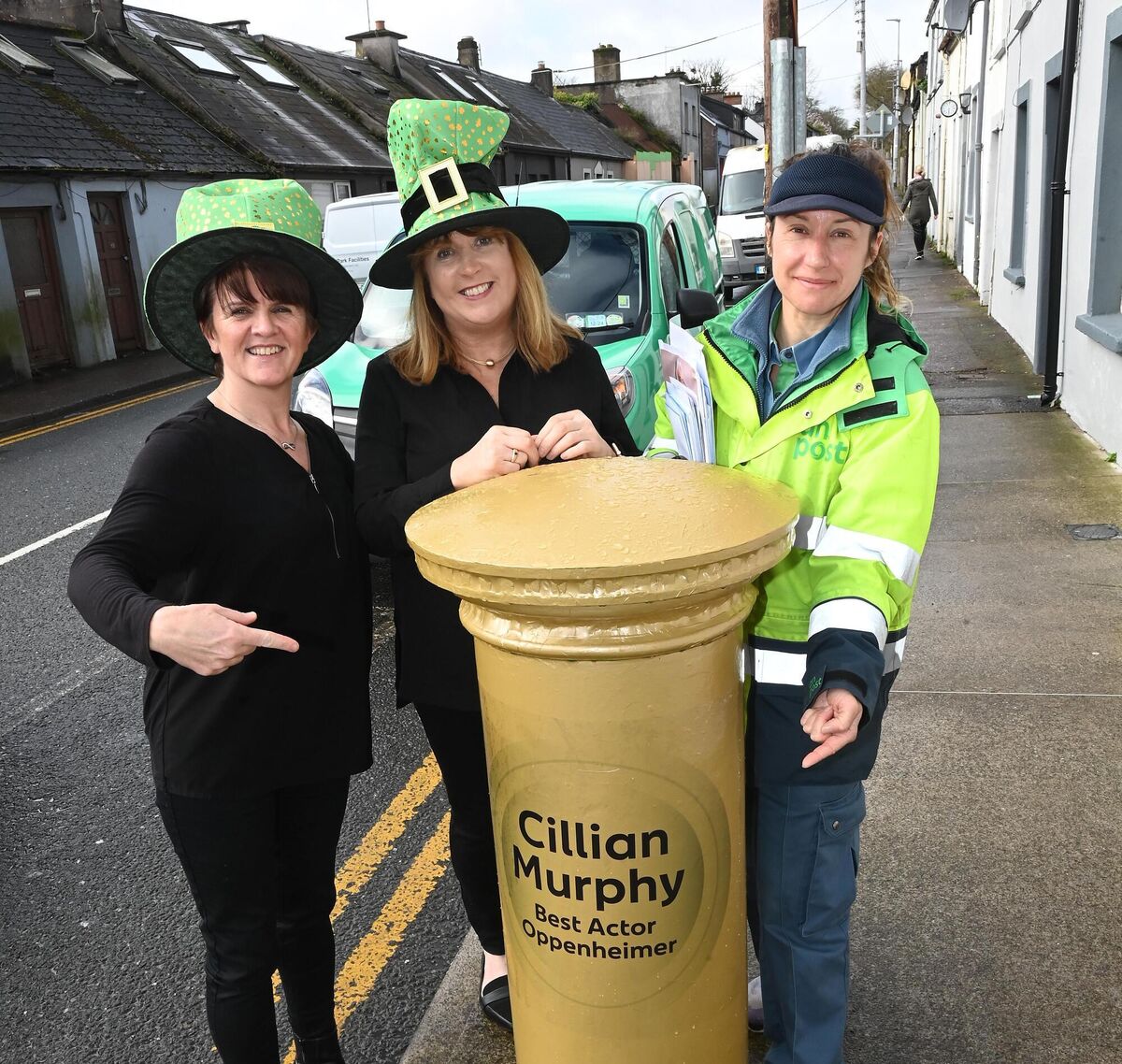
It all paid off when he was rewarded with the famous statuette, and even the honour of having Ballintemple post office colouring its postbox gold in honour of the achievement by the boy from the parish.
Murphy would have been forgiven for putting his feet up in the wake of his Oscar win, but he has continued to act in a number of roles, recently being spotted in Greece filming a prison drama with Daniel Craig. Perhaps, most interestingly, however, he has expanded his work behind the scenes.
He had stepped into a production role quite early on the series, and in 2024 launched his own production company, Big Things Films, with Alan Moloney. So far, they’ve created the impressive indie offerings and
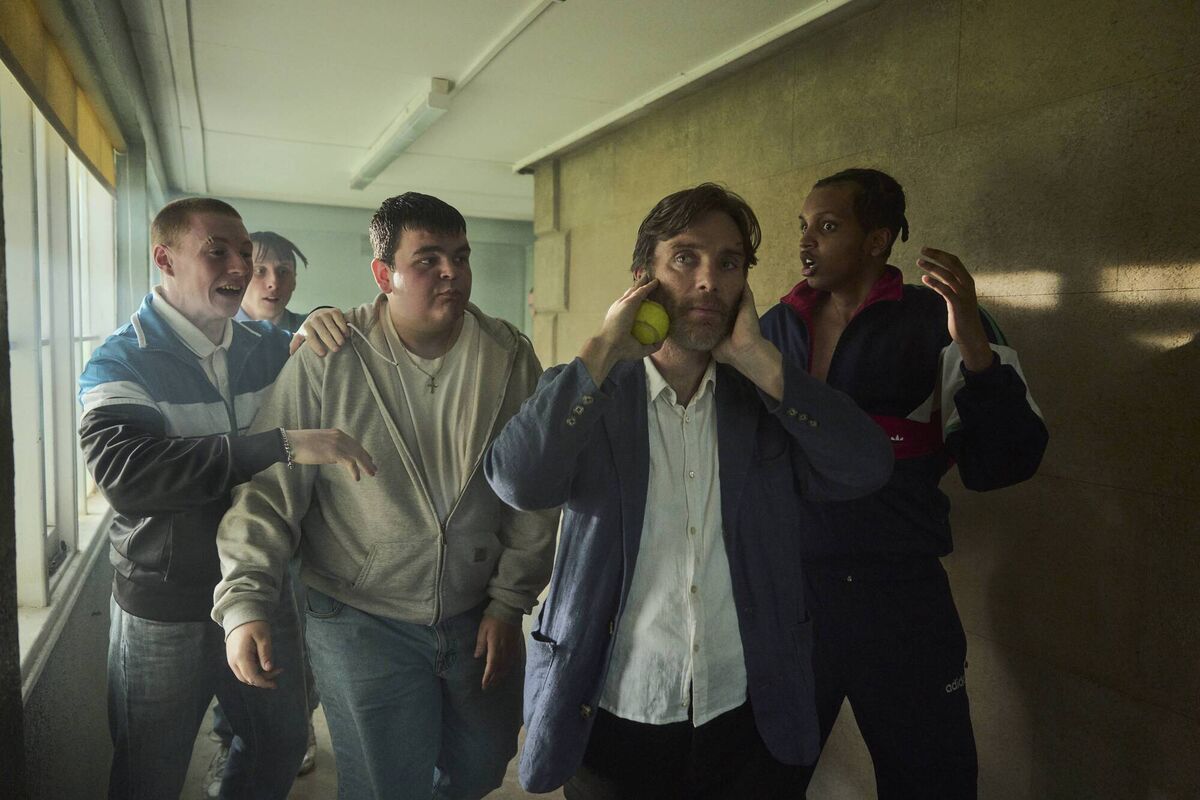
“I can't crunch the numbers, but I love just throwing around ideas. And what I particularly love is bringing bunches of really talented people together and seeing what happens,” said Murphy. This can extend to working on the post-production phase of films, sitting in on the edit and helping with the soundtrack. An obvious example is with its strong representation from Irish band Fontaines DC.
So, as a man approaching 50 who had done so much, the asked Murphy earlier this year about his remaining ambitions. “Ambition was never really the driving force,” he corrected. “Curiosity was more the thing.”
Long may he remain curious.