Book Review: Ben Barnes might be a new name - but perhaps not to longtime Irish Examiner readers

Paul O'Brien, former Irish Examiner polcorr, pictured in 2011. Pic: Nick Bradshaw
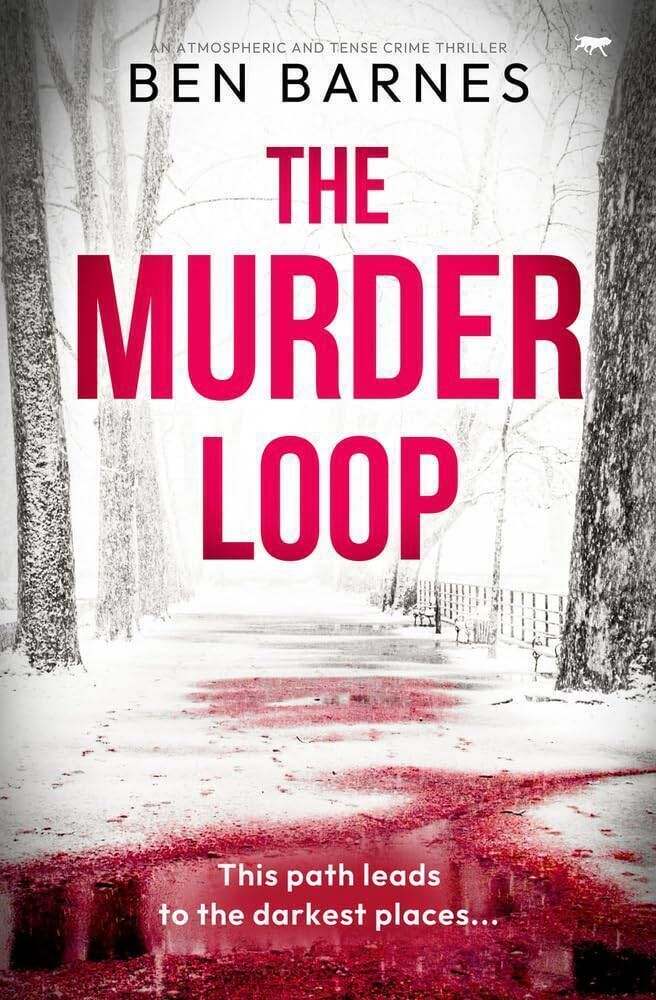
- The Murder Loop
- Ben Barnes
- Bloodhound Books, €9
Ben Barnes is a new name among Irish writers. For the writer of a crime novel, perhaps fittingly, the name Ben Barnes is not what it seems. Ben Barnes is the moniker of Paul O’Brien. He has had a diverse working career. His roles include spending time working for the government as an advisor and a speechwriter. He has also served as a political correspondent for the as well as holding a law diploma from The Kings Inns. O’Brien now lives in Kerry.
Ben Barnes draws on his alter ego’s experiences in the workings of government and the law to create a story of murder, deception and intrigue in this, his first novel, .
The story is set in the fictional tourist town of Glencale when the occurrence of a second murder inside a year unfolds in the depths of winter bringing with it all the drama that this entails. Like all such towns on the tourist trail, Glencale, appears to be in winter hibernation before it, once again, emerges in time for St Patrick’s Day to greet the daffodils and the first tourists of the new season.
Even in the depths of winter, the town of Glencale is not asleep; life goes on and beneath its calm exterior Glencale is a web of mystery and intrigue. There are asylum seekers hoping to leave their past behind; gardaí hoping to keep their past and present hidden; the new and long-term residents who cannot forget, or forgive, their own pasts.
When a local malcontent farmer is brutally murdered, shortly after two visiting Americans enquire about the location of his farm, it sets off a series of events that connect New York, Washington, Benghazi, and Egypt to Glencale in a web of intrigue. In unravelling this web, the veneer of normality of the lives of many of those going about their daily tasks in Glencale, is taken away.
The central character of the story is Garda Kate Cassidy. She is a former detective who sought a transfer from her post in Dublin and ends up in her native town of Glencale as a regular garda. The divorced Cassidy, or “Cass” as she is known, has no desire to be friends with her new workmates. Neither have they much time for her. Cass’s past life has taught her to trust nobody, not even herself.
This trait leads to pig-headedness and gets her into trouble when her strong hunches run cold. Even her ‘dead ends’ however somehow turn her in the direction of a solution to both the murder of the farmer and, more importantly, to an unsolved almost forgotten murder of an asylum seeker from a year earlier.
From the plot, it is clear that Barnes not only understands rural Ireland, he is also familiar with the workings of the gardaí, local politicians, and the international justice system.
The story of the murders in Glencale is plausible in the Ireland of today; the world has become a very small place and Barnes’ insight helps him paint a very believable picture of how a violent incident on one continent can play out in rural Ireland under the noses of the local residents and the forces of the law.
is short and snappy. This is both the book’s strength and its weakness. The plot moves along quickly making it is an ideal read on a holiday break, or a long journey. Many of the characters however, especially those in the supporting cast, flit in and out of the plot and are not fleshed out sufficiently for the reader to develop an empathy for them or their personal traumas.
Nonetheless, the book is well worth the read. There is more to the story of Garda Kate Cassidy and her experiences in An Garda Síochána. There is more to the vast numbers of people who are now moving in-to, out-of or through this country, especially in the popular tourist areas like Glencale. This means that there are surely more mysteries to be solved. We may very well meet Cass and her colleagues in Glencale again.