Abi Jackson meets members of a diabetic pro riding team
Moments later, the Lycra-clad peloton whizzes past, super-honed calves making light work of the climb.
There’s nothing remarkable about this sight, except for the slogans on this team’s kit.
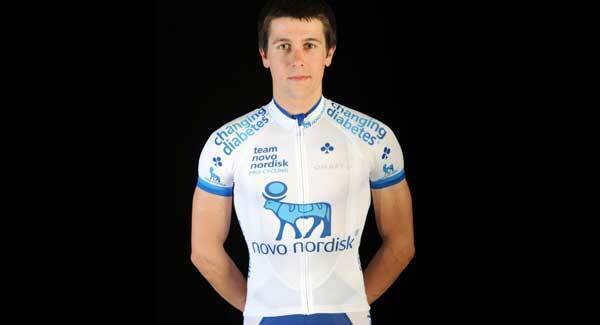
Team Novo Nordisk’s shorts and jerseys are emblazoned with the words ‘changing diabetes’. This is the world’s only, all-diabetic pro cycling team.
“When you’re diagnosed with type 1 diabetes, there’s a lot of emphasis on what you can’t do,” says American, Phil Southerland, Team Novo Nordisk CEO and co-founder.
“So let’s show them what you can do.”
Sutherland was diagnosed with diabetes as a baby. Diabetes occurs when the body either doesn’t produce any insulin (type 1; a lifelong condition by which the immune system has mistakenly attacked pancreas cells, so insulin has to be injected) or no longer produces enough, or sufficiently-working, insulin (type 2; the type associated with age and weight).
Team Novo Nordisk now has 18 pro riders from 10 countries (with many more in their elite, development, and junior teams).
Most of the team were keen riders with promising futures when illness struck — and 12 of them were told, ‘You’ll never ride again’. This was the case for Limerick man, Stephen Clancy, who was was 19, and a successful cyclist, when he was diagnosed with type 1.
A nurse listed the activities he would no longer be able to do, but it was the consultant’s words that hit hardest: extreme exercise could complicate his diabetes management, so he should cycle for a mile at a time.
“I didn’t follow that advice!” Clancy adds.
Instead, he went through the Team Novo Nordisk development programme, and now, at 23, has an impressive list of accolades.
Clancy understands the negative outlook.
“It’s fear of the unknown,” he says. “At the end of the day, doctors are trying to protect their patients.”
Dr Rafael Castol, the team’s medical director, agrees. “The misconceptions exist from previous years, when the newer types of insulin and [blood-glucose-monitoring] technologies didn’t exist.”
Advancements mean Team Novo Nordisk riders can monitor their blood-glucose levels constantly, which enables them to fine-tune their understanding of their condition, and of how their bodies respond to the pressures of riding and racing in various conditions.
Castol says that it’s not simply a case of telling everybody with diabetes that it’s fine to go out and push their physical limits — “that would certainly increase the risk of problems” — but those limits can be pushed, providing the diabetes is managed extremely well.
“For our riders, the most important thing is for them to have a proper education of their condition, and understanding of what it means, and what proper management means,” he explains.
“Once they’ve reached an optimal level with their therapy and management, they’ll need to go through a trial-and-error phase, and learning curve, to get to know how their body and glucose levels respond at different exercise intensities.”
* To find out more, visit www.teamnovonordisk.com

CONNECT WITH US TODAY



Be the first to know the latest news and updates

















