Fleadh is reel star of Galway
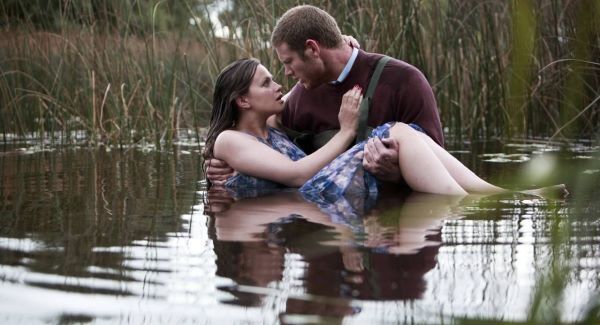
SINCE its foundation, in 1989, the Galway Film Fleadh has shown the best in international cinema, while being a platform for Irish filmmakers to screen their work, all in an intimate, relaxed atmosphere, full of passion and with the odd beverage.

Fleadh is reel star of Galway

Festival director, Miriam Allen, has been involved from the get-go. It was Allen and her cohorts (Joe McMahon and RTÉ renegades, Lelia Doolan and Bob Quinn) who created the Fleadh following a much-savoured screening of Joe Comerford’s film, Reefer and the Model, at the Galway Arts Festival in 1988.

“Such was the response to Reefer that it was decided that, yes, there was an appetite for alternative cinema in Galway,” she says. “At the time, there were only four screens running and, inevitably, they were showing the big American blockbusters. It was the same diet people were being fed week in, week out, and they wanted to see something else.”

Today, with two cineplexes in the city, and upwards of 26 screens, the diet hasn’t changed much, but the city’s long relationship with film, and with filmmaking, is now firmly acknowledged.

It was announced last week that Galway is bidding to be a ‘UNESCO city of film’. If its bid is successful, it will be only the third city in the world to be granted the honour. Meanwhile, a long-mooted arthouse cinema, the Picture Palace, is aiming to be open for business next year.

None of this would be happening without the Fleadh.

Opening today and running until Jul 14, this year’s programme is enticing, with a bright array of new Irish features, as well as a choice selection of international features and documentaries.

Among the many films to watch out for are: Life’s A Breeze, the new film by Kisses director, Lance Daly; The Sea, the adaptation of John Banville’s novel, with Ciarán Hinds in the lead role; and We Sell Secrets: The Story of WikiLeaks, the latest documentary by the wonderful Alex Gibney. Elsewhere, there are strands dedicated to animation, human rights, and Luxembourgian cinema.

For festival programmer, Gar O’Brien, the excitement resides not solely in selecting the films, but in the anticipated reactions of audiences.

“Nothing’s worse than people coming out of a film going, ‘Yeah, that was alright’,” he says. “I prefer it when people come out and they have a big disquisition at the front of the town hall. There are a few films in there, this year, that will definitely get people talking.”

Among the Irish films this year, O’Brien salutes those shot by filmmakers rather than developed through the established funding channels.

He cites Cold (which features rising star, Jack Reynor), emigration drama, Out of Here, and Dark by Noon as examples. The latter, a sci-fi flick, was an especially brave endeavour for a low-budget movie, he says. “Who goes out and makes a post-apocalyptic, time-travel movie for a couple of grand, you know? But they did it. And it shouldn’t work at all, but it does,” O’Brien says.

Digital film technology has enabled this new coterie of independent Irish directors, and those filmmakers have consistently found a home in Fleadh schedules.

Allen compares this new breed to people like Quinn and Comerford, the ‘first wave’ of independent directors that kicked the life into independent filmmaking in Ireland, back in the 1970s and 1980s.

“I’m a great admirer of people who just get up off their arse and do it,” she says. “They’re not waiting for whatever funding agency — the Film Board, RTÉ, whoever — but feel the need to create their vision on the screen. That pure, independent streak does remind me of that ‘first wave’ of filmmakers.”

However it is financed, every Irish film programmed at the Fleadh is viewed by an array of industry big-wigs.

Behind the event’s laid-back ambience, a huge amount of industry business is done each year as part of The Fair, a market-oriented initiative in which sales agents, distributors, producers, and international funding agencies all congregate. In addition, meanwhile, there are the festival programmers from all over the world, guys like John Nein, the Sundance programmer who broke Once in America in 2006.

Allen likes to think of the Fleadh as a “360 film experience”, she says. In addition to exhibition and industry work, the festival also hosts masterclasses by high-calibre actors, directors and writers. Delivering masterclasses this year are Daniel Waters, writer of cult favourite Heathers, British director Julien Temple, as well as actors Saoirse Ronan and Star Trek’s Zachary Quinto.

With the new Star Trek film still in cinema screens, the beaming of Quinto into Galway is a huge coup, of course. But he is just the latest in a long line of Hollywood A-listers who have graced the Fleadh. Allen recalls the 1990s visit of Rutger Hauer who, in his admiration, refused to be reimbursed for his expenses, saying he already had more money than the entire Fleadh put together.

With mild embarrassment, she also recalls the time that a plan to escort Pierce Brosnan around in a flashy new BMW went awry and he had to be chauffeured from the town hall, instead, in ‘an older model’.

“This was when Pierce Brosnan was still James Bond and there was extraordinary excitement,” she says. “My brother was driving the car and it actually sounded like Chitty Chitty Bang Bang. I asked him to turn off the engine while we waited for Pierce Brosnan. He said ‘I’m afraid it won’t start again if I do’. Pierce got into the car and it drove away and it was just hysterical. But that’s one thing that the Fleadh never hides about itself. ‘This is us’.” nThe Galway Film Fleadh runs Jul 9-14. www.galwayfilmfleadh.com

More in this section

Cookie Policy Privacy Policy Brand Safety FAQ Help Contact Us Terms and Conditions

© Examiner Echo Group Limited













