Life Hack: How to deal with travel fatigue — and how to tell it apart from jet lag
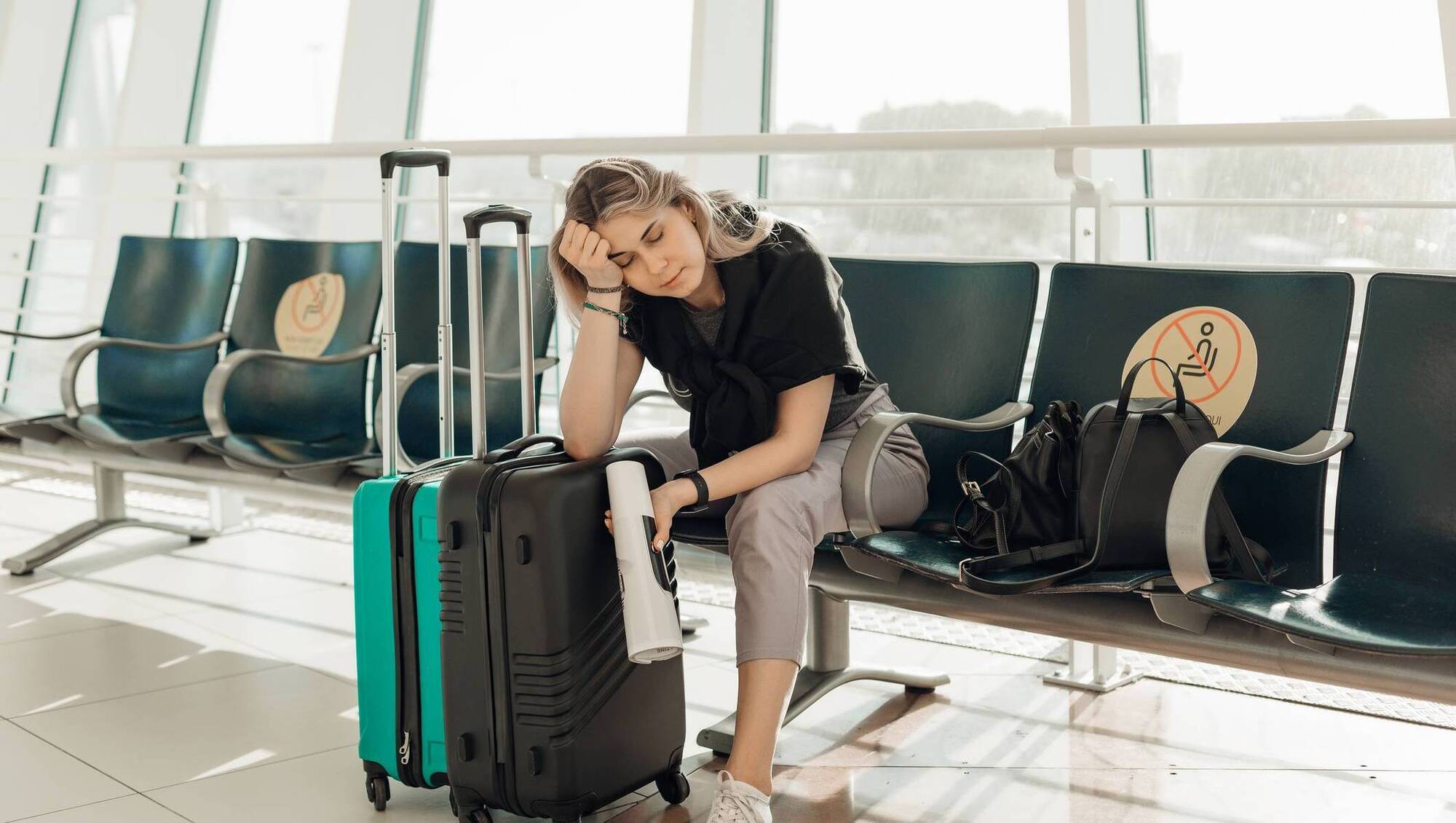
Is that relaxing getaway actually making you exhausted? Here's what you need to know
Travel fatigue is different to jet lag as it is not always caused by the travel itself. File picture

Travel fatigue is different to jet lag as it is not always caused by the travel itself. File picture

The summer holiday season is in full swing, and it is likely we could see record-breaking numbers of passengers travelling through Dublin and Cork airports over the coming weeks.

With those higher numbers comes more of a chance that Irish travellers who opt for destinations closer to home may experience travel fatigue — and mistake it for the jet lag usually associated with long-haul flights.

What is jet lag?

Jet lag happens when your normal sleep pattern is disturbed after a long flight. The main symptoms of jet lag include difficulty sleeping at bedtime and waking up in the morning, tiredness and exhaustion, difficulty staying awake during the day, and concentration and memory problems. 

Sometimes, jet lag can cause indigestion, nausea, constipation, changes in appetite and mild anxiety. It usually improves within a few days as your body adjusts to the new time zone.

What is travel fatigue?

Travel fatigue is different to jet lag as it is not always caused by the travel itself. The combination of early alarms, airport stress, disrupted routines, dehydration, poor sleep and packed itineraries can leave holidaymakers feeling exhausted during trips that are supposed to be restorative.

“People often assume that travel-related exhaustion is caused by jet lag and crossing time zones,” says Dr Elisabetta Burchi, psychiatrist and head of research at Nurosym.

“But there is another phenomenon known as travel fatigue, which can occur regardless of distance. Even a two- or three-hour flight can expose the body to multiple stressors that affect the nervous system and disrupt normal recovery processes.

“With jet lag, the trigger is specific: The core circadian system falls out of synchrony with the environment, which disrupts sleep, alertness, appetite, body temperature and hormone release. 

"Travel fatigue produces overlapping symptoms — brain fog, poor sleep, exhaustion — but arises from the cumulative stressors of travelling itself, which is why you can feel it after a short-haul flight that crosses no time zones at all.”

Travel fatigue differs from jet lag because it is not caused by changes in time zones. Instead, it stems from the physical and psychological demands of travelling itself.

According to Dr Burchi, these disruptions can affect the autonomic nervous system, which regulates essential functions such as sleep, digestion, alertness, energy levels and recovery.

“Most people assume travel exhaustion is just tiredness. But what we often see is a broader disruption to the body’s homeostasis. 

"A meaningful sign is a decrease in vagal tone as indexed by a decrease in heart rate variability — and because the vagus nerve bidirectionally links the brain and internal organs, HRV serves as a reliable, integrative marker of both mental and physical resilience.

“When that adaptability drops, people experience poor sleep, low mood, digestive discomfort, brain fog and difficulty switching off, even on holiday.”

The issue may be particularly relevant during the summer months, when travellers often try to maximise annual leave by fitting multiple destinations and activities into a short break.

“Many people expect to feel relaxed the moment they arrive,” explains Dr Burchi. “But recovery isn’t a switch you flip on landing; if you’ve travelled sleep-deprived, dehydrated and overstimulated, the body needs time before it can genuinely settle.”

This is particularly felt as new data shows that the average length of an overseas holiday has fallen from 6.2 nights to 5.5 nights, as travellers choose more frequent getaways throughout the year over longer annual holidays.

How can I prevent travel fatigue?

To help support recovery while travelling, Dr Burchi recommends the following steps:

  • Prioritise sleep in the days before travelling
  • Stay hydrated before, during and after flying
  • Get outside in natural daylight after arrival
  • Keep the first day deliberately unscheduled
  • Build genuine rest into shorter trips

x

More in this section

Cookie Policy Privacy Policy Brand Safety FAQ Help Contact Us Terms and Conditions

© Examiner Echo Group Limited