Richard Hogan: Manosphere is a distraction — social media giants are the real enemy
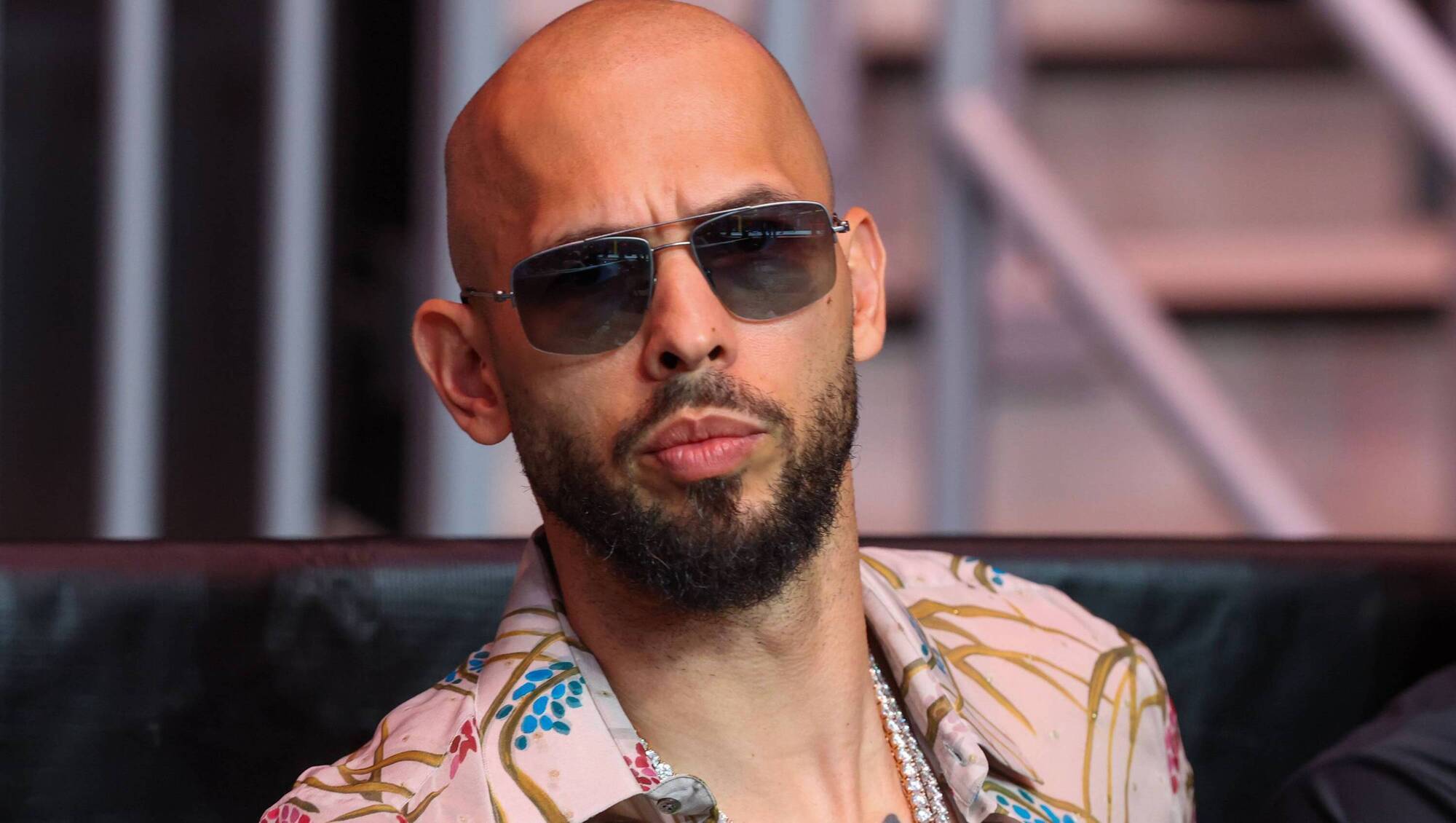
Andrew Tate is now a laughable character, says Richard Hogan, but the people who made money from him remain free to target children.

The authors of this new report define the manosphere as “a diffuse commercial ecosystem and loose collection of online communities united by shared beliefs about masculinity, misogyny, and male victimisation”.
The report clearly outlines the harms caused to children by this online space that offers solutions to the so-called crisis in masculinity.
The grifters in this space, the Andrew Tates, the HS Tikky Tokkys (yes, that’s his online ultra-masculine name) feed on the vulnerability and isolation of our children. They tell them they are victims of a brutal feminism, attempting to turn them into "incels" — involuntary celibates.
So, anyone who talks to them about their feelings, compassion, empathy, should be ignored because they want boys to remain lonely virgins forever.
This would all be laughable, except for the fact that impressionable young boys have been duped by these grifters who are simplifying complicated societal issues and monetising them for their own gain.
Some in the manosphere spew violence against women and girls, they suggest boys talking about their mental health are weak and pathetic, and men’s problems are framed as the result of those terrible feminists trying to destroy their masculine identity.
I have been writing about this manosphere for years now, trying to inform parents about what their children are being exposed to. I think we have to take this very seriously, but I think we need to understand why it is flourishing before we can effectively challenge it. Once again, we want to simplify and blame, without fully understanding the issues facing our children.
What does it offer our boys? And why do they find it attractive? These are important questions to consider before we set about tackling this issue.
Whenever I’m talking with teenagers, I never criticise them for liking the Andrew Tates of this world, I ask them what they like about what he says. I listen carefully and then I gently offer alternatives to that viewpoint without alienating or laughing at them.
I work with teenage boys a lot, and I hear feelings of being lost, lonely, disenfranchised, disconnected, and disaffected. They have become increasingly uncertain about their place in the world. They are struggling with identity, relationships, rejection, self-worth, and what it means to be a man in modern society.
These are complicated issues that require considerable thought in how to address them. But we haven’t done that. We ignored those issues, and, if the truth was to be expressed here, we compounded them by lumping the term "toxic masculinity" on all boys and men.
This supercharged the manosphere and all those bad actors in that space. It legitimised what they have to offer.
When an identity is under attack, we will often lean towards those that seem the strongest in opposition to that attack.
We created the manosphere by ignoring what was happening to our teenage boys and girls. The lack of regulation of social media spaces allowed for the manosphere to be created, and then the recommender systems started targeting our boys with this content.
Andrew Tate has never really appeared in my algorithm because I’m an educated, middle-aged man. I’m unlikely to find his idiotic, intellectually vacuous musings on the world appealing. Laughable yes, avid viewer, definitely not. So, it doesn’t get sent to me.
A young man who feels rejected by a girl is encouraged to view that rejection, not as a normal part of life, but as further evidence that women are manipulative, cunning, and ultimately victimising men. They are laughing at us, with all their sexual power.
That is a dangerous skewing of a young man’s psychology. And yes, that should be viewed as a public health issue. But we have to address the other issues underpinning this phenomenon also.
It is easy to attack the manosphere now its sun is fading. This report is about 10 years too late. Where were those academics 10 years ago? When boys were being pulled into this space and indoctrinated into very dangerous ideas about girls and women?
Those boys are men now. Married and, I guess, some are fathers to daughters. I’d like to hear their journey, and what they feel about Tate and those other grifters that targeted them.
Andrew Tate is now a laughable character. Even his own lawyers have admitted that stories of his wealth were widely exaggerated, a ruse. It was all a grift. And so he will fade into oblivion, where he belongs.
We are in the greatest fight of our lives, as parents, to protect our children from big tech. The recently reported on newly-disclosed court documents from litigation against Meta who, it is alleged, developed a strategy to discredit one of the most important voices in this conversation, American psychologist and author Johnathan Haidt.
It appears they wanted to turn academics against Haidt because he has been so vocal in illuminating the catastrophic impact social media is having on our children.
Is that not a public health concern? One greater than the manosphere itself? Is that not worthy of an academic paper? Is going after the manosphere just more distraction?
Maybe we will get the answers to that in 10 years’ time, when another generation of children are lost, and incomprehensible profits have been made.