Séamas O'Reilly: Once proud defenders of Israel are beginning to backtrack — why now?
It’s a war crime and it’s been going on for almost the entirety of the conflict. So what has changed in the past few weeks?
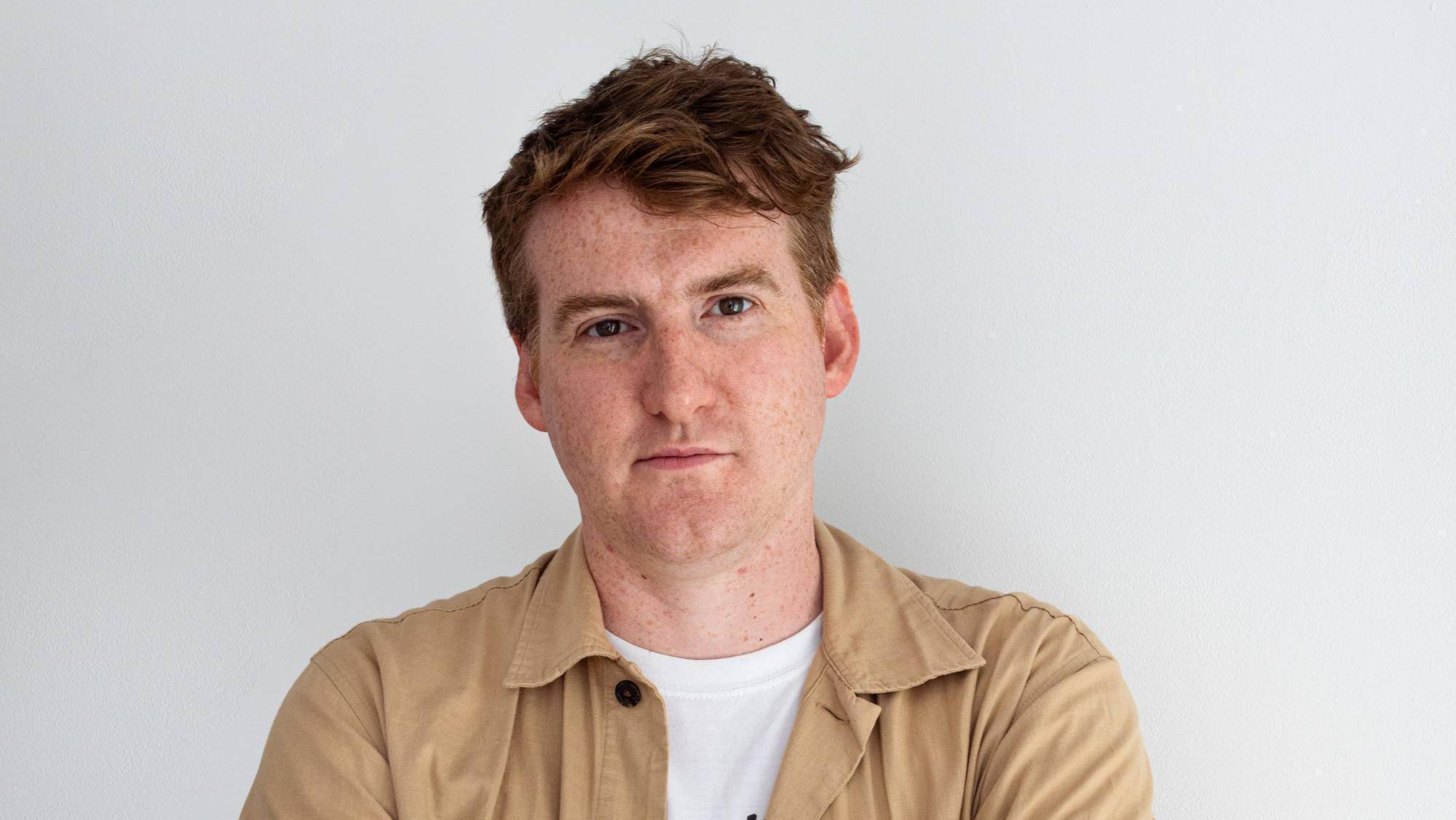
Seamas O'Reilly: If we are witnessing some small sea change, we are within our rights to ponder how it has come about. Picture: Orfhlaith Whelan

Seamas O'Reilly: If we are witnessing some small sea change, we are within our rights to ponder how it has come about. Picture: Orfhlaith Whelan

You may have noticed it recently. Once proud defenders of Israel’s war on Gaza beginning to backtrack a little. A column here, a radio segment there. A sense that sensible, moderate opinion has shifted slightly in every direction you care to look. 

A dozen or more articles in Britain’s broadsheet press, statements from its foreign secretary David Lammy, and Tory MP Mark Pritchard, all expressing their strongest criticism yet of Israel’s attacks on the Palestinian people. These, alongside increasingly assertive mentions from both French president Emmanuel Macron and German chancellor Friedrich Merz, the latter the most public break from Israel by a German leader in many years.


In most of the above cases, their change in tone is not entirely full-throated, couched in enough waffle and caveats that we must deduce the overall effect is intended as “it’s been fine up until now, but this is suddenly too much”.

In the case of those political leaders finding their voice anew, their statements uniformly lack the legislative penalties or sanctions that are in their power to bring to bear, nor even strong proposals that such actions are in the post.

Given all that has happened for the past 19 months, it’s natural to feel a sense of underwhelm, or even anger, when reading these oddly abrupt tip-toeings toward common sense; there is a temptation to dismiss these statements as extremely cynical people arriving much, much too late at one of the easiest moral conclusions any of us could face in our entire lives.

For now, I will resist that urge, since anyone invested in justice for the Palestinian people should welcome any institutional shift which makes that justice more likely, no matter how venal or steeped in self-interest it might seem. But, if we are witnessing some small sea change, we are within our rights to ponder how it has come about. And to ask a question I haven’t seen examined too closely anywhere else: why now?

Certainly, the situation in Palestine is dire. At least 54,000 Palestinians are confirmed dead, with another 120,000 wounded. These are, we must remind ourselves, conservative estimates, the exact numbers likely unknowable. More than 70% of Gaza’s civilian infrastructure has been destroyed, including not just homes, places of worship, hospitals, schools, universities, essential services, and engineering projects, but the offices of the very civic bodies that might catalogue and record the genocide unfolding around them.

A situation only worsened by the unparalleled killing of journalists, media workers, doctors, and medics, who could report on, or ameliorate the death and destruction being meted out to an entire population.

In January, The Lancet estimated that, given these handicaps, the Gaza Health Ministry has likely underestimated traumatic death injuries by over 40% and the correct figure is likely to be closer to 80,000. This does not account for killings in the five months since that report was published, nor do any of the above figures include death by malnutrition and disease.

On that latter front, things are especially bleak. Israel has bottlenecked aid going into Gaza throughout their offensive, and blocked it entirely since March, effectively instating famine in the territory. Last week, Palestinian Authority Health Minister Majed Abu Ramadan said that 29 children and elderly people had died of “starvation-related deaths” in just the past few days. A report by the IPC earlier this month said that “71,000 children under the age of five in Gaza are expected to experience acute malnourishment from April 2025 to March 2026”.

Gazans have sought refuge in cramped and unsanitary tent camps. There, too, they are not safe from violent death, with the UN reporting last Thursday that, of the 629 Palestinians killed in the previous week, “at least 358 were killed because of attacks targeting houses and tents for displaced people, with children and women comprising at least 148 of the victims”.

Everything mentioned above — the bombing of schools, hospitals and civic infrastructure, the murder of journalists and medics, the blocking of aid and direct targeting of refugee camps — is a war crime. And all of it has been going on for almost the entirety of this conflict, in full view of the global community, with near-total impunity from the US, UK and EU authorities, and a sizeable section of those nations’ media classes.

So, it is fair to ask, what has changed in the past few weeks? Most of these latecomers to criticism of Israel have centred on its government’s recent vow to permanently occupy and resettle Gaza, as part of Operation Gideon’s Chariot. Certainly, these plans are horrifying, and the glee with which they have been
pronounced provides little room for nuance.

“We are conquering, cleansing, and remaining in Gaza until Hamas is destroyed,” said Israel’s far-right finance minister Bezalel Smotrich last week. “We are disassembling Gaza, and leaving it in ruins with unprecedented destruction, and the world still hasn’t stopped us.”

One might ask how such statements now merit such close attention when they have been consistent and ubiquitous from senior Israeli ministers since 2024 and, in fact, many decades before. Or how this, the permanent forced displacement of Gaza’s two million inhabitants, differs so drastically from the wanton murder and starvation that’s been meted out to them up to this point, or the fact that almost the entire population of the region has been displaced for the past year or more.

But I’ll stop asking “why now?”, since it’s unlikely we’ll find any answer that makes sense, and there is a more pressing ask on the horizon. If this is a sea change in moral clarity among those who’ve lacked it for so long, and a recognition of the horror that has been done with their full complicity for the past year and a half, we should welcome it with just one further question: “what are you willing to do about it?”.

More in this section

Lifestyle

Newsletter

Eat better, live well and stay inspired with the Irish Examiner’s food, health, entertainment, travel and lifestyle coverage. Delivered to your inbox every Friday morning.

Cookie Policy Privacy Policy Brand Safety FAQ Help Contact Us Terms and Conditions

© Examiner Echo Group Limited